The State of the Sequential Arts: Awards, Adaptations, and Industry Shifts in July 2026
The final week of July 2026 has proven to be a pivotal moment for the global comics and graphic novel industry. As the dust settles from the massive spectacle of San Diego Comic-Con (SDCC), the industry finds itself at a crossroads of celebration and transition. From the prestigious Eisner Awards to the burgeoning trend of manga-to-stage adaptations in London, the week has been defined by a recognition of excellence and a sober reflection on the changing physical landscape of comic book culture.
Main Facts: A Season of Recognition and Transition
The headline of the week is the official conclusion of the 2026 Eisner Awards, the industry’s most coveted honors. DC Comics emerged as the dominant force this year, largely bolstered by the critical and commercial success of its "Absolute" line. This initiative, which reimagines core icons through a modern, often more experimental lens, resonated deeply with the judging panel, securing DC the highest number of wins for any single publisher in 2026.
Simultaneously, the Graphic Medicine International Collective announced the winners of the Graphic Medicine Awards. This specialized field, which explores the intersection of comics and healthcare, continues to gain mainstream traction. Notable winners include It’s A Journey by Asiel & M. Giacomozzi in the Educational category and Keezy Young’s Hello Sunshine in the Long Form category. These awards highlight the medium’s expanding utility as a tool for empathy and education beyond traditional entertainment.
In the realm of live performance, the "manga-to-musical" pipeline is reaching a fever pitch. London’s Barbican is preparing for the latest iteration of the Death Note musical, marking a "hat trick" of high-profile stage adaptations following the successful runs of Pluto and My Neighbour Totoro. This trend signals a growing synergy between Japanese intellectual property and Western theatrical production.
Chronology of the Week: From San Diego to London
The week began with the lingering echoes of San Diego Comic-Con. Industry analysts Rob Salkowitz and Heidi MacDonald provided comprehensive post-mortems, tallying the hits and misses of a convention that remains the North Star for pop culture marketing. While the event saw high attendance and "running hot" energy, the underlying narrative was one of consolidation—major publishers focusing on proven hits while independent creators fought for visibility in an increasingly crowded marketplace.
By mid-week, the focus shifted to future honors. The Mike Wieringo Comic Book Industry Awards (the "Ringos") announced their 2026 nominees. Voting has officially opened for industry professionals, with the final ceremony scheduled for September during the Baltimore Comic-Con. This transition from the West Coast’s blockbuster energy to the East Coast’s more creator-focused ceremonies marks the start of the "awards autumn."
The week concluded with a flurry of critical analysis. Major outlets, including The Comics Journal (TCJ), AIPT, and The Beat, released a wave of reviews and interviews that paint a picture of a medium in a state of high creative output. From experimental indie risograph prints to the conclusion of major Marvel and DC serials, the week provided a snapshot of a diverse and resilient artistic landscape.
Supporting Data: Critical Reception and Market Trends
A deep dive into this week’s reviews reveals a significant trend: a preference for "emotional precision" and "grotesque wit" over standard superhero fare.
Independent and Experimental Highlights
- The Comics Journal (TCJ): Aug Stone’s review of Mollie Ray’s giant emphasized the power of understated artwork. The review specifically noted the "hospital cafeteria" scene as a vital depiction of shared human struggle, highlighting how detailed shading and composition can elevate a domestic drama into something universal.
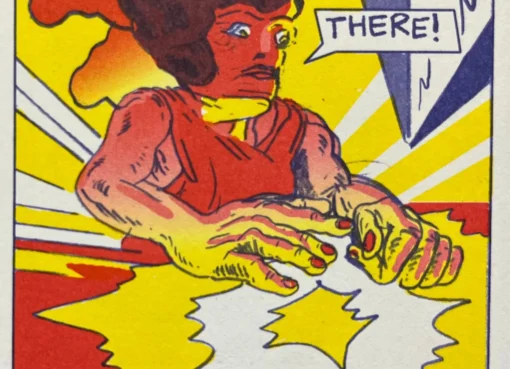
- Brad Neely’s "Creased Comics": Tegan O’Neil’s analysis of Neely’s work suggests a revival of late-90s-style absurdist humor. The "Free country" panel—depicting a man pointing a pistol at a burning Christmas tree—was cited as a masterclass in visual comedy, proving that the "funny-to-boot" aesthetic remains a potent force in indie comics.
Serialized and Mainstream Output
The serialized market showed more mixed results. AIPT’s Rory Wilding expressed disappointment with Event Horizon: Dark Descent, labeling it a "shallow disappointment," while Lily Abreu criticized The Patron #1 for "overstuffed exposition." However, the industry saw "perfect conclusions" in Dave Chisholm’s Is Ted Ok? and "unexpected showdowns" in Greg Pak’s Predator vs. the Planet of the Apes #1. This suggests that while "Event Comics" may be suffering from fatigue, character-driven limited series are thriving.
The Global Reach
Ollie Barder’s review for Forbes on the Nausicaä of the Valley of the Wind manga box set underscores the enduring legacy of Hayao Miyazaki. The "peerless and entirely epic" scale of the work continues to set the gold standard for graphic storytelling, bridging the gap between historical manga and modern global appreciation.
Official Responses: Insights from the Creators
Interviews conducted throughout the week provide a glimpse into the creative mindsets of 2026.
On Creative Risks:
Brad Neely, in an interview with Sally Madden, spoke candidly about the "painful thrill" of drawing. He described the process as a tool for communication akin to poetry, noting the constant "anxiety of fucking up a good feeling." This sentiment echoes the broader industry trend of creators moving away from "house styles" toward more idiosyncratic, personal expressions.
On Theatrical Adaptations:
Frank Wildhorn, the composer behind the Death Note musical, argued that manga-based musicals are "the future of theatre." He believes these productions act as a crucial gateway, bringing younger, manga-literate audiences into the world of musical theatre. Telly Leung and Xander Pang, the stars of the London production, corroborated this, noting the unique challenge of translating the intense psychological battle of Light and Ryuk into a lyrical format.
On the Preservation of History:
John Cusack, discussing his new graphic novel Momo, emphasized a desire to create something "unique" based on true stories. He highlighted a need to take inspiration from "bygone creative eras" to combat the homogeneity of modern digital content. Similarly, Yoshiaki Kabashima’s work on Chiran de no Yakusoku o Mune ni serves as a vital historical document, preserving the firsthand experiences of World War II’s Nadeshiko Unit.
Implications: The Loss of Community and the Rise of New Markets
Despite the creative highs of the week, a somber undercurrent remains regarding the physical infrastructure of the comics world. The impending closure of Bizarro-Wuxtry in Athens, Georgia, has sparked a significant debate about gentrification and the loss of community hubs.
Robert Newsome, writing for TCJ, argued that manager Devlin Thompson had curated "the greatest comic book store in the world." The sale of the building to developers for apartment conversions is a "sadly universal occurrence" that threatens the social fabric of the medium. When these "third places" disappear, the industry loses more than just a retail outlet; it loses the curated expertise and community bonding that cannot be replicated by digital storefronts or algorithm-driven recommendations.
Key Implications for the Future:
- Gentrification as a Threat to Culture: The closure of iconic stores like Bizarro-Wuxtry suggests that the "brick-and-mortar" comic shop is becoming a luxury that many local communities can no longer afford.
- The Globalization of the Graphic Novel: As highlighted by Anwesha Dutta in Vogue, the "reading revolution" in India shows that the graphic novel is becoming the preferred medium for social commentary and personal storytelling in emerging markets. This shift will likely influence the type of content produced by Western publishers looking for international growth.
- Transmedia Synergy: The success of manga on stage and the involvement of Hollywood figures like John Cusack in graphic novels indicate that the boundaries between "comics," "film," and "theatre" are becoming increasingly porous.
- The Rise of Niche Awards: The growing prestige of the Graphic Medicine and Ringo Awards suggests that the industry is no longer a monolith. Specialization is the new standard, with different sectors of the medium (educational, indie, mainstream, international) developing their own distinct ecosystems of merit.
In conclusion, the week of July 27, 2026, serves as a microcosm of the modern comic book industry: a world of immense creative diversity and international expansion, yet one that is grappling with the harsh economic realities of the physical world. As we move into August, the "dust" of Comic-Con may have settled, but the transformative shifts in how comics are made, honored, and performed are only just beginning.