The Unsolicited Image: How Tech Giants Are Forcing AI Visuals on Users, and Why It’s Backfiring
In an era defined by rapid technological advancement, artificial intelligence has emerged as a dominant force, promising to revolutionize industries and enhance user experiences. However, for a growing number of consumers, the integration of AI, particularly in the realm of image generation, has become a source of frustration and distrust. Major tech platforms like Amazon, Reddit, and Tinder, despite their vastly different offerings, are increasingly deploying AI-generated imagery without explicit user consent, sparking controversy and raising questions about the true beneficiaries of this trend.
While these companies may believe that AI-enhanced visuals will streamline user interactions and boost engagement, the reality on the ground suggests a starkly different outcome. Users are finding themselves subjected to unsolicited alterations of personal photos on dating apps, encountering fabricated product mockups on e-commerce sites, and even seeing their own submitted content repurposed into AI-generated advertisements. This aggressive push into AI imagery, often without clear opt-out mechanisms, is alienating users and eroding trust at a time when public skepticism towards artificial intelligence is already on the rise.
A Pattern of Uninvited AI Enhancement
The recent uproar surrounding Tinder’s "Photo Enhance" feature is a prime example of this unwelcome AI integration. The dating app, designed to facilitate human connection, began automatically editing users’ profile photos. This often involved adjustments to clarity and brightness, but more alarmingly, it sometimes altered users’ physical features. The result? Users like Jeni Rubin found their profile pictures subtly, or not so subtly, modified, with one user famously reporting their teeth being replaced. This phenomenon drew comparisons to controversial social media filters that distort reality, raising concerns about the app’s potential to facilitate a new form of digital deception, akin to "in-house catfishing."
Users were notified that their photos had been "enhanced" and offered the option to revert the changes, but only after the altered images were already live on their profiles. Crucially, there was no pre-emptive opt-in or clear opt-out mechanism, leaving many feeling their digital identity was manipulated without their permission. This approach not only undermines user autonomy but also raises ethical questions about the manipulation of personal imagery, especially within a platform where authentic representation is paramount for genuine connection.
This pattern of unsolicited AI imagery is not isolated to dating apps. In 2023, Uber Eats garnered headlines for its controversial implementation of AI-generated menu item photos. The platform’s algorithm often produced wildly inaccurate and even absurd depictions of food, leading to a New York pizzeria’s margherita pizzas being presented as pastry tarts. Despite such glaring missteps, the allure of AI-generated visuals continues to tempt tech giants.
More recently, the social media and community platform Reddit has faced criticism for its approach to AI-powered advertising. An indie game developer, experimenting with paid advertising for the first time, discovered that Reddit was using their submitted gameplay screenshots to generate a slew of "fake" promotional images. The developer expressed bewilderment at Reddit’s decision to create these visuals without explicit consent, questioning their value and the potential for accidental inclusion in ad campaigns.
"I didn’t prompt these," the developer lamented on the r/IndieDev subreddit. "Reddit just generates a bunch of images for you without asking. I don’t know how Reddit thought this would provide value to advertisers." They further highlighted the risk of inadvertently approving these AI-generated images due to the platform’s interface, which could lead to their official ad campaigns featuring misrepresented content. The concern is that legitimate, high-quality games might be unfairly dismissed due to the presence of these AI-generated "slop" images, potentially sabotaging their marketing efforts.
Amazon, the e-commerce behemoth, has also embraced AI-generated imagery, albeit with a different stated intention. The company recently announced a new feature that will display AI-generated images of products based on user search queries. The purported goal is to help consumers narrow down their searches by visualizing products that might resemble their desired items, especially when they lack specific terminology. For instance, a user looking for an item made from a particular material but unaware of its name might benefit from such visualizations.
However, this move is not without its critics. Many Amazon sellers are already complaining about AI-generated images being automatically added to their product listings, often inaccurately depicting their merchandise. One seller on Reddit voiced their concern: "Am I able to opt out? I don’t like the pictures they generated, and they don’t even show the right appearance of my products. It may cause confusion." This concern is valid, as an influx of inaccurate AI-generated images could further obfuscate an already complex marketplace, potentially leading to increased customer confusion, negative reviews, and product returns. The proliferation of AI-generated "lifestyle images" could also overshadow genuine product photography, making it difficult for consumers to ascertain the actual appearance of what they intend to buy.
A Chronology of Unsolicited AI Integration
The trend of tech platforms integrating AI-generated imagery without explicit user consent has been developing over the past few years, with several key milestones:
- Early 2023: Uber Eats’ Menu Mishaps: The ride-sharing and food delivery giant rolls out AI-generated images for menu items, leading to widespread user confusion and humorous but inaccurate depictions of food. This incident serves as an early warning sign of the potential pitfalls of unvetted AI image generation in consumer-facing applications.
- Mid-to-Late 2023: Growing Seller Complaints on Amazon: As e-commerce platforms increasingly explore AI for product visualization, sellers begin to report instances of AI-generated images appearing on their listings, often without their knowledge or approval, raising concerns about accuracy and brand representation.
- Early 2024: Reddit’s AI-Generated Ad Content: An indie game developer shares their experience of Reddit automatically generating AI-based promotional images from their submitted gameplay screenshots, highlighting a lack of transparency and control for advertisers on the platform.
- February 2024: Tinder’s "Photo Enhance" Controversy: The dating app faces significant backlash for its experimental feature that automatically edited users’ profile photos, leading to alterations of physical features and a general sense of unease among its user base. The feature is eventually suspended due to the negative reaction.
- February 2024: Amazon’s "Shop by Style" Initiative: Amazon announces its new AI-powered search feature, which will generate product images based on user queries. While framed as a helpful tool, it simultaneously fuels existing seller concerns about AI-generated imagery dominating product listings.
This timeline illustrates a consistent pattern of platforms pushing AI-generated visuals into user-facing applications, often with limited user control and a reactive approach to addressing user concerns.
Supporting Data: The Erosion of Trust and the Rise of Skepticism
The pushback against these unsolicited AI images is not merely anecdotal; it reflects a broader societal apprehension towards artificial intelligence. Surveys and industry reports consistently indicate a growing user wariness of AI, particularly when its implementation feels intrusive or manipulative.
A recent study by Edelman found that while consumers acknowledge the potential benefits of AI, a significant portion express concerns about its ethical implications, job displacement, and the potential for misuse. When it comes to AI-generated imagery, these concerns are amplified. Users are increasingly aware of the possibility of deepfakes, manipulated visuals, and the general unreliability of AI-generated content.
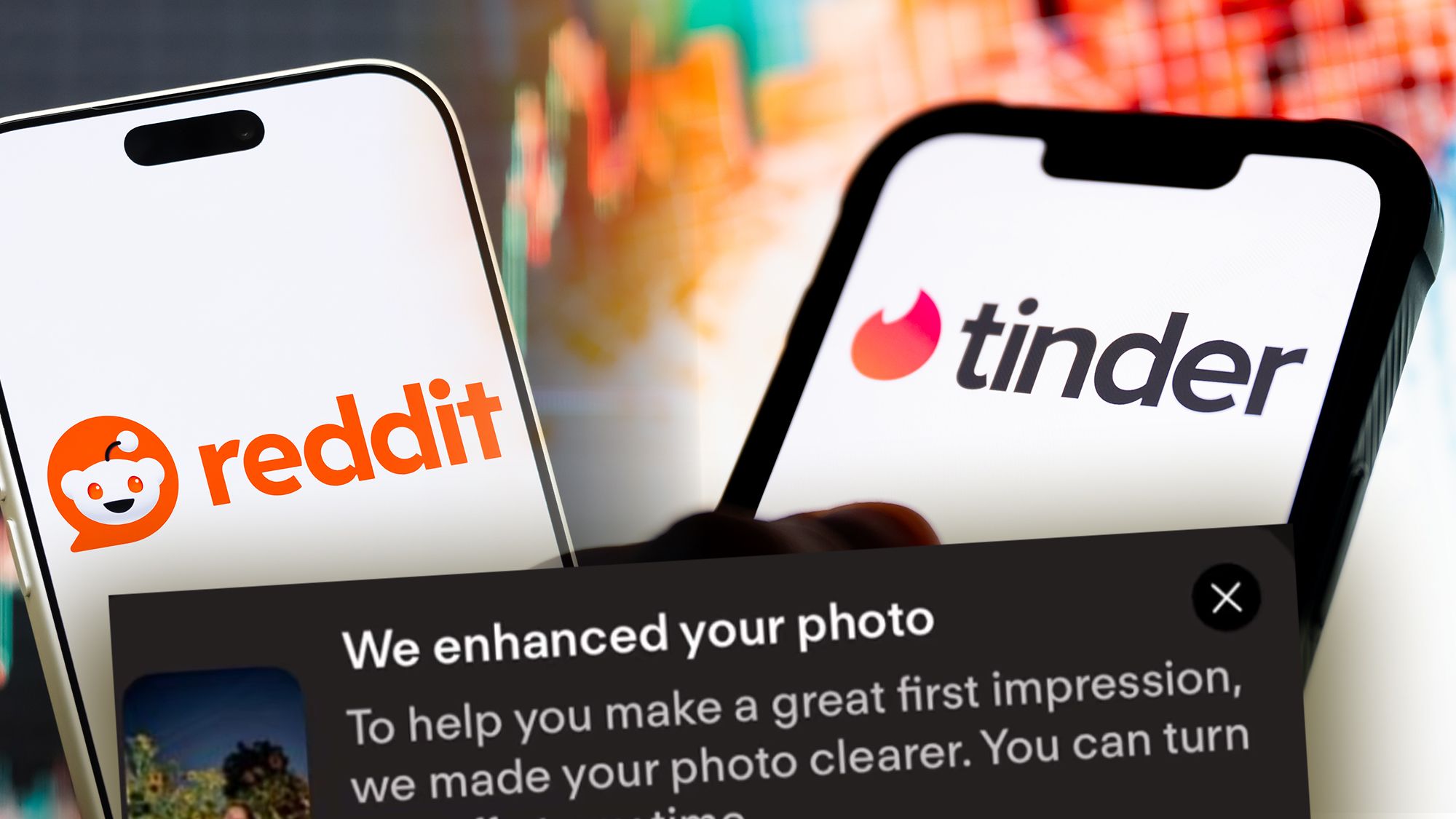
The case of Tinder is particularly illustrative. Dating apps thrive on authenticity and trust. When a platform designed for genuine human connection begins to subtly alter users’ appearances, it undermines the very foundation of that trust. The comparison to "glamour filters" on social media is apt, as these filters are often criticized for promoting unrealistic beauty standards and contributing to body image issues. Applying such uninvited alterations to dating profiles suggests a disconnect between the platform’s stated goals and its technological implementations.
Similarly, on e-commerce platforms like Amazon, the primary objective is for consumers to make informed purchasing decisions based on accurate product representations. The introduction of AI-generated images, especially when they are inaccurate or misleading, directly contradicts this objective. Sellers are concerned that these fabricated visuals could lead to a surge in negative reviews and returns, ultimately damaging their businesses and eroding consumer confidence in the platform as a whole.
The Reddit advertising scenario highlights another critical issue: the control of intellectual property and creative assets. When a platform unilaterally uses submitted content to generate new, potentially unrepresentative visuals, it raises questions about ownership and consent. Advertisers, especially small businesses and independent creators, rely on precise control over their branding and marketing materials. Unsolicited AI generation from their assets can dilute their brand message and create unintended associations.
Official Responses: A Tentative Step Back and Strategic Silence
The official responses from these tech giants have been varied, ranging from outright suspension to a more measured acknowledgment of concerns.
Tinder’s swift suspension of its "Photo Enhance" feature, following significant user outcry, demonstrates a willingness to course-correct when faced with overwhelming negative feedback. A spokesperson for Tinder stated that the company was "listening to feedback" and would "re-evaluate the feature." This response, while commendable for its promptness, highlights the app’s initial misjudgment in deploying a feature without sufficient user consultation or opt-in mechanisms. The fact that users were not informed beforehand about the automatic edits and had limited recourse to prevent them indicates a lapse in user-centric design.
Reddit’s approach appears to be more nuanced. While the indie developer’s complaint gained traction, Reddit has not issued a broad statement or suspended the feature. Instead, the platform seems to be maintaining its stance, with the AI image generation offered as part of its advertising tools. The developer’s observation that the generated images are not automatically added to the ad’s media list offers a slight reprieve, but the underlying concern about consent and the potential for accidental inclusion remains. The platform’s strategy appears to be one of offering the feature while implicitly relying on users to be diligent in their ad setup.
Amazon’s announcement of its AI-powered search feature was met with a more strategic framing. The company emphasized the potential benefits for consumers in finding products and highlighted the AI’s ability to generate "visualizations." While acknowledging that some sellers have concerns, Amazon has not indicated any plans to suspend or fundamentally alter the feature. Instead, the company appears to be positioned to defend its implementation, likely arguing that the benefits of improved search functionality outweigh the risks of inaccurate imagery, which they may address on a case-by-case basis or through seller support channels. Furthermore, Amazon’s business model, which includes selling AI image generation as a service to advertisers, gives it a vested interest in normalizing the technology, even if it means facing some user and seller dissatisfaction in the short term.
The common thread in these responses is a general tendency to prioritize the introduction and utilization of AI technology, often with a reactive rather than proactive approach to user concerns. While some platforms, like Tinder, have shown a willingness to backtrack, others are forging ahead, relying on the potential long-term benefits to outweigh immediate criticisms.
Implications: The Double-Edged Sword of AI Imagery
The aggressive integration of unsolicited AI-generated imagery by major tech platforms carries significant implications, both for users and for the future of digital interaction.
For Users: The primary implication is a growing erosion of trust and autonomy. When platforms manipulate personal photos without consent, users feel a loss of control over their digital identities. On e-commerce sites, misleading AI visuals can lead to frustration, disappointment, and financial loss. The constant exposure to potentially fabricated content also contributes to a broader sense of digital fatigue and skepticism towards online information. Users may become increasingly hesitant to engage with platforms that exhibit a disregard for their consent and a propensity for generating inaccurate or misleading visuals.
For Businesses and Creators: The impact on businesses and creators is multifaceted. On one hand, platforms like Reddit and Amazon offer AI tools that could, in theory, democratize content creation and advertising. However, the lack of control and transparency in how these tools operate can be detrimental. Sellers on Amazon fear inaccurate product images leading to decreased sales and increased returns. Indie game developers worry that their marketing efforts could be undermined by AI-generated visuals that misrepresent their work. The potential for AI-generated images to be perceived as "slop" or inauthentic could lead to a devaluation of genuine creative work.
For the Platforms Themselves: While the immediate motivation for these platforms may be to reduce user churn, increase engagement, and boost advertising revenue, their current approach carries substantial risks. The negative public sentiment surrounding AI, amplified by these unrequested and often flawed implementations, could lead to a backlash that outweighs any perceived benefits. This could result in users migrating to platforms that prioritize transparency and user control, or a general decline in engagement across the board. Furthermore, the ongoing development of AI, particularly image generation, is already contributing to increased hardware costs for creatives, a factor that these platforms, in their pursuit of AI integration, may be inadvertently exacerbating.
Ultimately, the trend of forcing AI imagery onto users without clear consent represents a critical juncture in the relationship between technology and its audience. While AI holds immense potential, its responsible and ethical integration hinges on transparency, user control, and a genuine commitment to enhancing, rather than manipulating, the user experience. As consumers become more discerning and aware of the implications of AI, companies that prioritize a user-centric approach, respecting consent and accuracy, will likely be the ones to foster lasting trust and engagement in the evolving digital landscape. The current trajectory, however, suggests a challenging path ahead, where the allure of artificial intelligence may be overshadowed by the very real consequences of its uninvited intrusion.