
Unveiling the Vision: A Deep Dive into the Concept Art of Denis Villeneuve’s "Dune: Part One"
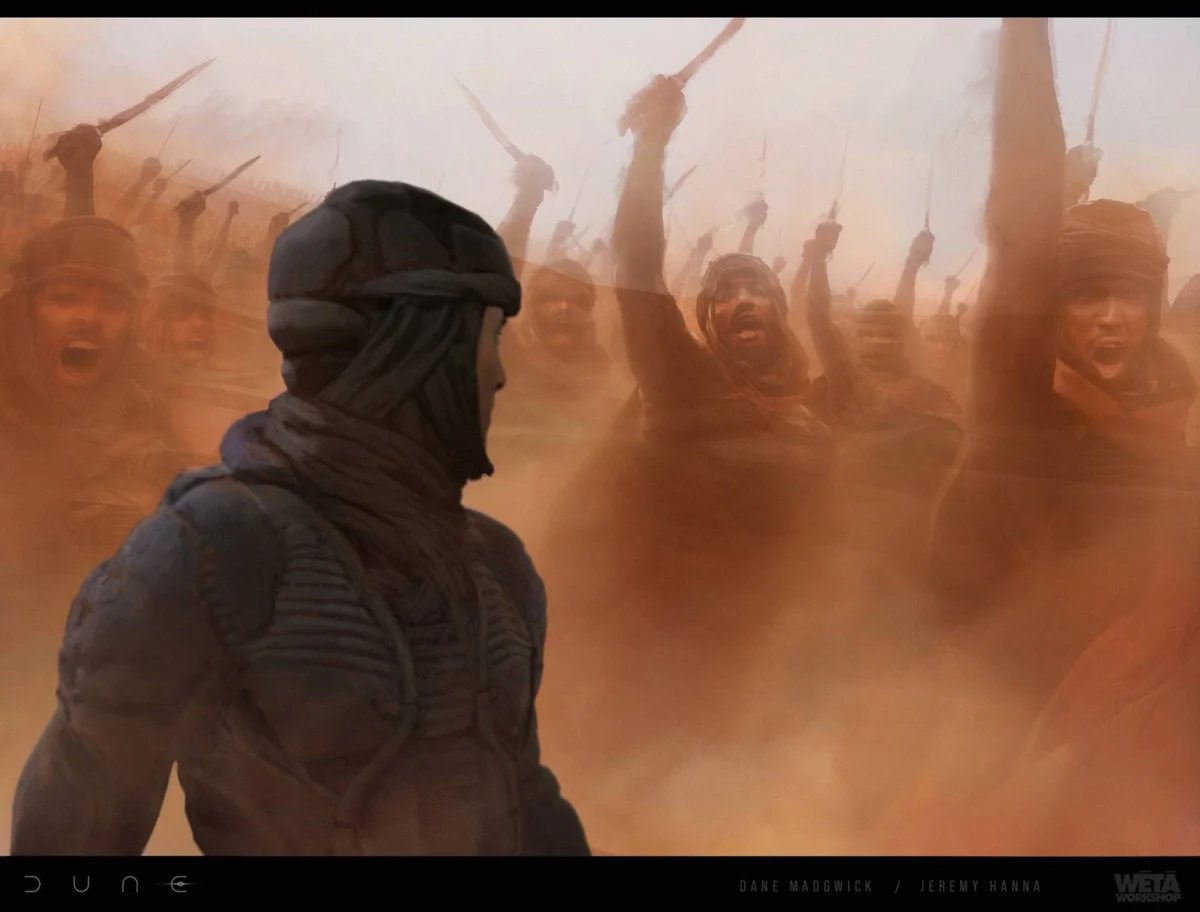
The meticulously crafted visual tapestry of Denis Villeneuve’s Academy Award-winning epic, "Dune: Part One," is brought into sharp focus through an extensive collection of concept art and design materials. This comprehensive showcase offers an unprecedented glimpse into the creative genesis of Arrakis, revealing the foundational sketches and intricate details that breathed life into Frank Herbert’s sprawling science-fiction universe.

This collection serves as a testament to the monumental task undertaken by Villeneuve and his production team: to translate the vastness and complexity of Herbert’s seminal novel into a tangible, cinematic reality. The resulting artwork demonstrates a profound understanding of the source material, artfully blending the stark, imposing aesthetics of brutalist architecture with the raw, untamed beauty of naturalistic environments. From the initial brushstrokes to the final polished pieces, these designs meticulously mapped out the film’s consistent visual language, ensuring that every frame resonated with the intended mood and scale.

The exploration of the film’s core power structures – the noble House Atreides, the indigenous Fremen, and the ruthless House Harkonnen – is a significant highlight of this artistic archive. Through detailed technical explorations, the artists delved into faction-specific technologies, unique ceremonial attire, and the specialized survival gear crucial for Arrakis’s harsh desert landscape. This meticulous world-building process, captured in these concept pieces, provides a comprehensive understanding of how the film’s narrative and visual identity were intricately interwoven.

The Genesis of Arrakis: Establishing the Visual Language
The visual bedrock of "Dune: Part One" was laid through a rigorous process of conceptualization, where artists grappled with translating abstract ideas into concrete imagery. Early sketches and foundational key art played a pivotal role in defining the film’s distinctive aesthetic. This involved a careful consideration of how to represent the expansive scope of Herbert’s novel within a cohesive visual framework. The artists sought to create a world that felt both ancient and futuristic, alien yet grounded in a discernible reality.

Brutalism Meets Nature: A Harmonious Dissonance

A defining characteristic of "Dune: Part One" is its unique blend of brutalist architecture and naturalistic environments. This juxtaposition was not accidental but a deliberate choice to reflect the film’s themes of power, control, and humanity’s struggle against overwhelming forces, both natural and political. The brutalist elements, with their imposing concrete structures and sharp geometric lines, evoke a sense of oppressive power and industrial might. These architectural styles were applied to key locations such as the Harkonnen homeworld of Giedi Prime, with its stark, monochrome industrial landscapes, and the Imperial Palace on Arrakis, projecting an aura of cold, unyielding authority.

In contrast, the naturalistic environments of Arrakis, particularly the vast deserts and treacherous rock formations, emphasized the raw, elemental power of the planet. The concept art showcases a keen understanding of geological forms, sand textures, and atmospheric effects, creating a sense of immense scale and isolation. The interplay between these two seemingly opposing visual styles created a world that was both visually striking and thematically resonant. The harshness of the desert served as a constant reminder of the precariousness of life, while the imposing architecture underscored the human desire to impose order and control upon it.

Architects of the Worlds: Key Concept Artists and Their Contributions
The visual realization of "Dune: Part One" was a collaborative effort, with a team of exceptionally talented concept artists bringing their unique visions to the project. Their individual contributions, showcased through a wealth of sketches, paintings, and design explorations, were instrumental in shaping the film’s iconic look.

Dane Madgwick: Capturing the Introspective and the Ethereal
Dane Madgwick’s work on "Dune: Part One" delves into the psychological and spiritual dimensions of the narrative. His pieces often capture moments of introspection and significant character development. For instance, the concept art depicting Jessica in meditation offers a serene yet potent visual representation of her Bene Gesserit abilities and her inner strength amidst the turmoil of Arrakis. Another striking piece, Paul’s vision, visualizes the prescient and often disorienting flashes of insight that plague the young Atreides heir, hinting at his destined path and the immense burden he carries. Madgwick’s ability to translate internal states into compelling visual imagery was crucial in establishing the film’s more mystical elements.

Deak Ferrand: Crafting the Grandeur and Grit of Arrakis
Deak Ferrand’s contributions provide a foundational understanding of the film’s diverse environments. His work on Caladan, the lush and verdant homeworld of House Atreides, establishes a stark contrast with the harshness of Arrakis, showcasing a world of natural beauty and inherited legacy. Ferrand’s designs for Arrakeen, the capital city on Arrakis, demonstrate a masterful balance between the imposing Imperial architecture and the rugged, lived-in quality of a desert settlement. His explorations of Giedi Prime, the Harkonnen homeworld, reveal a vision of industrial decay and oppressive totalitarianism, characterized by its monochromatic palette and utilitarian design. These pieces are vital in establishing the distinct visual identities of the film’s key planetary settings.

Ed Natividad: Designing the Tools of Survival and Warfare
Ed Natividad’s expertise lies in the intricate details of the film’s technology and weaponry. His concept art meticulously details the specialized survival gear developed by the Fremen, highlighting the ingenuity and practicality required to thrive in the extreme conditions of Arrakis. This includes the iconic stillsuits, designed to recycle bodily fluids, and the various tools and equipment that facilitate their nomadic lifestyle. Natividad also explored the weaponry and combat gear of the different factions, from the elegant blades of House Atreides to the more brutal and functional armaments of the Harkonnens, ensuring that the film’s action sequences were visually grounded in believable design.

George Hull: Envisioning the Machines and Mega-Structures
George Hull’s portfolio showcases his remarkable ability to design imposing vehicles and monumental structures. His concept art for the Harkonnen harvester, a colossal piece of machinery central to the spice extraction operations, emphasizes its brutal efficiency and industrial scale. Hull also contributed to the designs of the Bene Gesserit ramp sets, showcasing their unique architectural style and their role within the film’s political landscape. Furthermore, his explorations of the ornithopters, the iconic flying machines of Dune, highlight their intricate mechanical details and their function as essential tools for transportation and warfare in the film’s diverse environments.

Jeffrey Read: Capturing the Essence of Arrakis’s Landscapes
Jeffrey Read’s artistic vision brings the desolate beauty of Arrakis to the forefront. His "paintover" work on the Caladan graveyard location evokes a sense of history and melancholic grandeur, hinting at the past conflicts and sacrifices that have shaped the Atreides lineage. His visualizations of the Arrakeen balcony offer a glimpse into the opulent yet precarious seat of power within the desert planet. Read’s ability to imbue his landscapes with atmosphere and a sense of narrative depth is evident in his depiction of Arrakis, capturing its vastness, its danger, and its untamed spirit.

Jerad S. Marantz: Sculpting the Visceral and the Fearsome
Jerad S. Marantz’s contributions delve into the more visceral and imposing aspects of the "Dune" universe, particularly focusing on character design and armor. His explorations of the Fremen stillsuit showcase a detailed understanding of its functional anatomy, emphasizing its integration with the wearer’s body. Marantz’s work on Baron Harkonnen’s armor is particularly striking, depicting a design that is both terrifying and iconic. Through sculpts and paint-overs, he captures the Baron’s immense power and sinister presence, translating his grotesque physicality into a visually arresting form.

Jeremy Hanna: Depicting Action and Cataclysm
Jeremy Hanna’s concept art excels at capturing moments of high drama and intense action. His visualizations of Duncan Idaho’s Arrakis encounters highlight the character’s skill and resilience in combat. The dynamic depictions of the sinking harvester and the terrifying worm attack convey the immense scale and destructive power of the planet’s native inhabitants. Hanna’s crashed ornithopter concept art visually communicates the perils of aerial travel on Arrakis, showcasing the fragility of technology against the planet’s unforgiving environment.

Joseph Cross: Focusing on Indigenous Design and Iconic Artifacts
Joseph Cross’s artistic focus often centers on the unique cultural artifacts and attire of the Fremen. His concept art for the Fremen suit demonstrates a deep understanding of their practical needs and their connection to the desert. The visualization of the crysknife, the sacred blade of the Fremen, highlights its distinctive design and its significance as a symbol of their warrior culture and their deep respect for the sandworms.

Kamen Anev: Building the Spaces of Power and Isolation
Kamen Anev’s contributions explore the architectural and environmental spaces within the "Dune" narrative. His concept art for the Arrakeen courtyard and residency meeting room captures the regal yet functional design of the Imperial structures, hinting at the political machinations that take place within these walls. The depiction of the spotter ship and the sandworm showcases Anev’s ability to design both advanced technology and the awe-inspiring creatures that inhabit Arrakis, contributing to the film’s sense of scale and wonder.

Keith Christensen: Detailing the Fabric of Society and Conflict
Keith Christensen’s work provides a granular view of the elements that define the film’s societies and conflicts. His detailed exploration of Fremen stillsuit fabrication underscores the ingenuity and resourcefulness of the desert dwellers. The "Soldier Side-by-Side" concept art offers a comparative look at the different military forces, highlighting their distinct appearances and combat readiness. Christensen also contributed to alternative designs for Baron Harkonnen’s body, exploring different visual interpretations of his imposing physique, and conceptualized the Bene Gesserit group, capturing their enigmatic presence and hierarchical structure.

Nivanh Chanthara: Designing the Menace of the Harkonnens
Nivanh Chanthara’s art is instrumental in defining the menacing aesthetic of the Harkonnens, particularly in his designs for Vladimir Harkonnen’s armor. His rough explorations of the armor reveal a process of iteration and refinement, gradually building a visual language that communicates the Baron’s brutality and immense power. These designs emphasize the sheer oppressive weight and intimidating presence of the Harkonnen regime.

Peter Popken: Capturing the Grandeur and Desolation
Peter Popken’s contributions often focus on the majestic and sometimes desolate architecture of Arrakis. His concept art for the Arrakeen Palace showcases its imposing scale and intricate details, conveying a sense of ancient power and political significance. The depiction of a crashed ornithopter hints at the dangers of the environment and the constant struggle for survival on the desert planet.

Seungjin Woo: Visualizing the Spectacle of Arrakis
Seungjin Woo’s artwork brings to life the dynamic and often perilous encounters within the "Dune" narrative. His "Duncan Chase" concept art captures a moment of intense action and pursuit, showcasing the agility of the characters within the harsh desert terrain. The visualizations of the sandworm, rendered with awe-inspiring detail, emphasize the sheer power and terrifying majesty of these iconic creatures.

Steve Burg: Engineering the Colossal Machines of Dune
Steve Burg’s expertise lies in the design of large-scale vehicles and industrial machinery. His concept art for the Heighliner, the colossal interstellar transport ships, conveys their immense size and their role in traversing the vast distances of space. Burg also contributed to the designs of the harvester and the carryall, essential components of the spice harvesting operation, emphasizing their robust construction and their functional purpose within the film’s industrial landscape.

Carlos Huante: Exploring the Primal Power of the Sandworms
Carlos Huante’s artistic vision dives deep into the primal and awe-inspiring nature of the sandworms. His concept art captures these colossal creatures in various states of power and majesty, emphasizing their sheer scale and their fundamental connection to the planet Arrakis. Huante’s work explores the organic forms and immense presence of the sandworms, solidifying their status as a central and formidable force within the "Dune" universe.

The Art and Soul of Dune: A Deeper Dive
For those seeking an even more immersive experience into the visual world of "Dune: Part One," the book "The Art and Soul of Dune" serves as an invaluable resource. This comprehensive collection offers an extended look at the artwork, providing further insights into the creative process and the artistic decisions that shaped the film. It is an essential companion for any fan wishing to understand the depth and detail that went into bringing Denis Villeneuve’s vision to life.

Implications for Future Productions and the Legacy of Dune
The detailed exploration of the concept art for "Dune: Part One" offers significant implications not only for understanding the film itself but also for the future of science-fiction filmmaking and the enduring legacy of Frank Herbert’s masterpiece.

Setting a New Standard for World-Building: The meticulous and cohesive world-building evident in the concept art has undoubtedly set a new benchmark for cinematic science-fiction. The ability to create a visually distinct and thematically rich universe that feels both alien and relatable is a testament to the power of strong conceptual design. This attention to detail in pre-production ensures that the final film is not just a collection of special effects but a fully realized and immersive experience.

The Enduring Appeal of Herbert’s Vision: The success of "Dune: Part One" and the rich visual tapestry supporting it have reignited global interest in Frank Herbert’s original novels. The concept art serves as a bridge between the literary and cinematic realms, allowing audiences to connect with the intricate details of Herbert’s universe in a new and profound way. This visual interpretation has the potential to draw new generations of readers to the source material, ensuring its continued relevance.

A Blueprint for "Dune: Part Two" and Beyond: The established visual language and the detailed explorations of characters, technology, and environments from "Part One" provide a robust foundation for subsequent installments. The artists involved have already laid the groundwork for the continued expansion of the "Dune" universe, allowing for seamless integration of new elements and characters while maintaining the established aesthetic. The success of the first film’s visual design suggests that future adaptations will likely adhere to a similar standard of artistic excellence.

In conclusion, the concept art for "Dune: Part One" is more than just a collection of beautiful images; it is a crucial document that illuminates the intricate process of translating a beloved literary work into a breathtaking cinematic spectacle. It showcases the immense talent and dedication of the artists who helped shape Arrakis into a world that has captivated audiences and solidified "Dune’s" place as a landmark achievement in science-fiction cinema.


Leave a Comment