Justice League Unlimited: The Roleplaying Game – Forging Your Legend in the DC Universe
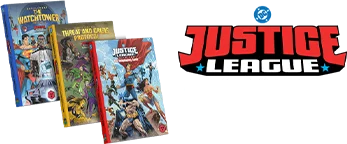
Miami, USA – April 30th, 2024 – Brazilian publisher D20 Culture, in collaboration with Warner Bros. Discovery Global Consumer Products (WBDGCP), has officially announced the upcoming crowdfunding campaign for Justice League Unlimited The Roleplaying Game. This highly anticipated tabletop RPG, co-authored by the celebrated DC comic writer Mark Waid, marks a significant return to the DC Universe for official roleplaying games, launching on Gamefound this July. The announcement has sent ripples of excitement through both the tabletop gaming community and long-time fans of DC Comics, promising an immersive narrative experience where players can craft their own heroic sagas alongside or in the shadow of iconic figures.
The new RPG is poised to fill a nearly two-decade void in the official DC roleplaying landscape, offering an unparalleled opportunity for players to not only inhabit the roles of established heroes and villains but also to forge entirely new legends within a meticulously crafted universe. Set against the backdrop of a DC universe influenced by the events of Amanda Waller’s machinations in the Absolute Power comic book series, the game introduces an expanded "Unlimited" Justice League. Operating from a new, welcoming Watchtower satellite, this iteration of the League extends an open invitation to all heroes, creating a fertile ground for diverse narratives and character interactions. D20 Culture’s ambitious project aims to blend deep lore with innovative mechanics, empowering players to explore the profound responsibilities and moral complexities inherent in bearing the mantle of a hero.
Main Facts: A New Era for DC Tabletop RPGs
The core of the announcement revolves around the forthcoming launch of Justice League Unlimited The Roleplaying Game on Gamefound in July. This crowdfunding initiative is the culmination of a strategic partnership between D20 Culture, a boutique tabletop game publisher known for adapting major IPs, and Warner Bros. Discovery Global Consumer Products, the division responsible for extending Warner Bros. Discovery’s vast portfolio of entertainment brands. The involvement of Mark Waid, a revered figure in the comic book industry with an extensive history of acclaimed work on DC characters, immediately lends significant creative credibility and authenticity to the project.
At its heart, Justice League Unlimited The Roleplaying Game is designed as a narrative-driven experience. Unlike traditional combat-focused RPGs, this system emphasizes storytelling, character development, and the moral choices that define a hero. Players are granted an expansive degree of freedom, capable of either embodying beloved DC icons or meticulously crafting original heroes from a diverse palette of archetypes and origins. This flexibility is a key differentiator, allowing for a personalized journey within the rich tapestry of the DC cosmos.
The game’s setting is particularly intriguing, drawing inspiration from contemporary DC comic storylines. The influence of Amanda Waller’s actions, as depicted in the Absolute Power series, suggests a world grappling with significant power shifts and moral ambiguities. The concept of an "Unlimited" Justice League, headquartered in a newly established Watchtower, signifies a more inclusive and potentially more expansive roster of heroes. This new dynamic opens up possibilities for fresh narratives, allowing players to feel like active participants in a evolving DC continuity rather than merely observers.
Character creation stands out as a fundamental pillar of the game’s design. Players are not merely selecting from a predefined list but are invited to conceptualize and realize their unique vision of a hero. The available options span a wide spectrum of origins, from the mythical might of Amazons and the alien power of Kryptonians to the evolving capabilities of Meta-Humans and the technological prowess of Cyber Constructs. Beyond physical attributes and powers, the game delves into the philosophical underpinnings of heroism, encouraging players to define their motivations and approaches to conflict. Archetypes such as "The Champion of Tomorrow," inspiring hope, or "The Dark Knight," wielding fear from the shadows, provide evocative starting points for players to build upon, ensuring a rich diversity of heroic identities.
Central to the gameplay experience is the exploration of the profound responsibility that comes with being a hero. The game introduces "Tacit Clauses" – five fundamental questions that players must answer at the outset of their journey. These clauses serve as a dynamic moral compass, defining each character’s core ethical framework and influencing their decisions throughout the game. This mechanic promises to imbue gameplay with significant moral depth, forcing players to confront the often-complex realities of upholding justice in a world teeming with both super-powered threats and nuanced ethical dilemmas.
D20 Culture has engineered a bespoke game system, designed not just for rules enforcement but as a "tool to facilitate the creation of heroic sagas." This approach fosters a collaborative environment between players and the "Editor" (the game master), where shared narration and interpretation drive the unfolding story. The system employs "Ascension Points (PAX)" for character progression, allowing players to customize attributes like Potency, Agility, and Mind, and to acquire and evolve a vast array of powers. From foundational abilities like Super Strength and Flight to more esoteric powers such as the Speed Force, Magic, Telepathy, and even access to advanced technologies like Exoskeletons and Lantern Rings, the progression system is designed to enable heroes to grow from nascent vigilantes to forces capable of wielding planetary-scale magic.
Chronology: A Return to the Tabletop
The announcement of Justice League Unlimited The Roleplaying Game on April 30th, 2024, from Miami, USA, marks a pivotal moment in the history of DC Comics adaptations for tabletop gaming. For nearly two decades, the official DC Universe has largely been absent from the dedicated roleplaying game scene, leaving a significant gap for fans eager to actively participate in the narratives of their favorite heroes. This new initiative by D20 Culture and WBDGCP directly addresses that long-standing demand.
The last major official DC Comics RPG, DC Heroes Role-Playing Game by Mayfair Games, saw its final edition in the mid-1990s, though various iterations and unofficial fan-made content have existed since. The absence of a consistently supported, officially licensed system has been a point of discussion among fans, highlighting the enduring appeal of the DC universe for interactive storytelling. This project, therefore, is not merely a new game but a revival, bridging a significant generational gap in DC’s presence within the TTRPG hobby.
While the exact timeline of the game’s development prior to this announcement remains largely behind the scenes, the involvement of a major publisher like WBDGCP suggests a substantial period of negotiation, conceptualization, and creative collaboration. D20 Culture, as a publisher specializing in adapting world-class entertainment franchises, would have engaged in extensive discussions to secure the rights and align with WBDGCP’s vision for extending the DC brand. The recruitment of Mark Waid, a seasoned writer known for his deep understanding of DC lore and character psychology, indicates that the creative team was assembled with an emphasis on authenticity and storytelling prowess. His engagement would have been an early and crucial step, ensuring the game’s narrative foundation was robust and faithful to the source material.
The crowdfunding campaign on Gamefound in July is the next major chronological milestone. Gamefound, a platform increasingly favored by ambitious tabletop game projects, provides a direct conduit to the community, allowing D20 Culture to gauge interest, secure funding, and foster a direct relationship with its player base. Following a successful campaign, the subsequent phases would involve final development, extensive playtesting, manufacturing, and ultimately, global fulfillment, likely stretching into 2025 or beyond for delivery to backers. This July launch is therefore not just an announcement but the beginning of a multi-stage journey to bring this ambitious vision to life.
Supporting Data: Mechanics, Lore, and Creative Freedom
Justice League Unlimited The Roleplaying Game promises a rich tapestry of mechanics and narrative opportunities, all designed to empower players as active agents within the DC Universe. The game’s design philosophy, as articulated by D20 Culture, centers on facilitating "heroic sagas," moving beyond simple combat encounters to embrace the full spectrum of superheroic life.
Unprecedented Character Creation: The freedom offered in character creation is a cornerstone. Players aren’t merely picking from a list; they are architects of their own legend. The array of available "races" – from the venerable Amazons, steeped in myth and martial prowess, to the cosmically powerful Kryptonians, the diverse and ever-evolving Meta-Humans, and the innovative Cyber Constructs – provides a vast foundation. Each choice comes with inherent narrative hooks, allowing players to weave intricate backstories that define their motivations, their struggles, and their unique perspectives on heroism. A Kryptonian hero might grapple with the weight of being the last of their kind, while a Cyber Construct could explore themes of identity and humanity. The system encourages players to define not just what their hero is, but why they fight and how they approach the world. Archetypes like "The Champion of Tomorrow" or "The Dark Knight" serve as inspirational starting points, allowing players to embody classic heroic tropes or subvert them entirely, creating truly unique characters.
The Weight of the Mantle: Tacit Clauses: A standout feature is the introduction of the "Tacit Clauses." These five fundamental questions, answered at the game’s inception, represent a hero’s moral code. This mechanic is crucial for a narrative-driven game, as it forces players to confront the ethical dilemmas inherent in superheroics. For example, a clause might ask: "Is lethal force ever justified?" or "To what extent should a hero interfere with global politics?" The answers to these questions aren’t static; they form a dynamic framework that guides a character’s actions and reactions throughout their adventures. This system ensures that being a hero is not just about punching villains, but about navigating complex moral landscapes, fostering deep roleplaying, and creating consequences for choices. This directly addresses the "profound responsibility of bearing this mantle" mentioned in the announcement.
The Ascension System (PAX): The game’s progression system, utilizing "Ascension Points (PAX)," provides a flexible and thematic way for heroes to grow. PAX allows players to invest in core Attributes such as Potency (raw power), Agility (speed and reflexes), and Mind (intellect and willpower). This ensures a balanced development pathway, allowing players to specialize or create well-rounded heroes. Beyond attributes, PAX is used to purchase and evolve a diverse range of powers. The announcement highlights a broad spectrum:
- Super Strength & Flight: Classic, fundamental powers for many heroes.
- Speed Force: Tapping into the cosmic energy that grants incredible velocity, suggesting a deep dive into Flash-related lore.
- Magic: Opening up possibilities for Zatanna-esque spellcasters or users of arcane artifacts.
- Telepathy: Allowing for mental manipulation, communication, and information gathering.
- Technological Marvels: Including Exoskeletons for armored combatants and even Lantern Rings, implying access to the Green Lantern Corps’ power and mythology.
The promise that powers can "evolve over time eventually allowing them to wield magic on a planetary scale" speaks to the epic scope and potential for long-term campaigns, where heroes can truly ascend to legendary status.
The Editor and Dynamic Scenes: The role of the "Editor" (Game Master) is framed as a collaborative facilitator rather than a strict rule enforcer, emphasizing interpretation and shared storytelling. This approach encourages creativity and ensures that the narrative remains paramount. The game will unfold in a series of "dynamic scenes," which, while not fully detailed in the original announcement, are likely to encompass a variety of scenarios typical of superhero narratives:
- Crisis Situations: Responding to global threats, natural disasters, or supervillain rampages that demand immediate heroic intervention.
- Moral Dilemmas: Situations that test the heroes’ Tacit Clauses, forcing difficult choices with far-reaching consequences.
- Team-Up Challenges: Requiring coordinated efforts and leveraging the unique abilities of each hero to overcome complex obstacles.
- Investigations: Detective work, uncovering conspiracies, and tracking down elusive villains.
- City-Saving Efforts: Protecting civilians, mitigating collateral damage, and inspiring hope in the face of despair.
- Inter-League Politics: Navigating the complex relationships between various heroic factions, governmental bodies, and even other alien civilizations within the DC Universe.
These scenes will likely involve a blend of roleplaying, skill checks, and strategic decision-making, ensuring a varied and engaging gameplay loop. The "Unlimited" aspect of the Justice League suggests that these scenes could involve heroes from across the DC pantheon, fostering a sense of a truly expansive, living world.
Official Responses: Vision and Collaboration
The enthusiasm for Justice League Unlimited The Roleplaying Game is palpable in the statements from key figures involved in its creation and licensing. These responses highlight the shared vision of delivering an authentic, innovative, and deeply engaging experience to fans worldwide.
Peterson Rodrigues, CEO at D20 Culture, articulated the profound honor of working with DC’s rich legacy and a talent like Mark Waid. "For over 85 years, DC has been the home of the world’s greatest superheroes with incredible stories," Rodrigues stated. "Working with comic legend Mark Waid to create something new in this universe has been such an honor. With the Justice League Unlimited Roleplaying Game we are really pushing our work to new heights to create an original and bold system for players to immerse themselves in the tales of the Justice League, we cannot wait to bring this to audiences across the world." His statement underscores D20 Culture’s commitment not just to adapting an IP, but to innovating within it, crafting a system that is both original and deeply respectful of the source material. The emphasis on "pushing our work to new heights" suggests a dedication to high production values and a meticulously designed gameplay experience.
Mark Waid, co-author of the project and long-time DC comic writer, shared his perspective on the unique power of tabletop games to connect fans with beloved worlds. "Table top games have such an amazing opportunity to bring new stories to fans and allow them to experience these beloved worlds and characters in a whole new way," Waid commented. His primary focus, he explained, was to ensure narrative authenticity. "Approaching Justice League Unlimited Roleplaying Game my priority has been to set up a new story that fits authentically into this canon and builds upon it to provide a narrative playground for players to make their own. I can’t wait to reveal more so stay tuned." Waid’s involvement is a significant draw, and his commitment to crafting a story that is both canonical and provides a "narrative playground" assures fans that the game will offer both faithfulness to lore and immense creative freedom. His promise of further revelations is sure to keep anticipation high.
While no direct quote from Warner Bros. Discovery Global Consumer Products (WBDGCP) was provided specifically for this announcement, their role as a partner is crucial. As part of Warner Bros. Discovery’s Revenue Strategy division, WBDGCP is tasked with extending the company’s "powerful portfolio of entertainment brands and franchises into the lives of fans around the world." Their partnership with D20 Culture for Justice League Unlimited The Roleplaying Game aligns perfectly with their mission to partner with "best-in-class licensees globally" to create "innovative global licensing and merchandising programs." This collaboration signifies WBDGCP’s confidence in D20 Culture’s ability to deliver a high-fidelity gaming experience that honors the DC brand and engages its global fanbase in a new, interactive medium. For DC, part of Warner Bros. Discovery, this RPG represents another avenue to entertain audiences of every generation, integrating its "iconic characters and enduring stories" across its vast entertainment ecosystem. The decision to greenlight such a project after a long hiatus speaks volumes about their belief in the TTRPG format as a powerful storytelling vehicle.
Implications: Reshaping the Landscape of Superhero RPGs
The announcement of Justice League Unlimited The Roleplaying Game carries significant implications for the tabletop RPG market, the DC brand, and the future trajectory of D20 Culture. It represents more than just a new product; it signals a potential paradigm shift in how major entertainment IPs engage with the interactive storytelling medium.
Impact on the TTRPG Market: The return of an official, high-profile DC Comics roleplaying game after nearly two decades is a major event for the TTRPG community. It brings a beloved, globally recognized IP back into a space that has seen immense growth and innovation in recent years. The involvement of Mark Waid, a celebrated writer, further elevates the project’s profile, attracting not only seasoned RPG players but also comic book readers who may be new to tabletop gaming. This crossover appeal has the potential to expand the TTRPG player base, introducing new demographics to the hobby. Furthermore, the emphasis on narrative depth, moral choices, and collaborative storytelling positions Justice League Unlimited The Roleplaying Game as a compelling alternative or complement to more combat-focused systems, potentially influencing future game designs within the superhero genre. Its launch on Gamefound also reinforces the growing importance of crowdfunding platforms in bringing ambitious, community-driven projects to fruition.
Implications for the DC Brand: For Warner Bros. Discovery, this RPG offers a fresh and deeply interactive avenue for fan engagement. In an era where media consumption is increasingly interactive, allowing fans to step into the shoes of their favorite heroes (or create their own) provides an unparalleled level of immersion. This fosters a deeper connection to the DC Universe than passive consumption of comics, films, or TV shows. The "Unlimited" aspect, potentially referencing the popular animated series and suggesting an inclusive, expansive roster of heroes, could attract a broad demographic of DC fans. By actively participating in shaping the narrative, players become co-creators of the DC lore, reinforcing the brand’s enduring appeal and adaptability across various media. It also fills a long-standing void, demonstrating WBDGCP’s commitment to catering to diverse fan interests and exploring new forms of storytelling.
Future Outlook for D20 Culture: For D20 Culture, this project is a significant step forward, solidifying its position as a key player in adapting major entertainment franchises for the tabletop. Having previously worked on IPs like The Lord of the Rings and Ben 10, securing the DC license and collaborating with a talent like Mark Waid significantly raises their international profile and credibility. A successful campaign and well-received game could open doors for future high-profile adaptations, further establishing D20 Culture as a go-to publisher for deeply immersive, lore-accurate gaming experiences. The innovation in the game’s system, particularly the "Tacit Clauses" and the collaborative narrative approach, also positions D20 Culture as a creative force, not just a licensee.
Potential for Expansion and Longevity: The inherent flexibility of a narrative-driven RPG set in the vast DC Universe suggests immense potential for future expansions. New campaigns, sourcebooks detailing different regions or eras of the DC world, supplements introducing more obscure heroes and villains, or even spin-off games focusing on specific teams or power sets could easily follow. The "Unlimited" moniker itself hints at infinite possibilities, allowing the game to evolve and adapt alongside the ever-changing landscape of DC Comics. This longevity ensures sustained fan engagement and a continuous revenue stream for the publisher and IP holder.
In conclusion, Justice League Unlimited The Roleplaying Game is more than just a product launch; it’s a statement. It’s a testament to the enduring power of the DC Universe, the growing sophistication of tabletop roleplaying games, and the creative ambition of D20 Culture and its partners. As the July Gamefound campaign approaches, the stage is set for players around the world to answer the call, define their moral code, and forge their own unforgettable legends within the hallowed halls of the Justice League. The anticipation is high, and the potential for a truly heroic gaming experience is immense.