Castles in the Air: A New Tabletop RPG Weaves Tales of Gilded Age Growth and Nostalgia
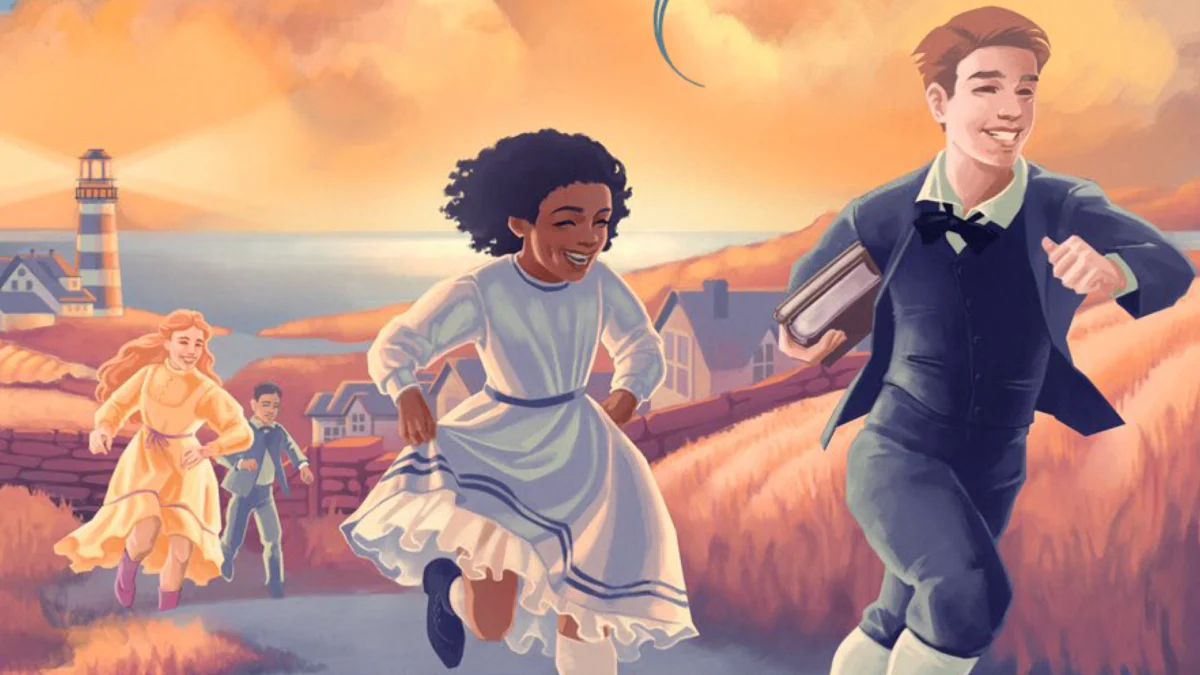
London, UK – [Insert Current Date, e.g., June 5, 2024] – A new tabletop roleplaying game, Castles in the Air, is poised to transport players into the tender, tumultuous, and ultimately transformative journey of growing up during America’s Gilded Age. Developed by the critically acclaimed Storybrewers Roleplaying, known for their narrative-driven titles, this upcoming RPG invites participants to collaboratively craft poignant sagas inspired by beloved coming-of-age literary classics such as Louisa May Alcott’s Little Women and Lucy Maud Montgomery’s Anne of Green Gables.
The game’s premise is elegantly simple yet profoundly ambitious: players will guide their characters from the innocence of childhood through the complexities of adolescence and into the trials and triumphs of adulthood. Set against the backdrop of the late 19th-century United States, an era characterized by rapid industrialization, burgeoning economic growth, and significant social change, Castles in the Air promises a rich narrative experience focused on personal development, enduring relationships, and the indelible marks left by time. Currently seeking funding through a Kickstarter campaign, the project has already garnered significant attention from enthusiasts of narrative RPGs and historical fiction alike.
The Core Vision: Re-enacting Life’s Grand Arc
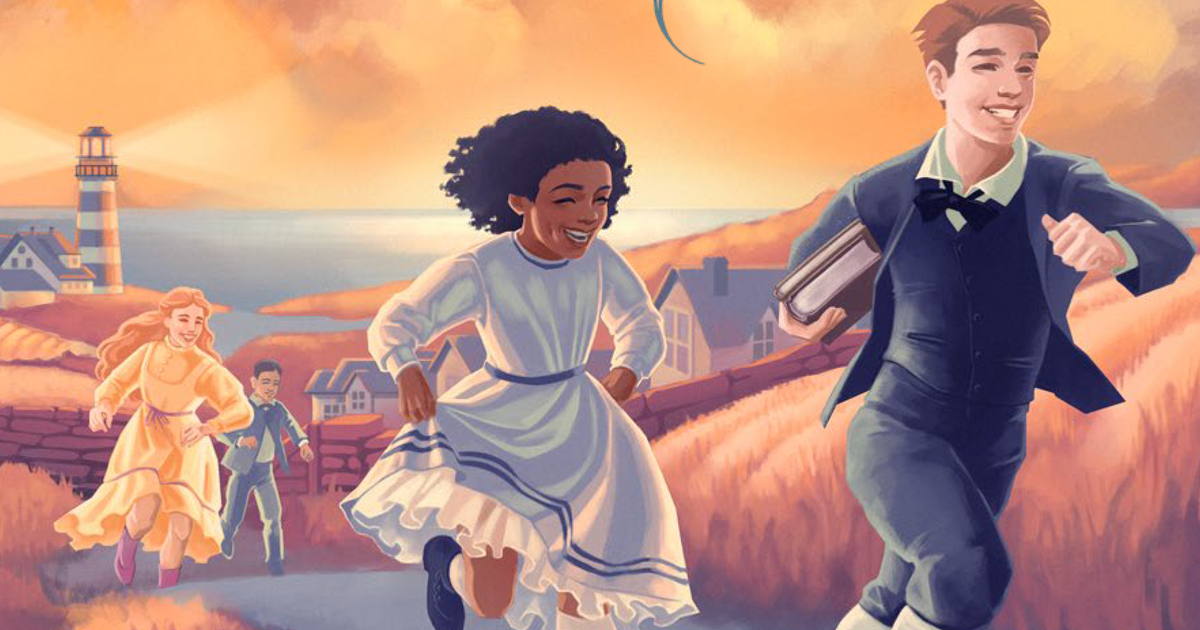
At its heart, Castles in the Air is a collaborative storytelling game designed to evoke the bittersweet beauty of youth, the challenges of self-discovery, and the powerful bonds forged through shared experiences. Players begin their journey as a tight-knit group of children, residing in rural, financially comfortable settings – a deliberate choice that mirrors the pastoral yet privileged environments often depicted in its literary inspirations. In this initial phase, the game encourages players to immerse themselves in the simple wonders of childhood: exploring sun-drenched farmlands, swimming in serene lakes, and gazing at star-filled night skies, collectively building a foundation of shared memories and innocent dreams.
As the narrative progresses, characters inevitably mature, and the game introduces more complex themes. The carefree days give way to the burgeoning emotions of adolescence, where crushes might blossom, fierce rivalries ignite among local peers, and individual aspirations begin to take clearer shape. The genius of Castles in the Air lies in its commitment to chronicling this entire life arc. Players will navigate their characters through these formative years, experiencing the gradual pull of different life paths as they transition into adulthood. The narrative naturally explores the potential for characters to drift apart, pursuing divergent careers, relationships, and geographical locations, only to perhaps reunite years later, reflecting on their shared past and the people they have become. This comprehensive scope, spanning decades of fictional life, is what truly sets Castles in the Air apart, offering an unparalleled depth of character development and emotional resonance.
Echoes of Literary Grandeur: The Inspirations Behind the Game
The design philosophy of Castles in the Air is deeply rooted in the rich tradition of coming-of-age period dramas, specifically drawing profound inspiration from Little Women and Anne of Green Gables. These classics, beloved for generations, offer fertile ground for an RPG centered on personal growth, societal expectations, and the strength of character.
Louisa May Alcott’s Little Women, a quintessential narrative of sisterhood, ambition, and navigating the complexities of womanhood in 19th-century America, provides a blueprint for the game’s relational dynamics and character archetypes. Players familiar with Jo’s fiery independence, Meg’s domestic aspirations, Amy’s artistic ambitions, or Beth’s gentle spirit will immediately recognize the potential for similar character arcs within Castles in the Air. The 2019 film adaptation by Greta Gerwig, starring Saoirse Ronan, Emma Watson, Florence Pugh, Laura Dern, and Timothée Chalamet, further solidified the story’s enduring appeal and its capacity to resonate with contemporary audiences. The game allows players to explore themes of societal constraints versus personal freedom, the pursuit of artistic or intellectual passions, and the profound impact of family and friendship on one’s identity.
Similarly, Lucy Maud Montgomery’s Anne of Green Gables contributes significantly to the game’s thematic framework. Anne Shirley, with her boundless imagination, dramatic flair, and journey from a lonely orphan to a beloved member of the Avonlea community, embodies the spirit of self-discovery and the power of connection. The 2017 Netflix adaptation further introduced Anne’s story to a new generation, highlighting her resilience and her unique perspective on the world. Castles in the Air aims to capture this essence, encouraging players to explore the wonders of childhood imagination, the sting of perceived slights, and the joy of finding one’s place in the world. The development of deep, evolving friendships – like Anne’s bond with Diana Barry – is a central pillar of the game’s narrative structure. By drawing from these literary giants, Castles in the Air taps into a universal longing for stories of growth, resilience, and the formation of identity.
The Gilded Age: A Rich Historical Canvas for Personal Narratives
The choice of the Gilded Age (roughly 1870s to 1890s in the USA) as the game’s historical setting is far from arbitrary; it provides a meticulously crafted backdrop that perfectly complements the themes of personal and societal transformation. This era was a period of immense paradox: on one hand, it witnessed unprecedented industrial expansion, technological innovation (like the telephone and electricity), and an explosion of wealth for a select few. Cities swelled with migrants and immigrants, and America began to assert itself as a global economic power.
On the other hand, the Gilded Age was also marked by significant social inequality, labor unrest, and rapid changes that challenged traditional values. The burgeoning middle class, alongside the established upper class, often enjoyed a degree of leisure and education that allowed for the kinds of pastoral childhoods depicted in the game’s inspirations. For the characters of Castles in the Air, this historical context offers a dynamic environment where their personal growth intertwines with larger societal shifts. The world they knew as children—perhaps agrarian and relatively isolated—would gradually give way to a more industrialized, interconnected, and complex society as they matured. This provides fertile ground for narrative conflict and character development, as their "castles in the air" (childhood dreams) confront the realities and opportunities of a rapidly evolving world. Their ambitions, choices, and relationships will not only be shaped by their immediate circles but also by the sweeping tides of an era defined by both immense progress and profound social upheaval.
Crafting Destinies: Character Creation and Archetypes
Castles in the Air offers a robust yet intuitive character creation system designed to immediately immerse players in the world and its narrative possibilities. Rather than focusing on intricate stat blocks, the system emphasizes narrative hooks and relational dynamics. Players begin by selecting from a variety of classic character archetypes, immediately recognizable from their literary inspirations:
- The Troublesome Scamp: Full of mischief and energy, always seeking adventure or finding themselves in predicaments. Think Tom Sawyer or Jo March with a dash more recklessness.
- The Studious Bookworm: Preferring the company of books and quiet contemplation, driven by intellectual curiosity and a thirst for knowledge. Hermione Granger meets Beth March.
- The Spoiled Princess/Prince: Accustomed to comfort and privilege, perhaps a little naive or demanding, but often with a hidden depth or vulnerability. Amy March or a character from a classic fairy tale.
- The Practical Organizer: Level-headed and responsible, often taking on the role of caregiver or planner within the group. Meg March’s sensibility.
- The Dreamer/Artist: Possessed of a vivid imagination and a creative spirit, perhaps prone to romanticizing life or expressing themselves through art. Anne Shirley’s poetic soul.
Beyond these archetypes, players flesh out their characters with critical narrative elements:
- A Dream: What is their character’s greatest aspiration as a child? This dream will serve as a guiding star throughout their life, evolving, being challenged, or perhaps even being realized.
- Childhood Relationships: Players define their initial connections within the tight-knit group, establishing bonds of friendship, admiration, or even early romantic stirrings.
- A Family Background: This provides context for their social standing, financial situation, and the expectations placed upon them, influencing their opportunities and challenges.
- A Bosom Enemy: A rival, a nemesis, or simply a character with whom they have a complex, often antagonistic, relationship. This provides a source of external conflict and character development.
This system is specifically designed to allow players to easily recreate their favorite characters from Little Women, Anne of Green Gables, or similar narratives, providing a familiar yet dynamic framework for their own original stories. The emphasis is on creating characters with rich internal lives and clear external motivations, ensuring that every player’s character has a compelling journey to undertake.
Storybrewers Roleplaying: A Legacy of Narrative Excellence
The development of Castles in the Air comes from a well-respected name in the indie tabletop RPG scene: Storybrewers Roleplaying. Co-founded by Vee Hendro and Hayley Gordon, the publisher has carved out a distinct niche for itself by focusing on narrative-first, emotionally resonant games that often draw inspiration from literary sources. Their previous acclaimed title, Good Society: A Jane Austen Roleplaying Game, is a testament to their unique design philosophy.
Good Society masterfully translated the intricate social dynamics, romantic entanglements, and subtle class distinctions of Austen’s novels into a compelling RPG experience. Players navigated ballroom dances, scandalous rumors, and the delicate dance of courtship, using a unique system that prioritized social standing and reputation over combat. The game’s success demonstrated Storybrewers’ ability to create engaging systems that elevate character interaction and emotional drama, proving that RPGs could explore a vast spectrum of human experience beyond traditional fantasy or sci-fi combat.
The expertise honed in Good Society is clearly evident in Castles in the Air. Lead designer Melia Carraway, with contributions from Hendro and Gordon, has leveraged this narrative design prowess to craft a game that promises similar depth and emotional engagement. Their shared vision emphasizes player agency in shaping the story, allowing for emergent narratives that feel genuinely personal and impactful. This track record instills confidence that Castles in the Air will deliver on its promise of a rich, character-driven experience, building upon a legacy of innovative and emotionally intelligent game design.
The Journey from Innocence to Experience: A Chronological Playthrough
A game of Castles in the Air unfolds across distinct chronological phases, mirroring the natural progression of life itself.
-
Childhood (The Golden Dawn): The game begins with characters as young children, typically aged between 8 and 12. This phase is characterized by wonder, boundless imagination, and the simple joys of youth. Players establish their initial relationships, define their dreams, and engage in shared adventures that build a foundational history. Sessions in this phase might focus on discovering hidden glades, staging elaborate make-believe games, or navigating minor squabbles and making up. The emphasis is on building a collective sense of nostalgia and establishing the core bonds of the group.
-
Adolescence (The Shifting Sands): As characters transition into their teenage years (roughly 13-18), the world begins to open up, and personal identities become more pronounced. This phase introduces new complexities: first crushes, burgeoning rivalries, the stirrings of ambition, and the first brushes with societal expectations. Characters might experience their first heartbreaks, question their place in the world, or confront difficult truths about their families or communities. The game facilitates stories of self-discovery, rebellion, and the formation of adult values, where choices made now begin to cast long shadows into the future.
-
Adulthood (The Wider World): The final phase sees characters as young adults and beyond, navigating careers, establishing families, and facing the realities of their Gilded Age setting. This is where the initial dreams and childhood relationships are truly tested. Do characters achieve their ambitions? Do they drift apart, only to reunite years later, changed but still connected by their shared past? This phase can explore themes of success, failure, regret, reconciliation, and the quiet dignity of a life lived. The game encourages players to reflect on the entire journey, providing a satisfying sense of closure or the poignant possibility of ongoing sagas. This chronological structure ensures that the narrative arc feels natural and deeply personal, allowing players to witness the full sweep of their characters’ lives.
The Voices Behind the Vision: Designer Insights
While direct quotes from the designers are not explicitly provided in the initial announcement, the ethos of Storybrewers Roleplaying and the thematic depth of Castles in the Air offer clear insights into their design philosophy. According to the spirit of their work, Storybrewers Roleplaying aims to create immersive experiences that prioritize emotional storytelling and character development over combat or complex tactical mechanics.

"The design philosophy behind Castles in the Air emphasizes the profound beauty and inherent drama of ordinary lives," one might infer the designers would state. "We wanted to craft a game where players could explore the universal themes of growing up – the wonder of childhood, the awkwardness of adolescence, and the bittersweet realities of adulthood – through a lens of classic literature. It’s about building a shared history, experiencing joy and heartbreak together, and seeing how those early bonds shape the people we become."
Melia Carraway’s vision, supported by the seasoned expertise of Vee Hendro and Hayley Gordon, sought to create an RPG that felt both deeply personal and broadly relatable. The emphasis is on providing players with the tools to craft their own rich narratives, allowing for a high degree of player agency within a carefully curated thematic framework. The crowdfunding campaign, beyond simply securing funding, serves as a vital platform for building a community around these shared stories and fostering a collective excitement for this unique narrative journey. The designers undoubtedly highlight the game’s focus on the nuanced emotional landscape of human relationships, providing a refreshing alternative in a TTRPG market often dominated by more action-oriented genres.
Beyond the Kickstarter: Implications for the TTRPG Landscape
The emergence and anticipated success of Castles in the Air carry significant implications for the broader tabletop roleplaying game landscape.
Firstly, it further solidifies the growing demand for narrative-first, emotionally driven RPGs. While dungeon crawls and epic fantasies remain popular, there’s a clear and expanding audience for games that prioritize character arcs, interpersonal drama, and thematic depth. Castles in the Air caters directly to players seeking a more introspective, collaborative, and emotionally rich experience, proving that the definition of a "roleplaying game" is continually broadening.
Secondly, the game’s strong Kickstarter performance underscores the vitality and innovation of the independent RPG scene. Small publishers like Storybrewers Roleplaying, often fueled by passion and direct community engagement, are consistently pushing the boundaries of game design, offering niche yet highly refined experiences that might not find a home with larger, more commercially focused publishers. Crowdfunding platforms empower these creators to bring unique visions to life, fostering a diverse and vibrant ecosystem within the hobby.
Thirdly, Castles in the Air exemplifies the potential for literary adaptations and genre exploration within TTRPGs. By successfully translating the essence of period dramas and coming-of-age novels into a playable format, it opens doors for other creators to explore a wider array of literary genres, from historical fiction and romance to psychological thrillers and domestic dramas. This trend enriches the hobby, attracting new players who might not typically engage with traditional RPG themes.
Finally, the game’s focus on long-term character development and evolving relationships encourages a deeper level of player engagement and emotional investment. Players aren’t just controlling avatars; they are shepherding entire lives, making choices that have lasting consequences, and witnessing the profound impact of time and experience. This type of gameplay fosters strong bonds not only between the fictional characters but also among the players at the table, creating memorable and deeply personal collaborative stories. The success of Castles in the Air will undoubtedly inspire more games that explore the enduring power of human connection and the universal journey of growing up.
Funding the Dream: Kickstarter Details
For those eager to embark on this unique narrative journey, the crowdfunding campaign for Castles in the Air is currently active on Kickstarter. The campaign runs until June 9th, offering various pledge tiers to suit different preferences and budgets.
A pledge of AU$99 (approximately £52 or $77 USD) will secure backers a physical copy of the game, anticipated for delivery in March 2025. This tier is ideal for collectors and those who prefer the tactile experience of a beautifully designed rulebook. For players who prefer a digital format or wish to dive into the game sooner, a pledge of AU$34 (approximately £18 or $26 USD) grants access to a digital version of the game. This option provides an accessible entry point for a wide audience, allowing them to experience the game’s rich narrative from the comfort of their preferred digital device. The success of the campaign not only funds the production of the game but also contributes to the thriving community of narrative RPG enthusiasts who champion innovative and emotionally resonant tabletop experiences.
Conclusion
Castles in the Air stands as a testament to the evolving landscape of tabletop roleplaying games, demonstrating a clear appetite for experiences that delve into the profound depths of human emotion and personal growth. By meticulously crafting a game inspired by timeless literary works and set against the compelling backdrop of the Gilded Age, Storybrewers Roleplaying offers players an unparalleled opportunity to collaboratively weave intricate narratives of childhood dreams, adolescent struggles, and adult realities. As its Kickstarter campaign draws to a close, Castles in the Air is poised to become a landmark title, captivating players with its unique blend of historical immersion, character-driven storytelling, and the universal appeal of a life lived, from innocence to experience. It promises not just a game, but a saga of the heart, waiting to be written by those who dare to dream.