The Architecture of Imagination: How Concept Art World and Leading Visionaries are Shaping the Future of Visual Storytelling
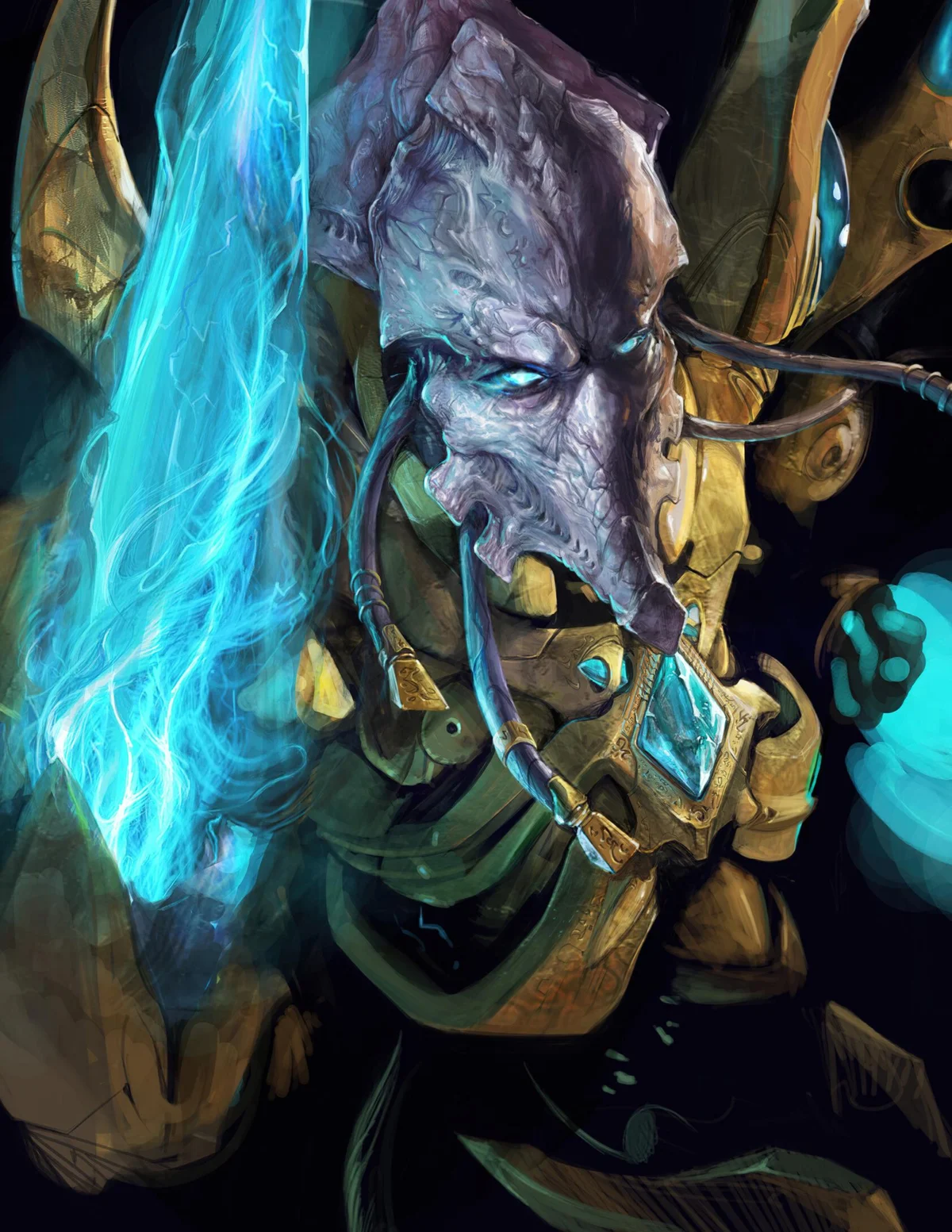
In the modern entertainment landscape, the line between a preliminary sketch and a final cinematic experience has become increasingly blurred. What was once a hidden stage of pre-production—relegated to dusty portfolios and "making-of" books—has emerged as a cornerstone of brand identity and intellectual property development. Leading the charge in documenting this evolution is Concept Art World (CAW), a premier resource that recently highlighted the seminal works of industry titans like Piero Macgowan, Jesse van Dijk, Luke Mancini, and the powerhouse studio Atomhawk Design.
As the industry grapples with technological shifts and the controversial rise of generative artificial intelligence, the work of these artists serves as a testament to the enduring power of human intentionality in design. This report explores the current state of visual development, the career trajectories of these influential creators, and the protective measures being taken to preserve the integrity of original artwork.
Main Facts: The Pillars of Modern Visual Development
Concept Art World has long served as a digital gallery and archive for the "blueprints" of the world’s most successful gaming and film franchises. The recent spotlight on specific artists highlights the diverse methodologies that define contemporary concept art:
- Piero Macgowan and the Tactical Aesthetic: Macgowan, a Lead Concept Artist at Firaxis Games, was instrumental in the visual reboot of the XCOM franchise. His work on XCOM: Enemy Unknown bridged the gap between 1990s nostalgia and a gritty, high-tech "near-future" realism that defined the tactical RPG genre for a decade.
- Jesse van Dijk and Mythic Science Fiction: As a former Art Director at Bungie, van Dijk is credited with creating the "Post-Golden Age" aesthetic of Destiny and Destiny 2. His work focuses on "Big Shapes" and environmental storytelling, where the landscape itself narrates the history of a fallen civilization.
- Luke Mancini (Mr. Jack) and the Blizzard Style: A Senior Artist at Blizzard Entertainment, Mancini is a master of the "hero-centric" style. His work on StarCraft II and Heroes of the Storm exemplifies the chunky, readable, and highly saturated aesthetic that has become the hallmark of Blizzard’s global success.
- Atomhawk Design and the Outsourcing Revolution: Based in the UK and Canada, Atomhawk represents the shift toward specialized visual development studios. By providing art for everything from Marvel’s Guardians of the Galaxy to Mortal Kombat, Atomhawk demonstrates how external studios now provide the creative backbone for AAA titles.
- The Anti-AI Mandate: In a significant move for the creative community, Concept Art World has officially prohibited the training of AI systems using the content hosted on its platform, signaling a growing industry-wide resistance to unauthorized data scraping.
Chronology: From Pixel Art to World-Building
The evolution of concept art as an independent discipline has moved in tandem with the processing power of gaming hardware.
- The Early 2000s: The Digital Transition. Artists like Luke Mancini began transitioning from traditional media to digital painting. This era saw the rise of the "digital painterly" style, where Photoshop became the primary tool for creating atmospheric environments that could finally be rendered by the PlayStation 2 and early Xbox hardware.
- 2012: The XCOM Paradigm Shift. When Piero Macgowan and the team at Firaxis released XCOM: Enemy Unknown, it marked a shift in how concept art handled "modular design." Macgowan’s art didn’t just show a scene; it showed how alien technology could be "kit-bashed" and researched, reflecting the game’s core mechanics in its visual DNA.
- 2014–2017: The Rise of "Mythic Sci-Fi." Jesse van Dijk’s work on the original Destiny redefined science fiction. Moving away from the "used future" of Star Wars or the sterile "high-tech" of Star Trek, van Dijk introduced a sense of ancient mystery. His chronology of work shows a progression toward massive, architectural vistas that dwarf the player, a trend that continues to influence open-world games today.
- The 2020s: The Age of Protection. With the explosion of Generative AI in 2022, the role of the concept artist faced an existential threat. This led to the current era, where platforms like Concept Art World and professional studios are formalizing copyright protections and focusing on "Visual Development" (VisDev) as a holistic process that AI cannot yet replicate: the synthesis of gameplay, narrative, and emotional resonance.
Supporting Data: The Economic and Cultural Impact
The importance of concept art is reflected in the massive scale of the projects these artists lead.
- The "Destiny" Effect: Destiny 2, where Jesse van Dijk served as a key visionary, has maintained a player base of millions for over seven years. Industry analysts attribute this longevity partly to the "visual comfort" and "aspirational environments" created by the art team, which keep players engaged in the world even during gameplay lulls.
- The Growth of Atomhawk: Founded in 2009 with a small team, Atomhawk has grown into a multi-national entity. This reflects a broader industry trend: the global "Visual Development" market is projected to grow significantly as streaming services (Netflix, Disney+) and gaming companies demand higher-fidelity concept work for their increasingly expensive IPs.
- The Value of Human Intellectual Property: A 2023 survey of concept artists found that over 80% expressed concern regarding AI. The proactive stance taken by Concept Art World—explicitly banning AI training—aligns with a movement of over 150,000 artists globally who are seeking legislative protection for their digital portfolios.
Official Responses: Industry Voices on the Future
The creators and organizations featured in the recent CAW spotlight have often spoken about the philosophy behind their craft.
On the Role of the Artist:
Piero Macgowan has previously noted that concept art is not about making "pretty pictures" but about solving problems. "You are designing a world that has to function," he has stated in various industry talks. This sentiment is echoed by the leadership at Atomhawk, who emphasize that their role is to "breathe life into ideas" before a single line of code is written.
On Intellectual Property:
Concept Art World’s official stance is clear: "All images are © by the artist(s) or their respective copyright holders. Any training of AI systems using this content is strictly prohibited." This statement is more than a legal disclaimer; it is a declaration of value. It asserts that the years of training and the unique "visual shorthand" developed by artists like Luke Mancini cannot be ethically harvested to fuel automated generators.
On Collaboration:
Jesse van Dijk has frequently highlighted the collaborative nature of the medium, noting that an Art Director’s job is to ensure that hundreds of artists are all "singing from the same songbook." This human-to-human communication—the ability to interpret a vague emotional prompt into a concrete visual—remains the "moat" protecting professional artists from automation.
Implications: What This Means for the Future of Art
The focus on these specific artists and the protective measures taken by Concept Art World carry heavy implications for the future of the entertainment industry.
1. The Shift from Artist to Architect:
As AI tools become more prevalent for "mood boarding," the role of the human concept artist will shift toward high-level "World Architecture." Artists like Macgowan and van Dijk are not just illustrators; they are designers of systems. The implication is that future artists will need to be more specialized in "functional design"—understanding how a 3D engine works, how lighting affects gameplay, and how cultural history informs costume design.
2. The Legal Battlefront:
The "Strictly Prohibited" AI clause on CAW is a precursor to what will likely be a decade of litigation. As artists fight to keep their styles from being mimicked, we may see the rise of "Closed-Loop" art departments where only human-verified assets are used to ensure that a game’s visual identity remains unique and legally defensible.
3. The Premium on "The Human Touch":
There is an emerging "human-made" premium in the luxury and entertainment markets. Much like the "handmade" label in fashion, studios that boast a roster of legendary artists like Luke Mancini will use that as a marketing tool. The "Blizzard style" or the "Destiny look" is a brand in itself; if it becomes diluted by AI-generated mimicry, the brand value of the IP drops.
4. Educational Evolution:
For aspiring artists visiting Concept Art World, the roadmap has changed. It is no longer enough to have technical proficiency in Photoshop. To reach the level of an Atomhawk lead or a Senior Blizzard artist, one must master the art of narrative intent. Every scratch on a piece of armor in an XCOM concept piece tells a story of a battle fought; every ruin in a Jesse van Dijk painting tells the story of a civilization lost. This depth of storytelling is currently the exclusive domain of the human experience.
Conclusion
The work of Piero Macgowan, Jesse van Dijk, Luke Mancini, and Atomhawk Design represents the pinnacle of digital craftsmanship. By showcasing these visionaries, Concept Art World does more than just provide inspiration; it defines the standard of excellence in an era of rapid technological change. As the industry moves forward, the "Architecture of Imagination" will remain a human endeavor, guarded by those who understand that a world is built not just with pixels, but with purpose. Through strict copyright enforcement and a commitment to showcasing authentic talent, the creative community is drawing a line in the sand: the future of art belongs to the artists.