The Digital Fortress: Navigating Home Security in the Age of the Connected Summer
Introduction: The Paradox of the Summer Getaway
As the mercury rises and the holiday season beckons, millions of homeowners prepare to trade their domestic routines for the tranquility of coastal retreats or international excursions. However, this period of relaxation is often shadowed by a persistent anxiety: the vulnerability of an empty home. While statistical data suggests that burglaries occur more frequently during the darker winter months, the summer presents a unique set of risks. Heatwaves often lead to windows being left ajar for ventilation, and the visible absence of occupants—manifested by overflowing mailboxes and unlit windows—creates a beacon for opportunist intruders.
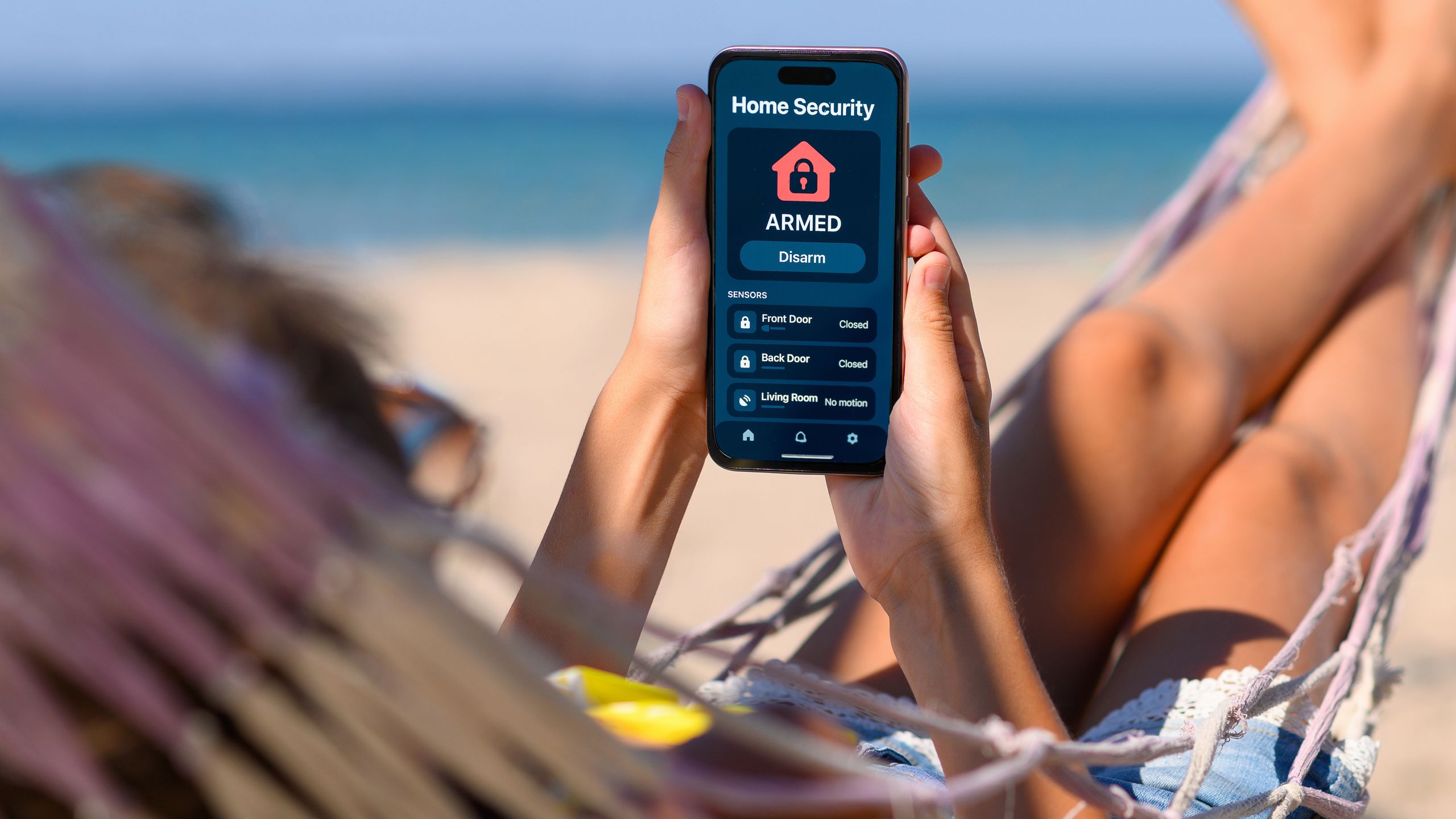
The landscape of home defense has undergone a radical transformation over the last decade. The era of the prohibitively expensive, professionally installed closed-circuit television (CCTV) system is being superseded by an era of democratized, DIY smart security. Today, the ability to monitor one’s property from a sun lounger thousands of miles away is not a luxury for the elite, but a standard feature of the modern digital home.
Main Facts: The State of Modern Home Security
Modern home security is no longer a monolithic industry. It has branched into several specialized categories, each leveraging advancements in optics, battery technology, and artificial intelligence.
- Affordability and Accessibility: Entry-level indoor cameras now retail for under $70 (£50), while sophisticated outdoor units and video doorbells typically range between $120 and $250. This price compression has allowed homeowners to build multi-layered defense systems without significant capital investment.
- The Rise of AI and Edge Computing: Current-generation cameras do more than record footage; they analyze it. Features such as person detection, vehicle recognition, and even sound analysis (detecting the specific frequency of breaking glass) are becoming standard.
- Power Autonomy: The "Achilles’ heel" of wireless security—battery life—is being addressed through increasingly efficient solar panels and high-capacity rechargeable cells.
- The Subscription Model Debate: A significant portion of the industry has pivoted toward "Security as a Service," charging monthly fees for cloud storage and advanced AI features. This has created a secondary market for devices that support local storage via MicroSD cards or Network Attached Storage (NAS).
Chronology: From Grainy Tapes to 4K Streams
To understand the current state of home security, one must look at the rapid evolution of the technology over the last thirty years.
The Analog Era (Pre-2000s)
In the late 20th century, home security was largely synonymous with "burglar alarms"—audible sirens triggered by magnetic door sensors or PIR (Passive Infrared) motion detectors. Visual surveillance was reserved for commercial properties, utilizing bulky cameras and VCRs that required daily tape changes.
The IP Revolution (2000–2010)
The advent of the internet allowed for the first generation of IP (Internet Protocol) cameras. While these allowed for remote viewing, they were notoriously difficult to configure, requiring complex "port forwarding" on routers and offering low-resolution, choppy video.
The "Ring" Effect and the Cloud (2013–2020)
In 2013, Jamie Siminoff invented the Ring video doorbell (originally Doorbot). This marked the birth of the modern era. By moving the heavy lifting of video processing to the cloud and focusing on a user-friendly smartphone interface, Ring and its competitors (such as Nest and Arlo) made security "social" and accessible.
The Integration and Autonomy Era (2021–Present)
We are currently in a phase focused on ecosystem integration and power independence. The introduction of the "Matter" smart home standard and the proliferation of solar-powered 4K cameras represent the current pinnacle of the industry.
Supporting Data: Technical Specifications and Cost Analysis
When selecting a security setup, the modern consumer must navigate a sea of technical specifications. The following data points highlight the critical trade-offs in current hardware.
Resolution vs. Storage
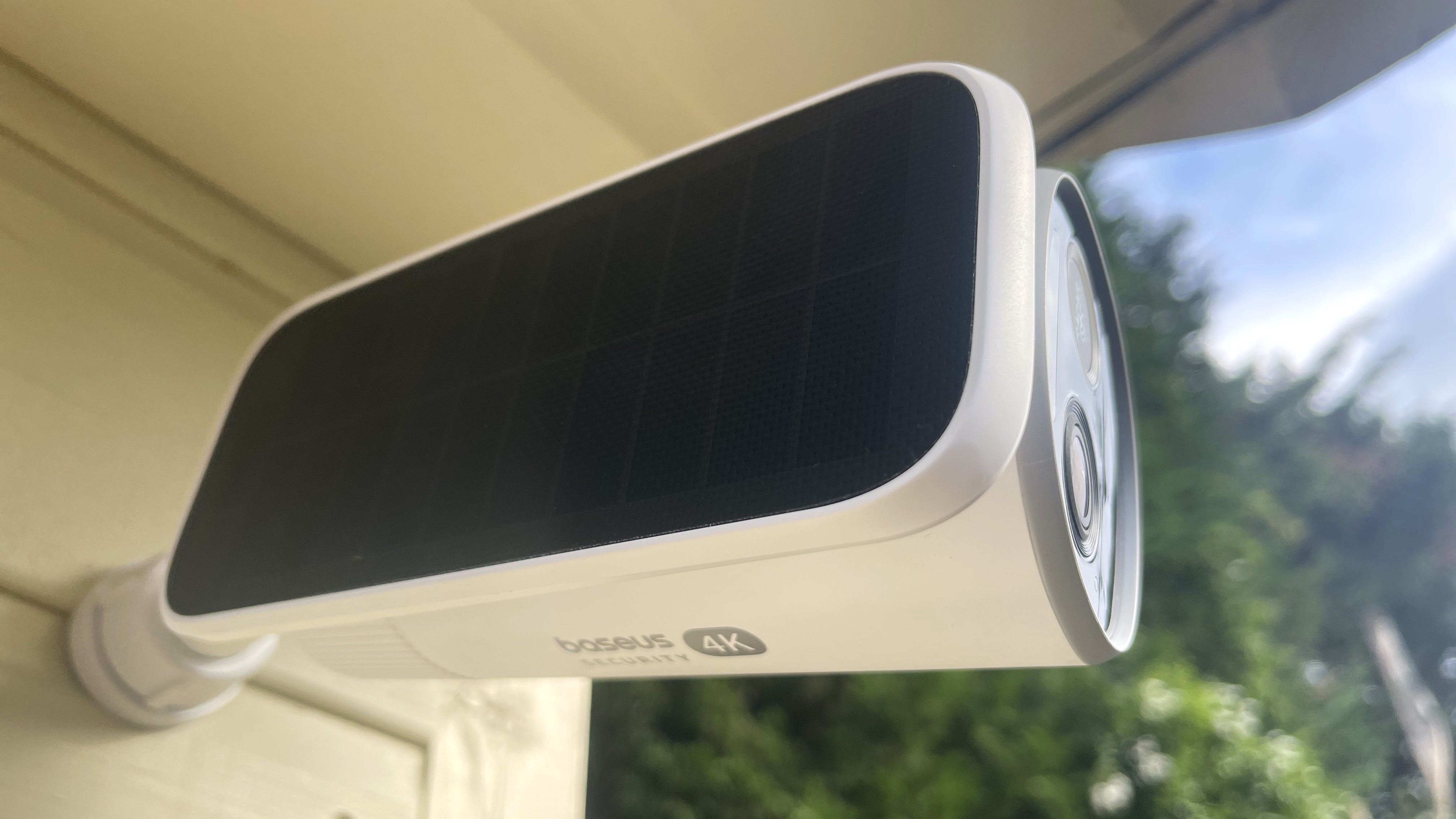
While 4K resolution (offered by models like the Reolink Altas PT Ultra and Baseus Security S2) provides unparalleled detail for identifying suspects, it comes at a cost. A 4K stream consumes approximately four times the bandwidth and storage space of a 1080p stream. For users relying on 4G/LTE connectivity (like the Eufy 4G LTE Cam S330), high-resolution settings can quickly exhaust data plans.
Storage Costs: The Long-Tail Expense
The financial implications of cloud storage are a major consideration for homeowners.
- Ring Protect Pro: Can cost upwards of $19.99/£15.99 per month. Over five years, this adds $1,200 to the total cost of ownership.
- Local Storage (MicroSD/USB): A high-end 256GB MicroSD card costs roughly $30 and involves no recurring fees. Brands like Blink (via the Sync Module 2) and TP-Link Tapo are leading the charge in providing these cost-effective alternatives.
Night Vision Capabilities
Monitoring doesn’t stop at sunset. There are now two primary technologies:
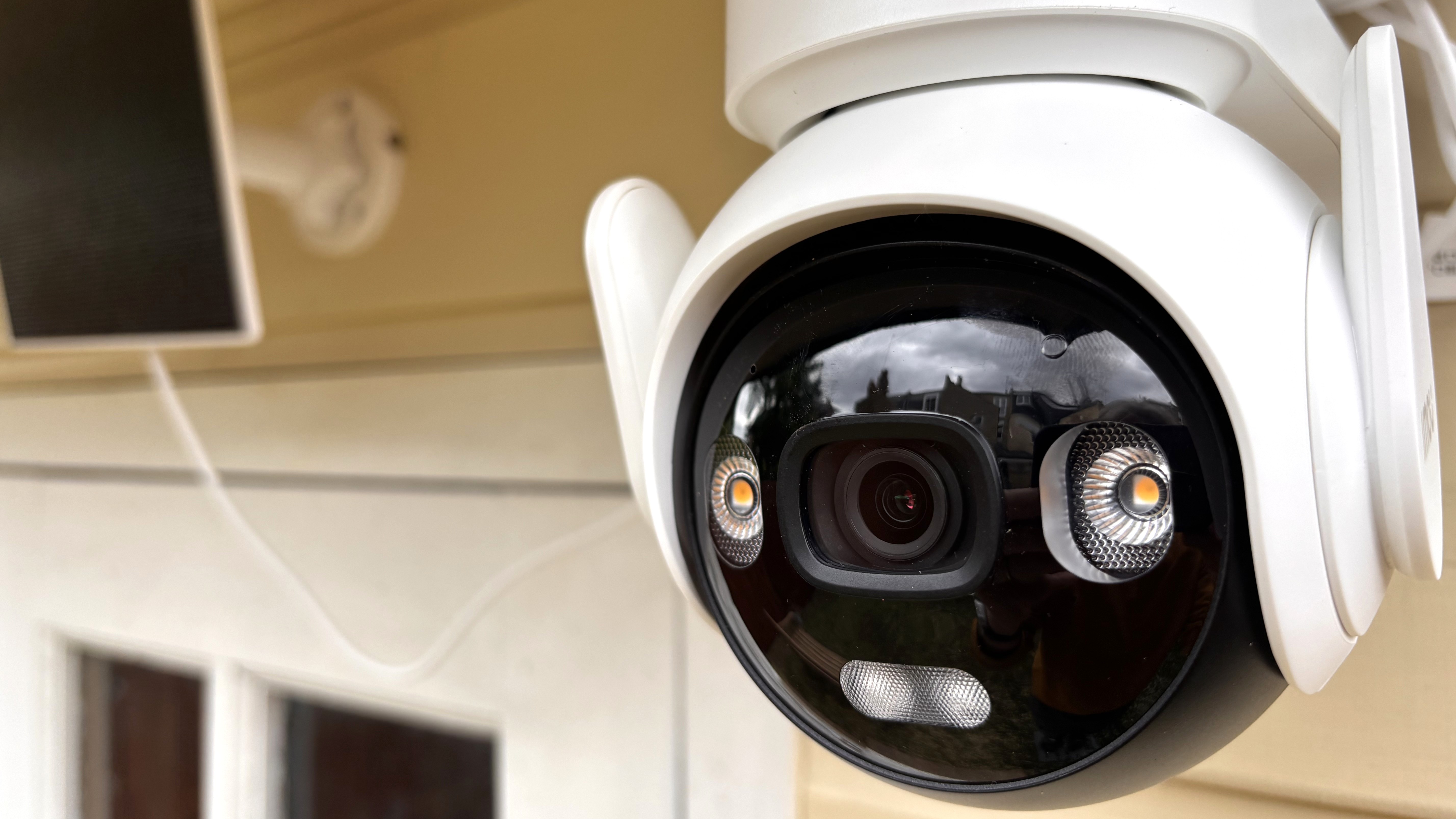
- Infrared (IR): Provides a discrete, monochrome image. It is invisible to the human eye, making the camera less obvious.
- Color Night Vision: Uses high-sensitivity sensors (like the Sony Starvis series) or integrated LED spotlights to produce full-color images in near-total darkness. This is superior for identifying the color of a getaway vehicle or an intruder’s clothing.
Official Responses and Industry Perspectives
The surge in DIY security has prompted responses from both manufacturers and law enforcement agencies.
Manufacturer Philosophy:
Companies like Aqara and Ring are increasingly focusing on "privacy-first" features. Aqara’s G410 Doorbell, for instance, includes a voice-masking feature. By allowing users to disguise their voice as a "robot" or "clown," the device provides a layer of anonymity for vulnerable residents, such as teenagers or individuals living alone, ensuring an intruder cannot determine the demographics of the occupants.
Law Enforcement Insights:
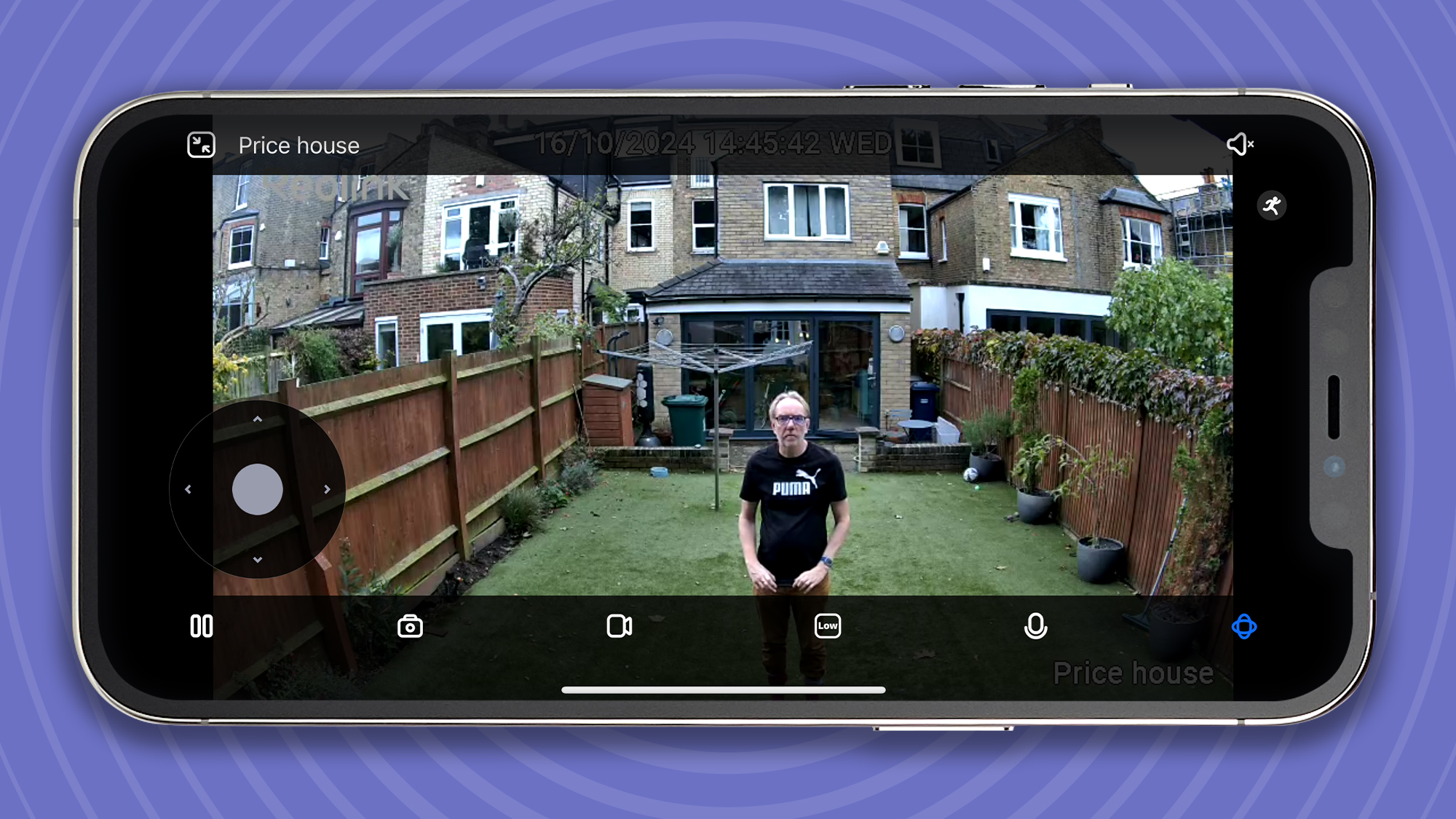
While police departments generally welcome the deterrent effect of visible cameras, they caution against "notification fatigue." Experts suggest that homeowners should optimize "motion detection zones" within their apps. By masking out public sidewalks or swaying trees, users ensure that the alerts they receive are actionable. A camera that "cries wolf" every time a car passes is a camera that will eventually be ignored by its owner.
Privacy Advocates:
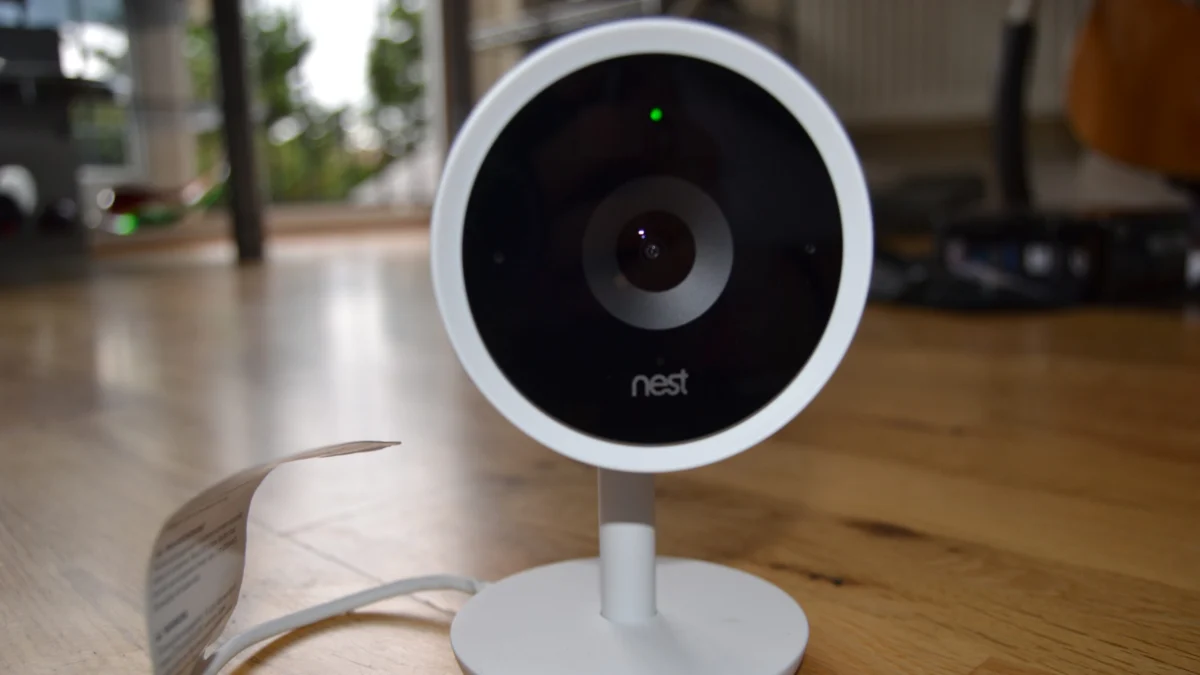
Privacy groups have raised concerns regarding the "surveillance creep" of residential cameras. The industry has responded by implementing end-to-end encryption (E2EE) and physical privacy shutters on indoor cameras, like the Nest Cam, which can be programmed to turn off automatically when the owner’s phone is detected at home via geofencing.
Implications: The Future of the Guarded Home
The implications of these technological shifts extend beyond simple theft prevention. We are moving toward a "Holistic Home Defense" model.
The Smart Home Ecosystem
The integration of security into the wider smart home is the next frontier. Through protocols like Z-Wave and Thread, a security camera is no longer an isolated device. In a modern setup, if an outdoor camera detects an intruder at 3:00 AM, it can simultaneously:
- Trigger the smart lighting system to flash all exterior and interior lights.
- Lock all smart deadbolts (Yale, Schlage).
- Broadcast a warning message through smart speakers (Alexa, Google Home).
- Send a high-priority "Critical Alert" to the owner’s smartphone, bypassing "Do Not Disturb" settings.
The Democratization of Deterrence
Perhaps the most significant implication is the shift in the "risk-to-reward" ratio for burglars. In the past, an intruder only had to worry about being seen by a neighbor. Today, they must contend with the high probability that their face, gait, and voice are being recorded in 4K and uploaded to an immutable cloud server in real-time.
Sustainability in Security
The move toward solar power (exemplified by the Baseus S2’s rotating solar panel) ensures that security remains functional even during power outages or in remote areas of a property where wiring is impossible. This sustainability makes comprehensive coverage—from the front gate to the back garden shed—a reality for the average homeowner.
Conclusion: Peace of Mind in a Pocket
Securing a home for the summer no longer requires boarding up windows or hiring private patrols. It requires a strategic blend of traditional physical security—locked windows and cleared mailboxes—and a thoughtful deployment of digital sentinels.
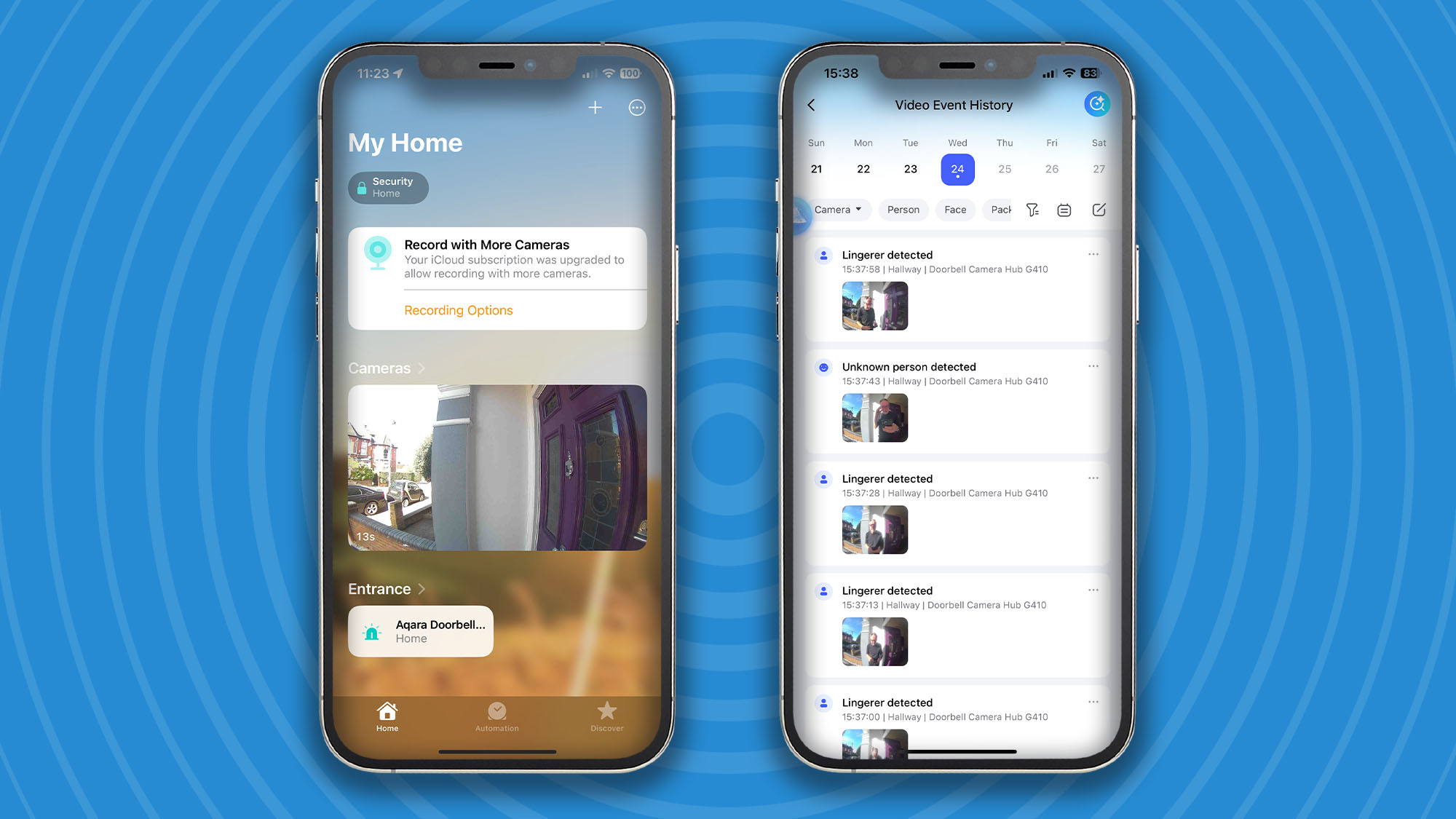
As technology continues to evolve, the barrier to entry for high-level home protection will continue to fall. For the modern traveler, the ultimate holiday luxury isn’t a five-star hotel or a secluded beach; it is the quiet confidence that comes from knowing their home remains a "well-guarded fortress," accessible and visible through a simple tap on a smartphone screen. In the battle against summer opportunism, the homeowner finally has the upper hand.