Preservation Through Design: Chris Kalb Honored with the 2026 Munsey Award
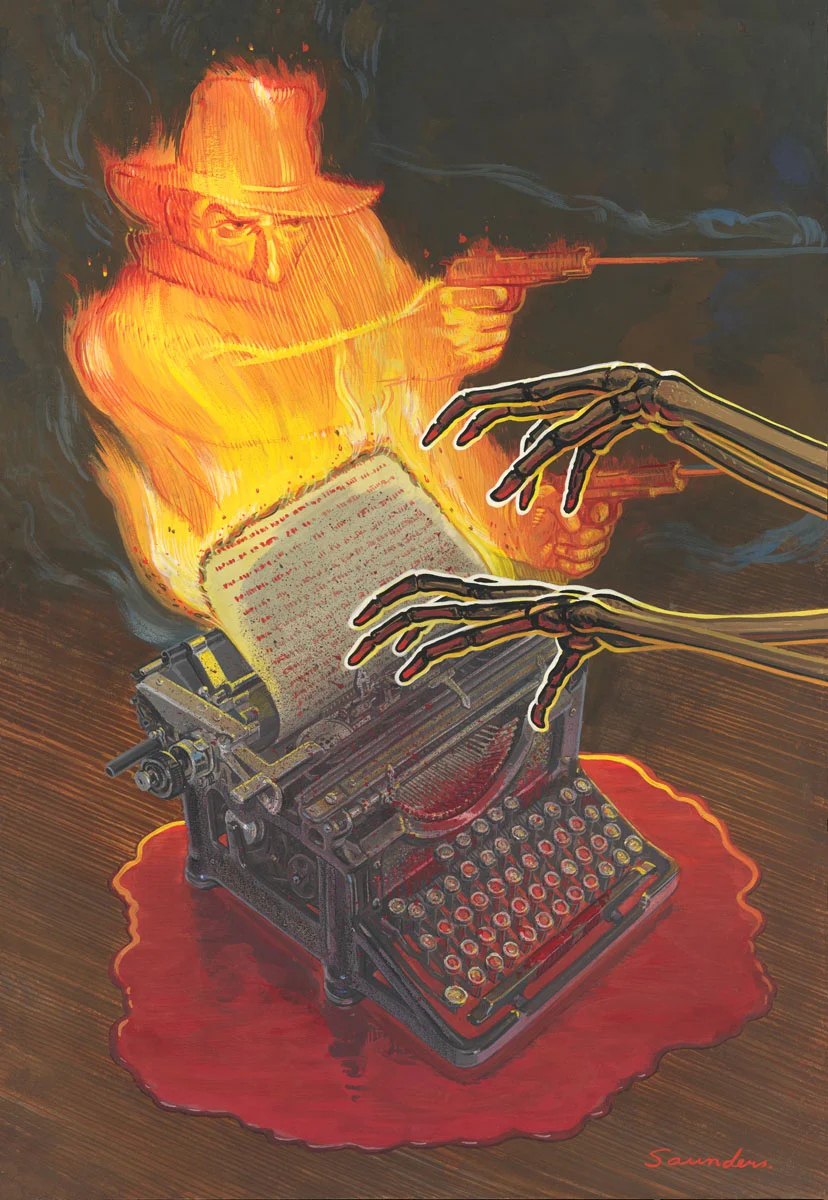
PITTSBURGH, PA — In a ceremony that celebrated the intersection of vintage aesthetic and modern digital preservation, Chris Kalb was officially named the recipient of the 2026 Munsey Award. The presentation took place on the evening of August 9 during PulpFest, the nation’s premier annual convention for fans and collectors of popular fiction and pulp magazines.
The Munsey Award, one of the most prestigious honors within the pulp community, recognizes individuals who have made significant contributions to the preservation, research, and revitalization of the "pulp" era—a period of American publishing that spanned from the late 19th century through the mid-20th century. Kalb, a freelance designer, illustrator, and historian, was selected by a distinguished committee comprised of all living recipients of the Lamont, Munsey, and Rusty Awards.
Main Facts: A Lifetime of Pulp Advocacy
The selection of Chris Kalb reflects a career dedicated to ensuring that the vibrant, often chaotic energy of the pulp era remains accessible to a 21st-century audience. Known for his meticulous eye for "retro-design," Kalb has bridged the gap between the fragile, yellowing pages of 1930s magazines and the high-definition requirements of the digital age.
The Munsey Award itself is named in honor of Frank A. Munsey, the publishing visionary who transformed The Argosy into the first pulp magazine in 1896 by switching to untrimmed, low-grade wood pulp paper to lower costs and increase accessibility for the working class. Like its namesake, the award seeks to honor those who ensure that the "rough paper" legacy continues to inspire new generations of writers, artists, and historians.
Kalb’s portfolio is expansive, ranging from his tenure as the Art Director of Sci Fi Magazine to his foundational work in establishing the visual identity of PulpFest itself. However, it is his work with hero pulps—the precursor to the modern superhero—that has earned him the most acclaim among his peers.
Chronology: The Evolution of a Pulp Visionary
To understand the impact of Chris Kalb’s work, one must trace the timeline of his involvement in the community, which spans several decades of technological and cultural shifts.
The Digital Dawn: 1990s – Early 2000s
Long before "digital archiving" was a standard practice, Kalb recognized the potential of the internet to house the sprawling histories of pulp heroes. He launched The 86th Floor, a definitive digital resource dedicated to Doc Savage (the "Man of Bronze"), and The Spider Returns, a site focused on the dark, vigilante justice of the Master of Men. These platforms were not merely repositories of text; they were designed with an aesthetic sensibility that mirrored the source material, helping to attract a younger demographic to a genre that was then largely the domain of older collectors.
The Age of Aces and Design Excellence: 2000s – 2010s
As the 2000s progressed, Kalb moved into the realm of professional book design for pulp reprint houses. He became the lead designer for Age of Aces Books, a publisher specializing in the "air war" fiction that was a staple of the pulp era. His ability to recreate the visceral, high-octane cover art and interior layouts of the 1930s garnered national attention.
In 2010, Kalb’s work reached a mainstream milestone. Age of Aces received two National Indie Excellence Awards for The Spider vs. The Empire State. Kalb’s design was cited as a primary factor in the book’s success, proving that pulp fiction, when packaged with modern professional standards, could compete on the national stage.
Community Leadership: 2015 – Present
Beyond his technical skills, Kalb has been a cornerstone of the pulp social fabric. As a leading member of New York’s Gotham Pulp Collectors Club, he has been instrumental in mentoring new enthusiasts. His role at PulpFest evolved from attendee to original website designer and, eventually, to a frequent presenter and panelist. His 2023 salute to The Spider remains a benchmark for scholarly yet engaging presentations at the convention.
Supporting Data: The Impact of "Retro-Design"
The committee’s decision to honor Kalb highlights a specific trend in the preservation community: the importance of visual context. While many archivists focus on the text, Kalb’s work emphasizes the experience of the pulp magazine.
Supporting data from independent publishers like Murania Press, where Kalb has provided design services, suggests that "retro-designed" editions—those that replicate the original typography, margins, and "feel" of the 1930s—see higher engagement among "New Pulp" readers than standard paperback reprints.
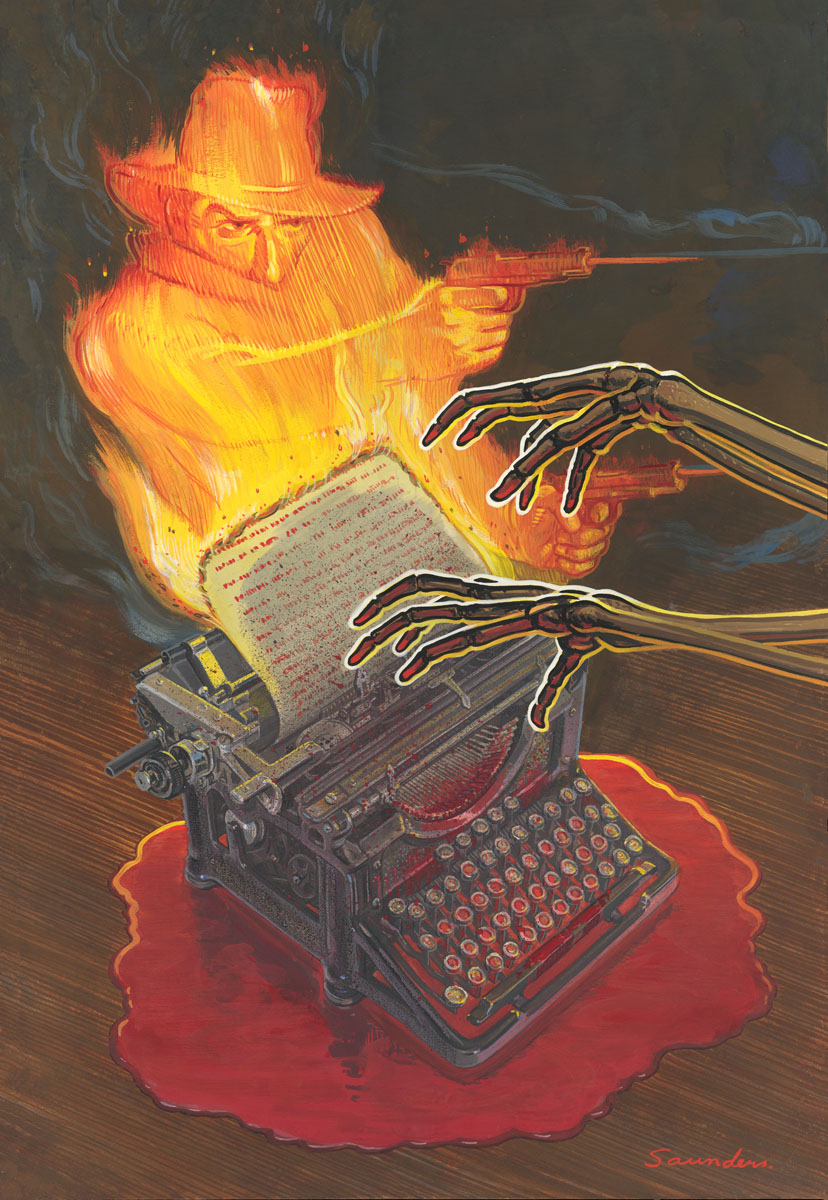
Furthermore, Kalb’s contributions to the Age of Aces catalog include over a dozen volumes that have helped keep the air-war subgenre alive. These publications often feature restored interior illustrations that would otherwise have been lost to time as the original magazines crumbled. His work ensures that the illustrations of artists like Frederick Blakeslee and Virgil Finlay are seen in a clarity that often exceeds their original 1930s printing.
Official Responses: The Committee Citation
The selection committee provided a detailed citation during the Pittsburgh ceremony, articulating why Kalb stood out among a field of highly qualified nominees. The statement read, in part:
"Chris is well-known in pulp circles for his hero pulp websites… ventures that have helped to attract people who are new to the pulps. There isn’t anyone out there making better use of all the new technology while still preserving the ‘oldness’ of pulps and popular culture. He has become the person to go to for publishers who want a retro-design for their books or website… Chris has been a PulpFest presenter and panelist several times, welcoming new members into a group of humorous, knowledgeable, and engaging personalities."
The committee specifically noted his ability to blend technical proficiency with a fan’s passion. By serving as the Art Director for Sci Fi Magazine, Kalb brought professional-grade design standards to the niche world of pulp collecting, elevating the entire field’s presentation.
Colleagues in the Gotham Pulp Collectors Club echoed these sentiments, describing Kalb as a "bridge-builder" who uses humor and design to make the intimidatingly vast history of pulp magazines feel accessible and fun.
Implications: The Future of Pulp Preservation
The awarding of the 2026 Munsey to Chris Kalb carries several implications for the future of the pulp community and the broader field of popular culture history.
1. The Professionalization of Fandom
Kalb’s win signals a recognition that the "betterment of the pulp community" involves more than just collecting; it involves professional-grade curation. As the original magazines continue to age and deteriorate, the role of the "re-designer" becomes critical. Kalb’s work provides a blueprint for how to digitize and reprint historical media without losing its soul.
2. Attracting New Generations
A recurring challenge for historical societies is the aging of their membership. The committee’s emphasis on Kalb’s websites—which "attract people who are new to the pulps"—suggests that the future of the genre depends on digital-first outreach. By maintaining high-quality web portals for characters like The Spider and Doc Savage, Kalb ensures that when a curious reader searches for the origins of modern heroes, they find a professional, engaging, and historically accurate resource.
3. The Aesthetic as History
Kalb’s career argues that the art and layout of the pulps are just as important as the stories themselves. In the mid-20th century, these magazines were often dismissed as "disposable" fiction. Kalb’s Munsey Award validates the idea that the visual language of the pulps—the bold headlines, the frantic cover art, and the unique advertising—is a vital part of American art history.
4. Strengthening the Network
By honoring a figure who is active in both the New York (Gotham) and national (PulpFest) scenes, the award strengthens the ties between regional clubs and national organizations. It highlights the importance of the "social" side of collecting—where knowledge is passed down through panels, dinners, and shared projects rather than just academic papers.
Conclusion
Chris Kalb’s receipt of the 2026 Munsey Award is a testament to the power of design in the service of history. In an era where physical media is increasingly fragile, Kalb has used the tools of the future to fortify the treasures of the past. As PulpFest 2026 concludes, the community looks forward to a new chapter where the "oldness" of the pulps is preserved not just in archival boxes, but in vibrant, accessible, and beautifully designed editions that honor the spirit of Frank A. Munsey’s original vision.