The Digital Impressionist: Jacob Holster and the Humanistic Frontier of AI Aesthetics
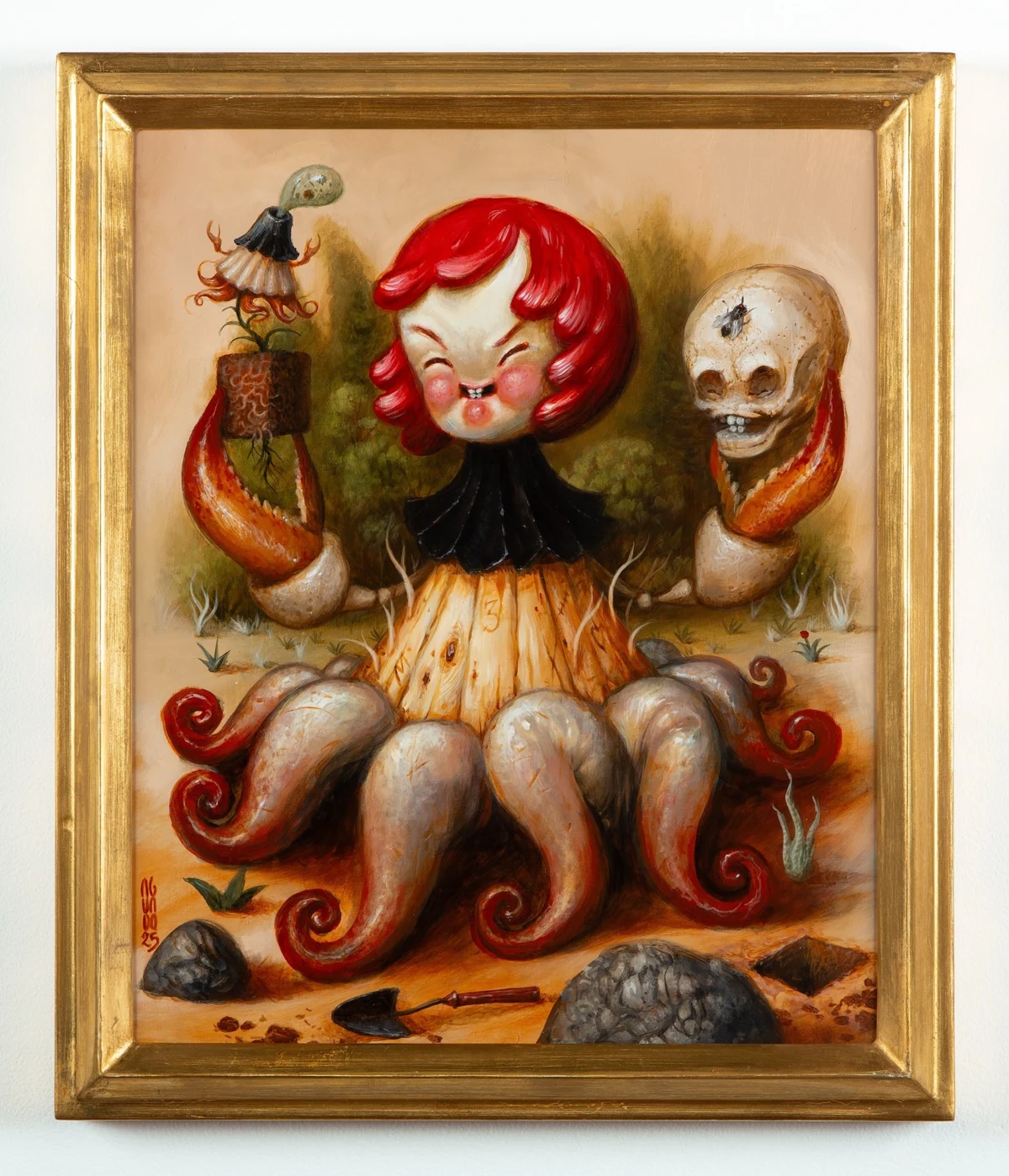
In an era where generative artificial intelligence is frequently criticized for its "plastic" sheen and clinical hyper-realism, a new vanguard of creators is emerging to reclaim the medium for the sake of fine art. At the forefront of this movement is Jacob Holster, an artist, filmmaker, and academic whose work—often shared under the moniker @bandyquantguy—challenges the prevailing aesthetics of the digital age. By blending the rigor of scholarly inquiry with a deeply textured, painterly visual language, Holster is redefining what it means to create "humanistic" art in a world increasingly mediated by algorithms.
The Convergence of Code and Canvas: Main Facts
Jacob Holster occupies a unique position in the contemporary art world. While many AI creators come from backgrounds in graphic design or computer science, Holster’s foundation is rooted in academia and music. Currently serving as an Assistant Teaching Professor of Music Education at Penn State University, his professional life is dedicated to the study of how humans learn, create, and interact with technology.
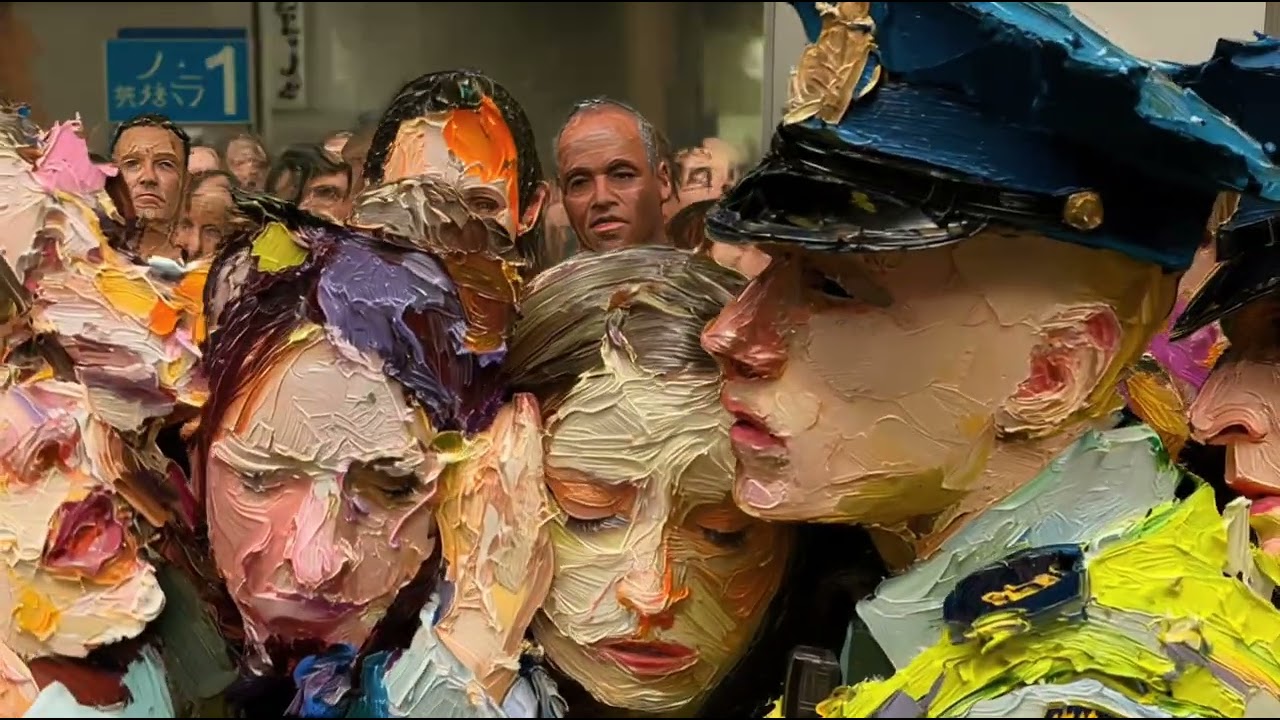
This academic background is not merely a biographical detail; it is the engine that drives his creative output. Holster’s work is characterized by a "painterly" aesthetic that eschews the sharp, often soulless edges of standard AI-generated imagery. Instead, his films and stills—such as the acclaimed Art Is Human Terrain and his Paint World series—utilize AI to simulate the tactile, imperfect qualities of traditional oil painting and analog film.

His presence on platforms like Instagram and YouTube has garnered attention not just for the visual beauty of his work, but for the conceptual depth behind it. Holster treats AI as a collaborative partner rather than a mere tool, exploring themes of consciousness, memory, and the "terrain" of human experience.
Chronology: From Music Education to AI Pioneer
The trajectory of Jacob Holster’s career reflects a broader shift in the creative industries over the last decade. To understand his current work, one must look at the evolution of his dual roles as an educator and an artist.
The Academic Foundation
Before the explosion of generative AI in the early 2020s, Holster’s work focused on the intersection of pedagogy and music. At Penn State, his research into music education naturally led him to investigate how emerging technologies could enhance or alter the learning process. This period established his interest in "generative" systems—though, at the time, these were more likely to be musical algorithms than visual ones.
The Shift to Visual Media
As tools like Midjourney, Stable Diffusion, and Runway began to democratize high-end visual production, Holster recognized an opportunity to apply his pedagogical theories to a new medium. By late 2022 and early 2023, he began experimenting with visual AI, but with a specific goal: to avoid the "AI look." He sought to replicate the warmth and depth he found in classical art and experimental cinema.
The "Paint World" Era
In 2024, Holster’s work reached a new level of maturity with the release of several short AI films, including Le Voyage (Paint World 28) and Recipe for Consciousness (Paint World 38). These works marked a definitive break from the hyper-realistic trend. They were not attempts to fool the eye into seeing reality; they were attempts to make the viewer feel the "brushstroke" of the machine.
Supporting Data: The Philosophy of "Human Terrain"
Holster’s work is underpinned by a specific philosophical framework that he calls "Human Terrain." This concept suggests that art is not merely a product of skill, but a map of human experience—a landscape of emotions, historical influences, and sensory perceptions.
Technical Approach and Texture
Unlike standard AI renders that prioritize high resolution and "clean" pixels, Holster’s work emphasizes:
- Impressionistic Blur: Utilizing motion and soft focus to evoke memory rather than direct observation.
- Chromatic Warmth: A color palette heavy in ochres, deep umbers, and organic blues, reminiscent of the Dutch Masters or the Impressionists.
- Grain and Noise: The intentional inclusion of digital "artifacts" that mimic the texture of canvas or the grain of 35mm film.
The Role of Music
As a professor of music education, Holster’s auditory choices are as critical as his visual ones. His films are often scored with ambient, evocative soundscapes that provide a rhythmic structure to the morphing AI visuals. This "synesthetic" approach—where sound and image are inextricably linked—is a hallmark of his academic research into how multi-sensory experiences affect human perception.
Official Context: The Academic and Institutional Perspective
Holster’s work at Penn State University provides a layer of institutional legitimacy to his artistic practice. As an Assistant Teaching Professor, he is at the center of the debate regarding AI’s role in the classroom.
AI and Pedagogy
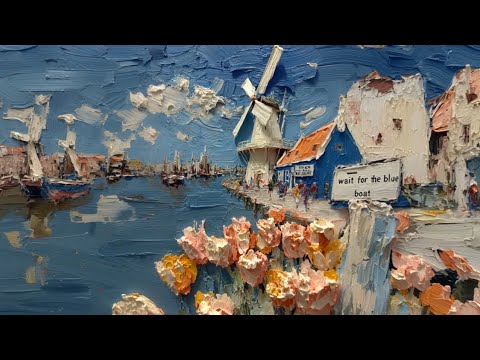
In various academic circles, Holster has advocated for a "human-centric" approach to AI education. He argues that the goal of teaching AI should not be to replace the artist’s hand, but to expand the artist’s "conceptual reach." His research examines how generative tools can be used as "scaffolding" for students, allowing them to explore complex narratives and visual styles that were previously locked behind years of technical training.
The "Art is Human Terrain" Manifesto
His film Art Is Human Terrain [Paint World 33] serves as a visual thesis for his academic work. It posits that while the machine generates the pixels, the "terrain"—the meaning, the intent, and the emotional resonance—is exclusively human. This distinction is vital in the current legal and ethical landscape of AI, where questions of authorship are paramount.
Critical Analysis: A Counter-Narrative to Digital Perfection
The reception of Holster’s work within the digital art community has been overwhelmingly positive, specifically because it offers an alternative to the "uncanny valley."
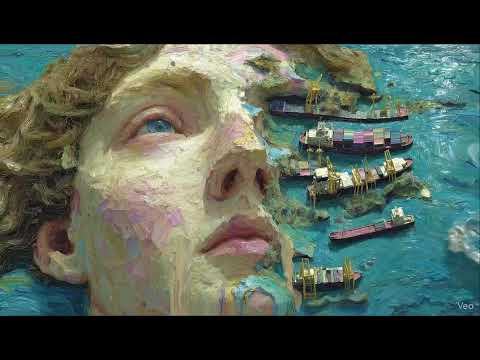
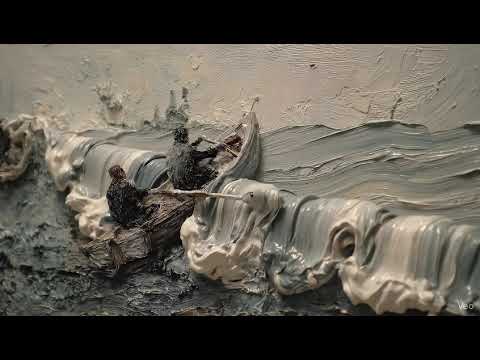
Critics have noted that much of AI art suffers from a "sameness"—a glossy, plastic quality that reveals its algorithmic origins. Holster’s work, by contrast, feels "weathered." In wait for the blue boat [Paint World 18], the movement of the water and the shifting light on the boat feel like a dream being remembered rather than a video being played.
This "dream-logic" is a significant contribution to the genre of AI Surrealism. By leaning into the "hallucinations" of AI rather than trying to suppress them, Holster creates a space where the machine’s errors become artistic flourishes. This is a sophisticated form of "glitch art" that has been elevated to the level of high-concept filmmaking.
Implications: The Future of the "Painterly" AI
The work of Jacob Holster has several long-term implications for the fields of art, education, and technology.
1. The Rejection of Hyper-Realism
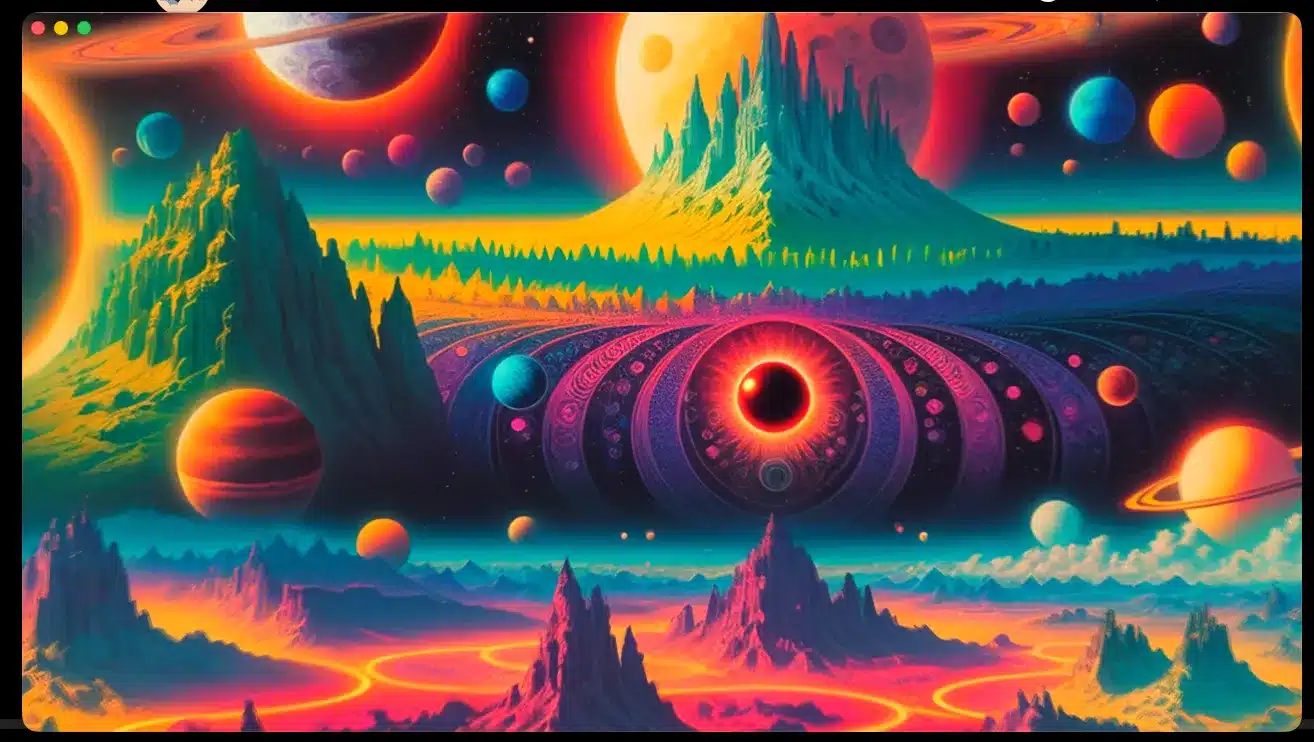
As AI becomes more capable of generating perfect photorealism, the value of that perfection will likely decrease. Holster’s success suggests that the future of digital art lies in expressionism—the ability to convey a mood or a feeling through stylization rather than accuracy. We are seeing a move toward "Digital Impressionism," where the artist’s unique "prompt-style" and post-production techniques become their signature, much like a painter’s brushwork.
2. The Hybridization of Roles
Holster represents the rise of the "Scholar-Artist." In the future, the most successful AI creators may not be those who only know how to code, but those who can bring deep knowledge of art history, music theory, and philosophy to the machine. The "prompt" is no longer just a string of keywords; it is an academic inquiry.
3. Redefining Artistic Sensibility
By branding his work as "Human Terrain," Holster is making a claim for the persistence of the human spirit in the age of automation. If technology is a medium, then Holster is proving that the medium does not have to be clinical. It can be warm, it can be textured, and it can be profoundly human.

Conclusion
Jacob Holster (@bandyquantguy) is more than just a social media creator; he is a vital voice in the conversation about the future of creativity. Through his work at Penn State and his evocative "Paint World" films, he demonstrates that AI is not a threat to the "human terrain" of art, but a new way to explore it. By prioritizing texture over clarity and emotion over precision, Holster reminds us that even in a world of code, the most important element remains the artist’s soul.
For those looking to explore the bleeding edge of AI aesthetics, Holster’s body of work serves as both a roadmap and a reassurance: the future of art is still, and will always be, human.