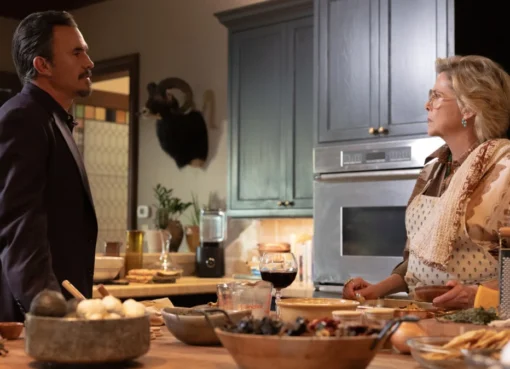
Headline: The Moral Decay of Westeros: Analyzing the Psychological Warfare and Taboo Narratives in House of the Dragon Season 3
Introduction: A Dance of Monsters and Martyrs
The narrative architecture of HBO’s House of the Dragon has always been built upon the crumbling foundations of familial loyalty and the corrosive nature of power. However, as the series progresses through its third season, the adaptation of George R.R. Martin’s Fire & Blood has veered into increasingly dark and psychologically fraught territory. The central conflict, known as the "Dance of the Dragons," has long been defined by its lack of "heroes" in the traditional sense. Instead, audiences are presented with a spectrum of moral failures, ranging from Rhaenyra Targaryen’s tactical blunders to the greens’ cold-blooded usurpation.
Season 3, Episode 7, titled "The Sowing of the Seeds," marks a pivotal and disturbing turning point in the series’ exploration of character psychology. By leaning heavily into the "Oedipal" undercurrents of Aemond Targaryen’s psyche and the manipulative witchcraft of Alys Rivers, the show has transcended mere political drama to become a gothic horror of the soul. The episode has sparked intense debate regarding the "likability" of its protagonists and the show’s willingness to utilize incestuous taboos as a tool for character deconstruction.
Main Facts: The Illusion at Harrenhal
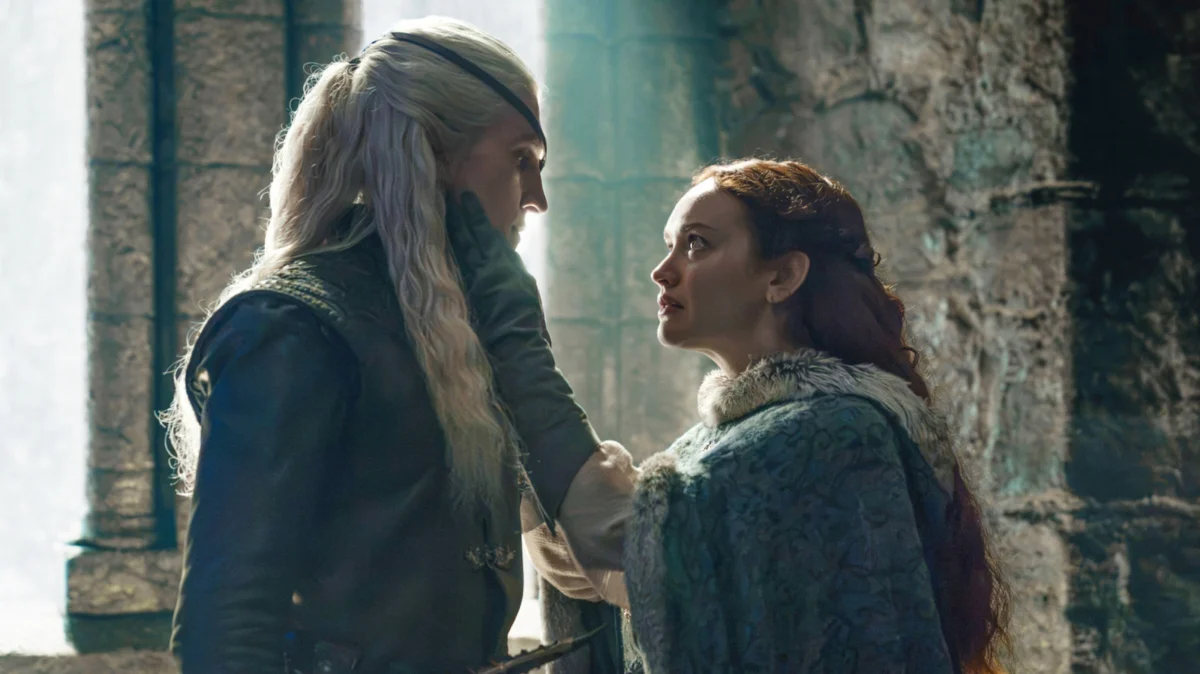
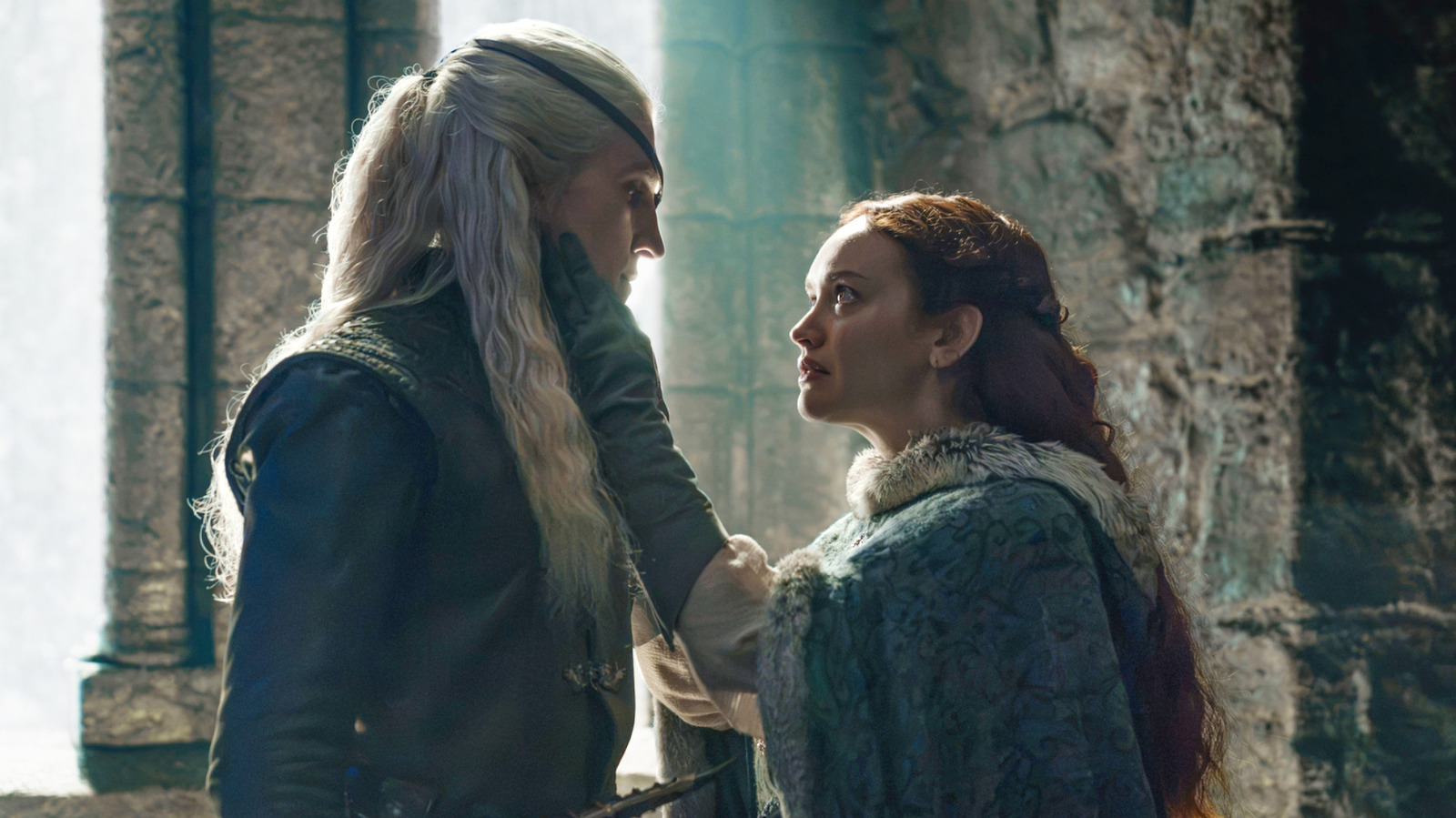
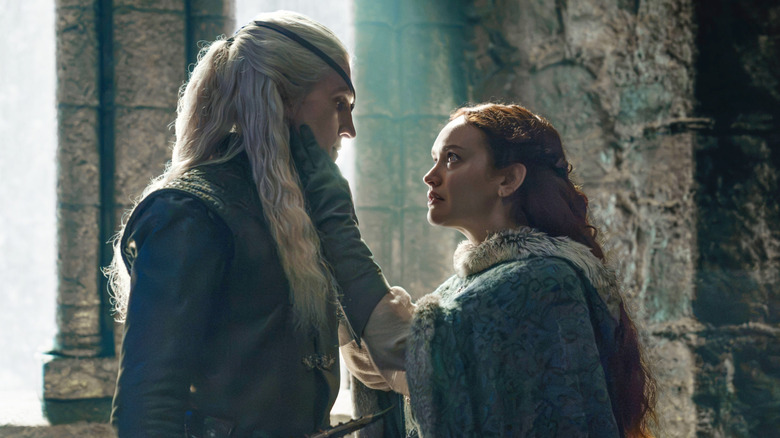
The most discussed sequence of Episode 7 involves Aemond Targaryen (Ewan Mitchell), the Prince Regent and current protector of the realm, who remains stationed at the cursed fortress of Harrenhal. In a sequence that blurs the lines between reality and nightmare, Aemond appears to engage in a sexual encounter with his mother, Alicent Hightower (Olivia Cooke).
The scene is revealed to be a supernatural "fake-out" orchestrated by Alys Rivers (Gayle Rankin), the mysterious healer and alleged wood-witch of Harrenhal. By using a "glamour" or a drug-induced hallucination, Alys assumes Alicent’s form to seduce Aemond. While the physical act occurs between Aemond and Alys, the psychological reality for Aemond is that he is seeking comfort in the arms of his mother.
This revelation serves several narrative purposes:
- Confirmation of Supernatural Agency: It confirms that Alys Rivers possesses potent magical abilities, likely tied to the weirwood trees and the "old gods."
- Aemond’s Vulnerability: It exposes Aemond’s deep-seated abandonment issues and his twisted fixation on his mother, whom he views as both a source of guilt and a symbol of the childhood he lost.
- Alys’s Ambition: It highlights Alys’s proactive role in the conflict, as she seeks to tie herself to the most powerful dragonrider in the world.
Chronology: The Deterioration of the Mother-Son Bond
To understand the weight of Episode 7, one must look at the trajectory of the Aemond-Alicent relationship throughout the series:
- Season 1: The Protector and the Protected. As a child, Aemond was the bullied second son. Alicent was his fiercest defender, famously demanding "an eye for an eye" when Lucerys Velaryon blinded him. This created a foundational bond of trauma and perceived debt.
- Season 2: The Shift in Power. Following the death of King Viserys and the accidental killing of Lucerys, Aemond’s transformation into a cold-blooded warrior began to alienate Alicent. Her attempts to restrain his impulses failed, culminating in Aemond’s deliberate incineration of his brother, King Aegon II, at Rook’s Rest.
- Season 3, Premiere: The Kiss. The season began with a highly controversial moment where Aemond kissed his mother—a gesture that sat uncomfortably between a son’s affection and a lover’s intimacy. It signaled that the power dynamic had shifted; Aemond no longer looked to Alicent for guidance, but for a specific kind of validation.
- Season 3, Episode 7: The Betrayal and the Hallucination. While Aemond is trapped in a cycle of Oedipal guilt at Harrenhal, Alicent is elsewhere, reaching a breaking point. Her secret meeting with Rhaenyra Targaryen reveals a stunning betrayal: Alicent agrees to allow Rhaenyra to execute Aemond to end the war. This creates a tragic irony—Aemond is hallucinating a physical union with the mother who has just signed his death warrant.
Supporting Data: The Lore of Alys Rivers and the "Oedipal" Trend
The character of Alys Rivers is one of the most enigmatic figures in Fire & Blood. In the text, she is described variously as a "woods witch," a "serving wench," and a "bastard of House Strong." Her motivations in the book are often obscured by the conflicting accounts of the fictional historians, but House of the Dragon has chosen to make her a primary antagonist of the mind.
The Supernatural Element:
The show suggests Alys is far older than she appears, possibly a contemporary of the early Targaryens. Her ability to manipulate Aemond’s visions mirrors the psychological torture she previously inflicted on Daemon Targaryen in Season 2. By targeting Aemond’s specific insecurities regarding his mother, she effectively "tames" the rider of Vhagar, the largest dragon in existence. Her goal, as hinted in previous episodes, is to secure her own legacy—potentially by bearing a child with Targaryen blood.
Thematic Trends in Modern Television:
The inclusion of incestuous subtext in House of the Dragon is not an isolated phenomenon in the current television landscape. Critics have noted that 2024–2026 has become an era of "Gothic Taboo" on screen. A prominent comparison is AMC’s Interview with the Vampire, which recently explored the toxic, codependent, and arguably incestuous bond between the vampire Lestat (Sam Reid) and his mother, Gabrielle (Jennifer Ehle). These narratives use the breaking of the ultimate social taboo to illustrate characters who have moved beyond the reach of human law and morality.
Official Responses and Critical Reception
The reception to the Aemond-Alicent storyline has been polarizing. While some fans praise the show for its fearless exploration of the "Targaryen madness," others find the deviation from the source material to be gratuitous.
The "Likability" Debate:
Showrunner Ryan Condal and the writing staff have frequently stated that House of the Dragon is a tragedy where every character is "the hero of their own story." However, Episode 7 has pushed this to the limit. Rhaenyra’s willingness to sacrifice low-born "dragonseeds" in the "Sowing" (the brutal trial of claiming dragons) has alienated viewers who previously saw her as the "moral" choice.
Regarding Aemond, Ewan Mitchell has discussed in interviews how his character is driven by a profound sense of loneliness. The "Oedipal" angle, while disturbing, provides a psychological explanation for why a man who possesses the ultimate weapon (Vhagar) still feels like a small, vulnerable child.
Critical Analysis:
Journalists have noted that the show is intentionally stripping away the audience’s ability to "root" for either side. By making the greens (Alicent/Aemond) a den of incestuous trauma and the blacks (Rhaenyra) a regime of cold pragmatism, the series forces the viewer to focus on the cost of war rather than the victory of a specific faction.
Implications: The Endgame of the Dance
The events of Episode 7 set the stage for a catastrophic finale to Season 3 and a bloody transition into Season 4.
- The Fracture of Team Green: Alicent’s decision to sacrifice Aemond marks the total collapse of the Green Council’s internal logic. If the mother of the King and the Regent is willing to sell out her own blood, the cause is effectively dead, even if the dragons are still flying.
- The Rise of Alys Rivers: Alys is no longer just a side character at Harrenhal; she is the "Queen of Shadows" who holds the leash of the realm’s most dangerous man. Her influence over Aemond ensures that his future actions will be guided by visions and madness rather than military strategy.
- The Cycle of Violence: The "Sowing of the Seeds" has given Rhaenyra new dragonriders (Hugh Hammer and Ulf the White), but it has also introduced volatile new players into the game. Just as Aemond is being corrupted by his own psyche, Rhaenyra’s new army is built on the bodies of those she deemed expendable.
Conclusion
"House of the Dragon" Season 3, Episode 7, is a masterclass in discomfort. By weaponizing the Freudian nightmares of its characters, the show ensures that the "Dance of the Dragons" is not just a war of fire and steel, but a war of psychological attrition. As Aemond Targaryen sinks deeper into the illusions of Alys Rivers, the show reminds us that in Westeros, the most dangerous monsters are not the dragons in the sky, but the ones residing in the human heart. The Aemond-Alicent storyline, while "worse" in terms of moral depravity, is a necessary step in illustrating the total disintegration of the Targaryen dynasty.