The "Turbo" Effect: How a 2013 Animated Underdog Became Netflix’s Unlikely 2026 Powerhouse

Thirteen years after its initial theatrical debut, the DreamWorks Animation feature Turbo has defied the typical lifecycle of a mid-tier animated film by surging into the global spotlight once again. In a development that highlights the shifting dynamics of the streaming era, the Ryan Reynolds and Samuel L. Jackson-led sports comedy has secured a prominent position on Netflix’s most-watched charts for the summer of 2026.
The film’s resurgence is not merely a statistical anomaly but a testament to the "long-tail" value of high-concept animation and the enduring star power of its lead voice actors. As of the final week of June 2026, Turbo has claimed the number eight spot on the English-language film charts, signaling a fascinating trend where legacy content frequently outshines contemporary releases.
Main Facts: The Unexpected Velocity of a Legacy Title
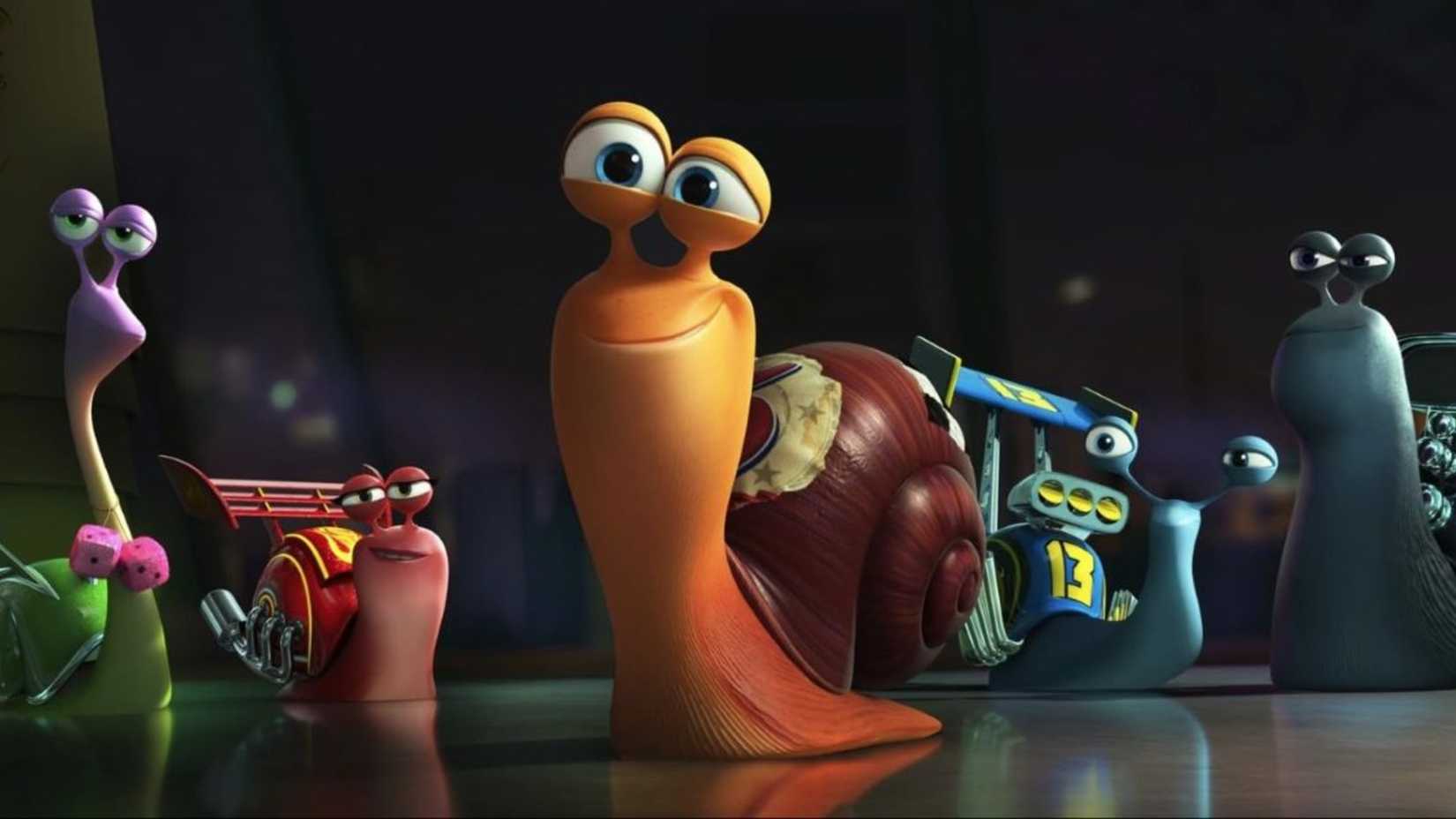
The primary driver of this recent news cycle is the official data released by Netflix for the week of June 22–28, 2026. Turbo, which follows the journey of Theo (a garden snail who gains the power of super-speed), has successfully penetrated the Top 10, outperforming several big-budget acquisitions and original productions.
Several factors have coalesced to drive this renewed interest:
- The Reynolds-Jackson Synergy: The film features Ryan Reynolds as the titular Theo/Turbo and Samuel L. Jackson as the charismatic snail leader, Whiplash. Both actors have seen their profiles reach stratospheric heights in the decade since the film’s release, primarily through their dominant roles in the Marvel Cinematic Universe (MCU).
- Algorithm-Driven Discovery: Netflix’s recommendation engine has increasingly prioritized "comfort watches" and family-friendly legacy content, pushing Turbo into the feeds of a new generation of viewers.
- The "Bee Movie" Precedent: Turbo is not the only older film to see a spike; it follows a similar pattern established by DreamWorks’ Bee Movie, which saw its own viral resurgence earlier in June 2026.
Chronology: From 2013 Box Office to 2026 Streaming Dominance
To understand the significance of this revival, one must look at the timeline of the film’s existence and the evolving careers of its stars.

2013: The Initial Launch
When Turbo was released in July 2013, it was positioned as a high-stakes original IP for DreamWorks Animation. Produced on a budget of approximately $135 million, the film was a modest success, grossing $282.6 million worldwide. While it didn’t reach the heights of Shrek or Kung Fu Panda, it was praised for its vibrant animation and its unique "underdog" premise—a snail competing in the Indianapolis 500.
2014–2016: The Netflix Partnership
The relationship between Turbo and Netflix is actually a historic one. In 2013, Netflix and DreamWorks signed a landmark deal to produce original content, leading to Turbo FAST (Fast Action Stunt Team). This series was one of Netflix’s first major forays into original children’s programming, creating a foundational presence for the IP on the platform that would pay dividends a decade later.
2019–2025: The Rise of the Super-Star Voice Cast
During this period, Ryan Reynolds transitioned from a versatile actor to a global brand, largely due to the Deadpool franchise. Simultaneously, Samuel L. Jackson’s Nick Fury became the glue of the MCU. As these actors became more synonymous with blockbuster entertainment, their back catalogs—including their voice work—became "discoverable" assets for fans exploring streaming libraries.
June 2026: The Chart Breakthrough
In the third week of June 2026, Turbo began appearing in the "Trending Now" sections across North America and Europe. By June 28, it had officially entered the Top 10, a rare feat for a non-franchise animated film that is over a decade old.
Supporting Data: Analyzing the Streaming Metrics
The data provided by Netflix’s "Tudum" metrics site offers a granular look at how Turbo achieved its current status. During the week of June 22–28, the film garnered millions of hours viewed, a metric that combines both nostalgic rewatches by adults (now in their 20s and 30s) and first-time viewings by children.

| Metric | Detail |
|---|---|
| Global Rank | #8 (English Films) |
| Weeks in Top 10 | 1 (in the 2026 cycle) |
| Primary Demographic | Household/Family Accounts |
| Co-occurrence | High overlap with Bee Movie and The Bad Guys |
Industry analysts point out that animated films often have a "renewal cycle" every 7 to 10 years as a new "crop" of children reaches the target viewing age. However, Turbo’s success is bolstered by the "Reynolds Effect." Data suggests that films featuring Ryan Reynolds see a 15-20% higher click-through rate on streaming thumbnails compared to similar titles without A-list branding.
Official Responses and Industry Perspectives
While Netflix rarely issues detailed statements on individual catalog titles, internal sources suggest the platform is increasingly looking at "catalog revitalization" as a core strategy. A Netflix content analyst, speaking on the condition of anonymity, noted: "We are seeing that the ‘star power’ of a voice cast is becoming a primary search filter. When users see Ryan Reynolds and Samuel L. Jackson in the credits, there is an immediate trust factor, regardless of when the movie was made."
DreamWorks Animation has also taken note. Though no official sequel has been announced, the studio has been active in promoting its "Legacy Collection" on social media platforms like TikTok and Instagram. Short clips of Samuel L. Jackson’s character, Whiplash, giving motivational speeches have recently gone viral, further fueling the film’s visibility.
The Indianapolis Motor Speedway, which collaborated with the film in 2013, also acknowledged the trend. A spokesperson for the track noted, "It’s wonderful to see Turbo introducing the thrill of the Indy 500 to a new generation. The film remains a colorful, high-energy gateway to the world of racing."
Implications: The Future of the "Streaming Second Life"
The resurgence of Turbo carries significant implications for the future of the entertainment industry and the way studios manage their libraries.
1. The End of the "Dead" Catalog
The success of Turbo proves that no film is truly "retired" in the streaming age. For studios, this means that the value of an intellectual property can fluctuate and increase over time, depending on the career trajectories of its stars or shifts in cultural memes. We are moving toward a "liquid library" model where data-driven curation can breathe life into dormant assets.
2. Casting for Longevity
Casting directors are increasingly considering the "streaming tail" of a project. Hiring A-list talent like Reynolds and Jackson for an animated film might be expensive upfront, but the long-term marketing value—where their names continue to draw viewers 13 years later—offers a significant return on investment that goes beyond the initial box office.
3. The Shift in Children’s Programming
For parents, the availability of high-quality legacy animation on Netflix provides a "safe harbor" of content. As the cost of producing new, high-end animation rises, platforms may lean more heavily on these proven winners. Turbo offers a blend of humor that appeals to parents and high-octane visuals for children, making it the perfect "co-viewing" candidate.
4. Potential for Reboots and Sequels
Historically, a film’s performance in its first six months determined its franchise potential. In 2026, the metrics have changed. If Turbo continues to perform at this level, it wouldn’t be surprising to see Netflix or DreamWorks explore a "legacy sequel" or a high-budget series reboot. The data provides a low-risk roadmap for what audiences actually want to see.
Conclusion: A Snail’s Pace to the Finish Line
The story of Turbo in 2026 is a reminder that in the digital landscape, speed isn’t everything—persistence is. While the film may have been a "garden-variety" success in 2013, its transformation into a streaming powerhouse a decade later highlights the unpredictable and delightful nature of modern media consumption.
As Ryan Reynolds and Samuel L. Jackson continue to dominate the live-action box office, their animated counterparts Theo and Whiplash are proving that they can still hold their own on the digital track. For Netflix, Turbo is more than just a movie about a fast snail; it is a prime example of how the right cast, the right algorithm, and the right dose of nostalgia can create a winning formula long after the initial race has ended.