The Visual Future of Audio: Decoding Apple’s Ambitious Roadmap for AirPods and AI Integration
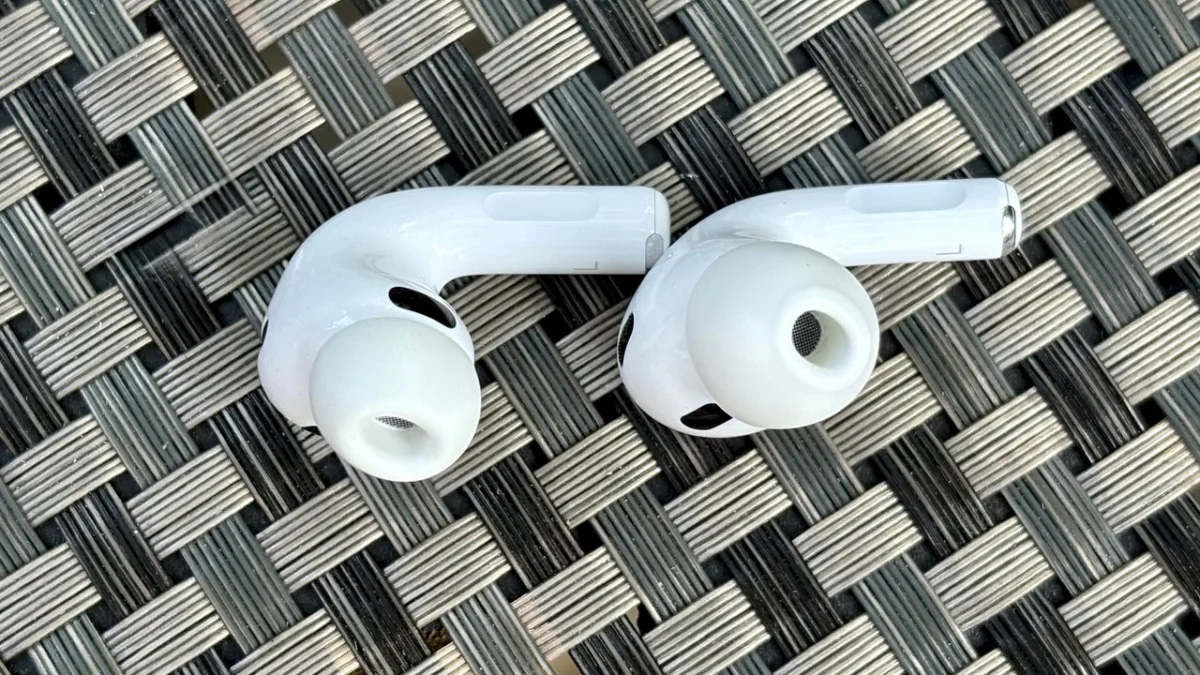
The landscape of personal audio is on the precipice of a paradigm shift. For nearly a decade, Apple’s AirPods have defined the true wireless stereo (TWS) category, evolving from a controversial design choice into a ubiquitous cultural phenomenon. However, according to the latest industry intelligence, the next phase of AirPods evolution will move beyond high-fidelity sound and noise cancellation, venturing into the realms of computer vision and multimodal artificial intelligence.
Recent reports from Bloomberg’s Mark Gurman, a seasoned chronicler of Apple’s internal developments, suggest that the Cupertino giant is currently developing two distinct AirPods milestones. While a mystery model is slated for a 2026 release, the most provocative rumors center on a 2027 flagship featuring integrated "tiny AI cameras." This development signals Apple’s intent to transform the world’s most popular earbuds into a sophisticated wearable sensor platform, though the path to consumer acceptance remains fraught with technical and ethical hurdles.
Main Facts: The Dual-Track Development Strategy
Apple’s roadmap for its audio wearables appears to be splitting into two distinct trajectories: iterative refinement and radical innovation.
The 2026 "Mystery" Model
Information regarding the 2026 release remains guarded. Industry analysts speculate that this could represent the third generation of the AirPods Pro or perhaps a significant overhaul of the standard AirPods line. Given that the AirPods Max recently received a minor refresh (largely limited to USB-C charging and new colorways), a complete "Max 2" overhaul in 2026 is also a statistical possibility, though less certain. The 2026 release is expected to coincide with the launch of the iPhone 18, maintaining Apple’s tradition of ecosystem-wide hardware synergy.
The 2027 AI Camera Integration
The more ambitious project, targeted for 2027, involves equipping AirPods with low-resolution infrared cameras. These sensors are not intended for photography in the traditional sense; rather, they are designed to provide "eyes" for Apple Intelligence, the company’s suite of AI tools. By allowing an AI assistant to see what the user sees, Apple hopes to provide contextual information, navigation assistance, and enhanced spatial awareness without the need for bulky head-mounted displays.
The Role of Apple Intelligence
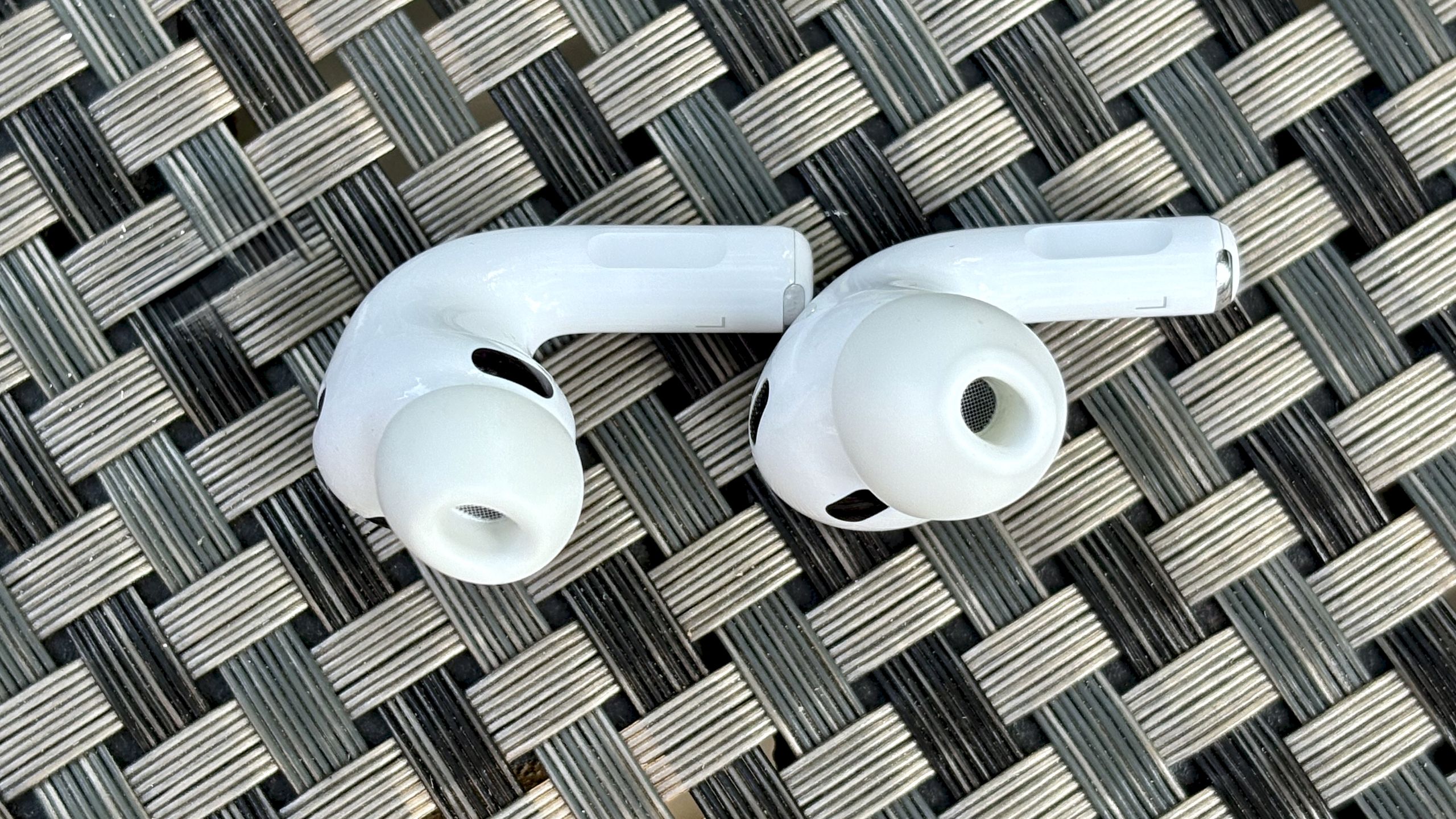
The core driver behind these hardware updates is the aggressive push into ambient computing. Apple is betting that the next generation of digital assistants will require multimodal input—audio, touch, and vision—to be truly useful. AirPods with cameras would allow Siri to identify landmarks, read menus, or provide real-time instructions based on the user’s immediate environment.
Chronology: The Evolution of the AirPods Ecosystem
To understand where Apple is going, it is essential to trace the trajectory of the AirPods line from its inception to the current rumors.
- September 2016: Apple unveils the original AirPods alongside the iPhone 7, famously removing the 3.5mm headphone jack. The move is initially met with skepticism but eventually triggers a global shift toward TWS earbuds.
- March 2019: The second-generation AirPods arrive with the H1 chip, enabling "Hey Siri" functionality and faster switching between devices.
- October 2019: AirPods Pro are introduced, bringing Active Noise Cancellation (ANC) and a customizable fit to the lineup, cementing Apple’s dominance in the premium audio space.
- December 2020: Apple expands the brand with AirPods Max, a high-end over-ear entry that focuses on computational audio and premium materials.
- September 2022: AirPods Pro (2nd Generation) launch with the H2 chip, offering significantly improved ANC and "Transparency Mode" refinements.
- Late 2024: Apple refreshes the standard lineup with AirPods 4 and adds USB-C to the AirPods Max.
- 2026 (Projected): Expected launch of a new AirPods model, likely focused on health sensors (such as body temperature or heart rate monitoring) and improved battery efficiency.
- 2027 (Projected): The anticipated debut of "AirPods Vision" (tentative name), featuring the rumored AI camera modules and deep integration with the Vision Pro ecosystem.
Supporting Data: Technical Hurdles and Market Context
The concept of putting cameras in earbuds is not merely a design challenge; it is an engineering feat that pushes the boundaries of current physics and data processing.
Thermal and Battery Constraints
The primary challenge in miniaturizing cameras for AirPods is thermal management. Standard camera sensors generate significant heat during operation. In the cramped enclosure of an earbud, which also houses a battery and a high-performance audio driver, dissipating this heat is a major obstacle. Furthermore, constant visual processing would place a massive drain on the small lithium-ion batteries found in AirPods, necessitating breakthroughs in low-power sensor technology.
The Infrared Solution
Reports suggest Apple may utilize infrared (IR) sensors rather than traditional RGB cameras. IR sensors are generally more power-efficient and better suited for "seeing" shapes and movements rather than capturing high-resolution color images. This technology is already mastered by Apple; the FaceID array on iPhones uses similar IR components to map facial features. Repurposing this tech for AirPods would allow the device to track the user’s surroundings and hand gestures with minimal power draw.
Market Competition: The Meta Factor
Apple is not operating in a vacuum. Meta (formerly Facebook) has already found surprise success with its Ray-Ban Meta Smart Glasses. These glasses feature cameras and AI that can identify objects and translate text in real-time. Apple’s rumored AirPods with cameras represent a direct response to this "smart wearable" trend, offering a more discreet alternative for users who do not want to wear glasses but still desire AI-augmented vision.
Official Responses and Industry Silence
As is standard practice, Apple has maintained a strict "no comment" policy regarding future product roadmaps. The company rarely acknowledges rumors until Tim Cook takes the stage at a keynote event. However, secondary indicators provide a glimpse into the company’s direction.
The Beats Anomaly
Apple’s subsidiary, Beats by Dre, has recently been the subject of intense speculation. During the FIFA World Cup and other high-profile sporting events, athletes have been spotted wearing unreleased Beats over-ear headphones. When pressed for details, Beats representatives have remained tight-lipped, though the proximity of these sightings to the AirPods rumors suggests that Apple may be testing new sensor arrays or form factors under the Beats brand before integrating them into the flagship AirPods line.
Developer Insights
Internal shifts in Apple’s software development kits (SDKs) show an increasing emphasis on "Spatial Audio" and "External Visual Context." Developers working within the Apple ecosystem have noted that recent updates to ARKit and the Apple Intelligence framework are increasingly geared toward processing environmental data from wearable devices, further corroborating the hardware rumors.
Implications: Privacy, Utility, and the "Creep Factor"
The prospect of cameras in AirPods raises significant questions about the future of privacy and the social contract of technology.
The Privacy Paradox
Apple has long marketed itself as the "privacy-first" tech giant. Introducing a device that is essentially a head-mounted, always-on camera presents a branding challenge. Unlike smart glasses, which have a visible lens on the frame, camera-equipped AirPods could be virtually indistinguishable from standard earbuds. This leads to concerns about "surreptitious recording" and the erosion of privacy in public spaces. Apple will likely need to implement hardware-level safeguards—such as prominent LED indicators—to signal when the sensors are active.
The "Smarter Siri" Requirement
For consumers to accept cameras in their ears, the utility must be undeniable. A "slightly better Siri" is unlikely to justify the premium price and privacy concerns. The 2027 AirPods must offer transformative features, such as:
- Live Translation with Visual Context: Translating a menu just by looking at it and hearing the audio in your ear.
- Enhanced Accessibility: Assisting the visually impaired by describing the world around them in real-time.
- Vision Pro Integration: Acting as satellite sensors for the Vision Pro headset to improve spatial tracking and hand-gesture recognition.
The Future of Ambient Computing
Ultimately, the 2026 and 2027 AirPods models represent Apple’s move toward "ambient computing"—a world where technology is always present but rarely seen. By moving sensors from the pocket (the iPhone) to the head (AirPods/Vision Pro), Apple is attempting to create a more seamless interface between the digital and physical worlds.
Whether the public is ready for "eyes" in their ears remains to be seen. If Apple can overcome the technical hurdles of battery life and heat, and the social hurdles of privacy and aesthetics, the 2027 AirPods could be as revolutionary as the original model was in 2016. Until then, the tech world waits for 2026 to see the first glimpse of this visual future.