A New Vision for the Galaxy: Unpacking The Ninth Jedi Spin-Off Series
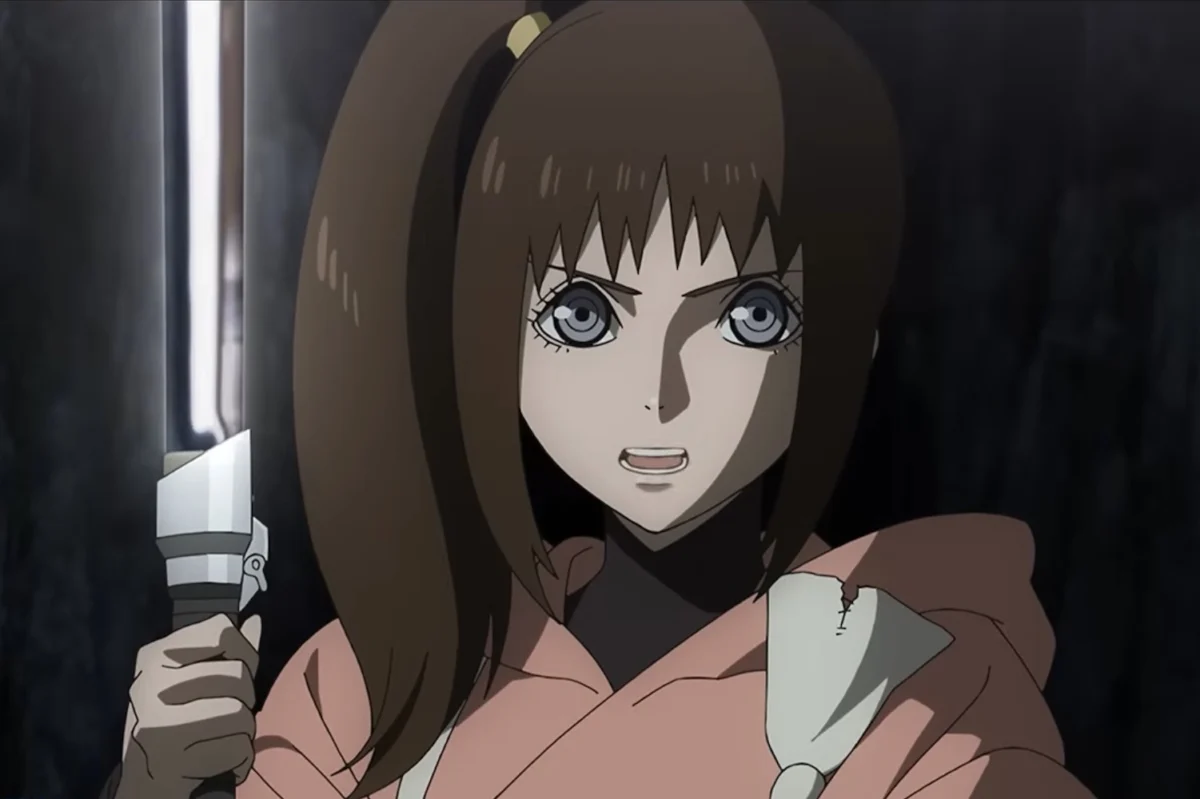
The sprawling Star Wars universe, known for its epic sagas and iconic characters, is once again pushing its boundaries with the imminent release of The Ninth Jedi. This animated series marks a significant milestone: it is the very first direct spin-off from the critically acclaimed anthology series, Star Wars: Visions. Departing from the traditional episodic format of its predecessor, The Ninth Jedi promises a deeper dive into a galaxy grappling with the aftermath of profound loss, focusing on a desperate quest for revival and self-discovery. Slated to premiere on Disney+ on August 5th, this new chapter is poised to captivate audiences with its unique narrative and stunning animation, while expanding the creative canvas of Star Wars storytelling.
Main Facts: A New Dawn in the Galaxy Far, Far Away
The Ninth Jedi emerges as a groundbreaking endeavor for Lucasfilm, transitioning from the experimental, self-contained narratives of Star Wars: Visions into a full-fledged serialized story. The series is a direct continuation and expansion of the standout short film, "The Ninth Jedi," from Visions‘ inaugural season. While the original short was lauded for its innovative take on lightsaber lore and a galaxy in disarray, this spin-off aims to flesh out that intriguing premise into a compelling multi-episode arc.
The core narrative is set in a tumultuous era where the foundational pillars of the galaxy – the Jedi and the Sith – have vanished, leaving behind a void filled with conflict and chaos. At the heart of this struggle is Lah Kara, a determined protagonist whose missing father was not only a powerful Jedi but also a master crafter of lightsabers with an extraordinary property: they react to the very heart of their user. This unique mechanic promises to add a deeply personal and spiritual dimension to the iconic weapon. Lah Kara embarks on an "epic journey of self-discovery," training under the enigmatic Margrave Juro alongside a small fellowship of aspiring Jedi. Their ultimate quest is to locate and rescue Lah Kara’s father, a mission that intertwines personal stakes with the potential restoration of a lost order.
Adding to its appeal and accessibility, Lucasfilm has ensured that The Ninth Jedi will be available in both its original Japanese language version and an English-language dub, featuring an impressive array of voice talent from both industries. The series is directed by Shunsuke Tada and penned by Mitsuyasu Sakai, ensuring continuity of the distinct creative vision that defined the original short. Its premiere on Disney+ on August 5th positions it as a significant summer offering for Star Wars fans eager for fresh narratives.
Chronology: From Anthology Short to Standalone Saga
The journey of The Ninth Jedi from a standalone short to a full series is a testament to the success and strategic brilliance of the Star Wars: Visions project. Understanding this evolution requires a look back at the anthology’s origins and the specific impact of "The Ninth Jedi" short.
The Genesis of Visions
Star Wars: Visions first burst onto the scene in 2021, presenting a radical departure from traditional Star Wars storytelling. The concept was simple yet revolutionary: invite leading Japanese anime studios to craft original short films set within the Star Wars universe, free from the constraints of established canon. This unprecedented creative freedom allowed studios like Production I.G., Trigger, Kinema Citrus, and others to explore themes, characters, and aesthetics that might not fit within the rigid mainline continuity.
The initiative was an overwhelming success. Visions was celebrated for its breathtaking animation, diverse narrative approaches, and its ability to capture the spirit of Star Wars while offering wholly fresh perspectives. It became a vibrant playground for artistic expression, demonstrating the enduring global appeal and adaptability of George Lucas’s creation. Fans embraced the anthology’s bold experiments, from rock opera-inspired tales to gritty samurai-esque adventures. The subsequent release of Visions Season 2 in 2023, which expanded its scope to include animation studios from around the world, further cemented its status as a vital component of the Star Wars storytelling tapestry. It proved that there was a hungry audience for non-canonical, creatively unbridled narratives within the galaxy far, far away.
"The Ninth Jedi" – The Seeds of a Saga
Among the standout episodes of Visions Season 1 was "The Ninth Jedi," animated by the renowned Production I.G. (known for works like Ghost in the Shell and Psycho-Pass). This particular short immediately resonated with viewers for several compelling reasons. It presented a galaxy in a truly dire state, where the very memory of the Jedi had faded, and lightsabers had become mythical artifacts. The premise of lightsabers that change color based on the user’s connection to the Force and their emotional state was a brilliant piece of lore innovation, adding a layer of depth and personal connection to the iconic weapon that had never been explored quite this way.
The short introduced Lah Kara, a young woman tasked with delivering precious lightsabers to a gathering of individuals who claim to be Jedi. The tension, the mystery surrounding these new "Jedi," and the ultimate revelation of betrayal and a desperate glimmer of hope, all combined to create a narrative rich with potential. The mention in the source article of "The Ninth Jedi" and "The Ninth Jedi—Child of Hope" likely refers to the core short and its underlying thematic current. The narrative of the original short heavily emphasized the desperate search for a new hope, embodying the "Child of Hope" sentiment through Lah Kara’s journey and the fragile possibility of a renewed Jedi Order. It concluded with a poignant cliffhanger, leaving audiences yearning for more of this particular story and its uniquely envisioned galaxy.
The Leap to a Full Series
The decision to elevate "The Ninth Jedi" into its own serialized spin-off is a clear indication of its profound impact and the untapped narrative potential Lucasfilm identified. While other Visions shorts were equally beloved, "The Ninth Jedi" offered a foundation ripe for expansion: a compelling protagonist, innovative lore, a galaxy in turmoil, and a quest for revival. This move signifies a strategic shift within the Visions framework, acknowledging that some of these independent stories possess the depth and fan interest to warrant a longer format.
The new series is set to pick up where the short left off, or at least draw heavily from its established characters and universe. It provides an opportunity to delve deeper into Lah Kara’s personal journey, the intricacies of the heart-reactive lightsabers, the true nature of Margrave Juro’s leadership, and the broader implications of a galaxy attempting to rebuild a lost order. This transition from a concise, impactful short to a full series allows for a more comprehensive exploration of its unique themes and characters, satisfying the lingering questions and desires of fans who were captivated by its initial offering. It’s a bold step, demonstrating Lucasfilm’s willingness to invest in and develop concepts that originate outside the traditional Star Wars narrative pipeline.
Supporting Data: Lore, Themes, and Production Excellence
The Ninth Jedi is not merely an extension of a popular short; it is an ambitious narrative that promises to explore profound Star Wars themes through a distinctive lens, bolstered by dedicated production.
The Lore of a Desperate Galaxy
The series’ setting – a galaxy where "The Jedi and the Sith have disappeared" and "A terrible age of conflict now mires the galaxy in chaos" – immediately establishes a high-stakes environment. This premise offers a blank slate, free from the entanglements of the Skywalker saga or the established New Republic era. It forces characters and viewers alike to confront the very essence of the Force, the meaning of heroism, and the potential for new forms of both light and darkness. Without the traditional Jedi Order or the looming threat of the Sith, new power vacuums emerge, and the very definition of a "Jedi" becomes fluid. How does one learn the ways of the Force when the masters are gone? What principles guide them? This state of galactic anarchy is ripe for profound philosophical exploration.
The unique lightsaber mechanics are central to this re-evaluation. The concept of lightsabers that "react to their user’s heart" suggests a deeper, almost symbiotic relationship between wielder and weapon. In traditional Star Wars lore, kyber crystals power lightsabers and can reflect the user’s alignment (blue/green for Jedi, red for Sith after being "bled"). However, The Ninth Jedi‘s concept implies an even more intimate connection, where the lightsaber itself is a mirror to the user’s emotional and spiritual state. This could lead to fascinating character development, as Lah Kara and her fellow trainees might struggle not just with mastering the Force, but with mastering themselves and their emotions, literally seeing their inner turmoil reflected in their blade. This adds a compelling layer to the classic Jedi struggle against fear, anger, and attachment.
Furthermore, the mention of a "weapon—seemingly fueled by kyber crystals—that will destroy an entire planet" directly invokes echoes of the Death Star and Starkiller Base. This cyclical appearance of superweapons in Star Wars narratives underscores a persistent theme: the misuse of powerful knowledge and technology. In a galaxy without Jedi or Sith to maintain a balance or enforce moral boundaries, the temptation to wield such destructive power would be immense. It raises questions about responsibility, the corrupting influence of power, and whether a new generation of Force-sensitives can break this cycle of destruction.
Character Dynamics and Narrative Arc
Lah Kara’s journey is framed as an "epic journey of self-discovery," a classic hero’s arc within the Star Wars tradition. However, her path is complicated by the absence of a clear mentor or established Jedi path. Training under Margrave Juro amid a "small fellowship of Jedi-in-training" suggests a nascent, perhaps unconventional, form of Jedi instruction. This group isn’t just learning to use the Force; they are actively defining what it means to be a Jedi in a post-Jedi era. Are they rediscovering ancient traditions, or forging entirely new ones? This collective journey of learning and discovery will likely be central to the series.
The personal quest to save her father adds a powerful emotional core. In Star Wars, family ties often drive the most significant narratives, and Lah Kara’s devotion to her missing Jedi father provides immediate, relatable stakes. This personal mission will undoubtedly intersect with the larger galactic struggle, forcing Lah Kara to balance her emotional connection with the broader responsibilities that come with wielding the Force and a lightsaber.
Animation and Creative Vision
The distinctive animation style of Production I.G., which brought the original short to life, is expected to define the aesthetic of the series. Known for its fluid action sequences, detailed character designs, and mature storytelling, Production I.G.’s involvement ensures a high level of visual sophistication. Their ability to blend traditional Japanese anime sensibilities with Star Wars iconography creates a unique visual language that stands apart from other animated Star Wars offerings.
Shunsuke Tada, the director, and Mitsuyasu Sakai, the writer, are crucial to maintaining this creative vision. Tada’s prior experience in directing animated action and Sakai’s screenwriting expertise will be vital in translating the concise impact of the short into a sustained, compelling series. Their combined talents are expected to deliver a narrative that is both visually stunning and emotionally resonant.
The commitment to releasing the series in both its original Japanese and an English dub highlights Lucasfilm’s respect for the source material’s cultural origins and its desire for global accessibility. This dual approach acknowledges the artistic integrity of the Japanese creators while ensuring that a wider international audience can engage with the story in their preferred language.
Official Responses and Creative Intent
Lucasfilm’s strategic approach to Star Wars: Visions and its subsequent spin-offs like The Ninth Jedi reflects a forward-thinking vision for the franchise. The anthology itself was born from a desire to explore the Star Wars universe through diverse cultural and artistic lenses, and the success of The Ninth Jedi short clearly signaled its potential for deeper exploration.
Lucasfilm’s Vision for Visions
The decision to greenlight The Ninth Jedi as a full series is a direct consequence of Visions‘ overarching strategy: to provide a creative sandbox where international artists can interpret Star Wars without the rigid constraints of mainline canon. This approach allows Lucasfilm to gauge fan interest in new concepts, characters, and eras, effectively serving as a proving ground for innovative storytelling. The official statements from StarWars.com, explaining that "Lah Kara continues to train in the ways of the Jedi under Margrave Juro amid an epic journey of self-discovery as she and Juro’s small fellowship of Jedi-in-training embark on a quest to save her father," confirm that the core narrative and character-driven focus from the original short will be preserved and expanded upon.
This strategy not only enriches the Star Wars brand by diversifying its narrative offerings but also allows for a symbiotic relationship with fan communities. By allowing creative teams to experiment, Lucasfilm taps into a wellspring of fresh ideas that might otherwise remain unexplored. The success of Visions demonstrates that audiences are eager for stories that feel both familiar in spirit and radically new in execution, validating Lucasfilm’s trust in these international collaborations.
Casting and Voice Talent
The robust voice casts for both the original Japanese and English dubs further underscore the production’s commitment to quality. The original Japanese cast features established talents like Chinatsu Akasaki (Lah Kara), Tetsuo Kanao (Juro), and Akio Otsuka (The Narrator), bringing authentic performances to the characters.
The English dub boasts an equally impressive lineup of familiar names that will undoubtedly attract a broad audience. Kimiko Glenn (Lah Kara), known for her roles in Orange Is the New Black and Spider-Man: Into the Spider-Verse, leads the English cast. She is joined by Andrew Kishino (Juro), Masi Oka (Ethan), celebrated for his work in Heroes, and the charismatic Simu Liu (Lah Zhima), widely recognized from Marvel’s Shang-Chi and the Legend of the Ten Rings. Other notable talents include Patrick Seitz (Homen), JP Karliak (Gramps), Neil Kaplan (The Narrator), Feodor Chin (Gennoh), Young Mazino (Nawaam), Chase Sui Wonders (Tafflah), and Keone Young (Kwana). The presence of such diverse and accomplished voice actors speaks volumes about the production’s dedication to delivering a high-caliber experience across both language versions, ensuring that the emotional depth and dynamic action are conveyed effectively to all viewers.
Implications: The Future of Star Wars Storytelling
The Ninth Jedi represents more than just another animated series; it is a significant indicator of the evolving landscape of Star Wars storytelling and Lucasfilm’s willingness to embrace new paradigms.
Expanding the Canon (or "Legends-Adjacent" Storytelling)
While Star Wars: Visions shorts are generally considered non-canonical, existing in a realm of creative "what if" scenarios, the decision to spin off "The Ninth Jedi" into a full series blurs these lines somewhat. It demonstrates that even non-canonical stories, if compelling enough, can foster their own expanded universes. This "Legends-adjacent" approach allows for immense creative freedom, enabling creators to explore concepts and timelines without impacting the meticulously managed mainline canon. Should The Ninth Jedi prove successful, it could pave the way for other Visions shorts to receive similar spin-off treatment, creating a vibrant sub-franchise within the broader Star Wars universe dedicated to diverse, artist-driven narratives. This could eventually lead to a more fluid definition of canon, where fan-favorite elements from Visions might subtly influence or inspire future canonical projects.
Embracing Global Talent and Diverse Narratives
The success of Visions and the subsequent development of The Ninth Jedi underscore Lucasfilm’s continued commitment to collaborating with international animation studios, particularly those from Japan. This strategy not only broadens the artistic and narrative scope of Star Wars but also introduces the franchise to new audiences and artistic sensibilities. By inviting diverse creative voices, Star Wars remains fresh, innovative, and globally relevant, demonstrating that its core themes resonate across cultures and artistic mediums. This approach ensures that the galaxy far, far away remains an ever-expanding canvas, continually enriched by new interpretations and perspectives that go beyond the traditional Western cinematic lens.
Fan Expectations and Anticipation
The announcement of The Ninth Jedi spin-off has generated considerable excitement among Star Wars fans, particularly those who were captivated by the original short. Many are eager to see a deeper exploration of its unique lore, the mysteries surrounding the missing Jedi, and Lah Kara’s journey of self-discovery. The series taps into a fundamental aspect of Star Wars‘ appeal: the promise of hope in the face of overwhelming darkness, the allure of the Force, and the enduring struggle between good and evil. By taking one of the most beloved Visions stories and expanding it, Lucasfilm is not only rewarding fan loyalty but also setting a precedent for future narrative ventures that prioritize compelling storytelling and artistic innovation, ensuring that the Star Wars legacy continues to evolve and surprise. The August 5th premiere on Disney+ is eagerly awaited as fans prepare to embark on this unprecedented journey into a new era of the galaxy far, far away.