The Architect of Noir Returns: David and Maria Lapham Unveil ‘The Detective’
The landscape of independent comic books is set for a seismic shift this autumn as Eisner Award-winning creators David and Maria Lapham announce their latest venture. Titled The Detective, this upcoming series from Bad Idea Comics aims to redefine the boundaries of the neo-noir and science fiction genres. Marketed as a high-concept fusion of cinematic masterpieces and legendary comic book aesthetics, the project has already generated significant buzz among critics and collectors alike.
By blending the existential dread of Ridley Scott’s Blade Runner with the reality-bending philosophy of the Wachowskis’ The Matrix, and grounding it in the procedural complexity of Steven Spielberg’s Minority Report, the Laphams are positioning The Detective as a landmark release for 2026.
Main Facts: A New Vision of the Future
The Detective is a two-issue limited series scheduled to debut its first oversized installment on October 21, 2026. Published by Bad Idea Comics—a publisher known for its unconventional distribution methods and "prestige-only" output—the series represents a homecoming for David and Maria Lapham. The duo, best known for their seminal crime saga Stray Bullets, are pivoting from the gritty realism of their previous work into a stylized, futuristic landscape.
The series is set in a location known simply as "The City." The narrative follows Valencia Vallez, a woman who awakens in a state of total amnesia, clutching a revolver next to a fresh corpse. While the setup mirrors classic hardboiled detective tropes, the world-building introduces a surrealist twist: in "The City," every single citizen is a homicide detective.
Technical specifications for the first issue include:
- Release Date: October 21, 2026
- Page Count: 40 pages
- Price Point: $9.99
- Format: Two-issue limited series
- Creative Team: Written and illustrated by David Lapham, with collaborative input from Maria Lapham.
- Cover Artists: David Lapham, Gus Ricca, Lee Elias, and Bill Everett.
Chronology: From ‘Stray Bullets’ to ‘The Detective’
To understand the weight of this announcement, one must look at the trajectory of David and Maria Lapham’s careers. In the mid-1990s, the Laphams revolutionized the independent comic scene with Stray Bullets, a series that prioritized character-driven, non-linear storytelling and stark, black-and-white noir aesthetics. Their work earned them multiple Eisner Awards and established them as the preeminent voices in comic book crime fiction.
Throughout the 2000s and 2010s, David Lapham expanded his portfolio, working on major titles for DC and Marvel, including Batman: City of Crime and Deadpool. However, his most acclaimed work has always remained within the realm of creator-owned projects where he and Maria maintain total creative control.
The development of The Detective began in secret under the Bad Idea banner. Bad Idea Comics, launched in 2020 by former Valiant Entertainment executives, has built a reputation for "disrupting" the industry by limiting the number of stores that can carry their books and eschewing digital-first releases in favor of high-quality physical objects. The announcement of The Detective in late 2025/early 2026 marks the culmination of the Laphams’ desire to marry their noir roots with expansive, high-budget science fiction world-building.
Supporting Data: Visual and Narrative Influences
The promotional campaign for The Detective has been remarkably specific about its artistic DNA. The series is not merely "inspired" by sci-fi; it is designed to evoke the specific visual language of mid-century futurism and late-century cyberpunk.
The Kirby Connection
One of the most striking claims made by the publisher is that the series will feature "the groundbreaking visuals of Jack Kirby’s Fourth World." Kirby, the legendary co-creator of much of the Marvel Universe, developed the Fourth World saga for DC in the 1970s, characterized by "Kirby Krackle," massive cosmic machinery, and "The New Gods." By invoking Kirby, the Laphams are signaling that The Detective will move beyond the dark, rain-slicked alleys of traditional noir and into the realm of "god-tech" and mechanical surrealism.
The Cinematic Trinity
The Laphams have cited a "Trinity of Influence" for the series’ tone:
- Blade Runner: For its atmospheric, rain-soaked urban decay and themes of identity.
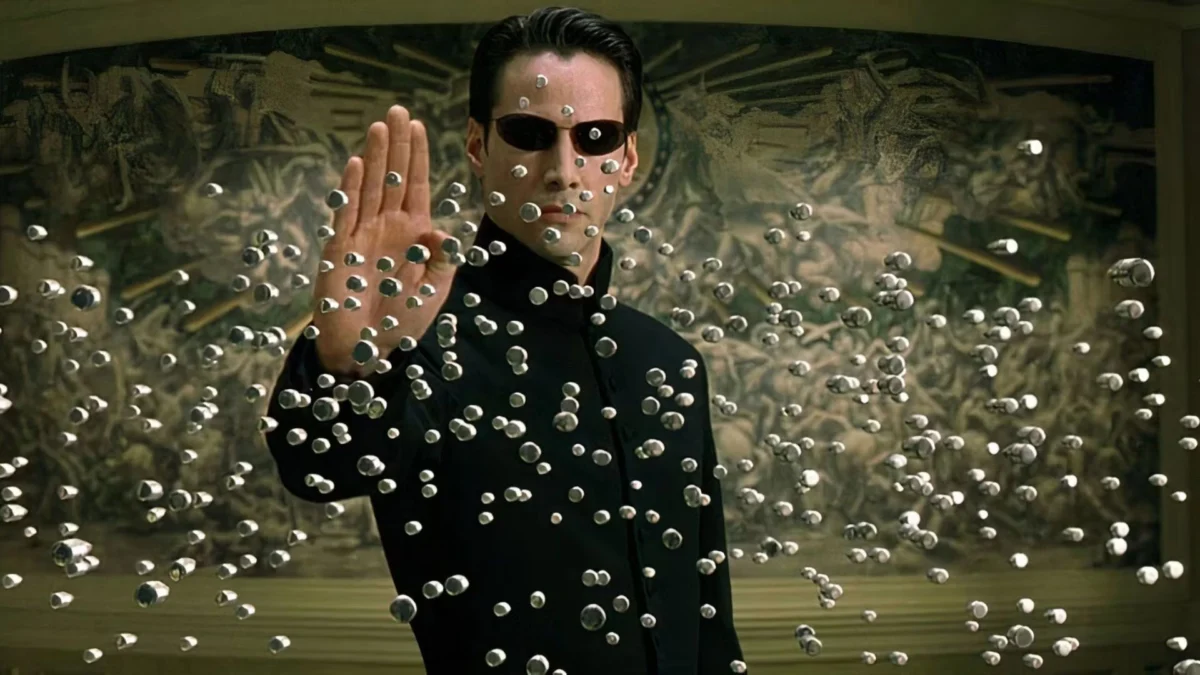
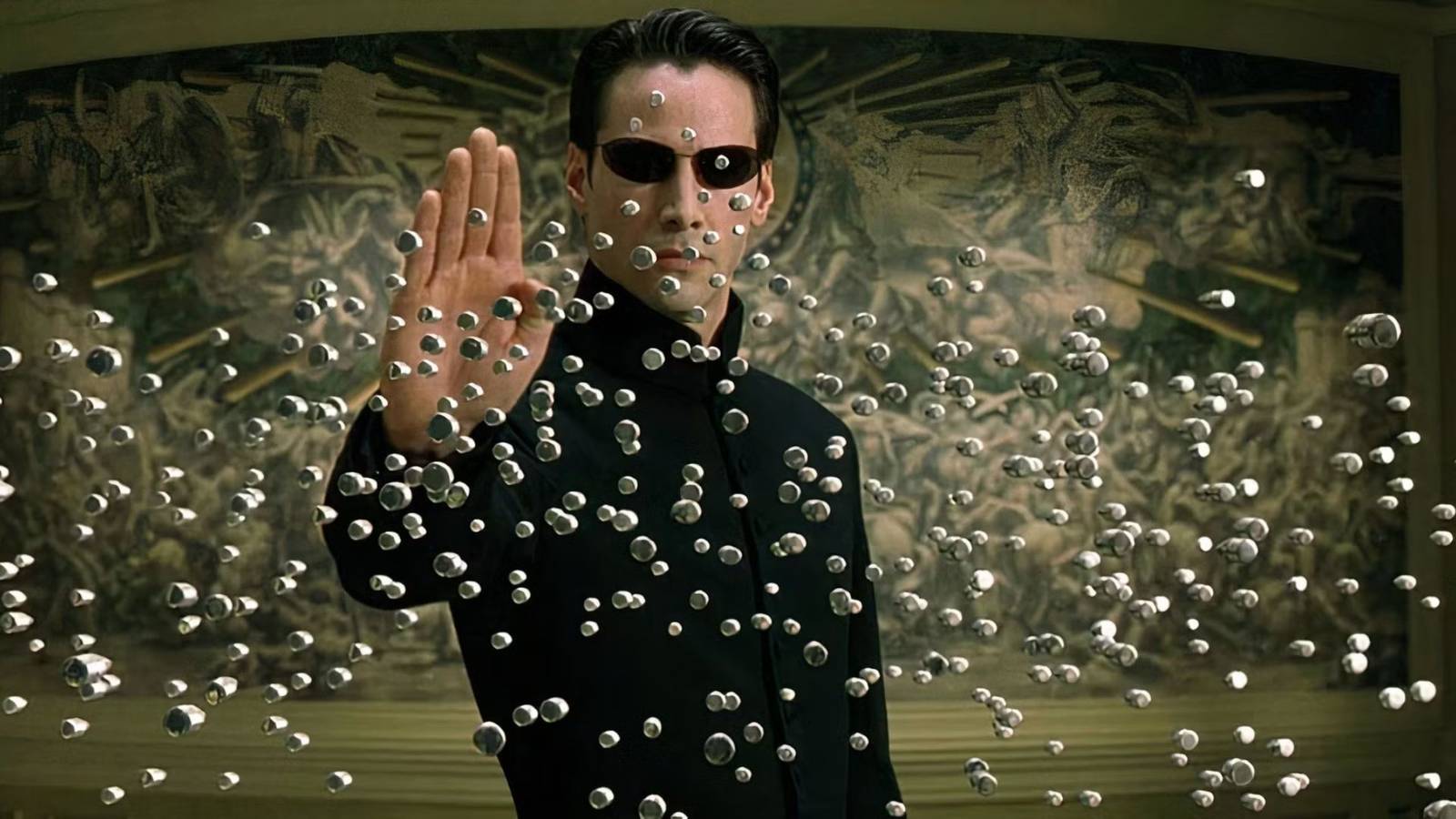
- The Matrix: For its high-stakes action and the "mind-melding" concept of a world that is not what it seems.
- Minority Report: For its focus on the procedural mechanics of crime within a technologically advanced society.
Cover Art Heritage
The choice of cover artists for the first issue—Gus Ricca, Lee Elias, and Bill Everett—serves as a tribute to the Golden and Silver Ages of comics. Bill Everett (creator of Namor and Daredevil) and Lee Elias (famed for his work on Black Cat) represent a legacy of dynamic, shadow-heavy illustration that perfectly complements the Laphams’ modern sensibilities.
Official Responses: A "Seminal Epic"
Bad Idea Comics has released several statements regarding the upcoming series, positioning it as their flagship title for the final quarter of 2026. A spokesperson for the publisher described the project as a "seminal neo-noir sci-fi epic" that aims to push the boundaries of what a two-issue story can achieve.
The official synopsis provided by the publisher offers a glimpse into the psychological horror of the setting:
"In The City, the truth doesn’t come easy. And when it does, you’ll wish it hadn’t. Caught between the crooked cops hot on her tail and the towering mechanical Judges looming over the City’s rain-soaked streets, every lead Val runs down only raises more questions."
The creators themselves have hinted that the "everyone is a detective" hook is more than just a gimmick. In a recent press briefing, the creative team suggested that the setting serves as a metaphor for the modern information age, where everyone is constantly "investigating" and "surveilling" one another, yet objective truth remains elusive.
Implications: The Evolution of the Noir Genre
The release of The Detective carries several significant implications for the comic book industry and the noir genre at large.
1. The Saturation of the Procedural
By creating a world where every citizen is a detective, the Laphams are effectively deconstructing the "police procedural." In a standard noir story, the detective is a lonely figure—an outlier in a corrupt world. In The Detective, the protagonist’s struggle is not that she is alone, but that she is redundant. This meta-commentary on the oversaturation of crime fiction could provide a fresh, satirical edge to the story.
2. The Viability of the "Oversized" Limited Series
At 40 pages per issue and a $9.99 price point, The Detective is part of a growing trend of "prestige" comics that favor quality and physical presence over the traditional 22-page monthly format. If successful, it will further validate the Bad Idea business model, which argues that fans are willing to pay a premium for longer, more artistically ambitious stories.
3. A Gender-Flipped Neo-Noir
The choice of Valencia Vallez as the protagonist is a deliberate departure from the male-dominated tropes of 1940s detective fiction. While female leads in noir are not new (the "Femme Fatale" evolved into the "Female Dick" decades ago), placing a woman at the center of a Kirby-esque, mechanical dystopia offers a unique lens through which to explore themes of memory and institutional power.
4. The Future of Independent Creative Duos
David and Maria Lapham’s continued collaboration proves the enduring power of small, dedicated creative teams in an industry increasingly dominated by massive corporate writers’ rooms. The Detective stands as a testament to the idea that the most innovative "mind-melding" sci-fi often comes from creators who have spent decades honing their craft in the trenches of independent publishing.
As the October 21 release date approaches, the anticipation for The Detective serves as a reminder that even in an age of digital dominance, there is a profound hunger for tactile, visionary storytelling. For fans of Ridley Scott, the Wachowskis, and Jack Kirby, the Laphams are preparing to deliver a journey into "The City" that may change their perception of the genre forever.