"Side Quest: Frostpunk" Freezes Over Tabletop Gaming with Accessible Escape Room Challenge
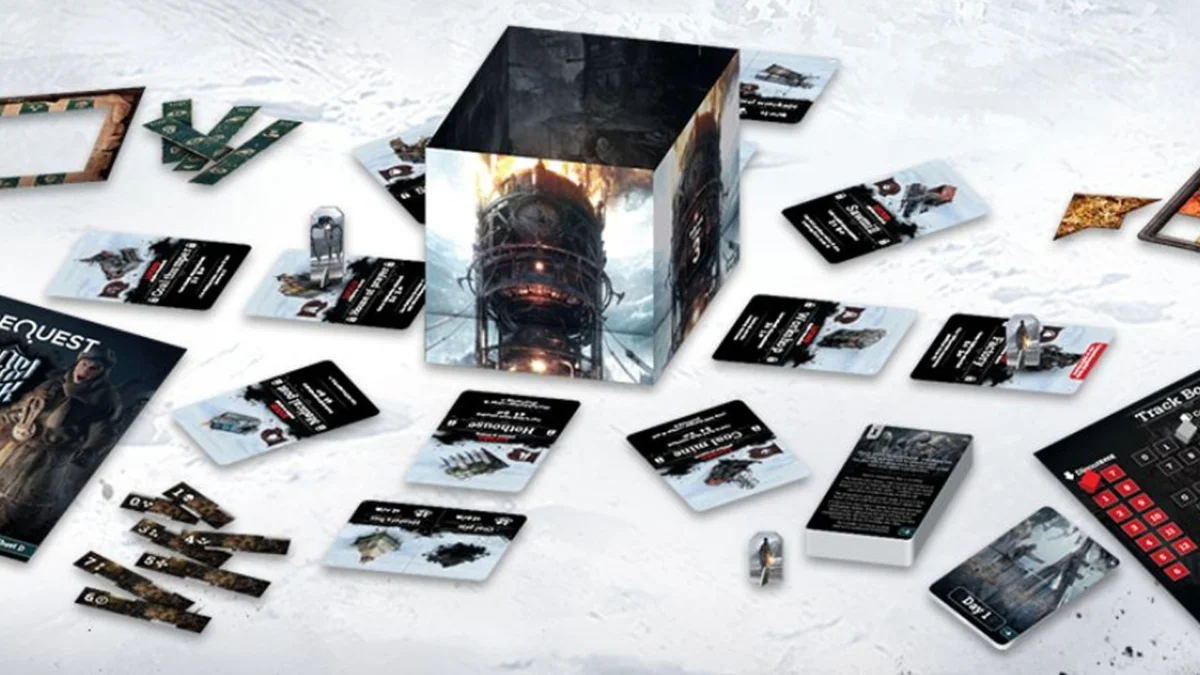
A chilling new chapter in the acclaimed Frostpunk saga is set to unfold this summer, offering a uniquely accessible yet thematically rich experience for tabletop enthusiasts. Side Quest: Frostpunk, an escape-room-in-a-box game, promises to distill the grim survival and moral dilemmas of 11 Bit Studios’ post-apocalyptic city-builder into a focused, puzzle-driven challenge. This latest adaptation, developed by Board&Dice and Lockme, marks a significant shift from the franchise’s previous, notoriously complex tabletop incarnation, aiming for a broader audience while retaining the IP’s brutal essence.
Slated for release at the prestigious Gen Con in August, Side Quest: Frostpunk invites players to brave the frozen wastes as a party of scouts, tasked with a critical mission that will test their perception, creativity, and decision-making under severe time pressure. It represents a fascinating evolution for a franchise synonymous with unforgiving difficulty, demonstrating a strategic expansion into diverse tabletop formats.
The Unyielding Core of Frostpunk: A Legacy of Desperation
The Frostpunk universe, born from the creative minds at 11 Bit Studios, has carved a niche for itself as a masterclass in survival strategy and ethical quandaries. The original video game, released in 2018, plunged players into a Victorian-era steampunk world ravaged by a global volcanic winter. Humanity’s last hope lies in cities built around massive steam generators, where every decision—from resource allocation to social policies like child labor or forced labor—carries immense weight and often dire consequences. Players are constantly battling the triple threat of freezing temperatures, dwindling supplies, and the ever-present specter of civil unrest, making it a "deliberately unforgiving and gruelling experience." The game’s narrative depth, coupled with its stark, oppressive atmosphere, earned it widespread critical acclaim and a dedicated fanbase, establishing Frostpunk as more than just a city-builder; it’s a profound exploration of human resilience and desperation in the face of existential collapse.
The game’s philosophical underpinnings challenge players to confront difficult moral choices, often forcing them to compromise their humanity to ensure the survival of their people. The "Book of Laws," through which players enact decrees ranging from soup kitchens to radical propaganda, serves as the crucible for these ethical dilemmas, shaping not just the city’s infrastructure but its very soul. This intricate balance of resource management, technological advancement, and social control forms the bedrock of the Frostpunk experience, making every victory feel hard-won and every failure a testament to the harsh realities of its world.
From Digital Despair to Grand Tabletop Strategy: The First Adaptation
The journey of Frostpunk into the realm of tabletop gaming began with the highly anticipated Frostpunk: The Board Game. Announced approximately a year after the video game’s release, this ambitious adaptation, also from Board&Dice, sought to faithfully translate the digital experience into a physical form. The project garnered significant attention and success on Kickstarter, promising an immersive and complex recreation of the city-management survival challenge.
Upon its release, Frostpunk: The Board Game delivered on its promise of thematic fidelity and brutal difficulty. It retained the core mechanics of resource management—coal, wood, steel, and food—alongside the critical elements of hope and discontent that reflect the populace’s morale. Players cooperatively manage their city, sending out scouts, making difficult moral choices through event cards, and expanding their settlement around a central generator, all while battling the relentless cold. The game’s intricate worker placement, dice rolling for weather effects, and extensive scenario-driven gameplay provided a rich, multi-layered experience.
However, this faithfulness to complexity came with its own set of challenges. The board game is renowned for its substantial footprint, requiring a significant amount of table space and a considerable investment of time, both for setup and actual play. Its "whopping rulebook" and a box described humorously as large enough to "rent in London for £2,000 a month" became hallmarks of its intricate design. While lauded by many hardcore board gamers for its depth and thematic immersion, its high barrier to entry—in terms of rules comprehension and play time—made it a demanding proposition for casual players. This distinction sets the stage for the arrival of Side Quest: Frostpunk, which aims to offer a more streamlined, yet equally engaging, entry point into the frigid world.
A New Expedition: "Side Quest: Frostpunk" Embraces the Escape Room Format
The decision to adapt Frostpunk into an escape-room-in-a-box format for the "Side Quest" series is a curious, yet strategically sound, evolution for the IP. Where the previous board game embraced maximal complexity, Side Quest: Frostpunk pivots towards focused narrative and puzzle-solving, promising a "comparatively breezy" experience in terms of gameplay complexity, yet no less challenging in its thematic intensity. This move democratizes the Frostpunk experience, making it accessible to a wider audience, including those who might be intimidated by the heft of its larger board game counterpart or the real-time demands of the video game.
The core premise of Side Quest: Frostpunk places players in the boots of a scout party, a familiar concept from the PC game where expeditions are sent out into the frozen wasteland to uncover resources, survivors, and new locations. Designed for one to four players, the game focuses on a specific, high-stakes mission: finding an abandoned generator and making it habitable within a tight deadline of six in-game days. This translates directly into a real-time challenge of between 60 to 90 minutes, providing the classic time restriction inherent to escape room puzzles and perfectly mirroring the urgent survival pressure of the Frostpunk universe.
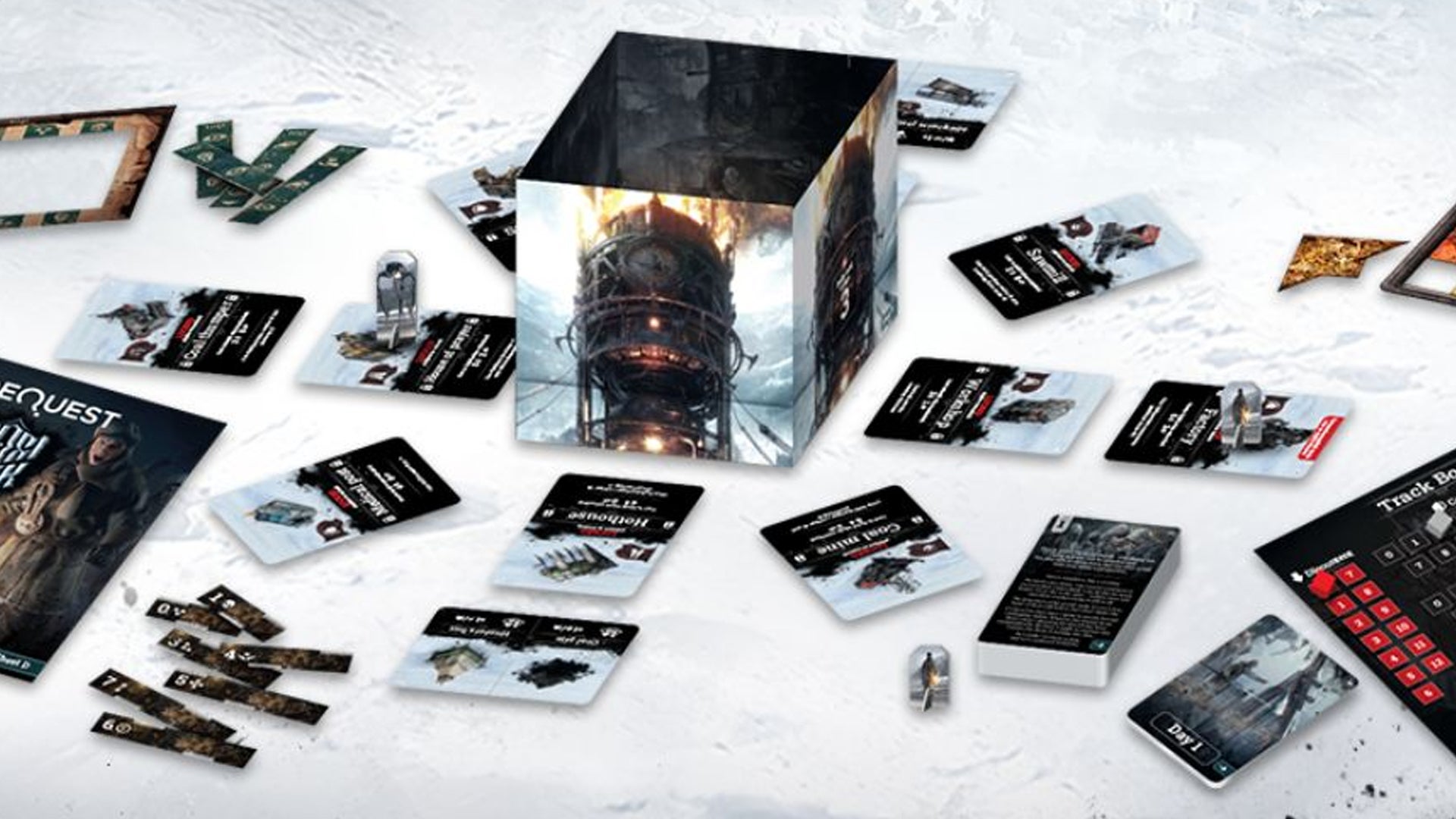
Publishers Board&Dice and Lockme have, understandably, remained tight-lipped about the exact nature of the puzzles and secrets players will encounter. The allure of an escape room lies in its surprises and the joy of discovery. However, tantalizing images of the game reveal a central arrangement of cards forming the city’s iconic generator, surrounded by a ring of other cards. This visual suggests an interactive layout where players will manipulate components, decipher clues, and piece together information to overcome obstacles. The tactile nature of physical cards and components is expected to enhance the immersion, drawing players deeper into the frigid narrative.
Despite its lower complexity rating of "two out of four" on the publishers’ scale, Side Quest: Frostpunk will still demand strategic thinking and resource management, albeit in a more distilled form. Players will need to juggle critical elements such such as temperature, steam cores, and food supplies, reflecting the constant struggle for survival against the elements. Success will hinge on a blend of keen perception, lateral thinking, and creative problem-solving, all woven into an "intriguing storyline amidst the tough puzzles and tougher decisions." This balance promises to deliver the authentic Frostpunk flavor without overwhelming players with an extensive rulebook.
The Architects of Puzzle and Peril: Designers’ Pedigree
The creative force behind Side Quest: Frostpunk are designers Jakub Caban and Bartosz Idzikowski, a duo well-versed in transforming established settings into compelling puzzle experiences. Their previous works showcase a strong track record in the escape room genre, instilling confidence in their ability to deliver a polished and engaging product. They are the minds behind the popular Escape Tales series, known for its intricate narratives and clever puzzles that unfold over multiple chapters. This experience with longer-form, story-driven puzzle games suggests that Side Quest: Frostpunk will offer more than just a series of disconnected brain teasers, but rather a cohesive and compelling adventure.
Furthermore, Caban and Idzikowski have successfully adapted other notable intellectual properties into the "Side Quest" format. Their work on Side Quest: Nemesis brought the tension and horror of the popular Alien-like sci-fi board game to a puzzle game, while Side Quest: 7th Sea translated the swashbuckling adventure of the tabletop RPG into an escape room. This history demonstrates their versatility and expertise in distilling the essence of diverse IPs into a puzzle-centric format, ensuring that Side Quest: Frostpunk will not merely be a generic escape room with a Frostpunk skin, but a true thematic extension of the beloved franchise. Their ability to capture the tone, mechanics, and narrative spirit of source material is a critical factor in the anticipation surrounding this new release.
Official Intentions and Thematic Integrity
While specific quotes from the publishers and 11 Bit Studios regarding Side Quest: Frostpunk are not publicly available at this time, industry trends and the nature of intellectual property expansion allow for reasonable inferences about their intentions. Board&Dice and Lockme, as the publishers, are likely aiming to capitalize on the established popularity and critical acclaim of the Frostpunk brand while simultaneously expanding the reach of their "Side Quest" series. The choice of Frostpunk for an escape room format suggests a desire to offer a more accessible entry point to the IP, attracting players who might be drawn to its compelling themes but deterred by the complexity of the full board game or video game. Their emphasis on a "breezy" complexity level indicates a strategic move to broaden their market, appealing to casual gamers, families, and escape room enthusiasts alike.
For 11 Bit Studios, the original creators of Frostpunk, such adaptations represent a valuable opportunity for brand extension and audience engagement. They would undoubtedly be keen to ensure that any licensed product maintains the thematic integrity and high standards associated with their original work. The grim atmosphere, the difficult moral choices, and the relentless struggle for survival are hallmarks of Frostpunk, and it is reasonable to assume that 11 Bit Studios would collaborate closely with the designers to ensure these core elements are faithfully represented within the escape room’s puzzles and narrative. The promise of an "intriguing storyline amidst the tough puzzles and tougher decisions" suggests a concerted effort to imbue the experience with the narrative depth that defines the Frostpunk universe. Such collaborations are crucial for ensuring that IP extensions resonate with existing fans while also captivating new ones, offering a fresh perspective on a beloved world.
Implications: Broadening Horizons and Future Prospects
The launch of Side Quest: Frostpunk carries significant implications for both the Frostpunk franchise and the broader tabletop gaming landscape. For the Frostpunk IP, it signifies a strategic diversification, moving beyond its established video game and complex board game formats. This expansion allows the franchise to tap into the burgeoning market for escape-room-in-a-box games, potentially introducing the bleak beauty of its world to a new demographic of casual players and puzzle enthusiasts who might not typically engage with hardcore city-builders or lengthy board games. By offering a condensed, focused, and more immediate experience, Side Quest: Frostpunk could serve as an excellent gateway, piquing interest in the deeper lore and more complex mechanics of the original video game and its grander tabletop counterpart. This move suggests a healthy and active future for the Frostpunk universe, potentially paving the way for further adaptations in various formats.
For the escape room genre itself, the integration of a strong narrative IP like Frostpunk elevates the experience beyond generic puzzles. The game’s unique themes of survival, moral ambiguity, and post-apocalyptic desperation provide a rich thematic backdrop that can lead to more immersive and emotionally resonant puzzles. The success of Side Quest: Frostpunk could further encourage other video game developers to explore the escape room format as a viable means of IP expansion, fostering a trend of richer, story-driven puzzle games in the market. It demonstrates how established narratives can be leveraged to add depth and context to the puzzle-solving experience, moving beyond abstract challenges to create a truly compelling adventure.
The anticipation surrounding its Gen Con release in August is palpable, especially with the ironic juxtaposition of a "chilly escape room" being launched amidst the summer heat. This playful contrast adds an extra layer of intrigue, inviting players to metaphorically cool down with a mentally invigorating challenge. The market will be keen to see how this "breezy" adaptation balances accessibility with the demanding thematic depth Frostpunk is known for. Can it deliver the essence of the unforgiving world in a shorter, more puzzle-focused format without sacrificing the weight of its decisions? The answer will determine not only the success of Side Quest: Frostpunk but also the potential trajectory for future cross-media adaptations of complex video game IPs. Whether players will emerge victorious from the frozen wasteland, having successfully brought the generator back to life, remains to be seen. The ultimate challenge, as always in Frostpunk, lies in survival.