From Shelf to Screen: Exploring the Intricate World of ‘Book Nook’
The intersection of physical hobbies and digital entertainment has birthed a new sub-genre of "cozy games"—titles designed to evoke the tactile satisfaction of crafting, organizing, and decorating without the clutter or cost of real-world materials. At the forefront of this movement is Malapata Studio, the developers behind the acclaimed Camper Van: Make it Home. Their latest project, Book Nook, recently showcased at Gamescom, seeks to translate the viral trend of miniature diorama assembly into a serene, hand-drawn puzzle experience.
As the indie gaming landscape continues to shift toward "low-stakes, high-reward" mechanics, Book Nook emerges as a digital tribute to the ornate wooden inserts that have become staples of bibliophile aesthetics. However, as early hands-on previews suggest, the transition from a physical hobby to a digital simulation requires a delicate balance of physics-based precision and artistic flair.
Main Facts: The Core of the Miniature Experience
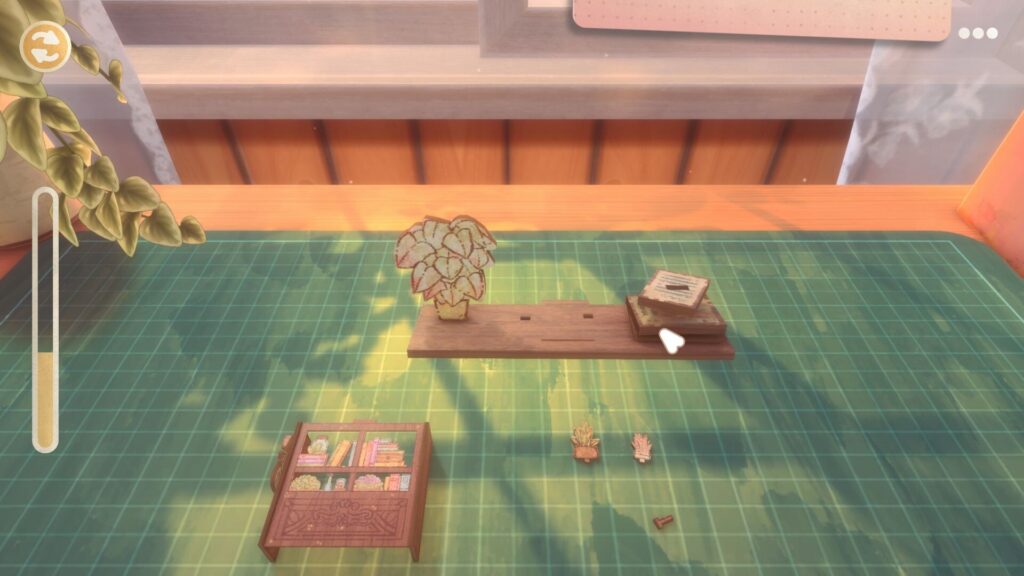
Book Nook is a 3D puzzle game that tasks players with assembling intricate, miniature dioramas designed to fit between books on a virtual shelf. Drawing direct inspiration from the "DIY Book Nook" kits that gained massive popularity on social media platforms like TikTok and Pinterest, the game focuses on the granular process of construction.
The title is developed by Malapata Studio, a team that has already established a reputation for "zen" gameplay through their previous work on Camper Van: Make it Home. In Book Nook, the player is presented with a kit of parts—ranging from structural walls and floorboards to microscopic details like potted plants, tiny lamps, and miniature books.
The game distinguishes itself through its aesthetic choice: rather than opting for hyper-realistic 3D textures, the developers have utilized a hand-drawn art style. This gives the game a storybook quality, ensuring that every completed diorama looks like a piece of bespoke art. Key features include:
- Physics-based assembly: Pieces must be placed and "snapped" into designated slots.
- Customization: Certain elements offer multiple placement options, allowing for a degree of personal expression.
- Narrative rewards: Upon completion, the dioramas "come to life" with characters and small scripted events.
- Stress-free environment: There are no timers, high-score boards, or "game over" screens.
Chronology: From Crafting Trend to Gamescom Debut
The journey of Book Nook began with the rise of the "cozy gaming" trend during the early 2020s. Following the success of titles like Unpacking and Assemble with Care, developers began looking for other tactile real-world hobbies to gamify. Malapata Studio identified the book nook phenomenon—miniature worlds tucked into bookshelves—as the perfect candidate for their next project.
The game was officially revealed earlier this year, building on the momentum of the studio’s previous successful Kickstarter for Camper Van. By August 2024, a playable demo was brought to Gamescom, providing the first public look at the game’s mechanics and technical state.
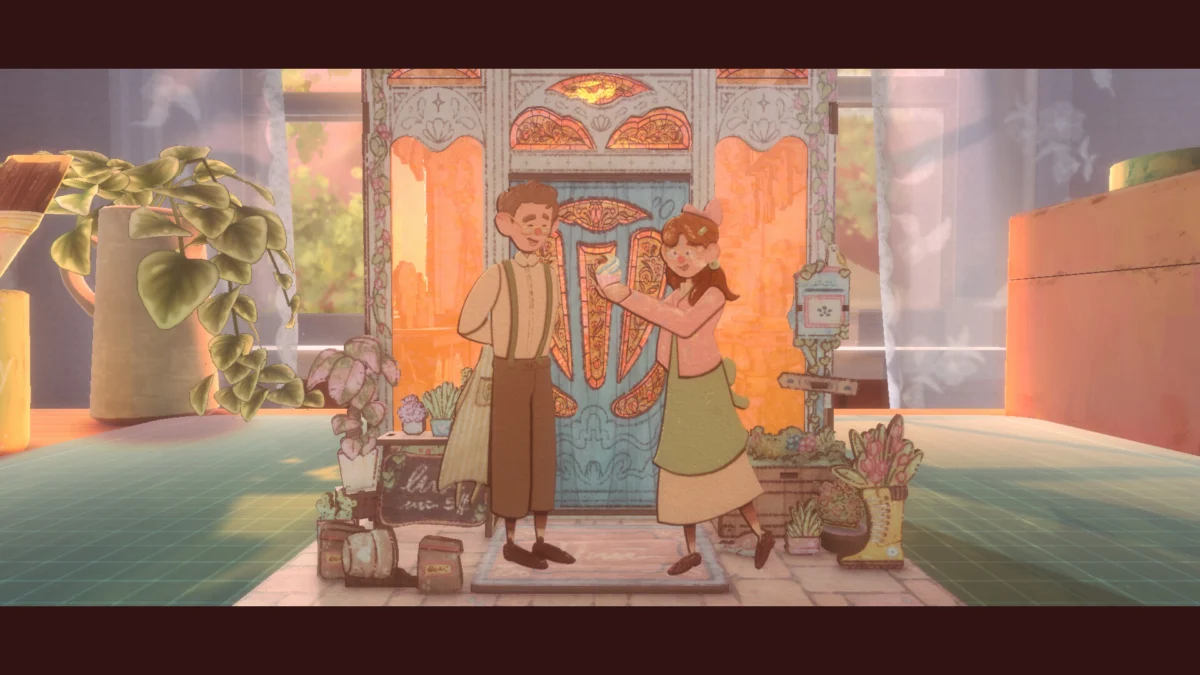
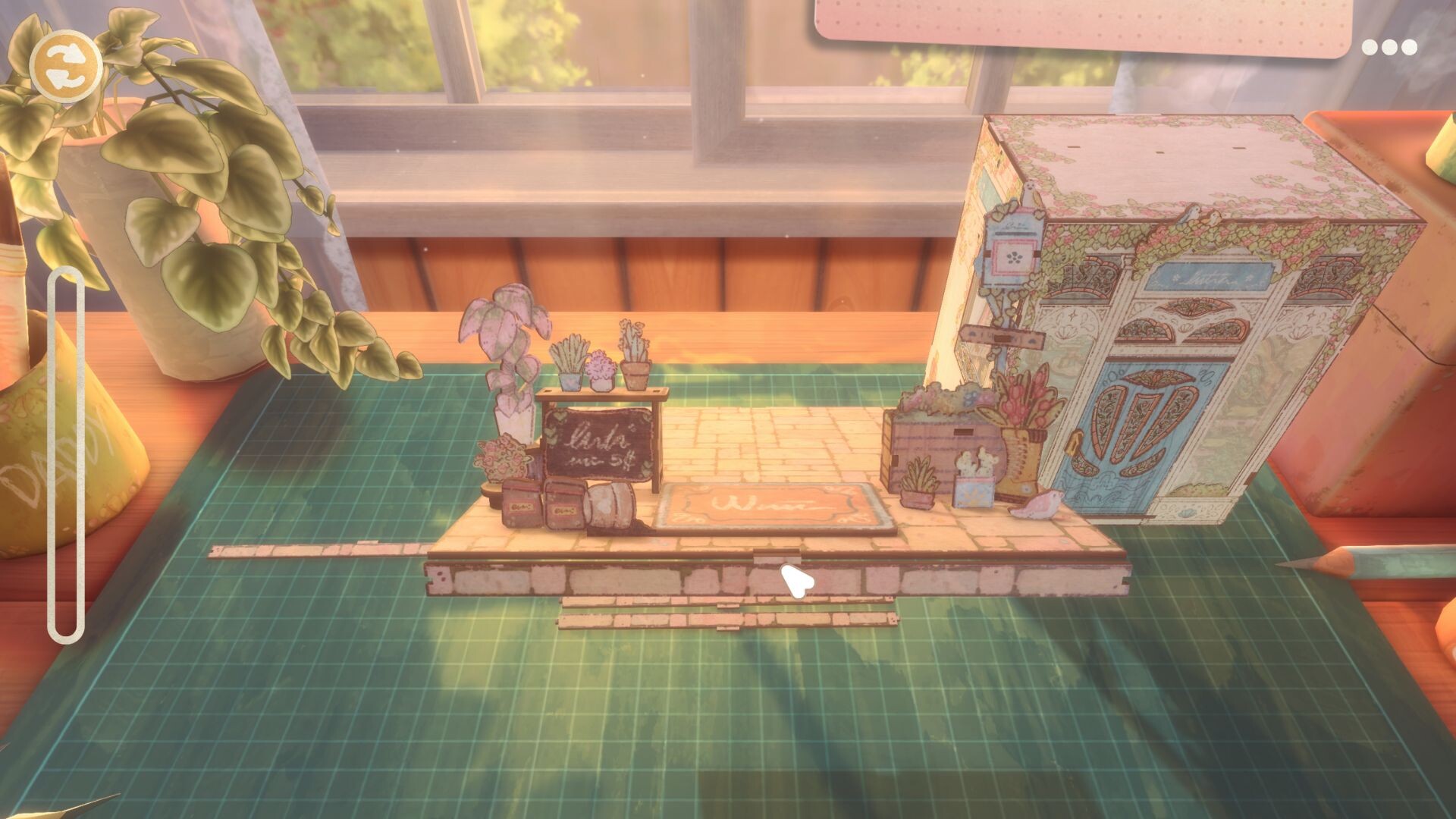
During the Gamescom showcase, players were introduced to a specific level involving a miniature apartment. The demo allowed users to see the full cycle of gameplay: from the initial "unboxing" of the frame to the final moment where a tiny couple "moves into" the finished diorama. This demo served as a critical stress test for the game’s physics engine and user interface, highlighting both the charm of the concept and the technical hurdles that remain before its scheduled release later this year.
Supporting Data: Mechanics, Customization, and Technical Feedback
To understand the appeal of Book Nook, one must look at the data provided by its gameplay loop. The game functions as a hybrid of a 3D jigsaw puzzle and a dollhouse simulator.
The Construction Loop
Each level begins with a hollow wooden shell. The player must navigate a tray of components, selecting pieces in a logical order—structural elements first, followed by furniture, and finally, decorative accents. The "snap" mechanic is the core interaction; when a piece is brought near its intended location, the game engine is designed to lock it into place with a satisfying tactile click.
Customization and Logic
Unlike a traditional jigsaw puzzle where there is only one "right" answer, Book Nook introduces light customization. For example, in the apartment level, players can choose where to place specific decorations or how to orient certain furniture pieces, provided they fit within the logical grid of the miniature world. This provides a sense of ownership over the final product.
Current Technical State
Feedback from the Gamescom demo indicates that while the artistic vision is fully realized, the technical implementation of the physics is still in a "polishing" phase. Testers reported:
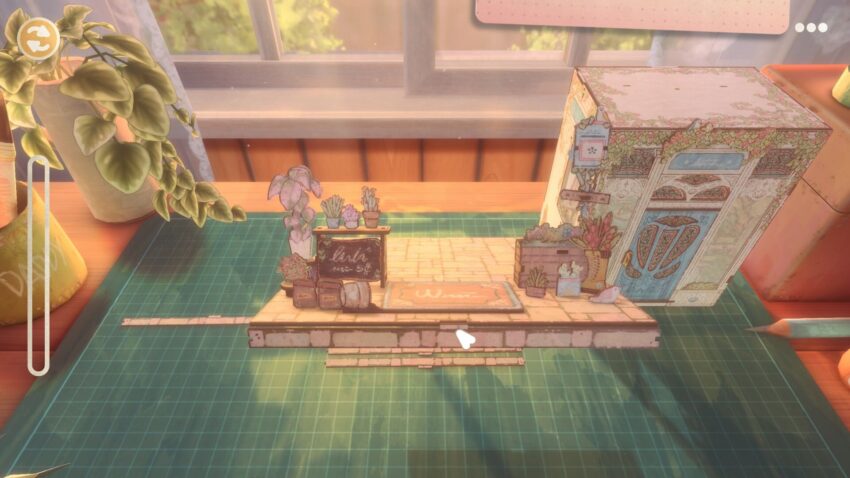
- Clipping Issues: Occasionally, larger structural pieces failed to register their "snap" zones, leading to pieces falling behind the main game board or becoming stuck in the environment.
- Camera Constraints: The current build features a relatively tight field of view. While this emphasizes the "miniature" feel, it can make the placement of smaller objects difficult when the camera is positioned too close to the board.
- Visual Fidelity: The hand-drawn assets have received unanimous praise for their clarity and charm, successfully masking the underlying 3D geometry to create a 2D-illustration feel in a 3D space.
Official Context: The Developer’s Vision
While Malapata Studio has not issued a formal "rebuttal" to the technical critiques from Gamescom, their public development philosophy provides context for the game’s current state. The studio has consistently emphasized that their games are about "the journey of making a home."
In statements regarding their design process, the developers have noted that Book Nook is intended to be a meditative experience. The inclusion of story elements—such as the couple appearing in the apartment diorama—is a deliberate choice to move the game beyond a simple mechanical puzzle. The goal is to make the player feel like a creator of worlds, rather than just an assembler of parts.
The studio is currently in the "feedback integration" stage of development. History with their previous title, Camper Van, shows a commitment to iterative improvement, suggesting that the "snapping" issues and camera frustrations noted by early players are likely to be addressed in the final optimization phase before the Steam launch.
Implications: The Evolution of the "Digital Hobbyist"
The emergence of Book Nook carries significant implications for the indie gaming market and the broader "cozy" genre. It represents a shift from "gamified chores" (like PowerWash Simulator) to "gamified hobbies."
Accessibility of Hobbies
Physical book nook kits can be expensive, ranging from $40 to over $100, and require significant physical dexterity, specialized glue, and hours of manual labor. Book Nook offers a digital alternative that democratizes the hobby. It allows players who may lack the fine motor skills, space, or budget for physical modeling to enjoy the aesthetic and organizational satisfaction of the craft.
The "Zen" Market Expansion
The success of Book Nook will likely signal to other developers that there is a sustained appetite for games that prioritize "vibe" and "aesthetic" over traditional challenge. By removing timers and scores, Malapata Studio is targeting a demographic of "non-traditional" gamers—individuals who use gaming as a tool for anxiety reduction and mindfulness.
Technical Standards for 3D Puzzles
As more games attempt to replicate tactile 3D experiences, Book Nook sets a high bar for visual style but also highlights the difficulty of "perfect" physics in a cozy setting. If the developers can solve the clipping and snapping issues, they will provide a blueprint for how to make digital construction feel as rewarding as its physical counterpart.
Conclusion: A Promising Addition to the Bookshelf
Book Nook is more than just a digital toy; it is a meticulously crafted love letter to the world of miniatures. While the Gamescom demo revealed that the game still requires some mechanical fine-tuning to ensure the "snapping" physics match the smoothness of the visuals, the core appeal remains undeniable.
The game succeeds in capturing the "magic" of miniatures—that specific joy of seeing a tiny, hand-drawn world come to life under your fingers. For fans of Unpacking, Tiny Glade, or real-world crafting, Book Nook is a title to watch. As it nears its release on Steam later this year, the gaming community awaits to see if this digital diorama can truly capture the cozy essence of a rainy afternoon spent crafting.
For now, enthusiasts are encouraged to add the title to their Steam wishlists, signaling a strong market interest in games that celebrate the small, the quiet, and the beautifully organized.