The End of an Era: Google Assistant to be Fully Replaced by Gemini on Android and Wear OS
The landscape of personal computing is undergoing its most significant shift since the introduction of the smartphone. In a move that signals the definitive end of the "voice command" era and the dawn of the "generative AI" era, Google has officially announced the sunsetting of Google Assistant on Android and Wear OS devices. According to internal communications and emails sent to users, the transition will reach its final phase on Friday, September 4, 2026. From this date forward, Gemini—Google’s flagship large language model (LLM)—will become the primary AI interface for billions of users worldwide.
This transition marks the retirement of a service that has been a cornerstone of the Android ecosystem for over a decade. While the phase-out has been gradual, the upcoming September deadline represents the hard cut-off for mobile and wearable platforms.
Main Facts: The Sunset of a Digital Icon
The retirement of Google Assistant is not merely a branding update; it is a fundamental architectural replacement. For years, Google Assistant operated on a "command-and-control" logic, where specific phrases triggered specific, hard-coded actions. Gemini, by contrast, is a generative artificial intelligence capable of reasoning, creative writing, and complex problem-solving.
Key Dates and Scope
The shutdown is scheduled to begin on September 4, 2026. Google has noted that while the process starts on this day, it may take several weeks for the update to propagate across all regions and device types. The scope of this shutdown includes:
- Android Smartphones and Tablets: The legacy Assistant app and its integrated features will cease to function.
- Wear OS Wearables: Smartwatches running Google’s wearable OS will lose Assistant functionality in favor of a streamlined Gemini interface.
- Android Auto: Standard smartphone-mirroring setups in vehicles will transition to Gemini.
Noted Exceptions
While the mobile and wearable sectors are facing a hard deadline, certain legacy integrations will persist slightly longer. Vehicles equipped with "Google built-in" (Android Automotive OS) will continue to support Google Assistant for a transitional period to ensure driver safety and stability in automotive firmware. However, these too are expected to migrate to Gemini-based systems as manufacturers push over-the-air updates.
Chronology: From Allo to Gemini
To understand why Google is retiring one of its most successful products, one must look at the evolution of Google’s AI strategy over the last ten years.
2016: The Birth of Assistant
Google Assistant made its debut in May 2016. It was initially introduced as part of Google’s ill-fated messaging app, Allo, and later became a headline feature of the first-generation Pixel phone. At the time, it was a revolutionary leap over "Google Now," offering a conversational interface that could remember context between questions.
2017–2021: Ubiquity and Integration
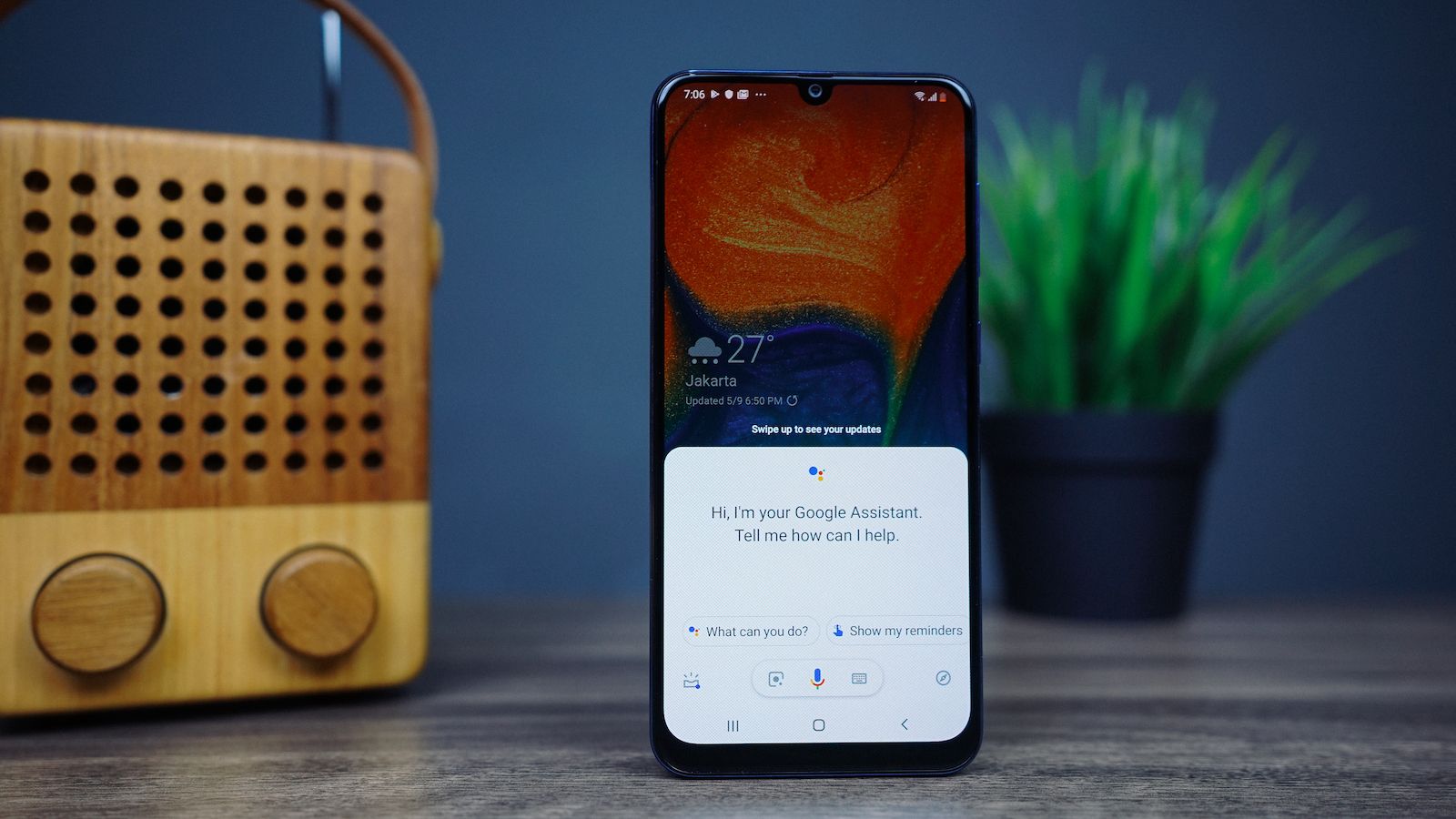
Throughout the late 2010s, Google Assistant expanded into every corner of the digital home. It became the brains behind Google Home (later Nest) speakers, smart displays, and third-party headphones. By 2020, Google Assistant was available on more than one billion devices. However, despite its ubiquity, users began to notice a plateau in its capabilities. It remained excellent at setting timers and checking the weather but struggled with nuanced, multi-step queries.
2022–2023: The Generative AI "Code Red"
The launch of OpenAI’s ChatGPT in late 2022 sent shockwaves through Mountain View. Google realized that the intent-based architecture of Google Assistant was becoming obsolete. In early 2023, Google declared an internal "Code Red," pivoting the entire company toward generative AI. This led to the birth of Bard, which was later rebranded and overhauled into Gemini.
2024–2025: The Transition Begins
In 2024, Google began offering Gemini as an opt-in replacement for Assistant on Android. Users who downloaded the Gemini app were asked if they wanted to replace their default assistant. In early 2025, Google began removing "underutilized features" from Google Assistant, a move that critics described as "feature stripping" to nudge users toward the newer AI.
Supporting Data: Why Google is Making the Switch
The decision to retire Assistant is driven by both technical necessity and market competition.
Technical Limitations of Legacy AI
Google Assistant relies on "Natural Language Understanding" (NLU) to map user speech to specific "intents." If a user says something the system isn’t programmed for, it fails. Gemini, however, uses a "Large Language Model" (LLM) architecture.
- Reasoning: Gemini can understand "why" a user is asking a question.
- Context Window: While Assistant could remember the previous sentence, Gemini can reference thousands of words of context.
- Multimodality: Gemini can process images, video, and code simultaneously, something the legacy Assistant was never designed to do.
Market Dynamics
Data from industry analysts suggests that user engagement with traditional voice assistants had stagnated by 2023. Users were primarily using Assistant for "utilitarian" tasks:
- Setting Alarms (82% of users)
- Playing Music (75%)
- Weather Updates (68%)
Google’s internal data suggested that by integrating Gemini, they could increase the "time spent" within the AI interface by offering creative assistance, email drafting, and deep integration with Google Workspace (Docs, Gmail, Drive).
The "Google Cemetery" Context
Google has a long history of retiring products to make way for unified visions. From Reader to Hangouts and Stadia, the "Google Cemetery" is well-populated. However, the retirement of Assistant is different because it isn’t a failure of the product; it is an evolution of the category.
Official Responses and User Guidance
Google has maintained a proactive stance in communicating this change to its user base. In the emails sent to Android and Wear OS users, the company emphasized that this is an "upgrade" rather than a simple termination of service.
The Official Stance
A Google spokesperson noted, "We are committed to providing the most helpful AI experience possible. Gemini represents a quantum leap in capability, and by unifying our efforts under the Gemini architecture, we can deliver faster updates and more sophisticated features to our users across all platforms."
Guidance for the Transition
Google has outlined a clear path for users to follow before the September 4 deadline:
- Download the Gemini App: For users on older devices where Gemini was not pre-installed, the app is available on the Google Play Store.
- Opt-in as Default: Upon opening Gemini, users will be prompted to set it as their primary digital assistant. This will automatically redirect "Hey Google" commands to the Gemini engine.
- Data and Activity: Google has clarified that while Assistant "conversations" don’t sync to Gemini (as Assistant didn’t have a persistent chat history in the same way), all user preferences and "Web & App Activity" will remain accessible via the Google Account dashboard.
Implications: A New Paradigm for Mobile Interaction
The total replacement of Assistant with Gemini has profound implications for the future of technology, privacy, and the user experience.
The Rise of the "AI Phone"
With the removal of the legacy Assistant, the Android operating system becomes "AI-native." This shift supports the industry trend toward "AI Phones," where the hardware is specifically designed to run LLMs locally. Future Pixel and Samsung devices will likely rely on on-device Gemini Nano chips to handle these tasks without needing a constant internet connection, addressing one of the primary complaints about the original Google Assistant.
Smart Home Fragmentation
One of the most significant concerns regarding this shutdown is the impact on the smart home. While the September 4 deadline focuses on Android and Wear OS, many users have Nest speakers and displays that still rely on the old Assistant infrastructure. Industry experts predict a "two-tier" system where mobile devices use the sophisticated Gemini, while older smart speakers use a "lite" version of Assistant until they are eventually replaced by Gemini-enabled hardware.
Privacy and Data Usage
The transition to Gemini also raises new questions about data privacy. Generative AI models require vast amounts of data to improve. While Google has stated that Gemini interactions are protected by industry-standard encryption and that users can delete their activity, the "conversational" nature of Gemini encourages users to share more personal information than they ever did with the utilitarian Google Assistant.
The Competitive Landscape
Google’s aggressive timeline is a direct response to Apple’s "Apple Intelligence" and Microsoft’s "Copilot" integrations. By forcing the transition by late 2026, Google ensures that its entire ecosystem is unified under a single AI brand before the next major cycle of hardware innovation.
Conclusion
The retirement of Google Assistant marks the end of a decade characterized by the promise of the "Star Trek computer"—a voice in the room that could perform simple tasks. Gemini represents something much more ambitious: a digital collaborator that can think, create, and anticipate needs.
For the billions of users who have grown accustomed to the "Hey Google" chime, the September 4, 2026, deadline is a reminder of the relentless pace of technological change. While the loss of a familiar tool can be jarring, the capabilities offered by Gemini suggest that the "Assistant" of the future will be far more capable than its predecessor ever was. As the countdown to September begins, the tech world watches to see if Google can successfully migrate its massive user base into this new era of artificial intelligence without leaving the simplicity of the past behind.