The Digital Renaissance: How Untitled.Save is Reimagining Classical Art for the Influencer Age
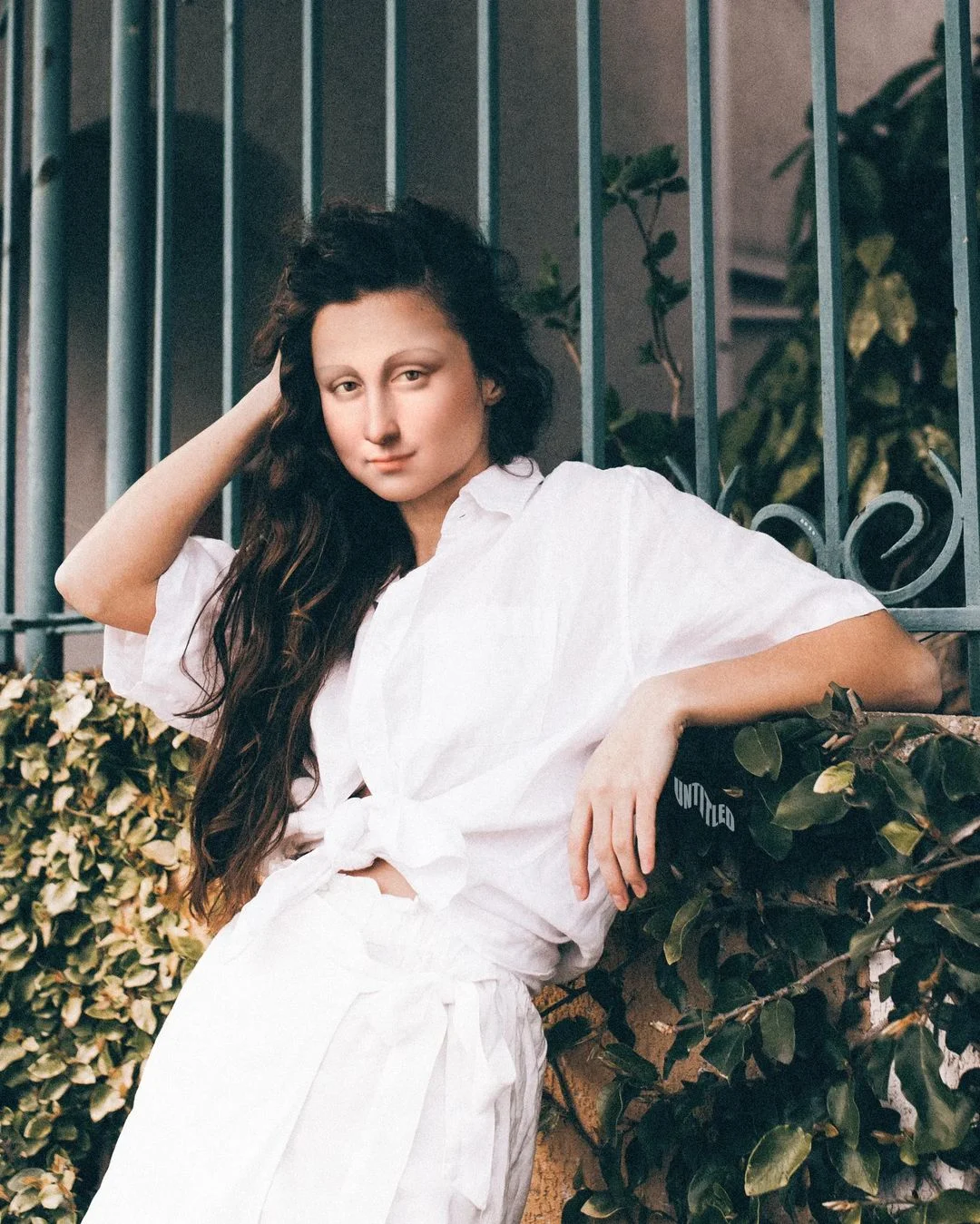
In an era defined by the "scroll," where the average person consumes more imagery in a single day than a 17th-century peasant saw in a lifetime, the boundaries between high art and digital content are increasingly blurred. Leading this charge from the cobblestone streets of Porto, Portugal, is a digital collage artist known as Untitled.Save. By transplanting the subjects of history’s most revered masterpieces into the hyper-curated world of social media, Untitled.Save is not merely creating "remixes"; they are facilitating a profound dialogue between the Renaissance and the Digital Age.
Main Facts: The Intersection of Oil Paint and Pixels
Untitled.Save is a digital artist whose work has gained international traction for its uncanny ability to modernize classical aesthetics. The artist’s portfolio features a series of digital transformations where iconic figures—such as Botticelli’s Venus, Leonardo da Vinci’s Mona Lisa, and the surrealist icon Salvador Dalí—are reimagined as modern-day social media influencers.
The core of the artist’s work lies in the juxtaposition of "timelessness" and "trend." While the original subjects were painted to endure for centuries, today’s influencers curate images designed for a 24-hour news cycle or a fleeting moment of viral fame. By merging these two worlds, Untitled.Save explores the evolution of vanity, self-presentation, and the "gaze."
Key Elements of the Project:
- Medium: Digital collage and photo manipulation.
- Origin: Porto, Portugal.
- Thematic Focus: The "Influencer" culture, digital identity, and the democratization of the art canon.
- Notable Works: "Venus as an Influencer," "Mona Lisa as a Lifestyle Blogger," and "Frida Kahlo: The Selfie Queen."
Chronology: From the Canvas to the Cloud
The evolution of artistic expression has always been tied to the technology of its time. To understand the significance of Untitled.Save’s work, one must look at the trajectory of portraiture and self-representation.

1. The Era of Patronage (14th–18th Century)
During the Renaissance and Baroque periods, portraits were the ultimate status symbols. Figures like the Mona Lisa or the subjects of Albrecht Dürer’s works were "influencers" of their time—nobles, merchants, or thinkers whose images were crafted to project power, piety, or intellect. The "curation" was done by the artist and the patron, using oil paint and symbolism.
2. The Rise of the Self-Portrait (19th–20th Century)
Artists like Frida Kahlo and Salvador Dalí shifted the focus from the patron to the self. They used their own faces as canvases to explore internal psychology and surrealist landscapes. This period mirrors the modern influencer’s obsession with "personal branding."
3. The Digital Explosion (21st Century)
The advent of the smartphone and platforms like Instagram and TikTok transformed everyone into both the artist and the subject. The "selfie" became the modern self-portrait. It is at this stage that Untitled.Save enters the timeline, recognizing that the distance between a Renaissance goddess and a modern-day fashion blogger is shorter than we might think.
Supporting Data: Analyzing the "Influencer" Aesthetic
Untitled.Save’s work is effective because it adheres to the visual language of modern social media. The artist does not just change the clothes of the subjects; they change their energy.

The "Venus" Transformation
In "Venus as an Influencer," the birth of the goddess is no longer a divine event occurring on a shell in the sea. Instead, she is reimagined in a setting that evokes a high-end Mediterranean vacation—the kind documented by travel influencers with millions of followers. The lighting is soft, the "filter" is warm, and the pose, while reminiscent of Botticelli’s original, feels calculated for engagement.
The Mona Lisa as a Lifestyle Blogger
The Mona Lisa’s famous, enigmatic smile takes on a new meaning in the digital age. In Untitled.Save’s rendition, she becomes a lifestyle blogger. Her smile, once a subject of intense academic debate, now mirrors the "content creator smile"—pleasant, approachable, yet ultimately guarded. By placing her in modern streetwear or a chic café setting, the artist highlights how the "mystery" of the past has been replaced by the "aesthetic" of the present.
Cultural Commentary through Collage
The data of social engagement shows that audiences respond most strongly to "relatability." By making classical figures relatable, Untitled.Save forces the viewer to confront the absurdity of modern beauty standards. If a 500-year-old painting looks "natural" in an influencer’s pose, it suggests that our modern "authentic" shots are just as staged and artificial as a Renaissance commission.
Official Responses: Insights from the Creator
In a series of candid reflections, the artist behind Untitled.Save provides a glimpse into the philosophy and personality that drive their digital recreations. These insights reveal an artist who is deeply connected to traditional art history while remaining skeptical of modern societal structures.

On Background and Training:
Despite the high-tech nature of their work, Untitled.Save’s background is eclectic. "I attended a hairdressing course and have a degree in Product Design," the artist shares. This combination of "aesthetic grooming" and "functional design" is evident in the way they "style" their digital subjects.
On Influences and Identity:
The artist cites Salvador Dalí and Rui Reininho as major influences. Like Dalí, Untitled.Save seeks to bend reality. However, unlike many modern creators, they remain wary of the newest digital frontier: Artificial Intelligence. "I’m paying close attention to AI developments. I’ve tried it, but I haven’t yet found a personal identity in it," they state, explaining why they have yet to publish AI-generated work.
On the Philosophy of the Work:
When asked about the ideas they are currently pondering, the artist points to a fundamental human paradox: "How can the human race be so beautiful and twisted at the same time?" This duality is the engine of their art—the beauty of the classical form twisted by the superficiality of the digital age.
On Success and Future Goals:
Despite having a global digital footprint, the artist remains grounded in their roots in Porto. Their "dream project" is not a viral NFT drop, but a physical exhibition in their home country. "So far, the opportunities I’ve had have always been abroad," they note.

Implications: The Future of Art in a Hyper-Digital World
The work of Untitled.Save has several significant implications for the art world, the education sector, and the way we consume media.
1. The Democratization of the Canon
For many young people, classical art feels "stuck" in museums—static and irrelevant. Untitled.Save’s work acts as a gateway, bringing these figures into the digital spaces where the younger generation lives. By seeing Frida Kahlo as a "selfie queen," a student might become more curious about the real Kahlo’s history and struggles.
2. The "Devaluation" vs. "Evolution" Debate
Critics of digital collage often argue that it "cheapens" the original work. However, a more nuanced journalistic perspective suggests that this is a natural evolution of Dadaism and Pop Art. Just as Andy Warhol used Marilyn Monroe to comment on 1960s celebrity culture, Untitled.Save uses the Mona Lisa to comment on 2020s influencer culture.
3. The Role of Anonymity
Operating under a pseudonym and expressing a desire to collaborate with Banksy because of the "anonymity of that collaboration," Untitled.Save highlights a growing trend among digital artists to let the work speak louder than the creator. In a world where influencers sell their "personal lives," the artist chooses to remain behind the curtain, further emphasizing the critique of "over-sharing."

4. A New Form of Social Critique
Ultimately, these digital recreations serve as a mirror. When we see Salvador Dalí reimagined as a modern influencer, we are forced to ask: Would Dalí have been a TikTok star? Would the great masters have succumbed to the pressure of the "algorithm"? The answer is likely yes, and that realization bridges the gap between the "divine artist" of the past and the "content creator" of the present.
Conclusion
Untitled.Save is more than a digital artist; they are a digital historian and a social commentator. By using the tools of the modern age—photoshop, filters, and social media tropes—to re-examine the treasures of the past, they provide a necessary critique of our current obsession with image.
As we continue to navigate the complexities of the digital age, the work of Untitled.Save reminds us that while the medium may change—from oil on canvas to pixels on a screen—the human desire to be seen, to be admired, and to be remembered remains eternal. The "Digital Renaissance" is here, and it looks a lot like a perfectly filtered selfie.