The Unseen Operatives: Re-evaluating Five Overlooked Masterpieces of the Spy Thriller Genre
The cinematic portrayal of the spy has long been dominated by the towering shadow of Commander James Bond. Since 1962, the "007" formula—comprised of bespoke tailoring, high-tech gadgetry, international escapades, and a liberal "license to kill"—has defined the public’s perception of espionage. However, the genre is far more expansive than the narrow confines of the blockbuster franchise. Beyond the explosions and the martini shakers lies a rich history of films that explore the psychological toll, the bureaucratic absurdity, and the technical intricacies of the "great game."
As audiences in the 2020s navigate a landscape of franchise fatigue, there is a renewed interest in standalone narratives that offer something different: realism, satire, or intellectual complexity. The following five films, spanning four decades, represent the "forgotten" gems of the genre. While they may have slipped from the mainstream consciousness, their craftsmanship, thematic depth, and entertainment value remain remarkably intact.
I. Main Facts: The Evolution of Cinematic Espionage
The spy thriller is a genre of cycles. It fluctuates between the gritty realism of the Cold War and the escapist fantasies of the digital age. The films highlighted here—Army of Shadows (1969), Hopscotch (1980), Sneakers (1992), Spartan (2004), and OSS 117: Cairo, Nest of Spies (2006)—serve as crucial touchstones for these shifts.
Each film addresses a specific facet of the intelligence world. Jean-Pierre Melville’s Army of Shadows examines the moral vacuum of resistance; Ronald Neame’s Hopscotch satirizes the self-importance of the CIA; Phil Alden Robinson’s Sneakers predated the modern era of cyber-warfare; David Mamet’s Spartan deconstructs the "silent professional" archetype; and Michel Hazanavicius’s OSS 117 parodies the colonialist undertones of mid-century spy fiction.
Collectively, these films demonstrate that the "spy movie" is not a monolith but a versatile framework capable of housing everything from nihilistic tragedy to slapstick comedy.
II. A Chronology of Shadows and Secrets
1969: The Brutal Realism of Army of Shadows (L’Armée des ombres)
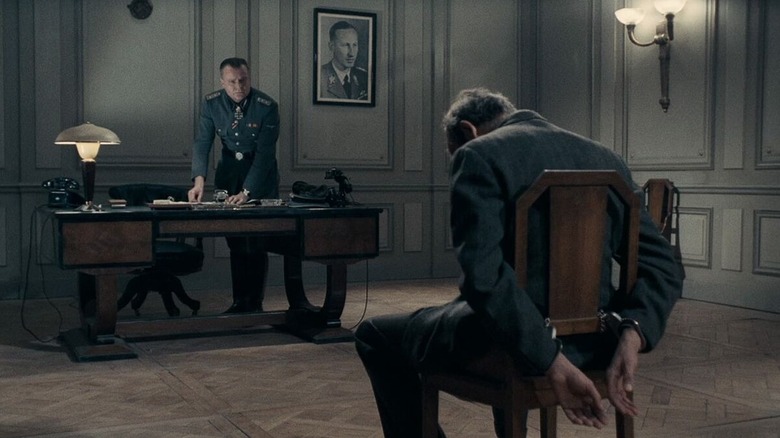
Directed by the legendary Jean-Pierre Melville, Army of Shadows is often cited by historians as the definitive film about the French Resistance. However, it was largely ignored by American audiences for decades due to its complicated release history. Set in 1942, the film follows Philippe Gerbier (Lino Ventura), a civil engineer and resistance leader, as he navigates the treacherous landscape of occupied France.
Unlike the romanticized versions of the Resistance seen in Hollywood, Melville’s film is a study in isolation. These are spies by necessity, not by choice. They live in a world of "shadows," using aliases, safe houses, and constant vigilance to stay one step ahead of the Gestapo. The film’s 2006 restoration and subsequent Criterion Collection release finally brought it the international acclaim it deserved, revealing a work that is as much a philosophical inquiry into duty and sacrifice as it is a thriller.
1980: The Grumpy Defector in Hopscotch
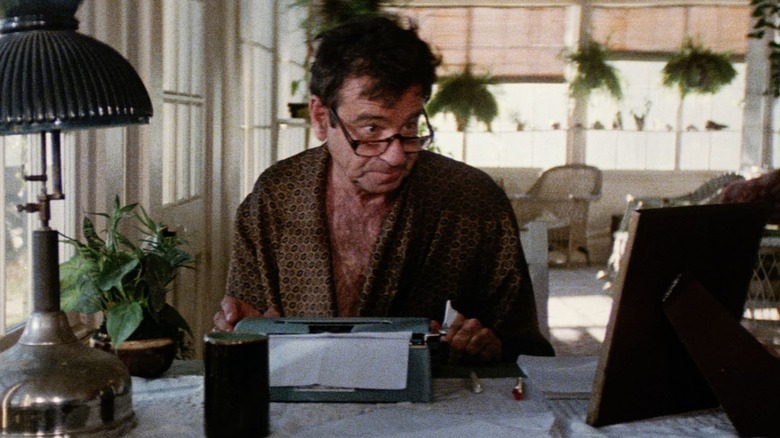
As the 1970s transitioned into the 1980s, the grim cynicism of films like The Conversation gave way to a lighter, more character-driven approach. Hopscotch stars Walter Matthau as Miles Kendig, a veteran CIA operative who is demoted to a desk job by his incompetent, power-hungry boss (Ned Beatty).
Rather than retiring quietly, Kendig goes rogue—not to sell secrets to the enemy, but to write a tell-all memoir that will embarrass the Agency. The film is a delightful "cat-and-mouse" game that trades gunfire for wit. Matthau’s hangdog charisma provides a refreshing antithesis to the hyper-competent action hero, proving that sometimes the most effective weapon in a spy’s arsenal is a well-placed sense of spite.
1992: The Digital Frontier of Sneakers
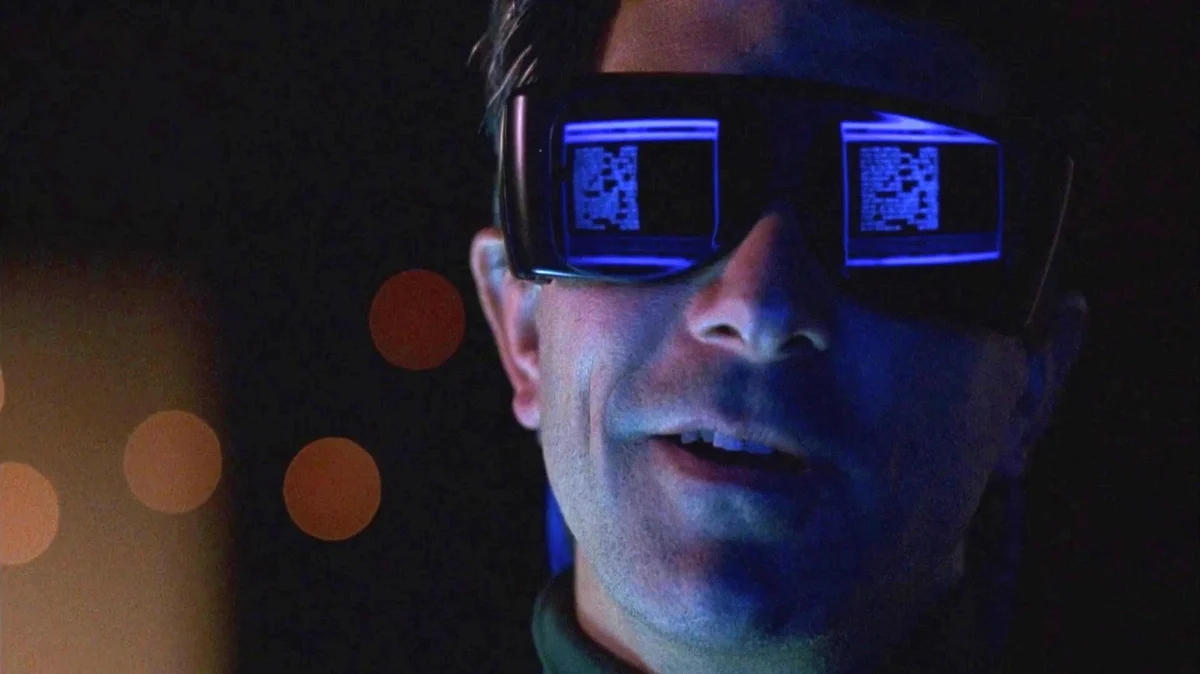
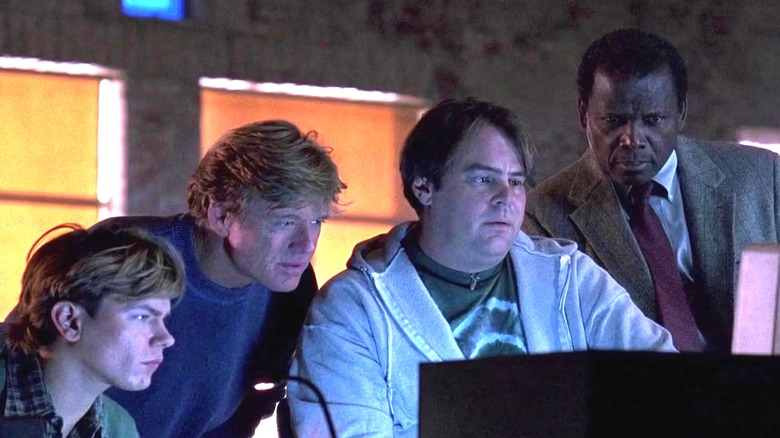
Released at the dawn of the internet age, Sneakers was remarkably prescient. It moved the battlefield from the streets of Berlin to the silicon chips of San Francisco. Robert Redford stars as Martin Bishop, the leader of a "penetration testing" team—specialists hired by companies to find flaws in their security systems.
The film’s ensemble cast, including Sidney Poitier, Dan Aykroyd, and River Phoenix, creates a "found family" dynamic that grounds the high-concept plot. When Bishop’s team is coerced into stealing a "black box" capable of breaking any encryption, the film transforms into a masterclass of the heist-thriller subgenre. Sneakers remains relevant today because it understood early on that in the future, the most valuable currency would not be gold or territory, but information.
2004: The Linguistic Precision of Spartan
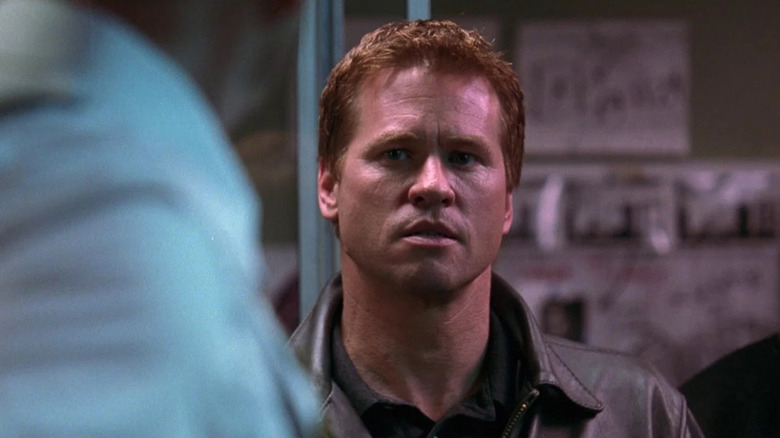
David Mamet is known for his staccato, rhythmic dialogue (often called "Mamet-speak"), and in Spartan, he applies this style to the world of special operations. Val Kilmer delivers one of his career-best performances as Robert Scott, a Delta Force operator tasked with finding the kidnapped daughter of the U.S. President.
Spartan is a "terse" film in every sense of the word. It avoids the exposition-heavy scenes typical of Hollywood thrillers, instead forcing the audience to keep up with the professional jargon and "shop talk" of its characters. As Scott peels back layers of political corruption, the film evolves into a neo-noir that questions the morality of "just following orders."
2006: The Satirical Sting of OSS 117: Cairo, Nest of Spies
While Austin Powers parodied the kitsch of the 1960s, the French film OSS 117 parodies the genre’s DNA. Jean Dujardin plays Hubert Bonisseur de La Bath, a spy who is as dashing as he is dim-witted. Set in 1955 Cairo, the film is a visual marvel, meticulously recreating the Technicolor aesthetic of early Bond and Hitchcock films.
The brilliance of OSS 117 lies in its subversion. Hubert is a relic of colonial arrogance—blissfully unaware of cultural nuances and profoundly sexist. By making the protagonist the butt of the joke, director Michel Hazanavicius and Dujardin create a sharp critique of the "Great White Savior" trope that has historically plagued the spy genre.
III. Supporting Data: Critical Reception and Technical Merit
The longevity of these films can be attributed to their high technical standards and the "critical second life" they have enjoyed through boutique home media labels.
| Film | Director | Notable Cast | Rotten Tomatoes Score | Key Technical Element |
|---|---|---|---|---|
| Army of Shadows | Jean-Pierre Melville | Lino Ventura | 97% | Desaturated cinematography |
| Hopscotch | Ronald Neame | Walter Matthau | 83% | Mozart-infused soundtrack |
| Sneakers | Phil Alden Robinson | Robert Redford | 81% | James Horner’s jazz-fusion score |
| Spartan | David Mamet | Val Kilmer | 64% | Minimalist, rhythmic dialogue |
| OSS 117: Cairo | Michel Hazanavicius | Jean Dujardin | 77% | Vintage 1950s film stock look |
Note: Scores reflect current critical aggregates which often skew higher for older films upon re-evaluation.
The technical achievements of Sneakers are particularly noteworthy. The film’s use of sound design—specifically in the scene where David Strathairn’s blind character, Whistler, identifies a location based on ambient noise—is still studied in film schools for its ingenuity. Similarly, the 2006 U.S. release of Army of Shadows was so impactful that the New York Film Critics Circle took the unprecedented step of awarding it "Best Foreign Language Film" nearly 40 years after its production.
IV. Official Responses and Industry Legacy
While some of these films were modest box office successes, their true "official response" has come from the filmmakers they influenced.
- The Melville Influence: Directors like Quentin Tarantino and Michael Mann have frequently cited Jean-Pierre Melville as a primary influence. The "cool," detached professional criminal/spy seen in modern cinema owes its existence to the archetypes established in Army of Shadows.
- The Mamet Standard: Spartan remains a favorite among military veterans and intelligence officers for its realistic depiction of "the grind" and its refusal to glamorize the violence of the profession.
- The Hazanavicius Breakthrough: The success of OSS 117 directly led to the creative partnership between Hazanavicius and Dujardin that resulted in The Artist (2011), which won five Academy Awards, including Best Picture. It proved that international audiences were hungry for stylistic throwbacks executed with modern sensibilities.
V. Implications: Why These Films "Hold Up" in the 2020s
The enduring relevance of these five films suggests a shift in what audiences value in a thriller. In an era of "deep fakes," mass surveillance, and geopolitical instability, the themes explored in these "forgotten" movies feel more contemporary than ever.
- Authenticity over Spectacle: Army of Shadows and Spartan remind us that real heroism is often quiet, lonely, and morally grey. As audiences grow weary of CGI-laden set pieces, the grounded tension of these films offers a visceral alternative.
- The Human Element in Technology: Sneakers predicted a world where "it’s not about who has the most bullets, but who controls the information." In the age of big data, the film’s central conflict remains the defining struggle of our time.
- The Power of Subversion: Hopscotch and OSS 117 demonstrate that the best way to keep a genre alive is to poke fun at its tropes. By deconstructing the "super-spy," these films allow the audience to engage with the genre without having to accept its more problematic or dated assumptions.
Ultimately, these five films serve as a reminder that the spy thriller is at its best when it looks past the gadgets and the glamour to find the human heart beating beneath the trench coat. Whether through the lens of a 1940s resistance fighter or a 1990s computer hacker, these stories endure because they capture the universal thrill of the secret—and the heavy price of keeping it.