The Resurgence of Urban Flight: An In-Depth Look at G-Rebels and the Legacy of G-Police
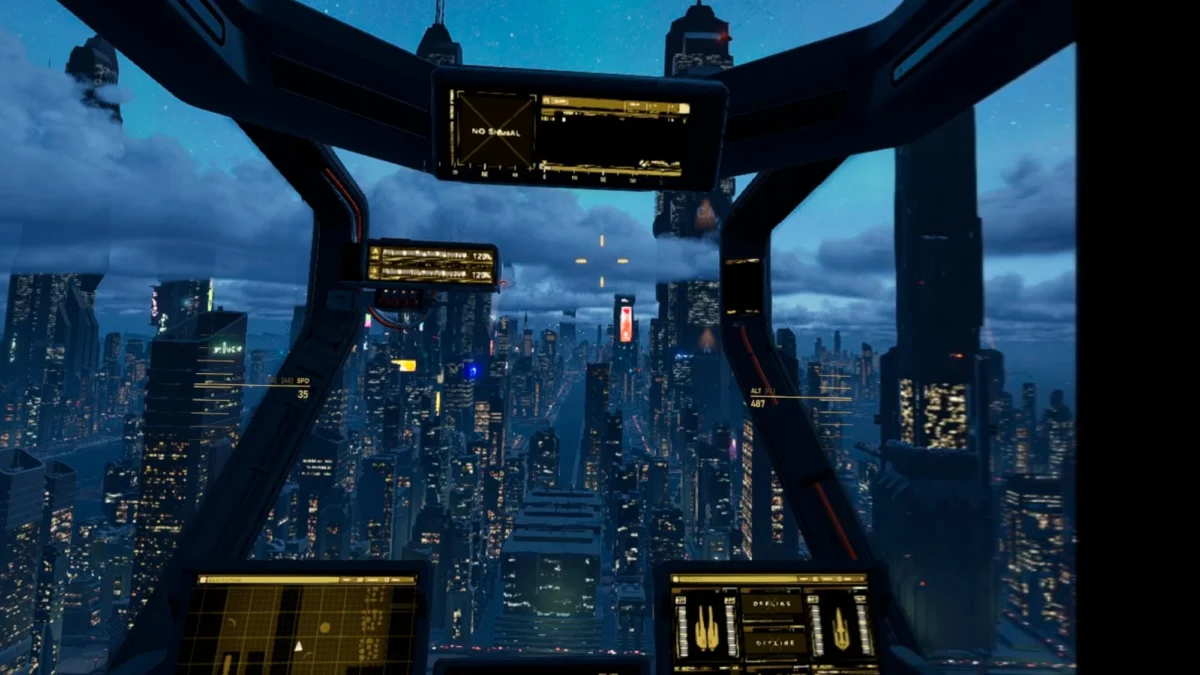
The landscape of flight simulation has, for the better part of a decade, been dominated by two extremes: the hyper-realistic terrestrial simulation of Microsoft Flight Simulator and the cold, vacuum-sealed expanses of space-faring epics like Elite Dangerous or Star Citizen. However, a middle ground has long sat dormant—the gritty, claustrophobic, and neon-soaked world of urban flight combat. Reakktor Studios has officially stepped into this void with the Early Access launch of G-Rebels on Steam.
Positioned as a spiritual successor to the 1997 cult classic G-Police, G-Rebels attempts a feat that is as technically daunting as it is creatively ambitious: delivering a high-fidelity, story-driven, semi-open-world flight sim that supports both traditional displays and Virtual Reality (VR) from day one. While the initial "take-off" has been met with some turbulence, the core of the experience suggests that Reakktor Studios may have captured lightning in a bottle—or more accurately, lightning over the rain-slicked skyscrapers of a dystopian future.
I. Main Facts: The Blueprint of G-Rebels
At its core, G-Rebels is a dual-stick flight simulator that prioritizes maneuverability and environmental interaction over the orbital mechanics of space sims. Developed by Reakktor Studios and published by Senatis, the game entered Early Access on July 20, 2026, with a retail price of $29.99.
Project Overview
- G-Rebels
- Developer: Reakktor Studios
- Publisher: Senatis
- Platform: PC (Steam), with full VR support (Meta Quest 3 via Link/Virtual Desktop, Valve Index, etc.)
- Genre: Story-driven Sci-Fi Flight Simulator
- Setting: Daevos City, a sprawling, multi-layered metropolis.
- Price Point: $29.99 (Early Access)
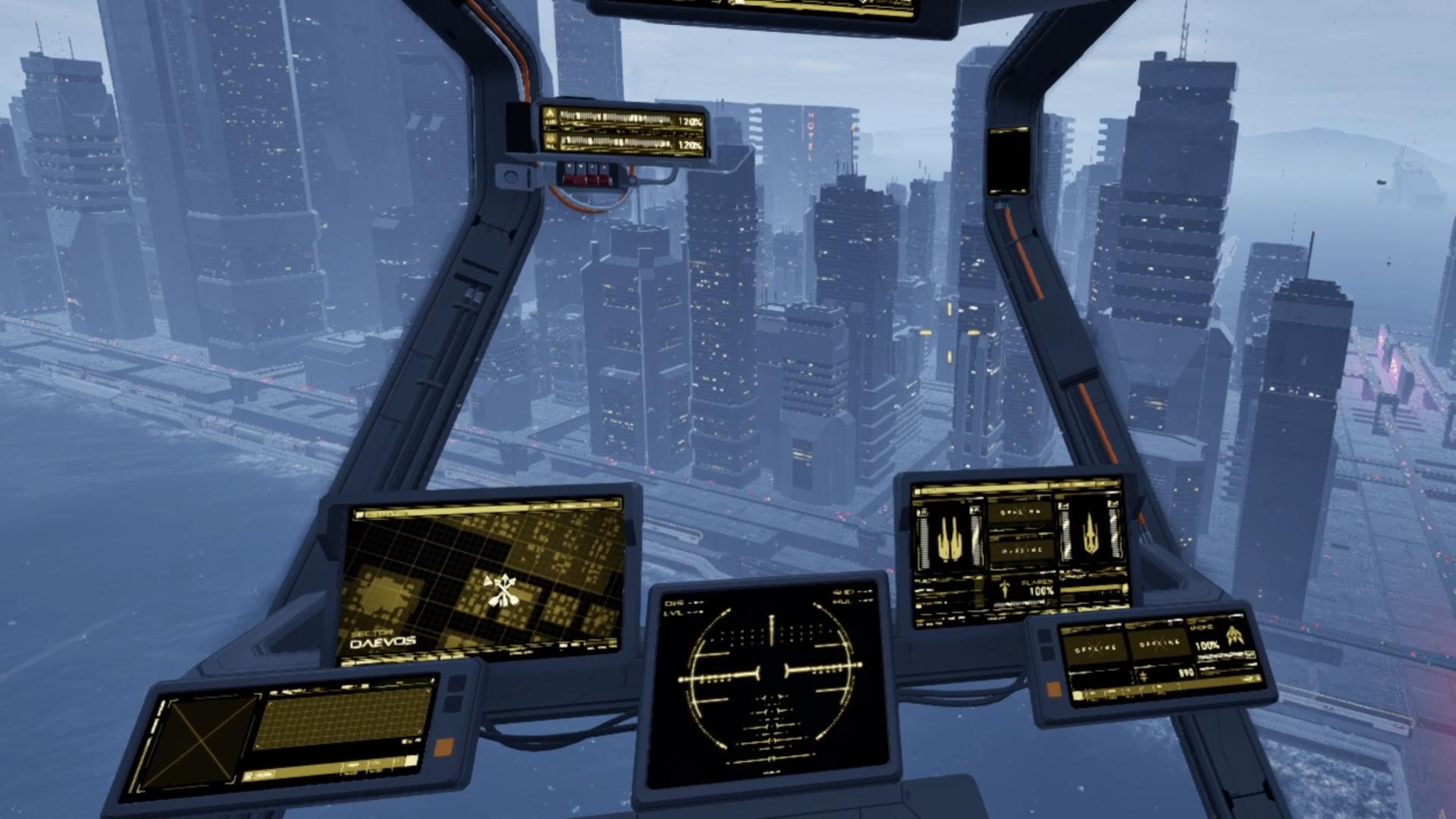
The game places players in the cockpit of the X-Type Skyblade, an experimental prototype designed for high-stakes urban intervention. Unlike many modern titles that lean into procedural generation, G-Rebels focuses on a handcrafted narrative experience. Players take on the role of a test pilot for "Okktane," a corporate entity that blurs the line between a private military contractor and a city-wide police force. The game features a single-player campaign supplemented by a variety of "street" activities, ranging from high-speed racing to illicit smuggling operations.
II. Chronology: From Launch to Initial Patch Cycles
The journey of G-Rebels from announcement to its current Early Access state has been one of high expectations and rapid post-launch iteration.
July 20, 2026: The Launch
G-Rebels arrived on Steam to immediate interest from the VR community and fans of the original G-Police. The initial reception praised the game’s atmosphere and flight physics but was quickly tempered by reports of significant technical hurdles. VR users, in particular, reported a "right-eye rendering bug" that made the game nearly unplayable in headsets, alongside frequent desktop crashes.
July 21 – July 27, 2026: The First Week of Turbulence
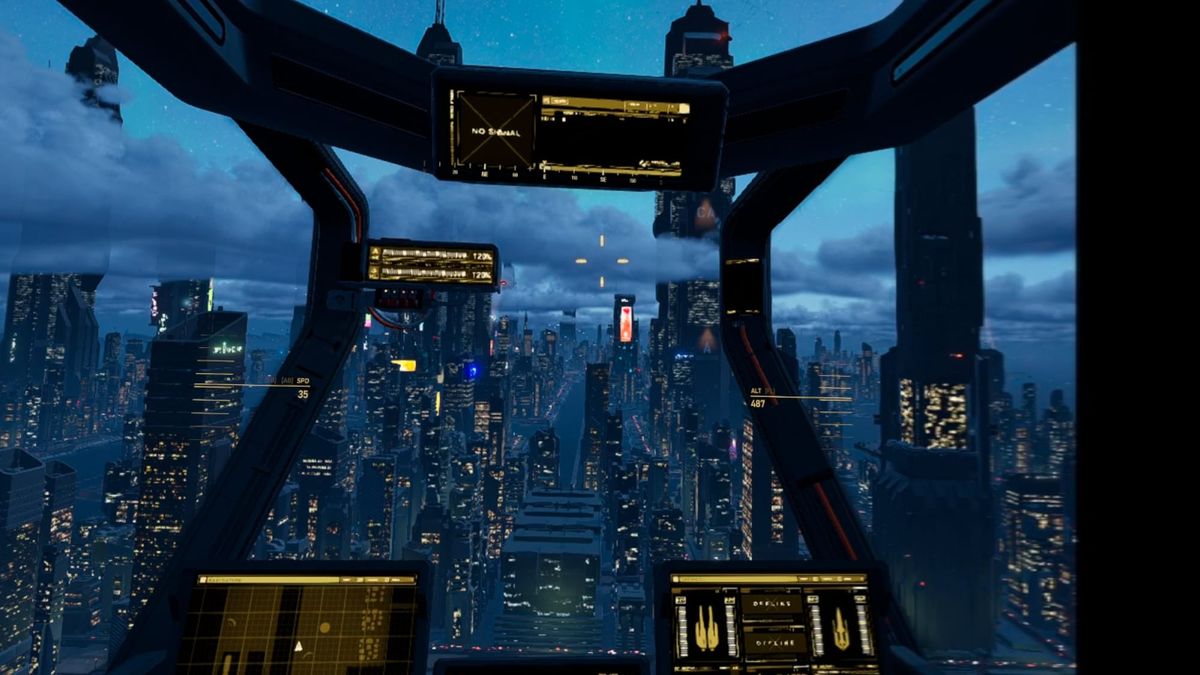
In the days following the launch, the community provided a deluge of feedback regarding performance optimization. While the flatscreen version of the game remained relatively stable, the VR implementation struggled with frame rate consistency and "hard locks" during mission restarts. Players using high-end hardware (such as RTX 4090s) noted that while the game looked stunning, the overhead of the dynamic weather systems and high-density traffic in Daevos City required significant tuning.
Late July 2026: The First Major Stability Patch
Reakktor Studios responded with a "Day 7" patch specifically targeting the VR rendering bugs. This update addressed the stereoscopic issues and improved the stability of the SteamVR and OpenXR runtimes. The developer also released a formal roadmap, committing the first four to six weeks of the Early Access period exclusively to technical stabilization and VR polish before moving on to new content.
III. Supporting Data: The Pillars of Gameplay and Setting
To understand why G-Rebels has garnered such a dedicated following despite its early technical flaws, one must look at the three pillars of its design: the setting, the flight model, and the mission structure.
1. Daevos City: A Vertical Playground
Daevos City is not merely a backdrop; it is the game’s primary antagonist and ally. The city is characterized by:
- Dense Verticality: Skyscrapers act as canyons, requiring players to master "drifting" and lateral movement to navigate tight corners.
- Dynamic Systems: A full day-night cycle and a sophisticated weather system. The inclusion of volumetric rain and lightning strikes provides a sense of immersion that is rare in the genre.
- Living Traffic: Hundreds of civilian and commercial vehicles populate the airlanes, creating a "moving obstacle course" that reinforces the sense of speed.
2. The Flight Model: 6DOF and Physics-Based Combat
The X-Type Skyblade feels heavy yet responsive. Drawing DNA from Descent, the game utilizes a six-degrees-of-freedom (6DOF) movement system.
- Control Versatility: While the game is playable on Keyboard/Mouse and Gamepads, it shines with HOTAS (Hands-On Throttle-And-Stick) or HOSAS (Hands-On Sub-And-Stick) setups.
- Sense of Momentum: Unlike space sims where there is no friction, G-Rebels simulates atmospheric drag and gravity, meaning every dive and sharp turn carries a physical weight that players must learn to compensate for.
3. Content and Activities
The campaign offers a "moral flexibility" system. Early missions involve partnering with a veteran pilot who introduces the player to the criminal underbelly of Daevos. Players can choose to:
- Uphold Corporate Law: Complete bounties, scan for contraband, and protect Okktane assets.
- Embrace the Underground: Engage in smuggling missions that require flying "below the radar" to avoid police detection.
- Competitive Racing: Participate in "street" races through the city’s lower sectors, testing pure piloting skill against AI opponents.
Data from early players suggests that even in its current state, the game offers over 20 hours of content for those who engage with both the main story and side activities.
IV. Official Responses and Technical Roadmap
Reakktor Studios has been transparent about the "Rough and Ready" nature of the Early Access launch. In official communications via Steam Community hubs and Discord, the developers have acknowledged that the technical ambition of the project initially outpaced the stability of the VR build.
Developer Statement Summary:
"Bringing a technically ambitious flatscreen game to VR on day one is a massive feat. We recognize that for some, the initial experience has been marred by crashes. Our priority for the next month is not new ships or new missions, but ensuring that every pilot can fly through Daevos City without a system lock-up."
The 4-6 Week Technical Roadmap Includes:
- Optimization of the "Right-Eye" Rendering: Ensuring consistent depth perception across all major HMDs (Head-Mounted Displays).
- Memory Leak Fixes: Addressing the frame rate degradation that occurs during extended play sessions.
- HOSAS/HOTAS Mapping Improvements: Streamlining the process for players to bind complex flight peripherals.
- UI/HUD Refinement: Enhancing the legibility of in-cockpit displays, which can currently be difficult to read in lower-resolution VR headsets.
V. Implications: The Future of the Genre
The arrival of G-Rebels signifies more than just a new game; it represents a potential revival of the "Urban Flight" subgenre. Since the late 90s, the industry has largely moved away from the complex, atmospheric flight combat seen in titles like G-Police or Incoming.

For the VR Industry
G-Rebels serves as a case study for the "VR-Optional" development path. By building a high-end flatscreen game and then integrating VR, Reakktor Studios is targeting a wider audience while satisfying the niche VR enthusiast market. However, the launch struggles highlight the "VR Tax"—the immense computational and QA cost required to make a game work in stereoscopic 3D at high refresh rates. If Reakktor succeeds in stabilizing the game, it could provide a blueprint for other indie developers looking to enter the "AA" simulation space.
For the Simulation Community
The game’s success—evidenced by players purchasing expensive HOSAS setups specifically for this title—proves that there is a deep hunger for sophisticated flight models outside of the traditional military or space settings. The "moral flexibility" in the narrative also suggests a move toward more "RPG-lite" elements in simulations, where the player’s identity as a pilot is tied to their choices within a living world, rather than just their kill count.
Conclusion
G-Rebels is currently a diamond in the rough. It is a game of immense scale, breathtaking visual fidelity, and a flight model that stands among the best in the medium. While the "crash landings" of its first week are a valid concern for potential buyers, the foundation built by Reakktor Studios is remarkably solid. For those willing to navigate the early technical turbulence, G-Rebels offers a glimpse into the future of immersive flight—a future where the sky is not a limit, but a sprawling, neon-lit playground.