Into the Collective Subconscious: A Deep Dive into Dream Hackers VR
The old adage suggests that if one closes their eyes and remains perfectly still, it is biologically impossible to stay awake for more than seven minutes. While the scientific validity of that claim remains a subject of debate, the experience of stepping into Dream Hackers VR offers a different kind of neurological challenge. Within significantly less than seven minutes, the title manages to seize the player’s attention with such intensity that sleep is the furthest thing from the mind.
Developed by ARVI VR Inc., Dream Hackers VR is an upcoming action-adventure roguelike that seeks to redefine the "indie" label in the virtual reality space. Following an extensive preview of a demo provided by the developers, it has become clear that this is not merely another wave-based shooter. Instead, it is a meticulously crafted descent into a surrealist landscape that blends high-concept art direction with the mechanical polish typically reserved for high-budget, "AAA" productions.
I. Main Facts: The Architecture of a Digital Dream
Dream Hackers VR positions itself as a "made-for-VR" experience, a distinction that becomes apparent through its heavy reliance on physical interaction and environmental depth. The game is scheduled for a full release in 2027, with a public demo slated for the fourth quarter of 2026.
Core Specifications
- Dream Hackers VR
- Genre: Action-Adventure Roguelike
- Developer/Publisher: ARVI VR Inc.
- Platform: SteamVR (Tested via Meta Quest 3S and Steam Link)
- Release Window: 2027 (Demo Q4 2026)
- Mode: Single-player
- Key Mechanics: Kinetic gunplay, environmental puzzle-solving, surrealist exploration, and roguelike progression.
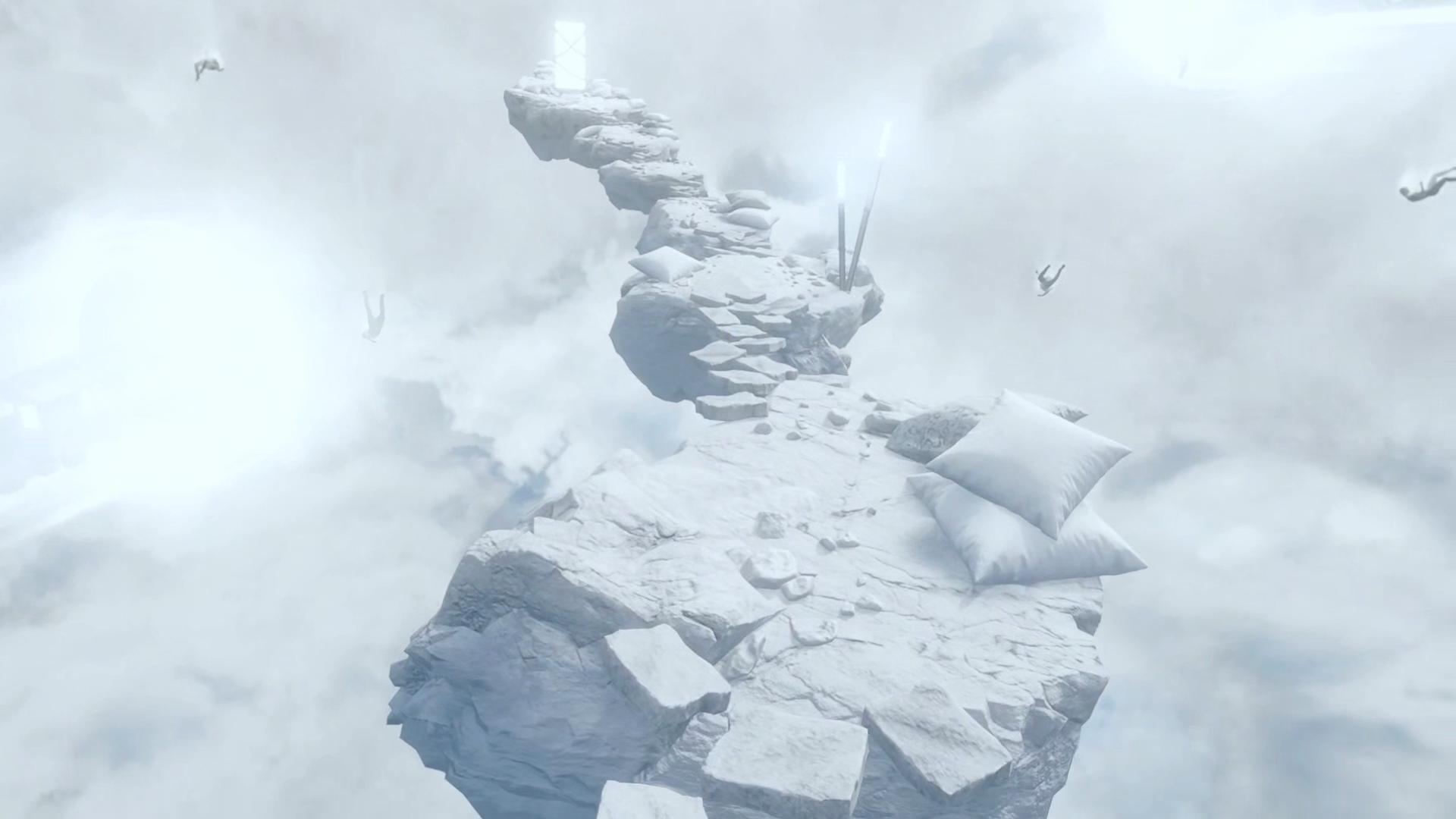
The game tasks players with navigating "Dream Layers"—subconscious realms born from collective dreams. These layers are populated by "living nightmares" and ancient, towering bosses. To survive, players are granted an arsenal of energy-based weaponry, outlandish tools, and magical potions, all while uncovering a narrative hidden within the shifting architecture of the mind.
II. Chronology: The Road to 2027
The development timeline for Dream Hackers VR suggests a long-term commitment to quality over rapid iteration. While many VR titles opt for early access models to fund ongoing development, ARVI VR appears to be following a more traditional, high-polish production cycle.
- Early Development Phase (Pre-2026): Focus on the "Dream Engine" mechanics, establishing the surrealist art style, and perfecting the tactile feel of the weaponry.
- The Preview Period (Current): Selected media outlets and industry insiders have been granted access to an early build to test the core loop of combat and exploration.
- The Demo Milestone (Q4 2026): A public-facing demo is scheduled for late 2026, allowing the broader SteamVR community to provide feedback on balance and technical performance.
- Full Launch (2027): The final release is projected for 2027. This distant date indicates that the developers are aiming for a massive scope, likely featuring multiple "Dream Layers," each with distinct biomes and narrative arcs.
III. Supporting Data: Analyzing the "Dream" Experience
The strength of Dream Hackers VR lies in its cohesion. Unlike many indie VR titles that feel like a collection of disconnected assets, every element here feels intentional.
1. Visual Artistry and World Design
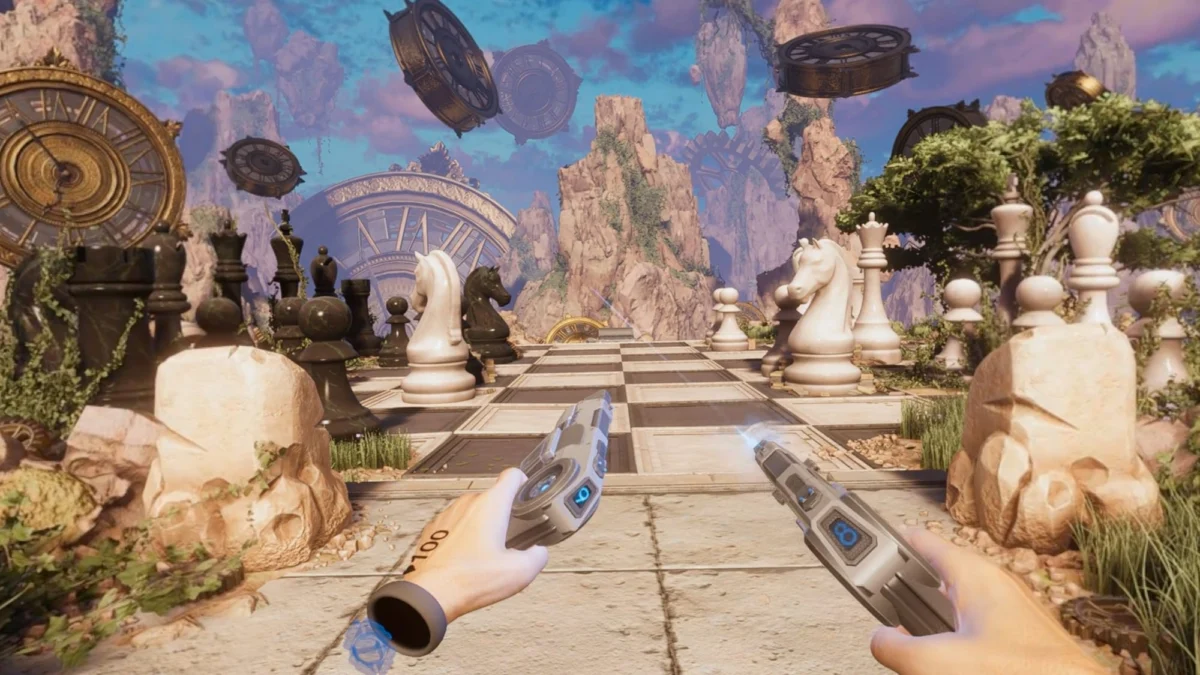
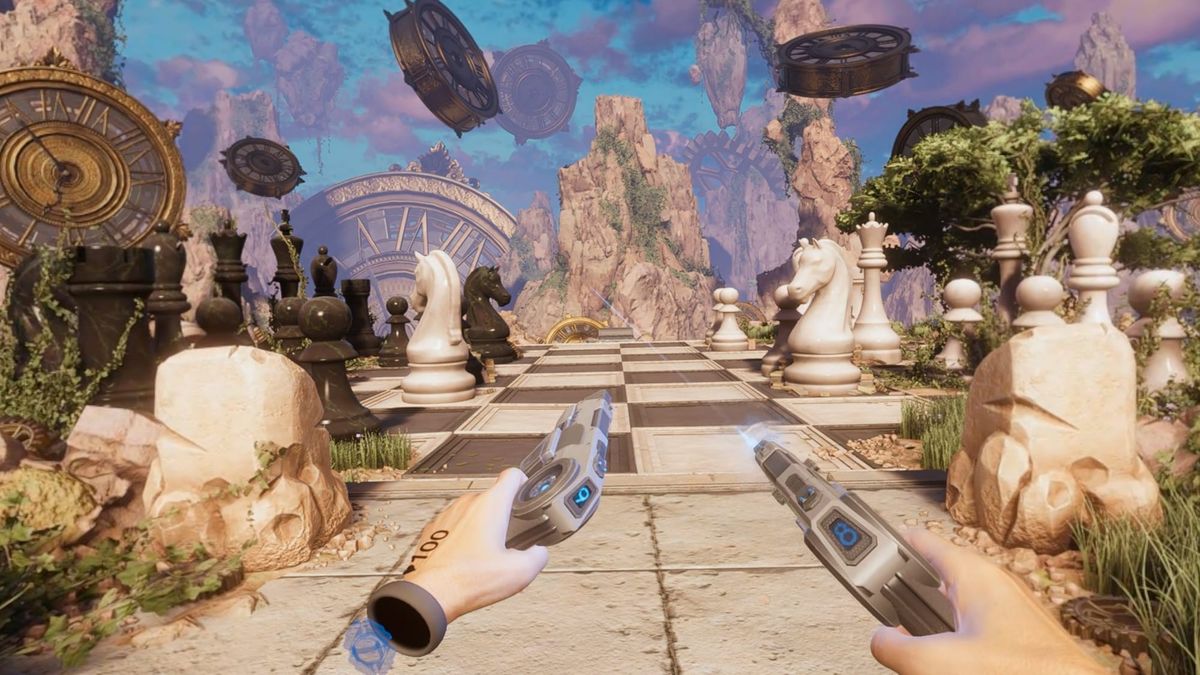
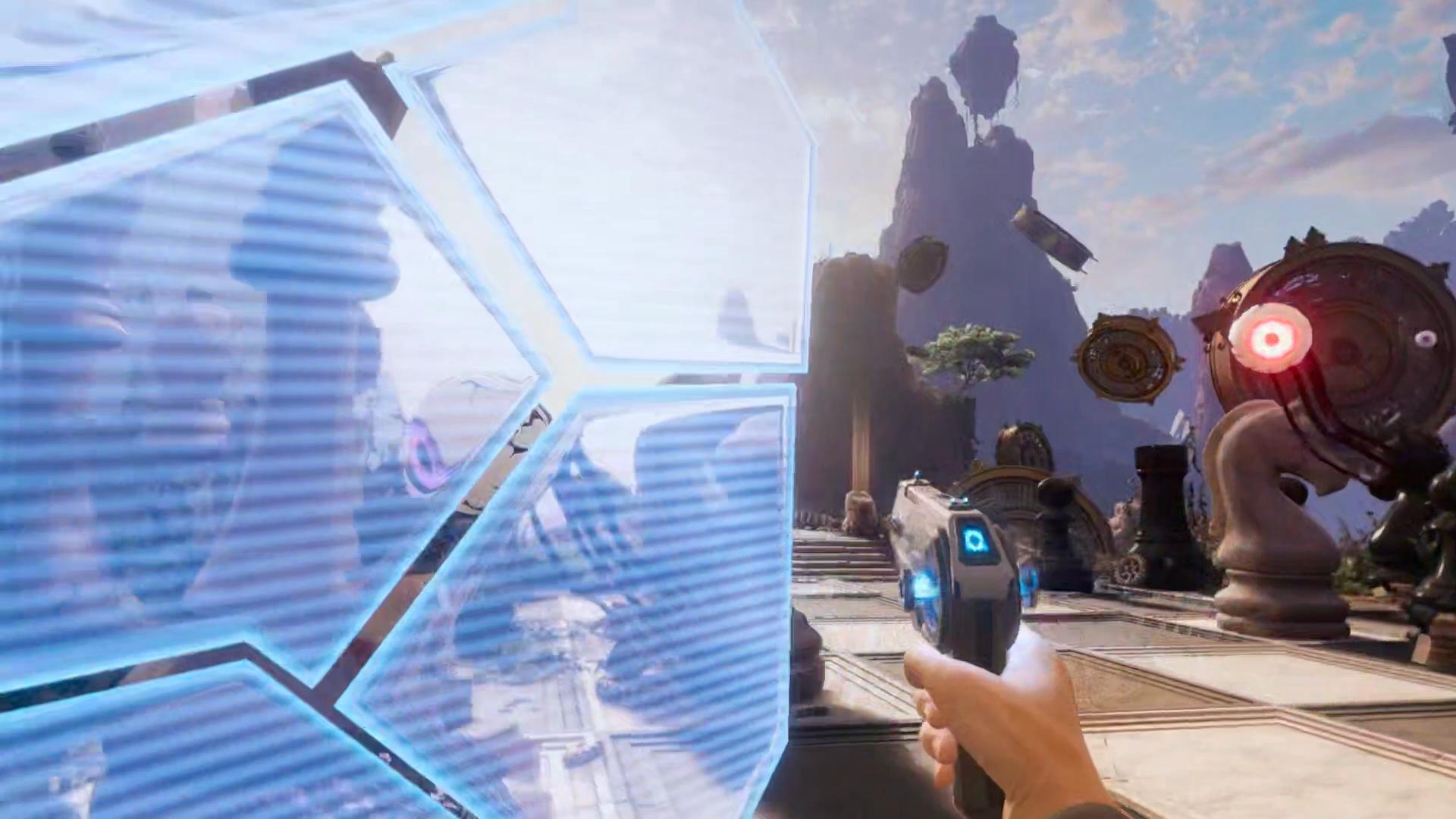
The game’s aesthetic is its most immediate triumph. It avoids the generic "sci-fi" or "fantasy" tropes, opting instead for what can only be described as "impossible architecture." Environments shift and breathe; corridors may lead to vistas that defy gravity, and colors are utilized not just for beauty, but for thematic resonance.
The level of interactability is notably high. Almost every object in the environment responds to the player’s touch or ballistic impact, grounding the surreal visuals in a physical reality. This "human touch" in the design helps the world feel alive rather than procedurally generated, even within its roguelike framework.
2. Combat Mechanics and Arsenal
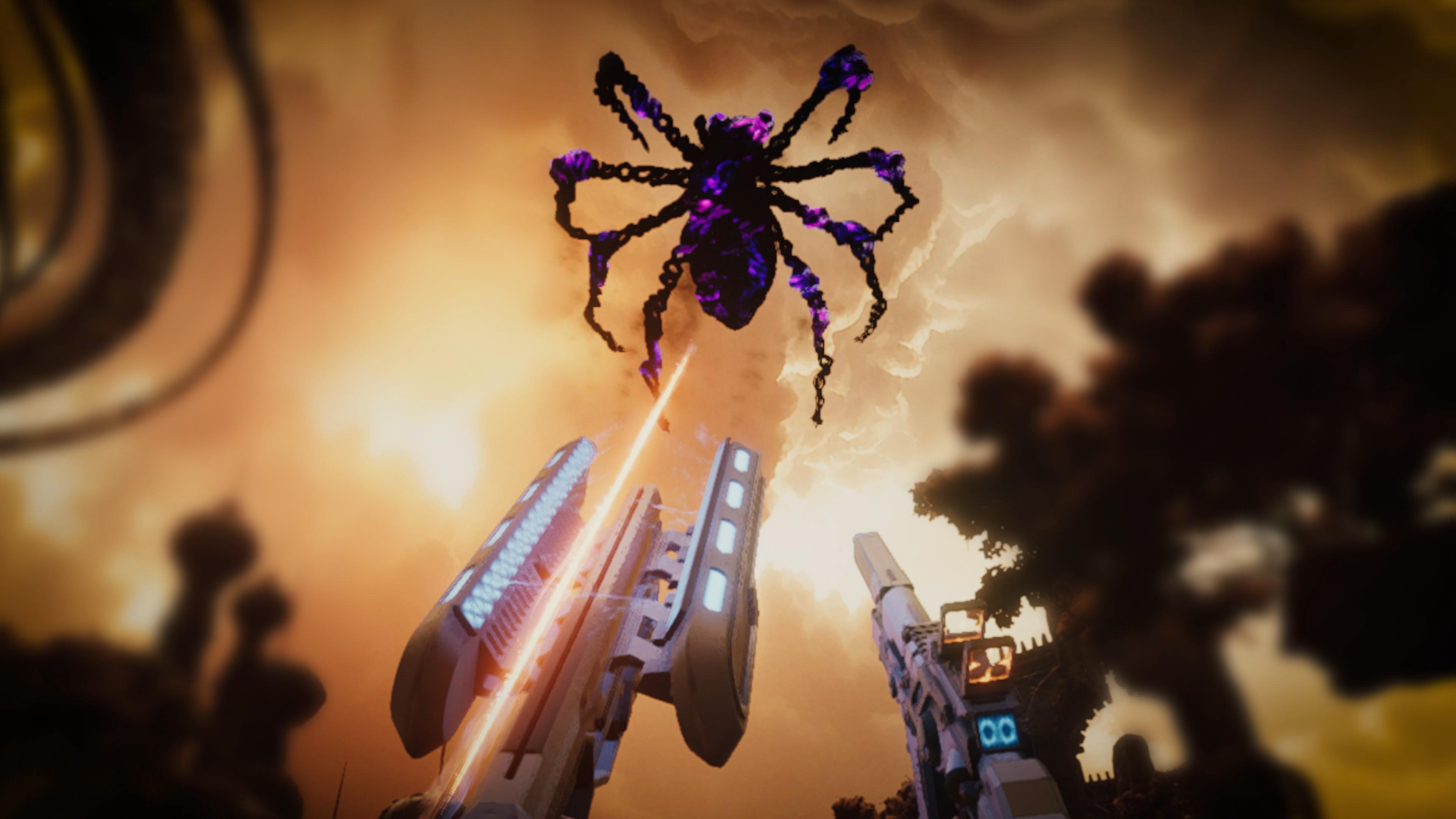
Combat in Dream Hackers VR is fast-paced and viscerally satisfying. The demo showcased several weapon types, including:
- Energy Pistols: Precise, semi-automatic weapons for mid-range encounters.
- Kinetic Shotguns: High-impact tools for clearing "nightmares" that close the distance.
- Automatic Rifles: Rapid-fire energy weapons for managing large waves of enemies.
Beyond firearms, the game introduces "tools of the trade" such as an energy shield for defensive maneuvers and an "anomaly absorber" for environmental interaction. The combat loop is punctuated by dual-wielding capabilities and an "instant-swap" system that allows players to adapt to the shifting behaviors of their foes on the fly.
3. Technical Performance and Accessibility
During testing, the game demonstrated remarkable optimization. Even on a mid-range, aging PC setup (AMD Ryzen 7 3700X, 32 GB RAM, and an NVIDIA GeForce RTX 2070 Super), the game maintained a stable frame rate without sacrificing visual fidelity.
Accessibility is also a clear priority. The game offers:
- Locomotion: Smooth movement and joystick turning for veteran VR users.
- Comfort Options: Teleportation and snap-turning for those prone to motion sickness.
- Interface: A minimalist HUD that keeps the player immersed in the world rather than buried in menus.
4. Areas for Improvement: The Audio Gap
While the visual and mechanical aspects are near-AAA quality, the current build’s audio department requires refinement. The voice acting currently bears the hallmarks of AI generation—lacking the emotional nuance required for a narrative-driven experience. Furthermore, the combat music, characterized by repetitive guitar riffs, occasionally clashes with the sophisticated, atmospheric scores found during exploration phases.
IV. Official Responses and Developer Philosophy
While ARVI VR Inc. has kept specific plot details under wraps, their messaging through the preview build is clear: they are aiming for a "Game of the Year" contender.
The developers have emphasized that Dream Hackers VR is built on the philosophy that VR games should not be "smaller versions" of flatscreen games. By referencing titles like Expedition 33 in terms of visual ambition, ARVI VR is signaling that they view the VR market as ready for deep, high-fidelity experiences that demand long development cycles.
In response to early feedback regarding the audio, sources close to the production suggest that the current soundscape includes "placeholder" elements. The developer’s focus remains on the "Dream Layers" logic and combat balance, with a full orchestral and professional voice-acting pass expected closer to the 2026 demo release.
V. Implications: The Future of the VR Roguelike
The emergence of Dream Hackers VR carries significant implications for the virtual reality industry and the roguelike genre at large.
1. The "AAA-Indie" Hybrid
We are witnessing the birth of a new tier of VR development. As hardware like the Meta Quest 3 and high-end PCVR headsets become more common, the gap between "indie" and "AAA" is blurring. Dream Hackers VR represents a shift where small teams use modern tools to produce visuals and mechanics that were once the exclusive domain of massive studios.
2. The Maturation of VR Narrative
For years, VR "experiences" were often short-lived gimmicks. By integrating a complex narrative involving the "collective subconscious" into a repeatable roguelike loop, ARVI VR is attempting to solve the problem of longevity in VR gaming. If successful, it could set a template for how to marry story with high-replayability mechanics.
3. Hardware Longevity
The decision to target a 2027 release date is a strategic one. By that time, the "entry-level" VR hardware will likely be significantly more powerful than today’s mid-range PCs. Dream Hackers VR is being built for the future, ensuring that when it finally launches, it won’t just be a good game for 2024, but a standard-setter for the next generation of headsets.
Final Assessment
Dream Hackers VR is a rare specimen in the current VR landscape. It is a game that understands the "magic" of the medium—the ability to transport a player to a place that could not exist in any other format. Its blend of handcrafted surrealism, punishing but fair combat, and clever environmental puzzles suggests a level of maturity in design that is often missing from the platform.
While the 2027 release date feels like a long wait, the level of polish displayed in the current preview suggests that the time will be well-spent. If ARVI VR can resolve the minor audio inconsistencies and expand the scope of the "Dream Layers" without losing the meticulous detail of the demo, they may very well be crafting the definitive VR experience of the late 2020s. For now, it remains the most promising title on the horizon—a dream worth waiting for.