From Animation to Interaction: How ‘A Journey’s End’ Bridges the Gap Between Studio Ghibli and Paper Mario
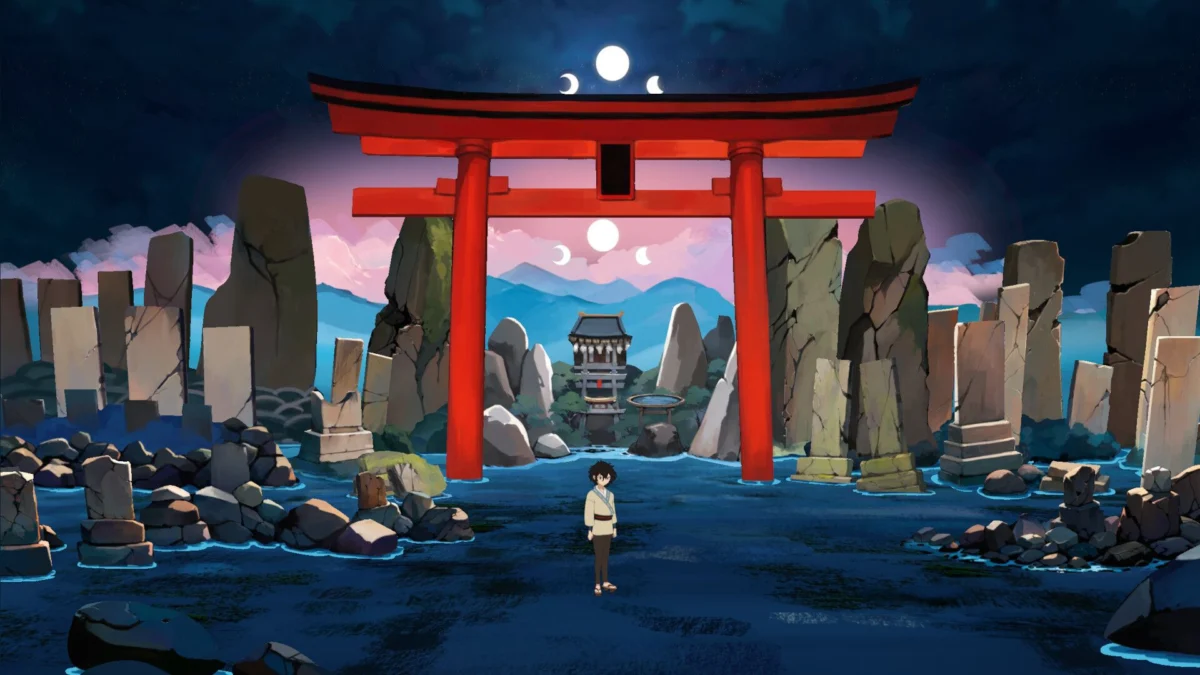
The landscape of independent game development has long been a fertile ground for homages to the titans of animation and classic RPG mechanics. Few names carry as much weight in the realm of visual storytelling as Studio Ghibli, and specifically, Hayao Miyazaki’s 2001 masterpiece, Spirited Away. For over two decades, the film has served as a North Star for creators seeking to capture a specific blend of whimsy, melancholy, and environmental storytelling. Now, a new contender titled A Journey’s End seeks to synthesize the atmospheric depth of Ghibli with the tactile, rhythmic gameplay of Nintendo’s Paper Mario series.
Developed by Yobob Games—the creative force behind the unconventional farming-horror title Harvest Island—A Journey’s End represents a sophisticated evolution of the "Ghibli-core" subgenre. By blending 2.5D aesthetics with 3D environmental navigation and a unique stealth-based noise mechanic, the project aims to do more than just mimic an art style; it seeks to simulate the experience of being lost in a world that is as dangerous as it is beautiful.
Main Facts: A New Vision of the Spirit Realm
A Journey’s End is an upcoming adventure-platformer that places players in the shoes of a young boy trapped within a sprawling, supernatural bathhouse. The narrative stakes are clear and urgent: the protagonist must fulfill the demands of the bathhouse’s spectral clientele to find a way home before the commencement of the "Spirit Feast Festival," an event that carries ominous undertones for any human caught in the spirit world.
The game is characterized by several core pillars:
- Atmospheric Homage: The setting and character designs draw heavy, explicit inspiration from the bathhouse in Spirited Away, focusing on the "invisible labor" of maintaining a magical facility.
- Hybrid Gameplay: It utilizes a "Paper Mario" visual style—flat, 2D-rendered characters navigating a 3D space—while incorporating traditional platforming and task-management systems.
- The Noise Mechanic: A central survival feature where every movement generates sound. If a player is too reckless, they attract the attention of "shark spirits" and other predatory entities.
- Development Status: Currently in early development for PC (Steam), with a playable demo targeted for release before the end of 2026.
Chronology: The Evolution of Yobob Games
To understand the trajectory of A Journey’s End, one must look at the history of its developer, Yobob Games. The studio first gained attention with Harvest Island, a game that subverted the "cozy farming sim" trope by introducing psychological horror and mystery elements. This experience in blending comfort with tension appears to be the foundational philosophy for their new project.
In the summer of 2026, Yobob Games began sharing more transparent updates regarding the technical shift of A Journey’s End. Originally conceived as a more traditional 2.5D experience, the developer realized that the scope of the bathhouse required more depth. According to recent developer blog posts, the project underwent a significant architectural change:
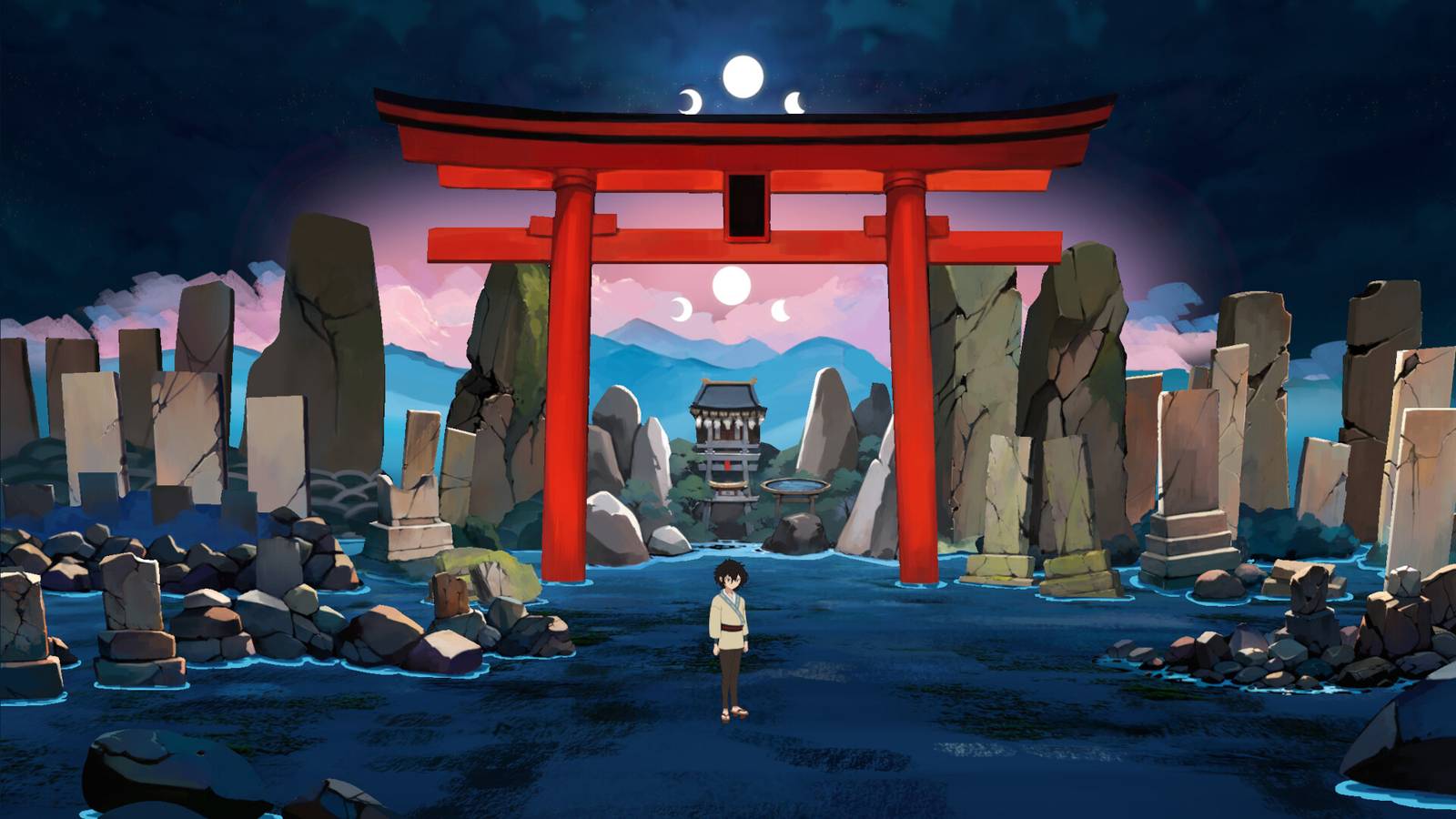
"The game leaned on a 2.5D look where art assets were drawn in 2D placed in a 3D world. The idea was to make a game like Paper Mario."
As development progressed through mid-2026, the team focused on refining the "3D-meets-2D" perspective to ensure that platforming felt precise despite the stylized art. By August 2026, the studio launched an official website and a Steam page, signaling a transition from a conceptual prototype to a high-profile indie production.
Supporting Data: Mechanics and World-Building
The gameplay of A Journey’s End is structured around the duality of servitude and survival. Unlike many fantasy games that focus on combat, this title emphasizes the mundane tasks of the spirit world, which in turn fuels the narrative progression.
The Labor System
Players are tasked with a variety of chores that mirror the work Chihiro performed in Spirited Away. These include:
- Sanitation: Cleaning massive bathtubs and wiping down grime-covered floors.
- Maintenance: Dusting cobwebs from high rafters and fueling the massive boilers that heat the bathhouse waters.
- Customer Service: Catering to the specific, often bizarre requests of the spirits who visit the establishment.
These tasks are not merely "fetch quests" but are integrated into the platforming engine. Moving a heavy fuel log to a boiler, for instance, requires navigating the 3D space while managing the boy’s physical momentum.
The Physics of Sound
Perhaps the most innovative feature is the "Noise Indicator." In most platformers, jumping and running are default actions with no consequences other than positioning. In A Journey’s End, every step generates a UI-tracked sound wave.

- Stealth Platforming: Players must time their jumps and landings. Falling from a great height creates a massive noise spike.
- The Shark Spirit: If the noise meter reaches its maximum threshold, the environment changes from a place of work to a place of hunt. The "shark spirit"—a primary antagonist—will begin chasing the player, forcing a shift into high-stakes evasion.
Official Responses and Developer Philosophy
The developer has been vocal about the importance of capturing the "vibe" of 1990s and early 2000s Japanese animation. In a recent press release, Yobob Games emphasized that the goal isn’t just to replicate a movie, but to allow players to inhabit its logic.
"The demo is currently in development, and our goal is to have it in players’ hands before the end of the year," the studio stated. This commitment to a 2026 preview suggests that the core mechanics are already stabilized.
The developer’s choice of the Paper Mario aesthetic was also a deliberate move to manage the "uncanny valley" of 3D indie games. By using high-quality 2D sprites in a 3D environment, they can achieve a level of expressive character animation that 3D models on an indie budget often struggle to reach. This "pop-up book" style complements the surreal nature of the bathhouse, making the spirits feel like paper-thin apparitions in a solid, daunting world.
Implications: The Growing "Ghibli-core" Market
The announcement and subsequent hype for A Journey’s End highlight a broader trend in the gaming industry: the institutionalization of "Ghibli-core." For years, titles like Ni no Kuni: Wrath of the White Witch (which featured actual animation from Studio Ghibli) were the outliers. Today, the aesthetic has become a shorthand for high-quality, emotionally resonant indie gaming.
The Influence on Indie Strategy
We have seen this influence in The Legend of Zelda: Breath of the Wild, which borrowed Miyazaki’s approach to nature and ruins, and Hollow Knight, which utilized his sense of "environmental melancholy." A Journey’s End represents the next step in this evolution—moving from "inspired by" to "direct thematic exploration."
By focusing on a bathhouse, Yobob Games is tapping into a specific niche of "workplace fantasy." This genre, popularized by games like Papers, Please or Spiritfarer, uses repetitive labor to ground the player in a magical world. It creates a sense of belonging and "presence" that combat-focused games often lack.
Technical Hurdles for 2.5D Development
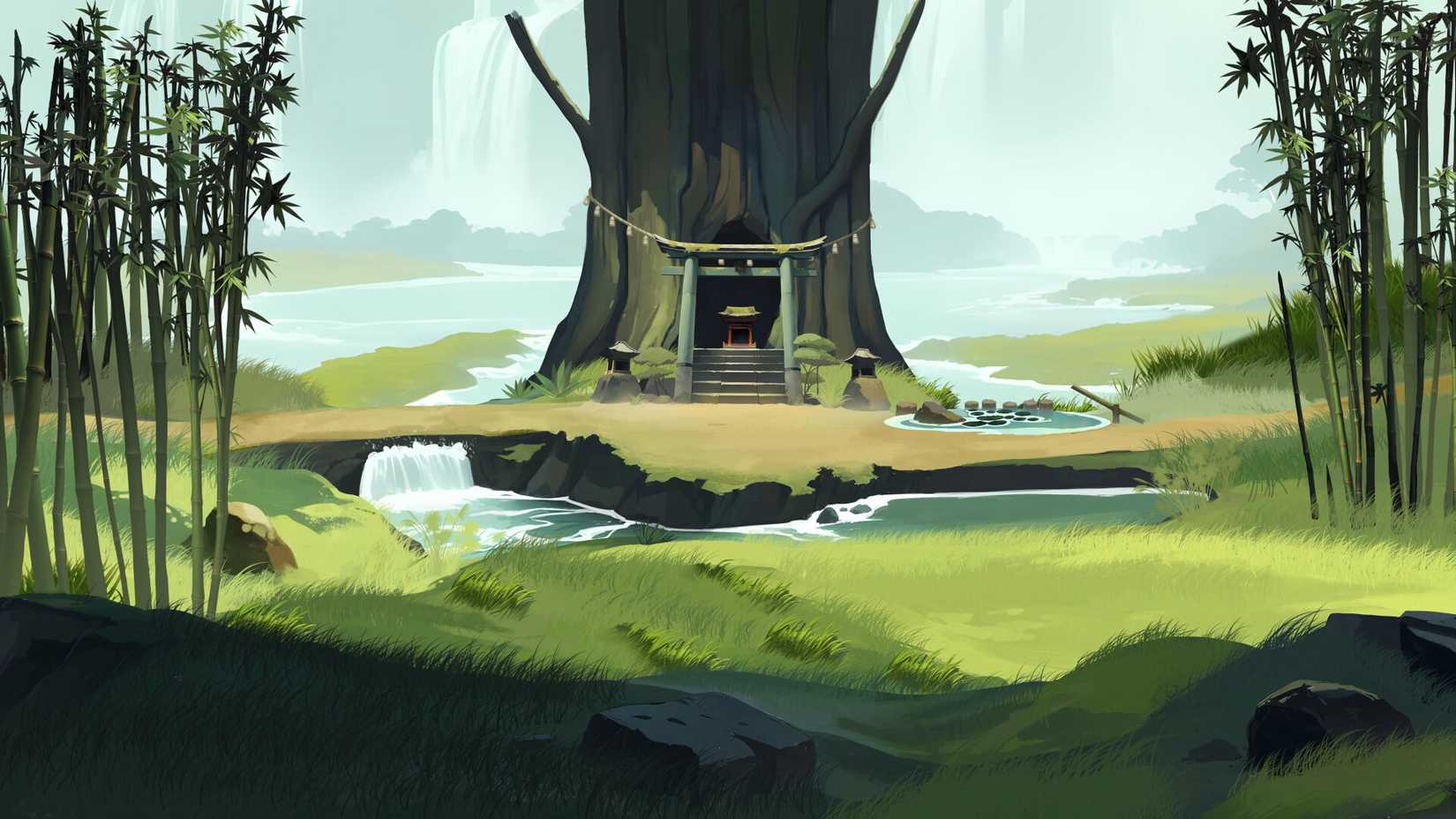
The transition from 2.5D to a 3D world is a notorious challenge for small teams. It requires a rethink of camera angles, collision detection, and lighting. The success of A Journey’s End will likely depend on how well the developer handles the "depth" of the 3D space. If the platforming feels floaty or the 2D sprites don’t align with 3D platforms, the immersion—the very thing Ghibli is known for—will be broken. However, the early screenshots and footage suggest a high level of polish in the environmental lighting, which helps ground the 2D characters in the 3D space.
Conclusion: A Journey Worth Taking?
A Journey’s End stands at the intersection of nostalgia and innovation. By taking the visual language of Spirited Away and the mechanical DNA of Paper Mario, Yobob Games is attempting to create a "playable dream."
While the indie market is crowded with atmospheric adventures, the inclusion of the noise mechanic and the specific focus on bathhouse maintenance provides a unique hook that differentiates it from its peers. As the gaming community awaits the demo later in 2026, the project remains a significant one to watch for fans of animation, stealth-platforming, and the specific brand of "cozy dread" that only a spirit-filled bathhouse can provide.
For those looking to follow the project, Yobob Games has encouraged fans to engage via their official Discord and Steam wishlist, where community feedback is actively being integrated into the final stages of the demo’s development. Whether the game can fully capture the lightning-in-a-bottle magic of Miyazaki remains to be seen, but its foundations are undeniably strong.