From "Lesser" Art to Global Mythology: The Evolution of Stan Lee’s Legacy
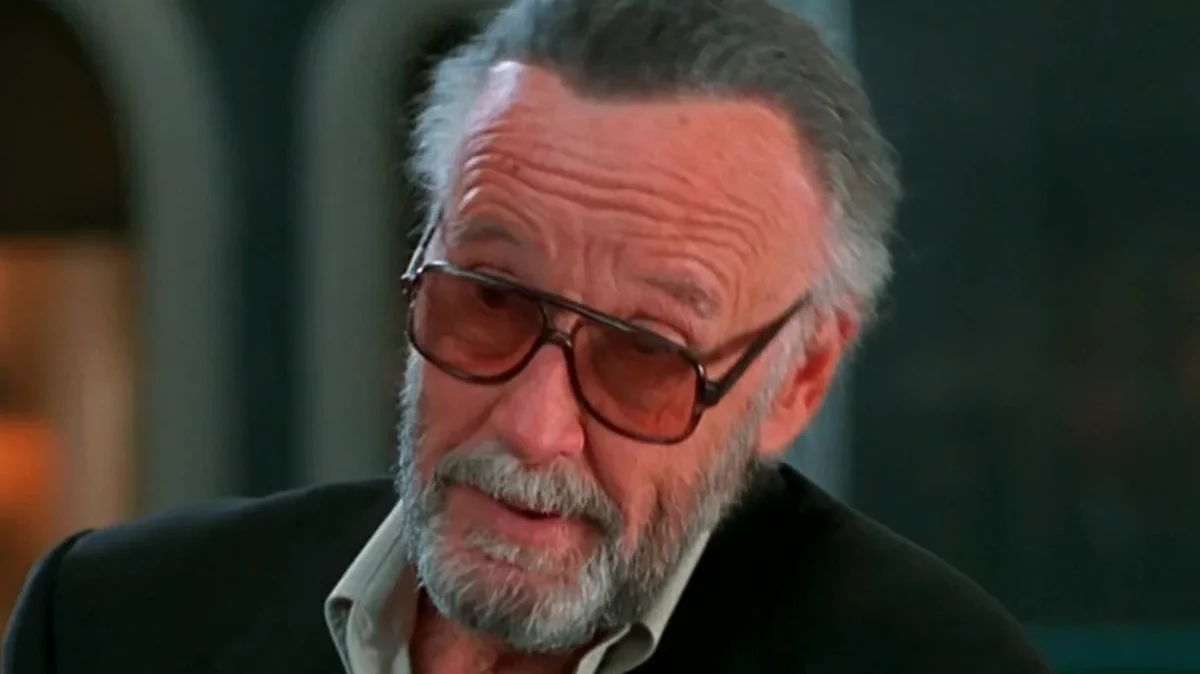
Stan Lee, the man whose name became synonymous with the modern superhero, occupied a unique position in the cultural zeitgeist. For decades, he was the face of Marvel Comics, a charismatic figurehead who bridged the gap between the ink-stained pages of monthly periodicals and the glitz of Hollywood’s red carpets. Yet, behind the "Excelsior!" catchphrase and the ubiquitous film cameos lay a profound professional insecurity that haunted the creator for the better part of his career.
In a poignant reflection late in his life, Lee admitted to a sentiment that seems unthinkable in the era of the multi-billion-dollar Marvel Cinematic Universe (MCU): "I used to be embarrassed because I was just a comic book writer while other people were building bridges or going on to medical careers." This admission serves as the starting point for understanding the seismic shift in how society perceives popular entertainment and the medium of sequential art.
The Architect of Modern Myth: Core Facts and the 2010 Revelation
The quote in question originated from a 2010 interview with The Washington Post’s "Comic Riffs," later popularized by Business Insider. At the time of the interview, Lee was 87 years old. The timing was significant; 2010 marked the release of Iron Man 2, a period when the MCU was still an ambitious experiment rather than a guaranteed global phenomenon.
Lee’s realization, as he explained it, was rooted in the social utility of joy. "And then I began to realize: Entertainment is one of the most important things in people’s lives. Without it, they might go off the deep end," Lee stated. He argued that if a creator can entertain, they are performing a service as vital as any technical or medical profession. This philosophical pivot transformed Lee from a man who once used a pseudonym—saving his real name, Stanley Martin Lieber, for the "Great American Novel" he hoped to write—into the proudest ambassador for the comic book medium.
A Chronology of Cultural Stigma: From Pulps to Premiers
To understand why a legend like Stan Lee felt embarrassed, one must examine the historical context of the comic book industry during his formative years.
The Pulp Era and the "Job" (1939–1950)
When Stanley Lieber started as an assistant at Timely Comics in 1939, comic books were viewed as disposable, low-brow entertainment for children and the "illiterate." They were produced in sweatshop-like conditions. For Lee, writing stories about Captain America or the Sub-Mariner was not an artistic calling; it was a paycheck. During this era, the medium was frequently targeted by moral crusaders who viewed the vibrant panels as a threat to the literacy and morality of American youth.
The Dark Ages of the 1950s
The embarrassment deepened in the 1950s following the publication of Dr. Fredric Wertham’s Seduction of the Innocent. The book argued that comics contributed to juvenile delinquency, leading to Senate subcommittee hearings and the creation of the Comics Code Authority. This era of censorship further infantilized the medium, forcing writers to adhere to strict, often simplistic moral guidelines. It was during this period that Lee reportedly considered quitting the industry entirely.
The Marvel Revolution (1961–1970)
Encouraged by his wife, Joan, to write "the way he wanted to" before leaving the business, Lee co-created The Fantastic Four with artist Jack Kirby in 1961. This birthed the "Marvel Method" and a new kind of hero: the flawed, neurotic, and deeply human protagonist. Spider-Man worried about his mortgage; the X-Men faced systemic bigotry. Despite this creative leap, comics remained a niche "geek" subculture, and Lee still felt the sting of being an outsider in the literary world.
The Cinematic Ascent (2000–2018)
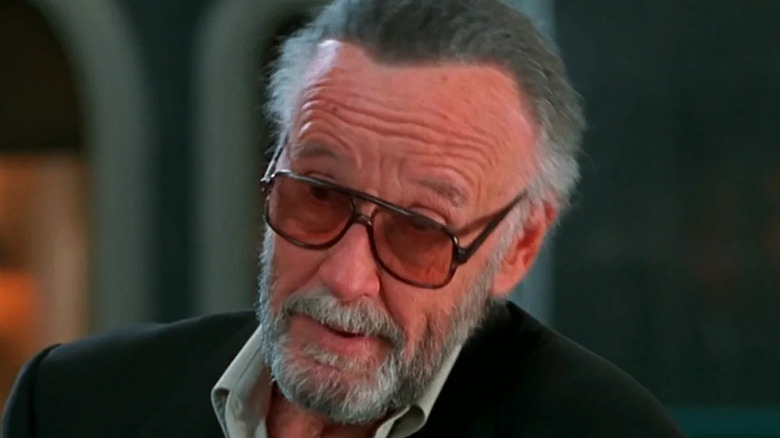
The true validation of Lee’s life’s work came with the dawn of the 21st century. The success of Bryan Singer’s X-Men (2000) and Sam Raimi’s Spider-Man (2002) proved that these characters possessed a universal resonance. By the time of his passing in 2018, Lee had seen his "embarrassing" creations become the foundation of the highest-grossing film franchise in history.
Supporting Data: The Economic and Social Scale of Lee’s Influence
The scale of the "entertainment" Lee provided can be quantified through the lens of Marvel’s market dominance. As of 2024, the Marvel Cinematic Universe has grossed over $30 billion at the global box office. This figure does not include the billions generated in merchandising, television licensing, and the comic books themselves.
Beyond the financial data, the social impact of Lee’s work is evident in the diversification of mainstream storytelling. The co-creation of Black Panther (the first Black superhero in mainstream comics) and the X-Men (a long-standing allegory for civil rights and LGBTQ+ struggles) provided a framework for social commentary within the "disposable" medium of comics. Lee’s "Stan’s Soapbox" columns, which appeared in the back of Marvel books for years, frequently took aim at racism and intolerance, proving that his "entertainment" had a moral backbone.
Professional Perspectives and the "True Believer" Controversy
While Lee is celebrated as a visionary, professional journalists and historians have noted that his legacy is not without complexity. The "embarrassment" he felt may have contributed to his desire to be the "face" of the company, sometimes at the expense of his collaborators.
The Question of Co-Creation
A significant portion of the comic book community, including biographers like Abraham Riesman (author of True Believer: The Rise and Fall of Stan Lee), has pointed out the friction between Lee and his artistic partners, Jack Kirby and Steve Ditko. While Lee provided the dialogue and the "Marvel Method" plots, Kirby and Ditko were responsible for the visual language and much of the narrative heavy lifting. The "official response" from the estates of these artists has often involved legal battles for credit and compensation—rights that were frequently signed away in the early days of the industry when creators were "embarrassed" or unaware of the future value of their work.
The Industry’s Evolution
Modern comic book writers, such as Neil Gaiman and Grant Morrison, have often cited Lee as the man who made their careers possible. However, they also highlight a shift in tone: where Lee felt embarrassment, the new generation feels prestige. The transition of comics into "graphic novels" and their inclusion in university curricula is a direct result of the groundwork Lee laid in the 1960s.
Implications: The Social Utility of the "Modern Myth"
The implications of Lee’s shift from embarrassment to pride are far-reaching. His quote touches on a fundamental truth about the human condition: the necessity of escapism.
The Democratization of Storytelling
Lee’s work suggests that the "Great American Novel" doesn’t have to be a 500-page prose tome; it can be a serialized epic about a boy from Queens who learns that "with great power comes great responsibility." By legitimizing comics, Lee helped democratize storytelling, making complex moral themes accessible to a global audience regardless of age or educational background.
The Economic Reality for Creators
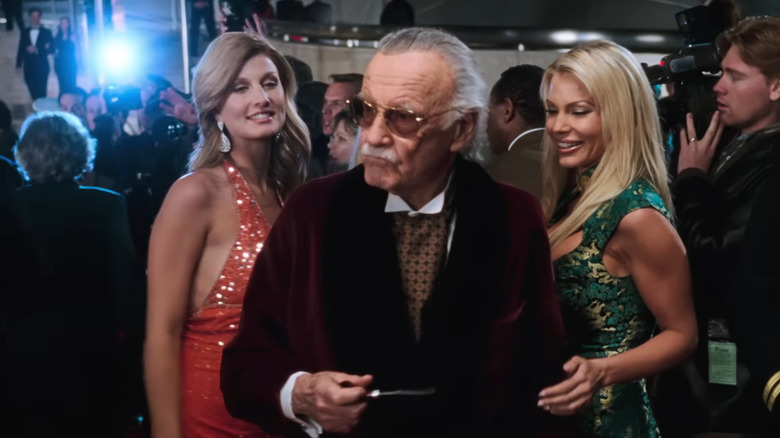
Despite the global success of Lee’s creations, a somber implication remains regarding the treatment of comic book writers and artists. While Lee became a wealthy man and a household name, many of his contemporaries died in relative obscurity or financial struggle. The industry is currently undergoing a reckoning, as creators demand better royalties and recognition from the corporate giants that now own Lee’s "embarrassing" ideas.
The Mental Health Aspect
Lee’s observation that entertainment prevents people from "going off the deep end" is increasingly supported by psychological studies on the benefits of fandom and narrative engagement. Superheroes provide a modern mythology—a set of archetypes that help individuals process grief, trauma, and the complexities of modern life.
Conclusion: Excelsior as a Philosophy
Stan Lee’s journey from an embarrassed writer to a global icon mirrors the journey of the comic book medium itself. He began his career in an era where "building bridges" was the only recognized way to contribute to society. He ended it as the architect of a different kind of bridge—one that connected millions of people across different cultures through the shared language of heroism and humanity.
Lee’s legacy is a reminder that the value of one’s work is not determined by its medium, but by its impact on the human spirit. In realizing that entertainment is a vital service, Lee didn’t just save his own career; he validated the imaginations of generations to come. As the MCU continues to expand and comic books gain ever-increasing academic and cultural respect, the "embarrassment" Lee once felt has been replaced by a global recognition that he was, in fact, one of the most significant architects of the 20th and 21st centuries.