The Multiverse of Mediocrity: Why ‘Dark Matter’ Season 2 Signals a Crisis in Apple’s Sci-Fi Strategy
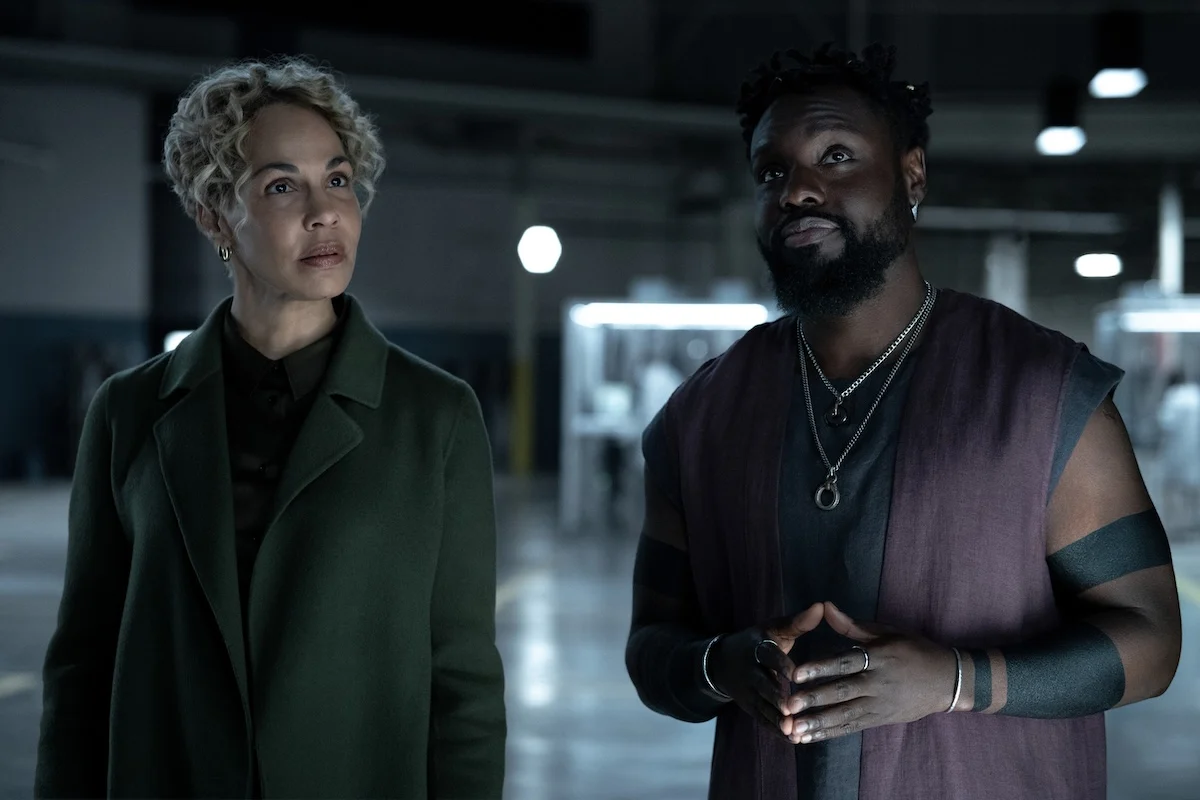
The renewal of Dark Matter for a second season remains one of the more perplexing decisions in the recent history of Apple TV+. When the series, adapted from Blake Crouch’s 2016 bestselling novel, debuted in May 2024, it arrived with a built-in fan base but failed to ignite the kind of cultural zeitgeist or critical consensus usually associated with the tech giant’s prestige offerings. Despite a high-concept premise and a cast led by Joel Edgerton and Jennifer Connelly, the first nine episodes concluded by exhausting the source material, seemingly closing the door on the Dessen family’s multidimensional trauma.
However, as the series prepares for its August 28 premiere, it returns not as a tightly wound adaptation, but as an expansive, often disorganized exploration of "sequel logic." The result is a season that struggles to justify its existence, highlighting a growing disconnect between high-budget streaming ambitions and the fundamental requirements of serialized storytelling.
Main Facts: A Return Without a Roadmap
Dark Matter Season 2 arrives on Apple TV+ with the difficult task of inventing a narrative where one was previously concluded. The first season followed Jason Dessen (Joel Edgerton), a physics professor who is kidnapped into an alternate version of his life where he chose career over family. The season ended where the book did: with Jason reclaiming his original life and fleeing into the multiverse with his wife, Daniela (Jennifer Connelly), and son, Charlie (Oakes Fegley), to escape the hundreds of alternate "Jasons" his journey had created.
The second season, co-written by Crouch and Jacquelyn Ben-Zekry, attempts to shift the focus from a personal survival thriller to a broader philosophical inquiry into the ethics of scientific discovery. Key returning cast members include:

- Joel Edgerton as various iterations of Jason Dessen.
- Jennifer Connelly as Daniela Dessen, who finds herself grappling with the psychological fallout of the first season.
- Alice Braga as Amanda Lucas, Jason’s ally from the "famous scientist" dimension.
- Jimmi Simpson as Ryan Holder, whose various versions provide much of the season’s early plot momentum.
- Dayo Okeniyi and Amanda Brugel as Leighton and Blair, characters who receive expanded but often directionless screen time.
The season is characterized by a "bigger is better" approach, introducing more versions of Chicago—ranging from AI-dominated dystopias to gravity-defying wonderlands—yet critics argue it loses the emotional intimacy that made the original premise compelling.
Chronology: From Page to Screen to Stasis
The development of Dark Matter reflects the broader "slow-burn" production cycle currently plaguing the streaming industry.
- 2016: Blake Crouch publishes Dark Matter, which becomes a global sci-fi sensation.
- 2020–2022: Apple TV+ wins a competitive bidding war for the rights, with Crouch serving as showrunner to ensure fidelity to the text.
- May 2024: Season 1 premieres. While it receives respectable viewership, it fails to chart on Nielsen’s Top 10 and receives a lukewarm "Fresh" rating on Rotten Tomatoes (around 80%), with critics calling it a "dad-thriller."
- August 2024: Against expectations, Apple renews the series for Season 2, citing a desire to expand the "Crouch-verse."
- 2024–2026: A two-year production gap ensues. This timeframe has become the standard for Apple’s VFX-heavy dramas, including Severance and Silo.
- August 28, 2026: Season 2 premieres, facing a landscape where audiences have largely moved on from the initial hype of the Dessen family’s escape.
This timeline reveals a critical flaw in modern TV production: the "momentum gap." By the time Season 2 arrives, the intricate rules of "the box" and the specific backstories of various Ryans and Amandas have faded from the collective memory of the audience.
Supporting Data: The High Cost of the "Apple Aesthetic"
Apple TV+ has positioned itself as the premier destination for high-concept science fiction. A look at their current roster reveals an unprecedented investment in the genre:

- The Sci-Fi Catalog: Foundation, Invasion, Silo, Severance, For All Mankind, Hello Tomorrow!, Constellation, and now Murderbot.
- Production Timelines: Analysis of Apple’s release schedule shows that 62% of its sci-fi dramas take 18 to 24 months between seasons. Only For All Mankind has managed a more consistent output, though even it saw a 22-month gap between its most recent seasons.
- The VFX Burden: Industry standards suggest that "blockbuster TV" requires approximately seven months of principal photography followed by six to eight months of post-production. For a show like Dark Matter, which requires multiple versions of the same actor in a single frame and complex environmental rendering for alternate worlds, these timelines are stretched to the limit.
The data suggests that while these long breaks allow for high visual fidelity, they correlate with a decline in narrative cohesion. When a show like Dark Matter returns after 24 months with a "messy" structure—such as placing its thematic thesis in the third episode rather than the first—the barrier to re-entry for the average viewer becomes prohibitively high.
Official Responses: The Creator’s Thesis
Showrunner Blake Crouch has defended the expansion of the story, suggesting that the first season was merely a prologue to the larger questions raised by the "Box." In what critics have identified as the season’s core "thesis statement," a scene in Episode 3 features a group of physics professors debating the morality of Jason’s invention.
"If it can be done, it will be done," the characters state. "There’s no stopping advancement because there’s no stopping the human ego… the consequences of our creation will be a reflection of humanity itself."
This dialogue reflects Crouch’s intent to move the series into the realm of "Everything Beautiful, Everything Terrible"—a meditation on how technology mirrors the soul of the user. However, the execution of this vision has been met with skepticism. Critics argue that while the ideas are grand, the storytelling is redundant, often forcing characters like Jennifer Connelly’s Daniela into "holding patterns" where they react to trauma rather than driving the plot forward.

Implications: The Shift from "Prestige" to "Procedural"
The struggles of Dark Matter Season 2 point toward a larger sea change in the television industry. For the past decade, streaming platforms have chased the "long movie" format—high-budget, serialized stories that demand total viewer immersion. But as Dark Matter demonstrates, this model is fragile. When the story is "all ideas and no fun," and the release schedule is inconsistent, even the most loyal subscribers begin to drift.
The Rise of the "New Traditionalism"
There is growing evidence that the industry is pivoting back toward traditional TV structures. The success of shows like The Pitt—which utilizes 15-episode seasons and annual release cycles—suggests that audiences are hungry for "consistency and connection." These "network-style" procedurals prioritize character familiarity over VFX spectacles.
The Problem with "Sad Dad" Sci-Fi
Dark Matter falls into a sub-genre often derided as "Sad Dad Sci-Fi," where the wonders of the universe are viewed through the narrow lens of middle-aged male regret. Season 2 doubles down on this, refusing to embrace the "absurd interpretations" of the multiverse. By ignoring the potential for levity or high-concept adventure in favor of a "perpetually glum" tone, the show risks alienating viewers who find more enjoyment in accessible, faster-paced content on rival platforms.
Apple’s Identity Crisis
Apple TV+ remains a company with "limitless coffers," allowing it to ignore traditional metrics like Nielsen ratings in favor of brand prestige. However, if its flagship sci-fi shows continue to be "confusing" and "disorganized," the "sleek, cool tech company" image may begin to tarnish. The lesson of Dark Matter Season 2 is clear: history repeats itself. Great television is built on the connection between the viewer and the character, and that connection requires a regular "feeding" that the current two-year production cycle cannot provide.

As Dark Matter Season 2 makes its debut, it serves as a cautionary tale. In the race to create the next Game of Thrones or Severance, streamers must not forget the fundamental rules of the past: keep the stakes clear, keep the characters moving, and above all, don’t make the audience work harder than the writers.