The Lost Architecture: Analyzing the PlayStation 3 Titles Trapped by Technical Debt
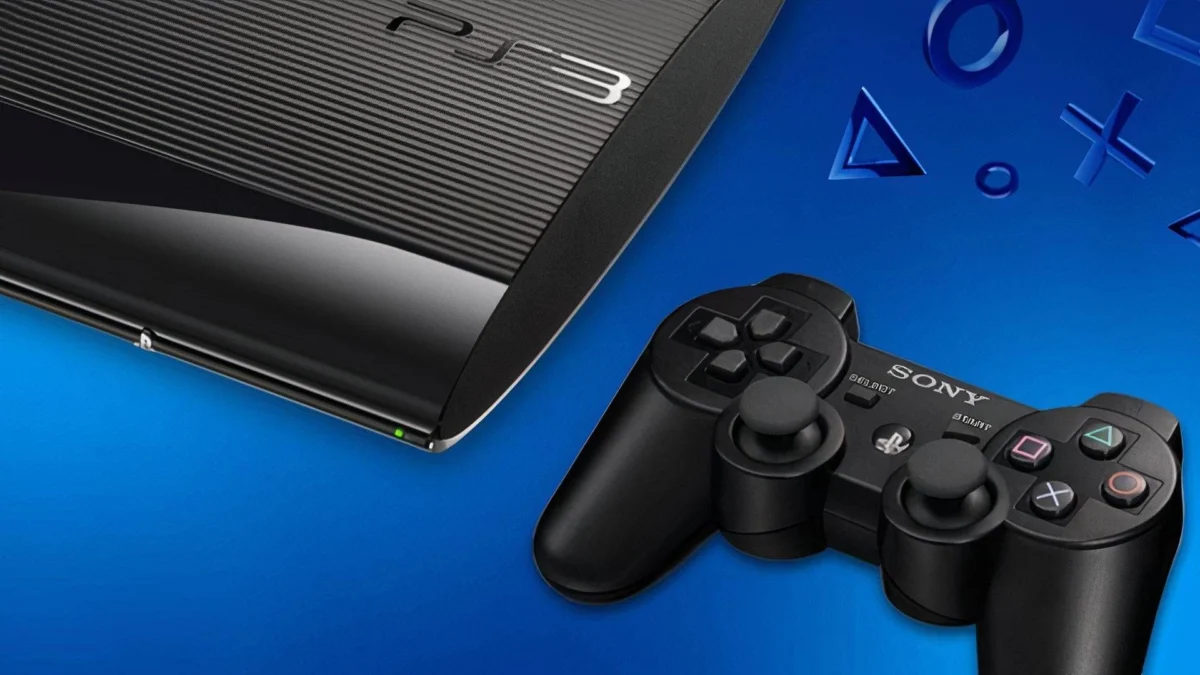
The seventh generation of video game consoles was defined by a transition from standard definition to high-definition, the birth of modern online ecosystems, and a fierce architectural rivalry between Sony Interactive Entertainment and Microsoft. While the PlayStation 3 (PS3) eventually found its footing, surpassing the Xbox 360 in global sales by the end of the generation, it left behind a fragmented legacy.
Unlike the PlayStation 2 or the PlayStation 4, the PS3 was built upon the notoriously complex "Cell Broadband Engine." This unique hardware choice, while powerful, created a "walled garden" that has made porting titles to newer hardware an engineering nightmare. Today, several of the platform’s most innovative and successful titles remain "trapped," inaccessible to modern audiences without original hardware or aging physical discs.
Main Facts: The Five Pillars of PS3 Exclusivity
The following five titles represent the pinnacle of the PS3’s creative output, yet they currently face a precarious future due to licensing issues, developer closures, and technical hurdles.
1. 3D Dot Game Heroes
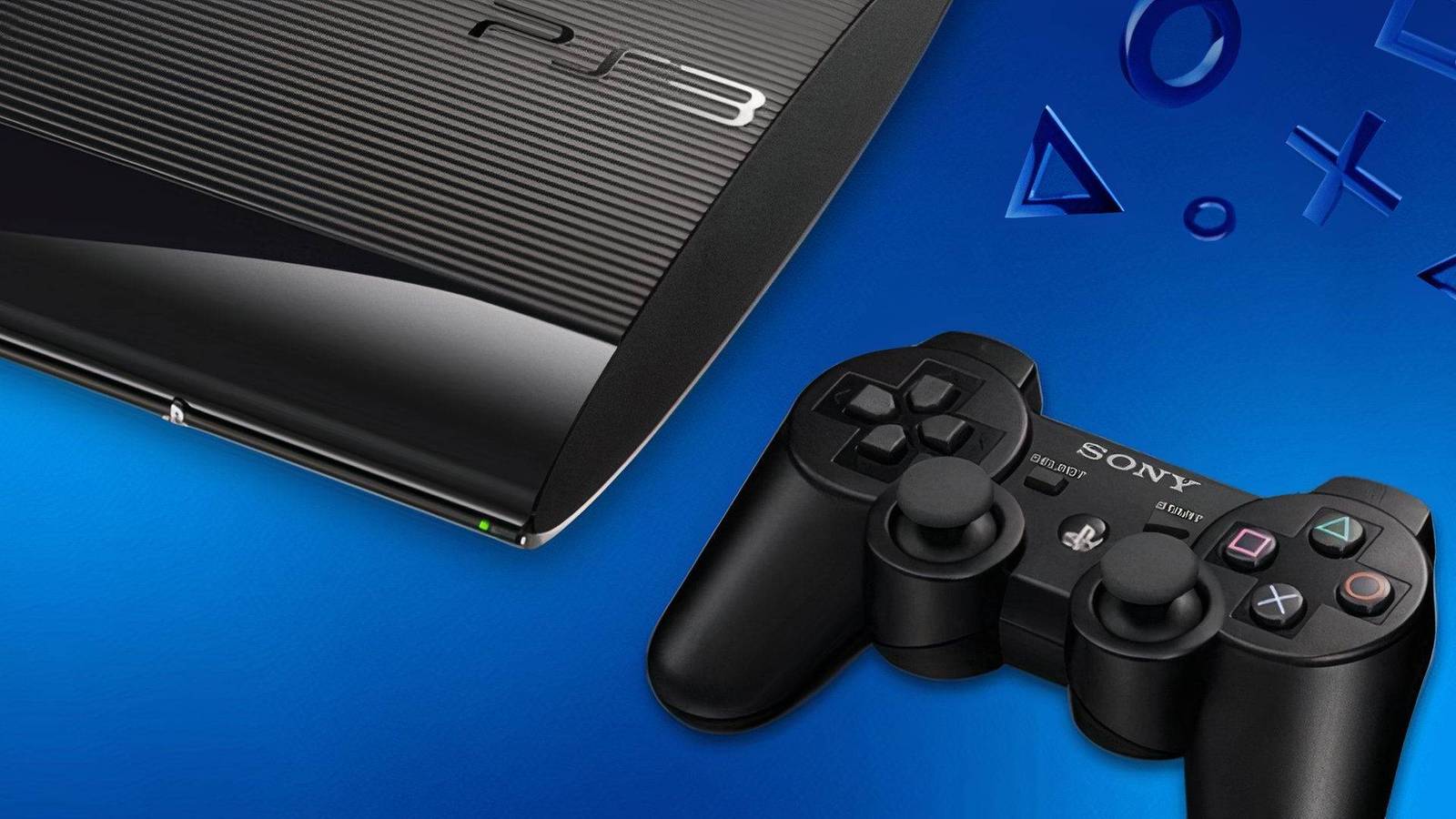
Developed by Silicon Studio and published by Atlus in the West, 3D Dot Game Heroes was a love letter to the 8-bit era, rendered in a striking 3D voxel aesthetic. It utilized a massive, customizable sword mechanic and nostalgic top-down exploration that predated the "retro-revival" boom.
- The Trap: The game never received a digital release on the PlayStation Store. As Silicon Studio shifted its focus toward middleware and mobile gaming, the impetus to port the title vanished. Today, it exists only on physical Blu-ray discs, which have become high-value collector’s items.
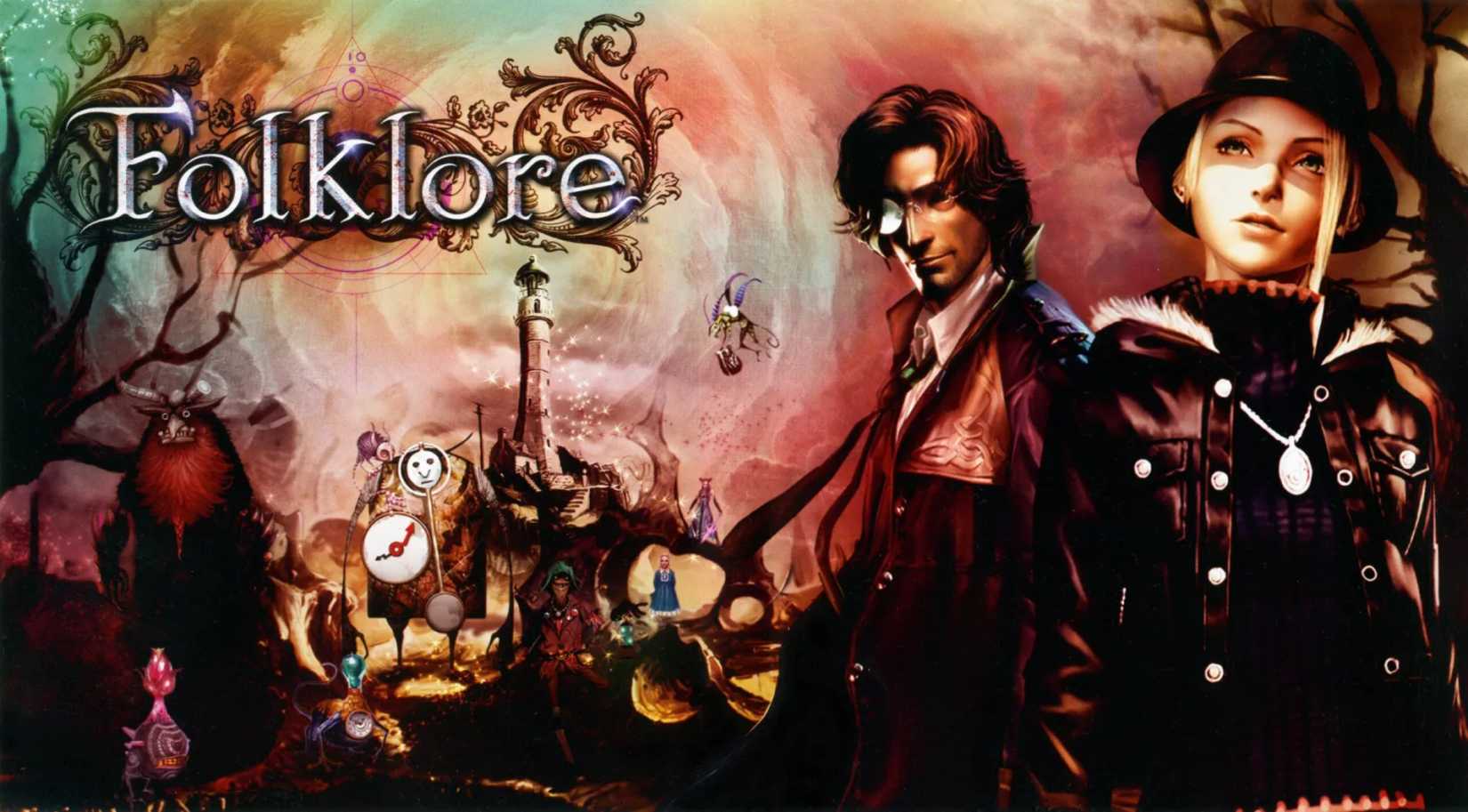
2. Folklore
A dark fantasy action RPG developed by the now-defunct Game Republic, Folklore utilized the PS3’s Sixaxis motion controls to "absorb" the souls of enemies. Set in the Irish village of Doolin, it blended Celtic mythology with a unique dual-protagonist narrative.
- The Trap: Game Republic dissolved in 2011, leaving the intellectual property in a legal limbo between Sony and the original creators. Without a developer to champion a remaster, and with the unique motion-control hooks tied to the original hardware, Folklore remains a ghost of the 2007 launch window.
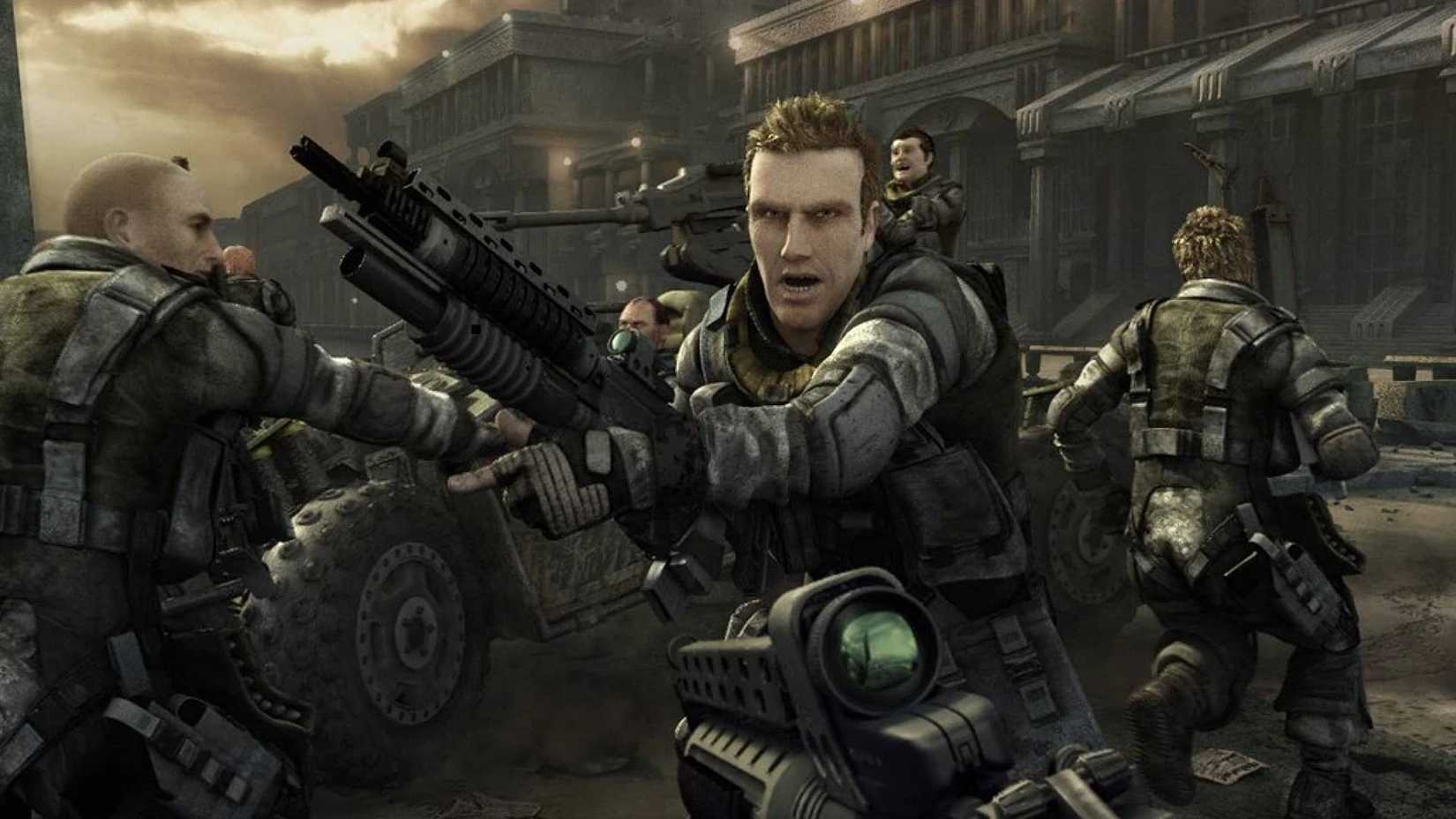
3. Killzone 2
Guerrilla Games’ Killzone 2 was once the "Halo killer" Sony desperately needed. It was famous for its "weighty" first-person shooter mechanics and a lighting engine that pushed the Cell processor to its absolute limits.

- The Trap: While its sequel, Killzone 3, and the PS4 follow-up Shadow Fall are more accessible, the seminal second entry is marooned. Sony officially decommissioned the multiplayer servers in 2018, effectively killing half of the experience. The campaign remains playable only via original hardware.
4. MotorStorm: Pacific Rift
Evolution Studios’ MotorStorm franchise was the face of the PS3’s technical prowess. Pacific Rift expanded the chaotic off-road racing to a lush tropical island, featuring real-time terrain deformation and a multi-vehicle class system that remains unmatched in the genre.
- The Trap: Sony shuttered Evolution Studios in 2016. Like Killzone 2, the servers were pulled offline in 2018. Due to complex music licensing involving its heavy-hitting soundtrack and the specific terrain-physics engine built for the Cell processor, a port is seen as financially unviable.
5. LittleBigPlanet 2
The "Play, Create, Share" movement reached its zenith with Media Molecule’s LittleBigPlanet 2. It transformed a simple platformer into a sophisticated game engine, allowing users to create entire genres within the game.
- The Trap: In 2021, Sony permanently shut down the PS3 servers for the series following a string of malicious attacks. While LittleBigPlanet 3 exists on PS4, the original "magic" and specific assets of the second entry—along with its digital availability—have been severely curtailed.
Chronology: The Rise and Fall of the PS3 Ecosystem
To understand why these games are trapped, one must look at the timeline of Sony’s shifting priorities:
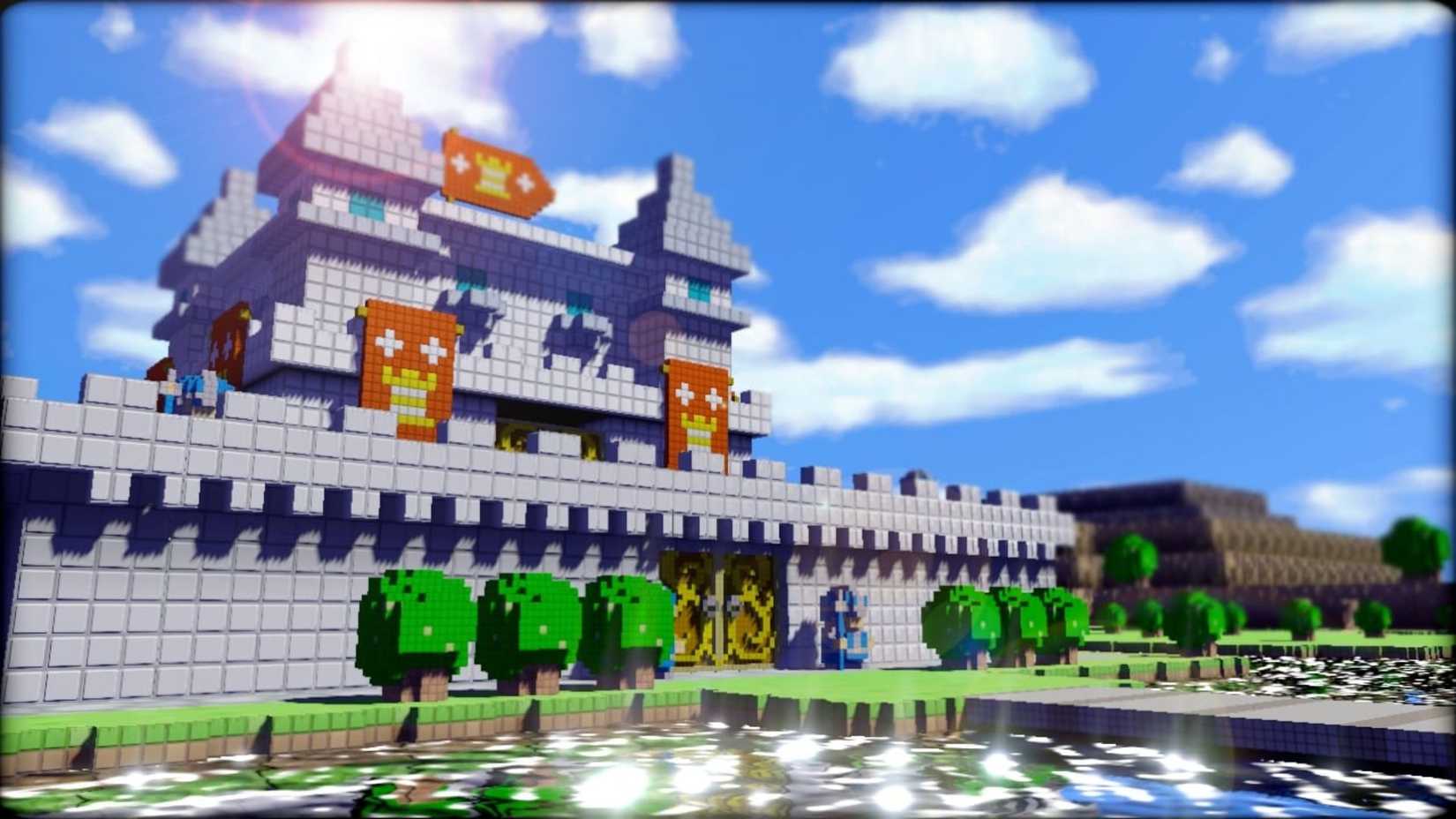
- November 2006: The PlayStation 3 launches at a staggering $599. It features the Cell processor, designed in partnership with IBM and Toshiba. Early models include PS2 hardware for backward compatibility, a feature soon removed to cut costs.
- 2007–2011: The "Golden Age" of PS3 exclusives. Titles like Folklore, MotorStorm, and Killzone 2 are released, specifically optimized for the Cell’s SPU (Synergistic Processing Unit) architecture.
- November 2013: The PlayStation 4 launches. In a pivot toward developer-friendliness, Sony abandons the Cell architecture in favor of x86 (standard PC architecture). This creates a permanent hardware rift.
- March 2018: Sony begins a massive "sunsetting" phase, turning off servers for Killzone 2, Killzone 3, and the MotorStorm trilogy.
- April 2021: Sony announces the permanent closure of the PS3, Vita, and PSP digital stores. After massive fan backlash, they partially retract the decision, keeping the PS3 and Vita stores open but making them difficult to access (removing credit card support).
- September 2021: Permanent server shutdown for the LittleBigPlanet legacy titles on PS3.
Supporting Data: The "Cell" Problem
The primary reason for the "trapped" status of these games is technical. The Cell Broadband Engine was comprised of one PowerPC-based core and seven SPUs. While this allowed for incredible parallel processing (ahead of its time in 2006), it required developers to write code specifically for those SPUs.
| Console Generation | Architecture | Portability Factor |
|---|---|---|
| PlayStation 2 | Emotion Engine | Difficult, but manageable via emulation |
| PlayStation 3 | Cell Broadband Engine | Extremely Difficult (Requires total code rewrite) |
| PlayStation 4 | x86-64 Jaguar | High (Standardized) |
| PlayStation 5 | x86-64 Zen 2 | Native (Backward Compatible with PS4) |
According to sales data, LittleBigPlanet 2 and MotorStorm: Pacific Rift each sold well over 1 million units, yet their commercial success has not been enough to overcome the cost of "un-coding" them from the Cell architecture. Industry analysts estimate that a full "native" port of a high-end PS3 title to the PS5 could cost upwards of $5–$10 million—a risk Sony has been unwilling to take for titles without a current active franchise.
Official Responses and Industry Context
Sony’s official stance on its legacy library has been a point of contention for preservationists. In 2017, Jim Ryan, then-Head of Global Sales and Marketing (later CEO), famously questioned the value of backward compatibility, stating, "When we’ve dabbled in backwards compatibility, I can say it is one of those features that is much requested, but not actually used much… I was at a Gran Turismo event recently where they had PS1, PS2, PS3 and PS4 games, and the PS1 and the PS2 games, they looked ancient, like why would anybody play this?"
This philosophy influenced the design of the PlayStation 5, which lacks native PS3 hardware compatibility. Instead, Sony’s "solution" has been PS Plus Premium, a subscription tier that allows users to stream PS3 games from server blades in the cloud.
However, this solution is flawed:
- Input Lag: Streaming is unsuitable for high-precision games like MotorStorm or Killzone 2.
- Licensing: Games like 3D Dot Game Heroes and Folklore are absent from the service due to expired publishing agreements.
- Ownership: Users do not own the games; they lose access the moment they stop paying the subscription or if Sony removes the title.
Implications: The Crisis of Digital Preservation
The entrapment of these titles on the PS3 highlights a burgeoning crisis in the gaming industry: the loss of cultural history. Unlike film or literature, which can be digitized and moved across formats with relative ease, video games are tied to the "logic" of the hardware they were built for.
The Rise of "Abandonware"
When a game like Folklore is no longer sold digitally and the developer no longer exists, it enters a state of "abandonware." While community-led emulation projects like RPCS3 have made strides in making these games playable on high-end PCs, they operate in a legal gray area. For the average consumer, these games simply no longer exist.
The Physical Scarcity Market
Because these games are trapped on discs, the second-hand market has seen a price explosion. A mint-condition copy of 3D Dot Game Heroes can now retail for triple its original MSRP. This creates a barrier to entry that ensures only the most dedicated (and wealthy) gamers can experience this era of history.
The Loss of User-Generated Content
The most tragic implication is found in LittleBigPlanet 2. Millions of hours of human creativity—levels, music, and art created by players—were essentially wiped from the accessible public record when the servers went dark. It serves as a grim reminder that in the digital age, "sharing" is often temporary.

Conclusion
The PlayStation 3 was a bold, experimental era for Sony, but its architectural hubris has left a decade of gaming history in a state of decay. While the industry focuses on the "next big thing," the ghosts of Doolin in Folklore and the scorched tracks of MotorStorm serve as a warning. Without a concerted effort toward hardware-agnostic preservation, the masterpieces of the seventh generation may eventually be lost to time, remembered only by those who still keep a dusty black console plugged into their television.