The Resurrection of a Virtual Icon: SideQuest CEO Shane Harris Acquires AltspaceVR for 2024 Relaunch
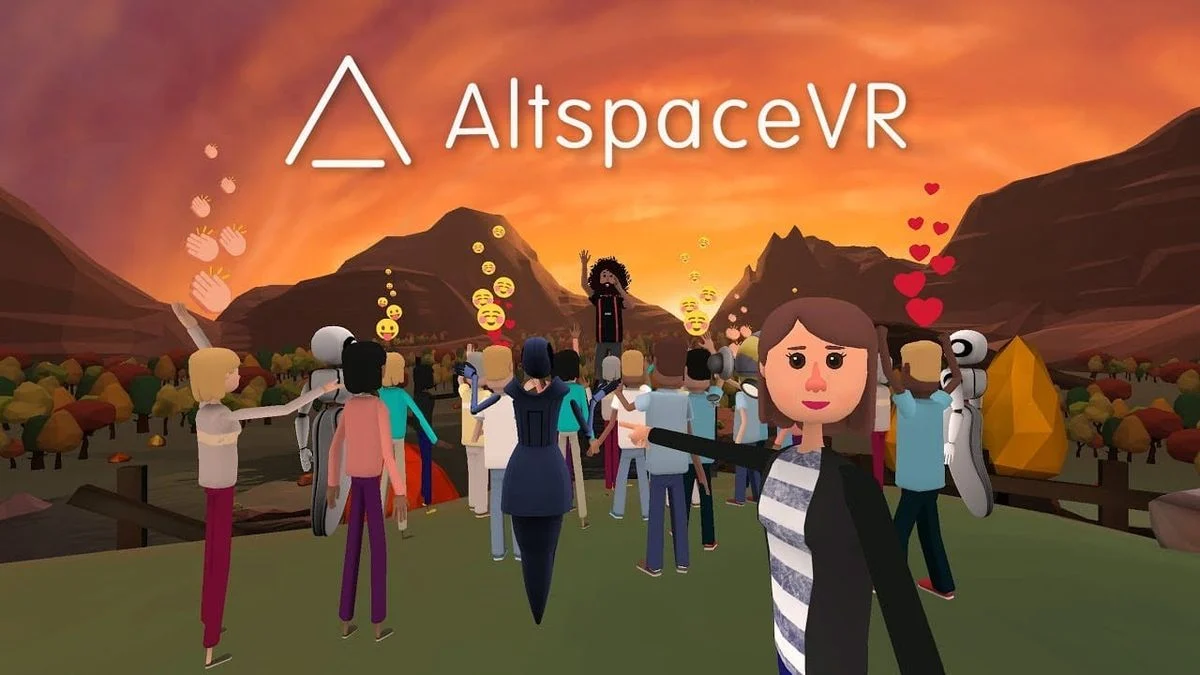
The landscape of social virtual reality is bracing for a seismic shift as one of its most beloved, yet ill-fated, pioneers prepares for an unexpected comeback. Shane Harris, the CEO of the influential VR platform SideQuest, has officially announced the acquisition of the rights to AltspaceVR. The platform, which was a cornerstone of early VR socialization before being shuttered by Microsoft in early 2023, is slated for a comprehensive relaunch this fall.
This acquisition marks a pivotal moment in the history of the metaverse. For many, AltspaceVR was not merely an application but a digital home—a space that defined the "Golden Age" of social VR. By bringing it back under the stewardship of SideQuest, Harris aims to recapture the lightning in a bottle that Microsoft arguably lost during its tenure as the platform’s owner.
Main Facts: The Vision for AltspaceVR 2.0
The announcement, which first gained traction via a detailed post by Harris on Reddit, outlines a roadmap that prioritizes nostalgia, community-driven development, and technical modernization. Unlike many corporate acquisitions that seek to strip an intellectual property for parts, Harris’s mission appears to be one of restoration.
A Spiritual Successor
Harris has been explicit that the new iteration of AltspaceVR will serve as a "spiritual successor" rather than a simple carbon copy of the version that existed at the time of its 2023 demise. The goal is to return to the platform’s roots, specifically targeting the functionality and "vibe" of the 2016–2017 era. This period is often cited by long-time users as the height of the platform’s community engagement, characterized by a balance of simplicity, ease of use, and creative freedom.
The Team Behind the Revival
A significant factor in the credibility of this relaunch is the team Harris has assembled. According to the CEO, the project is being powered by an "elite team" comprising previous AltspaceVR staffers and some of the most prominent "OG" (original) players from the platform’s early days. By involving the people who built the original community, SideQuest aims to avoid the sterile, corporate feeling that many users felt crept into the platform under Microsoft’s management.
Avatar and Interface Overhauls
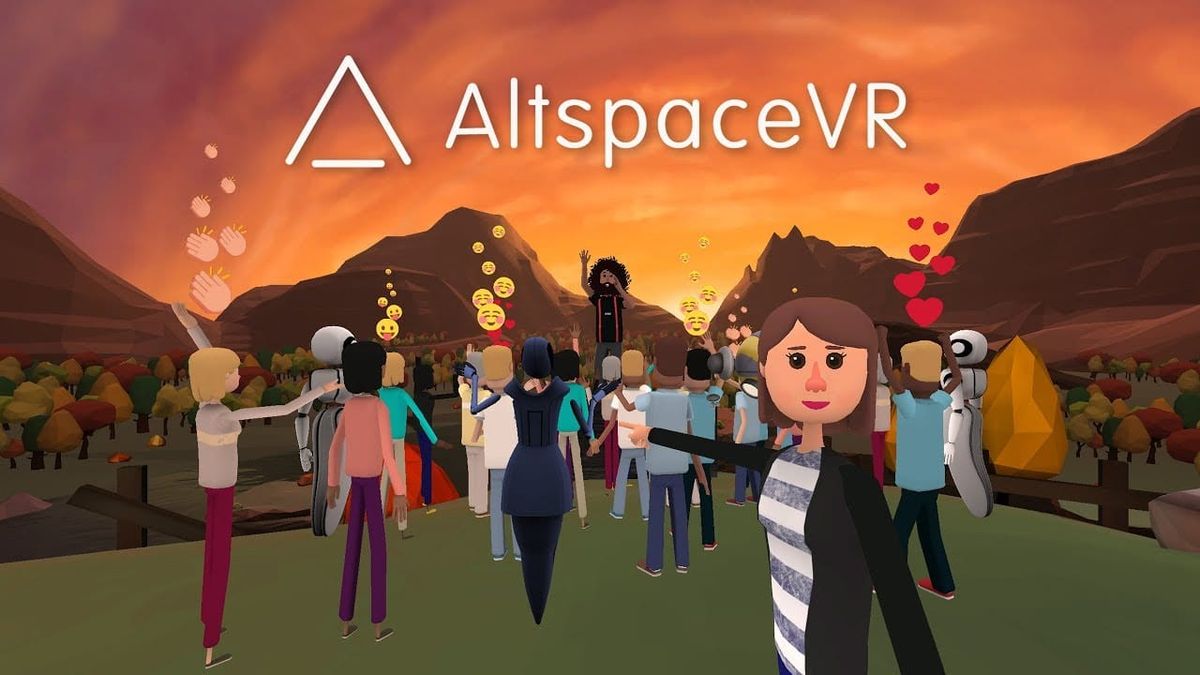
One of the most recognizable elements of AltspaceVR was its distinct "robot" avatars. Harris has confirmed that he is working directly with the original concept designer to modernize these iconic models. While the new Altspace will retain its signature aesthetic, it will also embrace modern standards by supporting custom avatars, allowing for greater user expression while maintaining the platform’s visual heritage.
Chronology: The Rise, Fall, and Rebirth of a Pioneer
To understand the weight of this acquisition, one must look at the turbulent decade of AltspaceVR’s existence and how it intersected with the rise of SideQuest.
2015–2017: The Founding and Initial Success
Founded by Eric Romo, AltspaceVR launched in May 2015. It quickly became the premier destination for virtual events, ranging from comedy nights and tech talks to large-scale festivals like the virtual Burning Man. In an era before VRChat became a global phenomenon, Altspace was the "civilized" center of the social VR universe.
2017: The Microsoft Lifeline
By 2017, AltspaceVR faced a severe financial crisis and was on the brink of shutting down. In a move that surprised the industry, Microsoft stepped in and acquired the platform. It was integrated into Microsoft’s Mixed Reality group, alongside the HoloLens and Windows Mixed Reality headsets. While the acquisition provided stability, it also led to a shift in focus toward corporate integration and "Mesh," Microsoft’s enterprise-focused collaborative platform.
The Parallel Rise of SideQuest
During Altspace’s tenure at Microsoft, Shane Harris was carving out his own path in the VR industry. Harris originally developed "Shane’s Editor," a space-making tool that allowed Altspace users to build their own environments. When Altspace moved away from web-based development, Harris attempted to release the editor as a standalone app for the Oculus Quest.
Meta’s rejection of this app became the catalyst for the creation of SideQuest. Launched as an alternative storefront for developers to bypass Meta’s strict curation, SideQuest grew into a powerhouse, hosting millions of users and becoming the de facto home for VR experimentation and "sideloading."
2023: The Dark Winter of VR
In March 2023, as part of a broader series of mass layoffs and a strategic pivot away from consumer-facing "metaverse" projects, Microsoft officially shut down AltspaceVR. The community was devastated, holding "end-of-the-world" parties in the final hours before the servers went dark.
2024–2025: The Path to Acquisition
Following the shutdown, SideQuest continued to expand, launching its own social sandbox, Banter, and raising millions in capital from investors including Google Ventures and Palmer Luckey. Despite a challenging market that saw SideQuest itself undergo layoffs in February 2025, Harris remained committed to the social VR space, ultimately securing the rights to the Altspace name to lead its 2024/2025 revival.
Supporting Data: The Technical and Financial Foundation
The relaunch of AltspaceVR is not merely a passion project; it is a calculated move backed by SideQuest’s extensive infrastructure and industry partnerships.
The SideQuest Ecosystem
SideQuest has evolved from a simple sideloading tool into a comprehensive platform. By 2024, it had successfully integrated Meta’s App Lab program and established a partnership with the Khronos Group to champion OpenXR standards. This technical foundation is crucial for the new Altspace, as it ensures the platform will be built on an open, cross-platform architecture that avoids the "walled garden" pitfalls of its predecessors.
Investment and Market Stability
Despite the volatile nature of the VR market, SideQuest has successfully raised significant capital over the years. This includes a $12 million Series A round led by GV (Google Ventures). While the February 2025 layoffs indicated a tightening of the belt, the acquisition of Altspace suggests that SideQuest is focusing its remaining resources on high-value, recognizable brands that have built-in audiences.
User Metrics and Community Retention
At its peak, AltspaceVR hosted thousands of concurrent users and hundreds of community-led events per week. The "Shane’s Editor" era demonstrated a high demand for user-generated content (UGC). By targeting the 2016–2017 feature set, Harris is betting on a "lean" version of the software that prioritizes performance and community tools over the bloated enterprise features that characterized the Microsoft era.
Official Responses: A Commitment to the Community
The response from Shane Harris has been one of transparency and direct engagement with the user base. In his address to the community, he emphasized the personal nature of this project.

"My name is Shane, and I’m the CEO of SideQuest," Harris stated. "We recently acquired the rights to the Altspace name and we have the motivation, experience and backing to bring it back in all its glory… I have assembled an elite team of previous Altspace staffers as well as some of the most prolific OG players and we are already hard at work figuring out all the important stuff."
Harris also addressed the technical shift, noting that the "modernized" robot avatars and custom avatar support are responses to years of user feedback. By involving original concept designers, he aims to ensure that the visual identity of the platform remains intact while meeting the expectations of modern VR users who demand high levels of personalization.
Industry analysts have noted that this move aligns with SideQuest’s broader strategy of becoming a "community-first" alternative to Meta’s Horizon Worlds. While Meta focuses on a broad, often criticized "everything-app" approach, SideQuest’s Altspace seems poised to reclaim the "niche-but-dedicated" audience that values specific social traditions and creative autonomy.
Implications: The Future of Social VR and the "Platform Wars"
The return of AltspaceVR carries significant implications for the future of the virtual reality industry and the ongoing battle for social dominance in digital spaces.
1. The Challenge to Meta Horizon Worlds
Meta has struggled to gain the same level of cultural cachet with Horizon Worlds that AltspaceVR enjoyed in its prime. By relaunching a brand with deep historical roots, SideQuest is positioning itself as a direct competitor to Meta’s social vision. If Harris can successfully migrate the "old guard" of Altspace back to the platform, it could create a high-quality, moderated alternative to the often chaotic environments found in VRChat or the corporate-feeling spaces of Horizon.
2. The Shift Toward OpenXR and Portability
The new AltspaceVR is expected to leverage SideQuest’s commitment to OpenXR. This means the platform will likely be available across a wider range of hardware, from Meta Quest and PICO headsets to PCVR and potentially even Apple’s Vision Pro. This "hardware agnostic" approach is a direct rejection of the platform-exclusivity models that have slowed the growth of social VR in the past.
3. The Sustainability of Social VR
The 2025 layoffs at SideQuest serve as a reminder that the VR industry is still in a fragile state. The success of the Altspace relaunch will depend on its monetization model. While Microsoft could afford to run Altspace as a loss leader for its Mixed Reality research, SideQuest will need to find a sustainable way to host servers and pay developers without alienating the community through aggressive advertising or paywalls.
4. Cultural Preservation in the Digital Age
Perhaps the most profound implication is the precedent this sets for digital preservation. In an era where online platforms are frequently deleted, taking years of community history with them, the resurrection of AltspaceVR offers hope. It suggests that digital spaces with enough cultural value can be "saved" and repurposed by those who truly understand their worth.
Conclusion
The relaunch of AltspaceVR this fall represents more than just the return of a software application; it is a test of whether the "spirit" of the early metaverse can survive in a more mature, yet more cynical, VR market. Shane Harris and the SideQuest team are taking a massive gamble, but with the backing of the original community and a focus on the platform’s most successful era, they may just succeed in bringing back the "glory days" of social VR. As the fall deadline approaches, the VR world will be watching closely to see if the robot avatars will truly find their way home.