Unveiling the Genesis of a New Era: "The Art of Star Wars: The Acolyte" Chronicles the Dawn of a Sith Mystery
The highly anticipated Disney+ series, The Acolyte, is set to plunge audiences into a previously unexplored era of the Star Wars saga: the twilight of the High Republic. Now, the official production chronicle, The Art of Star Wars: The Acolyte, offers an unprecedented deep dive into the creative crucible that forged this ambitious new chapter. This comprehensive volume serves as a testament to the meticulous artistry and expansive world-building required to bring a new corner of the galaxy far, far away to life, meticulously detailing the journey from initial concept to the final frames of the series.
The High Republic’s Final Days: A Canvas of Intrigue
The Acolyte ventures into a period shrouded in mystery and burgeoning darkness, set approximately a century before the events of Star Wars: Episode I – The Phantom Menace. This era, often referred to as the High Republic, was a golden age for the Jedi Order, characterized by its peace, prosperity, and unwavering commitment to justice across the galaxy. However, The Acolyte hints at the insidious creep of shadows, suggesting that even in its final days, this era was not as serene as it appeared.
The series narrative, as revealed through the insights within The Art of Star Wars: The Acolyte, centers on a compelling investigation. A seasoned Jedi Master and their former apprentice are drawn into a complex web of crimes that begin to unravel the veneer of peace. This pairing, a dynamic ripe with potential for both conflict and reconciliation, forms the emotional core of the unfolding mystery. The book meticulously documents how the visual language and narrative themes of The Acolyte were conceived to reflect this delicate balance between established Jedi ideals and the encroaching, unknown threats.

As the very first live-action portrayal of this significant period in Star Wars lore, The Acolyte carries a considerable weight of expectation. The High Republic era has been explored extensively in novels and comics, building a rich tapestry of lore. The Art of Star Wars: The Acolyte bridges the gap between these established narratives and the visual medium of live-action television, showcasing the Herculean effort involved in translating intricate lore into a tangible, cinematic experience. The book acts as a Rosetta Stone for understanding the show’s unique aesthetic, dissecting the deliberate choices made in its visual design, character archetypes, and environmental storytelling.
A Visual Symphony of Creation: Inside the Art Book
The Art of Star Wars: The Acolyte is far more than a mere collection of pretty pictures; it is a meticulously curated archive of the creative process. The volume compiles an exhaustive array of materials, offering fans and aspiring artists alike an intimate look at the genesis of the series’ visual identity. This includes:
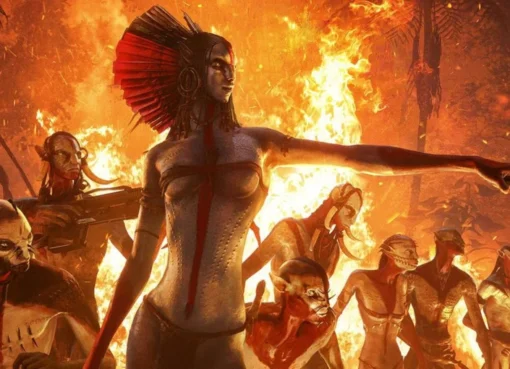
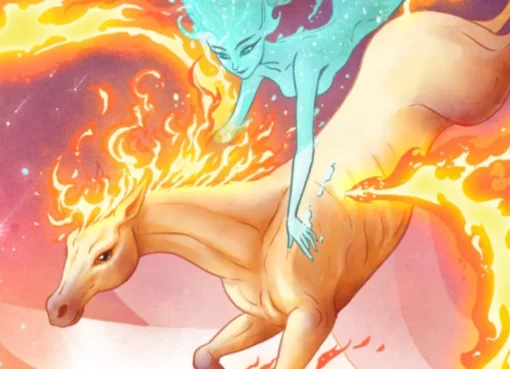
- Concept Art: From sweeping vistas of alien landscapes to the intricate details of nascent technologies, the concept art presented within the book lays the foundational vision for the series’ aesthetic. These pieces are not just illustrative; they are narrative tools, conveying mood, tone, and the very essence of the High Republic’s final moments.
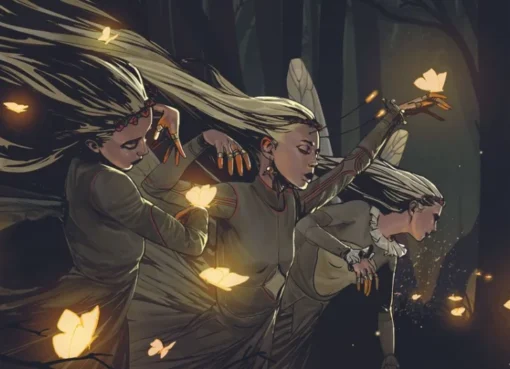
- Character Sketches: The evolution of each character, from the stoic Jedi Master to the enigmatic figures operating in the shadows, is charted through a series of detailed sketches. These studies reveal the iterative process of design, exploring different silhouettes, costume elements, and facial expressions to imbue each character with personality and purpose.
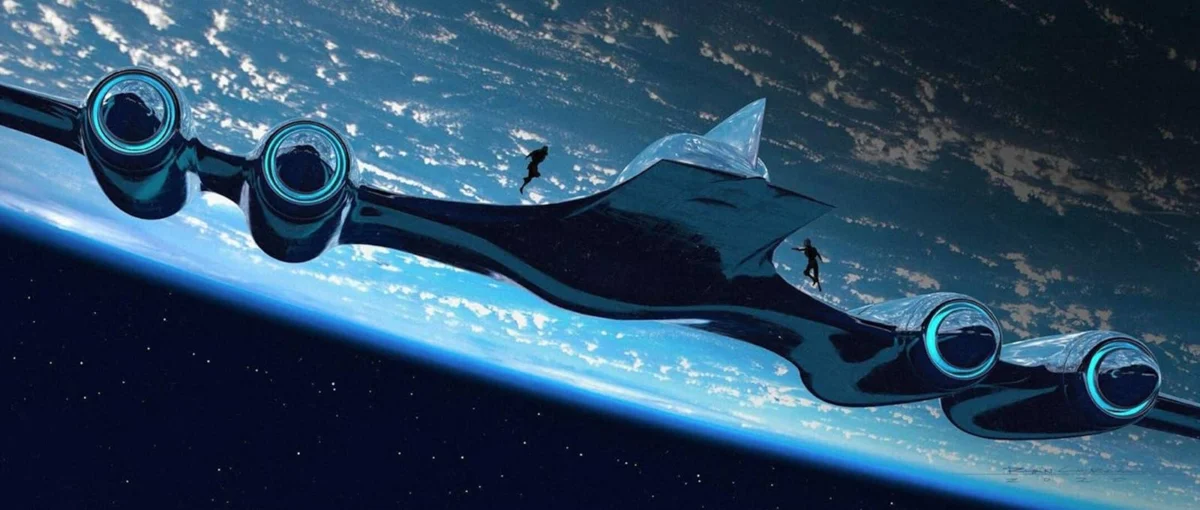
- Vehicle Designs: The High Republic era boasts a unique technological progression, distinct from other periods. The book showcases the innovative designs of starships, speeders, and other vehicles, demonstrating how they were crafted to feel both familiar within the Star Wars universe and distinctly of their time.
- Storyboards: The translation of script to screen is a complex choreography, and the storyboards offer a fascinating glimpse into this crucial stage. These sequential drawings break down key action sequences, dramatic moments, and intimate character interactions, illustrating how the directorial vision began to take shape.
Behind the Scenes: Voices from the Creative Frontlines
Crucially, The Art of Star Wars: The Acolyte transcends a purely visual exploration by offering invaluable behind-the-scenes insights and personal reflections from the cast and crew who brought the series to life. The book features in-depth interviews with key creative personnel and the talented actors who embody the characters. Notably, insights from Amandla Stenberg, who is rumored to play a pivotal role in the series, and Lee Jung-jae, known for his compelling performances, are highlighted. These interviews provide a human element to the artistic endeavors, revealing the motivations, challenges, and inspirations behind their contributions.

By detailing the technical and artistic decisions made at every stage of production, from the initial scribbles on a notepad to the final render of a complex visual effect, the book provides a factual and comprehensive account of how this ambitious new chapter of the Star Wars timeline was realized. It underscores the collaborative nature of filmmaking and the dedication required to craft a visually stunning and narratively engaging experience.
Chronology of Creation: From Concept to Screen
The creation of a Star Wars series is a monumental undertaking, a symphony of artistic and technical disciplines working in concert. The Art of Star Wars: The Acolyte effectively chronologically maps this intricate process, offering a structured understanding of how the show evolved.
Pre-Production: Laying the Galactic Foundation
The initial phase of any Star Wars project involves extensive research and conceptualization. For The Acolyte, this meant delving deep into the established High Republic lore, identifying key themes, aesthetics, and narrative threads that could be translated to the screen. The art book likely showcases early concept art that explored the overall mood and atmosphere of the era. This would have included:

- World-Building: Establishing the architectural styles of Jedi temples and civilian settlements, the natural environments of various planets, and the overall technological landscape. This phase would have involved extensive mood boards and visual explorations to define the unique look and feel of the High Republic’s final years.
- Character Archetypes: Defining the visual identities of the Jedi, potential antagonists, and supporting characters. This would involve exploring various silhouettes, color palettes, and iconic costume elements that would differentiate them from other eras.
- Thematic Exploration: Translating the narrative themes of mystery, burgeoning darkness, and the Jedi’s evolving role into visual motifs and symbolic imagery.
Production Design: Crafting the Tangible Galaxy
As the concepts solidified, the production design team would have been tasked with translating these ideas into tangible elements. This is where the concept art and sketches truly come to life. The art book would detail:
- Set Design: The creation of immersive environments, from the grand halls of Jedi Enclaves to the grittier corners of the galaxy. This would involve detailed blueprints, 3D models, and concept art for specific locations.
- Costume Design: Developing the wardrobes for the diverse cast, ensuring each costume reflects the character’s personality, status, and the era. This would involve fabric studies, detailed sketches of accessories, and considerations for how the costumes would move and interact with the environment.
- Prop Design: Designing the myriad of objects that populate the Star Wars universe, from lightsabers and blasters to everyday tools and artifacts. Each prop would have a specific function and aesthetic that aligns with the High Republic.
Visual Development: Bringing Creatures and Technology to Life
The iconic creatures and advanced technology of Star Wars are central to its appeal. The Art of Star Wars: The Acolyte would highlight the visual development of:
- Creature Design: Conceptualizing and refining the appearances of any new alien species or familiar creatures that inhabit the High Republic. This involves anatomical studies, behavioral considerations, and ensuring they fit seamlessly into the established ecosystem.
- Vehicle and Droid Design: Engineering the visual language of the era’s transportation and robotic inhabitants. This would involve intricate details on engines, cockpit layouts, and the overall functionality of these machines.
Pre-visualization and Storyboarding: Choreographing the Action
Before cameras even roll, the narrative is meticulously planned. The art book would offer insights into:

- Storyboarding: The sequential art that visualizes each shot, action sequence, and emotional beat. This is a crucial step in communicating the director’s vision to the entire crew.
- Pre-visualization (Pre-viz): Early 3D animations that map out complex action sequences, allowing for camera angles, blocking, and timing to be refined before principal photography.
Post-Production: The Final Polish
Even after filming concludes, the artistic journey continues. The Art of Star Wars: The Acolyte would touch upon:
- Visual Effects (VFX): The intricate process of integrating digital elements, creating seamless environments, and bringing fantastical creatures and technologies to life. The art book might showcase concept art for specific VFX shots and the challenges involved.
- Color Grading and Cinematography: The final aesthetic touch that sets the mood and tone of the series. While not purely art design, the visual philosophy behind these elements is crucial.
Supporting Data: The Pillars of High Republic Aesthetics
The High Republic era, as envisioned in various Star Wars media, possesses a distinct aesthetic that The Acolyte aims to capture and expand upon. The Art of Star Wars: The Acolyte would serve as a crucial piece of supporting data for understanding this visual identity.
- The Jedi as Guardians of Peace: The High Republic was a time when the Jedi were at their zenith, acting as diplomats, explorers, and protectors. This is reflected in their attire, which is often depicted as more ornate and flowing than the practical robes of later eras. The art book would showcase designs that emphasize this regal and benevolent aspect of the Order.
- A Flourishing Republic: The Republic during this period was at its most expansive and prosperous. This would translate into the architecture and technology, which would be depicted as advanced, elegant, and perhaps even utopian. Think sleek lines, expansive structures, and a sense of optimism.
- The Seeds of Darkness: Even in this golden age, the seeds of future conflict were present. The art book would likely hint at the visual cues that foreshadow the coming darkness. This might manifest in subtle shifts in color palettes, the introduction of more ominous architectural elements, or the design of characters who operate outside the established norms.
- Technological Sophistication: While not as gritty as the Original Trilogy, the High Republic era would have its own unique technological advancements. The art book would reveal designs for starships, communication devices, and other technologies that feel distinct from other Star Wars periods, perhaps with a focus on organic shapes or advanced energy systems.
The inclusion of interviews with the cast, such as Amandla Stenberg and Lee Jung-jae, provides a human element to these artistic endeavors. Their insights into embodying characters within this meticulously crafted world offer a unique perspective on how the art design influences performance and character development. For instance, Stenberg might discuss how the costume design informed their portrayal of a character grappling with internal conflict, or Lee Jung-jae might speak about how the environment design helped him understand the Jedi Master’s place in the galaxy.

Official Responses and Fan Anticipation
While the primary focus of The Art of Star Wars: The Acolyte is on the creative process, the release of such a comprehensive art book is often accompanied by official statements from Lucasfilm and its creative leaders. These statements typically emphasize the ambition of the project and the commitment to expanding the Star Wars universe in meaningful ways.
President of Lucasfilm, Kathleen Kennedy, has consistently championed the exploration of new eras and perspectives within the Star Wars saga. It is highly probable that her commentary, or that of other key figures within Lucasfilm, would be featured in the book or in promotional materials surrounding its release. These official responses would likely highlight:
- The Significance of the High Republic: Emphasizing the importance of this era as a fertile ground for new stories and character arcs.
- The Commitment to Visual Storytelling: Reinforcing the Star Wars tradition of groundbreaking visual effects and immersive world-building.
- The Talent Behind the Project: Praising the artists, designers, and crew for their dedication and skill in bringing The Acolyte to life.
Fan anticipation for The Acolyte is already running high, fueled by the promise of a fresh narrative and the exploration of a beloved but less-seen period. The release of The Art of Star Wars: The Acolyte serves to further ignite this excitement by providing tangible evidence of the show’s visual splendor and the depth of its creative conception. The detailed concept art, character sketches, and behind-the-scenes insights offered in the book will undoubtedly become treasured artifacts for dedicated fans, offering them a deeper connection to the making of their favorite galaxy far, far away.

Implications for the Future of Star Wars Storytelling
The creation and release of The Art of Star Wars: The Acolyte and the series itself carry significant implications for the future trajectory of Star Wars storytelling.
- Expanding the Timeline: By successfully bringing the High Republic era to live-action, Lucasfilm demonstrates a commitment to exploring beyond the Skywalker saga. This opens the door for future projects set in other distinct periods, offering a wealth of narrative possibilities.
- The Power of Art and Design: The art book underscores the indispensable role of visual development in establishing the identity of a new era. It serves as a blueprint for how future Star Wars projects can create unique and compelling aesthetics that resonate with audiences.
- Deepening Lore: By offering a visual representation of the High Republic, The Acolyte and its accompanying art book enrich the existing lore, making it more accessible and engaging for a wider audience. This can inspire further exploration of the era in other media.
- A New Generation of Storytelling: The Acolyte is poised to introduce new characters and themes that will resonate with a contemporary audience. The emphasis on a compelling mystery and the exploration of the Jedi’s role in a changing galaxy suggest a forward-thinking approach to storytelling within the franchise.
In essence, The Art of Star Wars: The Acolyte is more than just a companion piece to a television series; it is a testament to the enduring power of imagination and the meticulous craftsmanship that defines the Star Wars legacy. It invites audiences to not only witness a new chapter unfold on screen but to also understand the intricate, artistic journey that brought this fascinating era of the galaxy far, far away to vivid life. The book is an essential acquisition for any Star Wars enthusiast, offering a definitive look at the dawn of a Sith mystery and the artistry that shaped it.