The Convergence of Eldritch Horror and Aesthetic Subversion: An Analysis of Katie Skelly’s Heaven
Main Facts: The Conceptual Ambition of Heaven
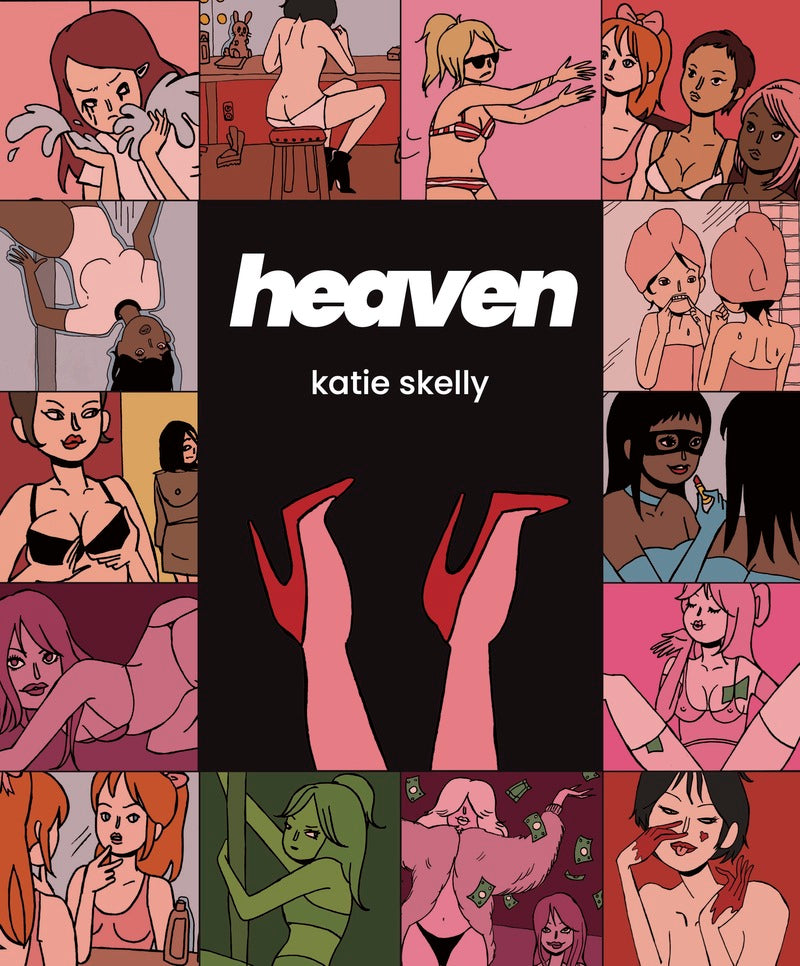
In the landscape of contemporary independent comics, few creators manage to balance the grotesque and the "cute" with as much surgical precision as Katie Skelly. Her latest release, Heaven, represents her most conceptually ambitious project to date, pushing the boundaries of the graphic novella by blending the mundane realities of adolescence with the cosmic indifference of Lovecraftian horror. Published to significant critical anticipation, Heaven serves as a spiritual and stylistic evolution of Skelly’s previous explorations into the intersections of labor, gender, and violence.
The narrative centers on Dolly, an eighteen-year-old high school graduate standing at the precipice of adulthood in a suffocatingly quiet suburban environment. Eschewing the traditional paths of higher education or local employment, Dolly utilizes her background as a competitive gymnast to secure a position at "Heaven," a mysterious, isolated strip club located in the heart of the desert. However, Heaven is far from a conventional workplace drama. As Dolly integrates into a "found family" of fellow dancers, she becomes a witness to—and a participant in—a series of supernatural occurrences. Men enter the club but never depart; the manager engages in clandestine negotiations with interdimensional entities; and the very act of labor becomes inextricably linked with eldritch rituals.
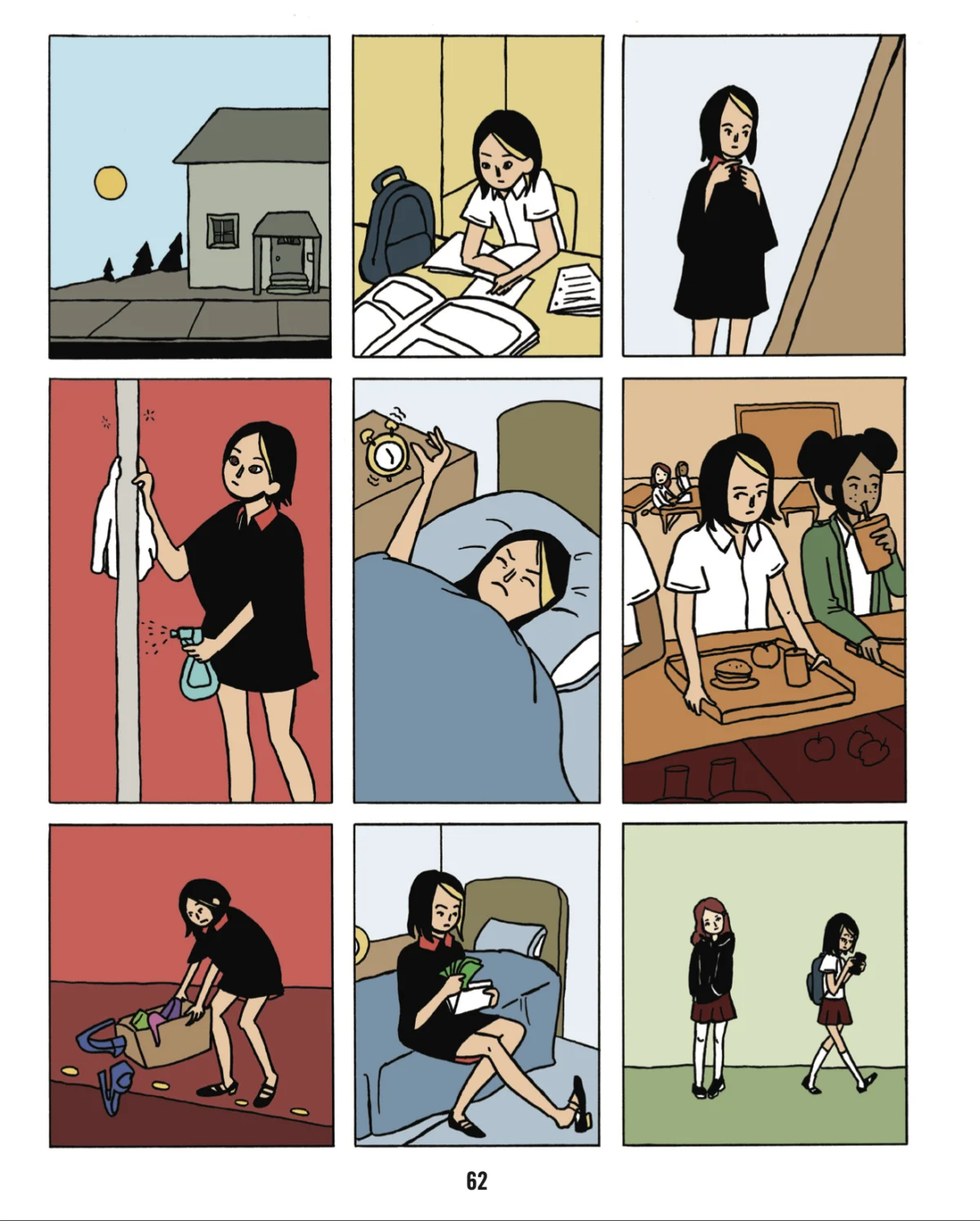
Clocking in at 107 pages, the book is a lean, vibrant exploration of what it means to choose a "dangerous" life over a "safe" one. Skelly utilizes her signature minimalistic art style—characterized by bold lines and a bright, almost neon color palette—to depict a world that is as alluring as it is repulsive. By doing so, she challenges the reader’s preconceived notions of sex work, agency, and the transition from girlhood to womanhood.
Chronology: The Evolution of Skelly’s Aesthetic and Themes
To understand the weight of Heaven, one must look at the trajectory of Katie Skelly’s decade-long career. She has consistently occupied a niche in the indie comics scene as a chronicler of the "abjectness" of the female experience, often utilizing genre tropes to mask deeper sociopolitical critiques.
- Early Works and The Agency: Skelly’s earlier projects established her interest in the surreal. The Agency, a collection of short stories, introduced her fascination with women in "vague" sci-fi professions where sexual agency and corporate labor were blurred. It set the stage for her career-long interrogation of how women navigate systems that seek to commodify their bodies.
- The Breakthrough of Maids: Skelly gained widespread acclaim with Maids, a stylized retelling of the real-life Papin sisters, two maids in 1930s France who murdered their employers. Maids was a turning point, demonstrating Skelly’s ability to handle "true crime" with a sapphic, violent, and visually striking lens. It established a thematic through-line: the idea that for women under systemic pressure, violence is often the only available form of labor or liberation.
- The Transition to Heaven (2026): Heaven marks a departure from the historical and the strictly surreal toward a more narrative-driven, contemporary setting. Unlike the sisters in Maids, who were driven to violence by extreme poverty and abuse, Dolly in Heaven is driven by a more modern, existential hunger: the desire for experience. This shift represents a maturation of Skelly’s themes, moving from "survival" to "choice."
Supporting Data: Visual Dissonance and the "Sex Work is Work" Paradigm
The power of Heaven lies in its "dual nature"—a term often applied to the medium of comics where the text and the image provide conflicting information. Skelly’s art is deceptively simple, bordering on the aesthetic of "kawaii" or 1960s pop art. However, this aesthetic is used to depict scenes of profound bodily autonomy and visceral horror.
The Pliers Scene: A Case Study in Autonomy
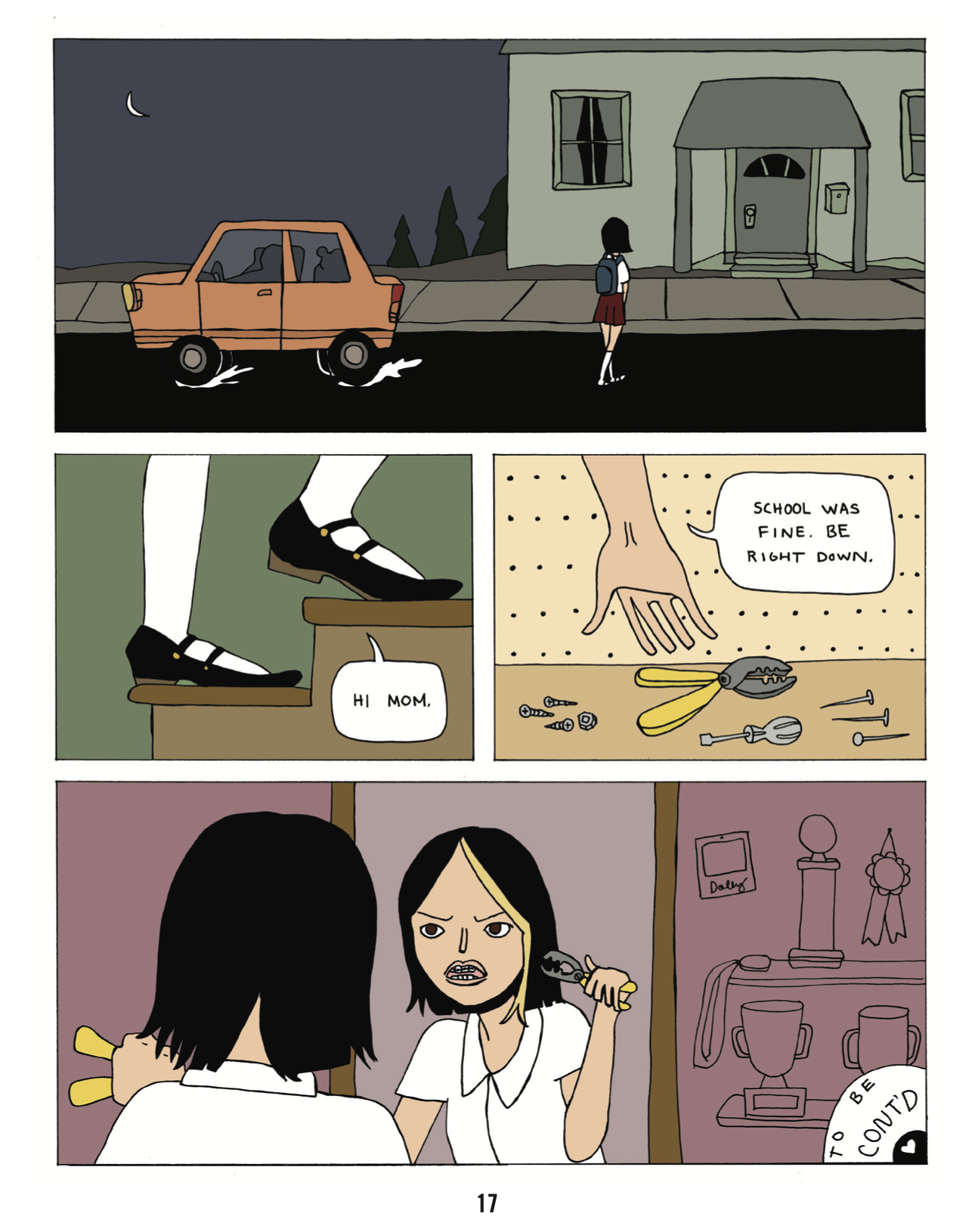
One of the most discussed sequences in the book involves Dolly using a pair of pliers to forcibly remove her own dental braces. In any other medium, this would be framed as a moment of psychotic break or tragic desperation. In Skelly’s hands, however, it is depicted as a pragmatic, albeit gruesome, rite of passage. Dolly recognizes that her "girlhood" (symbolized by the braces) is a barrier to the "womanhood" required for her new profession. By self-mutilating to achieve a specific look, she exerts total control over her physical form. The book offers no moral judgment on this act, a rarity in American storytelling which typically demands that such transitions be accompanied by regret or external trauma.
The Mundanity of the Macabre
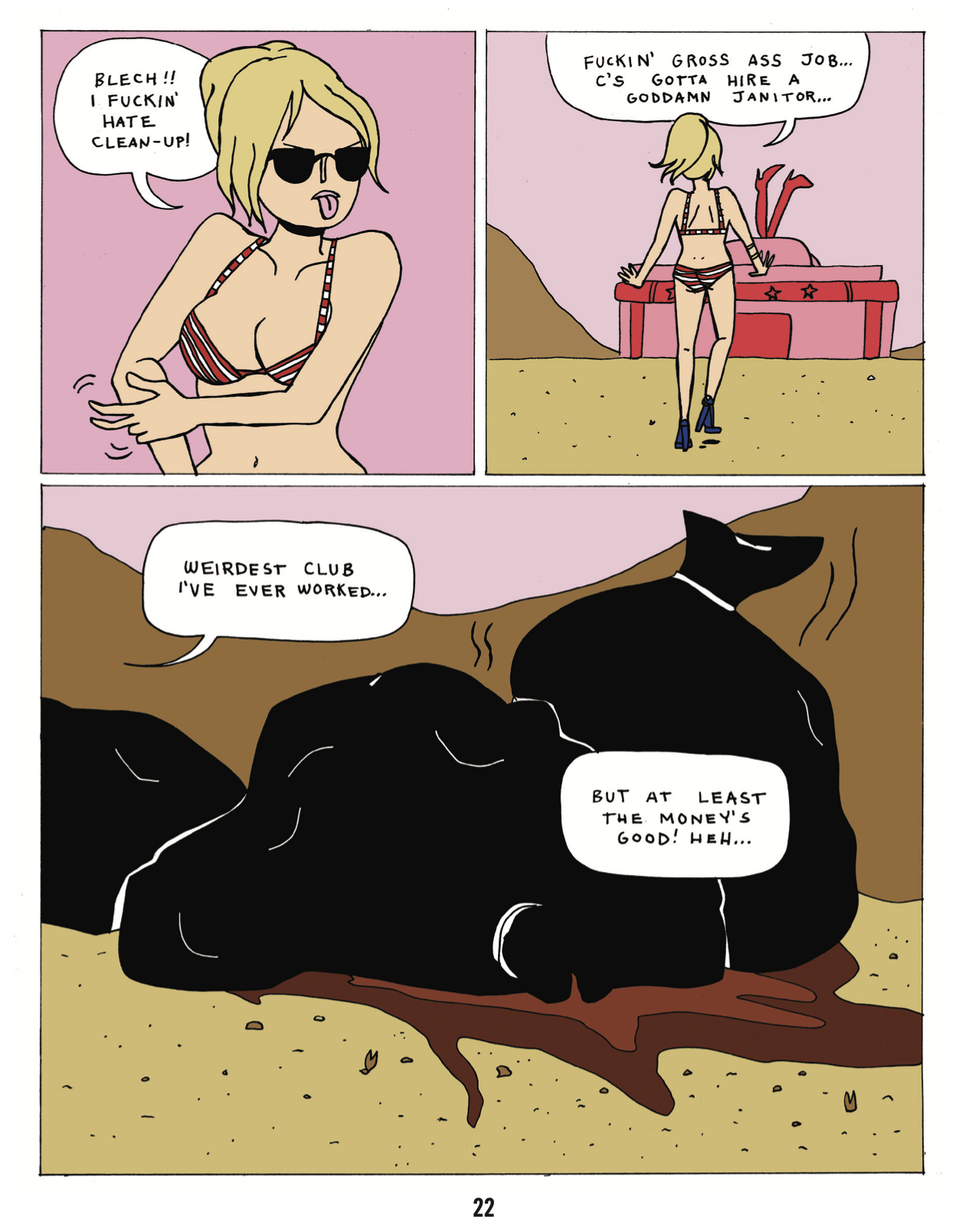
Heaven further explores the "sex work is work" mantra by de-sensitizing the horror of the club’s operations. Skelly includes scenes where dancers complain about the physical toll of their jobs—not just the dancing, but the "cleanup" associated with the club’s disappearing patrons. In one panel, a dancer hauls leaking blood-filled garbage bags while complaining that such tasks are not in her job description. This juxtaposition serves a specific purpose: it suggests that in a late-capitalist society, all labor is "grotesque" and "absurd." Whether one is filing papers in a suburban office or disposing of the remains of men sacrificed to interdimensional gods, "work" remains a grind of bureaucratic frustration and physical exhaustion.
Comparative Stylings
Critics have noted that Skelly’s work draws from a diverse pool of international influences. Her willingness to let a story meander and her refusal to provide concrete moral resolutions are hallmarks of the Gekiga movement (pioneered by masters like Yoshihiro Tatsumi). Simultaneously, her clean lines and focus on the female form evoke European "ligne claire" traditions and the eroticism of Milo Manara, though Skelly subverts the male gaze inherent in those styles by centering the narrative entirely on the female experience.
Official Responses: Critical Reception and Industry Impact
The reception of Heaven within the comics community has been largely positive, though not without caveats regarding its structure. As noted by critics at The Comics Journal, the book’s primary strength—its refusal to engage in "pitiable tragedy"—is also what makes it a "novelty" in a market that often demands moralistic tales regarding sex work.
The "Nuance Gap"
Reviewers have highlighted that American comics often struggle with nuance in stories involving the sex industry. Usually, these stories fall into two camps: the "moral tragedy" (where the protagonist is a victim needing rescue) or the "glamorized fantasy." Skelly carves out a third path. By making Dolly’s choice a suburban teen’s quest for excitement rather than a desperate flight from poverty, Skelly forces the reader to confront their own biases.
Critiques of Length and Narrative Pacing
However, some critical voices, including Tate McFadden, have pointed out that the book’s 107-page length may be insufficient for its narrative weight. The transition from the "mundanity of the suburbs" to the "wildness of the unknown" is so rapid that some readers feel disconnected from the characters. The "found family" at the club is introduced but not fully explored, leading to an ending that some feel is "sweet" but perhaps "unearned."
The consensus suggests that while Heaven is a visual masterpiece and a thematic triumph, it functions more as a "graphic novella" or a "proof of concept" for a longer narrative. It leaves the reader frustrated not by its quality, but by its brevity.
Implications: The Future of the Graphic Novella and the "Skelly Style"
The publication and reception of Heaven have several broader implications for the indie comics industry and the portrayal of marginalized professions in media.
- Redefining the "Coming of Age" Story: Heaven suggests that the traditional "coming of age" narrative is no longer sufficient for a generation facing an increasingly surreal and precarious world. By replacing the "first love" or "first job" tropes with "first eldritch ritual," Skelly mirrors the actual anxiety of modern youth who feel the world they are entering is fundamentally broken or alien.
- A Shift in Labor Discourse: By framing the "Lovecraftian" elements of the club as mere workplace hazards, Skelly contributes to a growing body of "labor-horror" literature. This genre suggests that the true horror isn’t the monsters from another dimension, but the fact that we still have to clock in at 9:00 AM to deal with them.
- The Growth of Narrative-Driven Indie Art: For years, Skelly was known for atmosphere over plot. Heaven marks her transition into more "narrative-direct" work. While this transition faced some growing pains regarding character depth, it signals a shift in the indie scene where "art-comics" are beginning to embrace more traditional storytelling structures to reach a wider audience without sacrificing their avant-garde roots.
In conclusion, Heaven is a confounding, beautiful, and occasionally frustrating work that solidifies Katie Skelly’s position as a vital voice in modern comics. It is a "cheery middle finger" to moral crusaders and a neon-soaked invitation to embrace the unknown. While the book may be short, its impact on the discourse of girlhood, work, and horror is likely to have a long-lasting shelf life, leaving readers eager for whatever longer, stranger world Skelly decides to build next.