
A Surreal Descent: Dino Buzzati’s Masterpiece ‘Poem Strip’ Reclaimed for the 21st Century
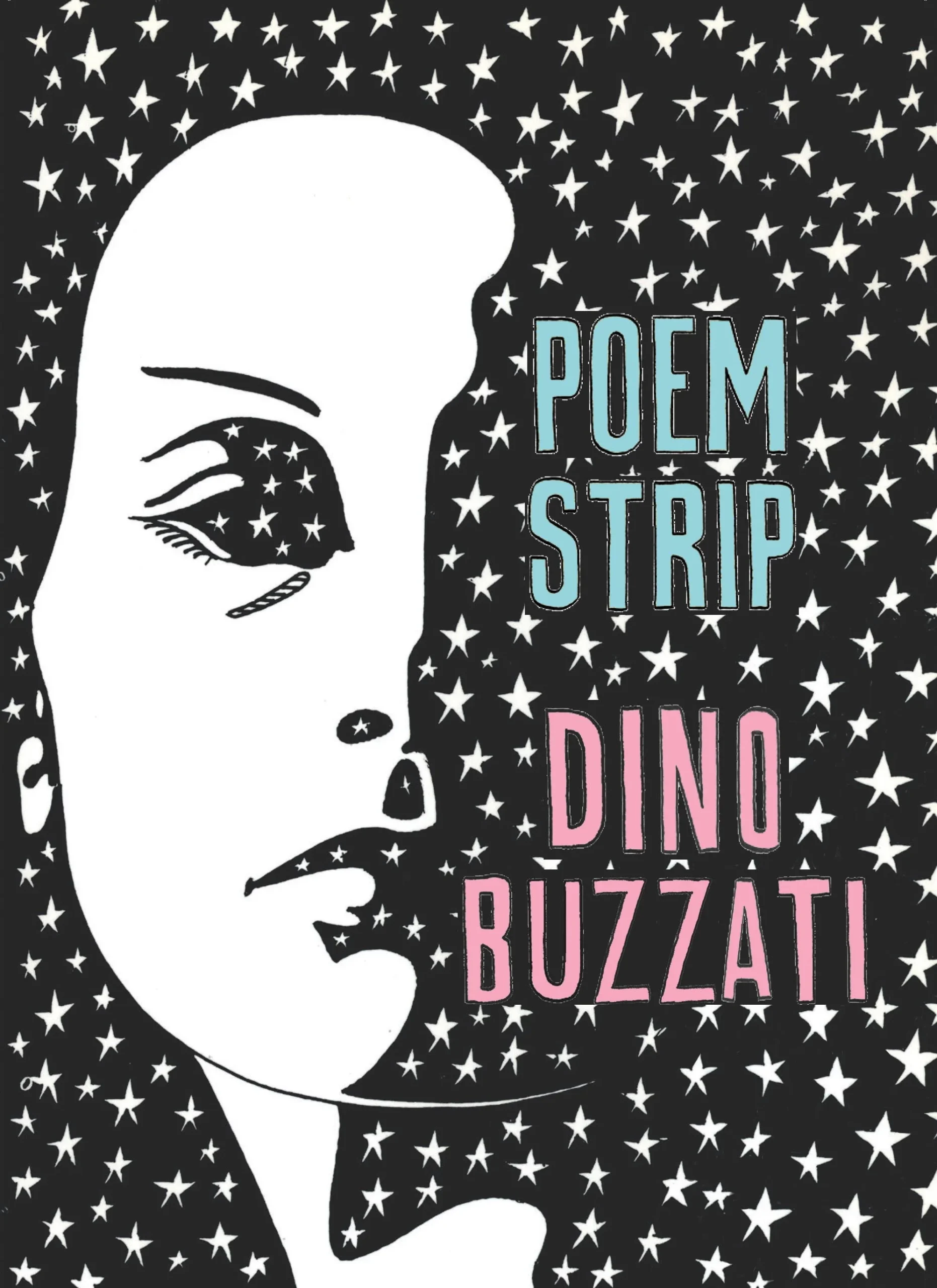
MILAN/NEW YORK — The intersection of high literature and graphic art has long been a fertile, if occasionally fraught, ground for experimentation. Yet, few works in the history of the medium carry the weight and stylistic audacity of Dino Buzzati’s Poem Strip (Poema a fumetti). Originally published in 1969 and now revitalized in a definitive 2026 edition by New York Review Comics (NYRC), the work remains a singular achievement that defies traditional categorization.
Dino Buzzati, a titan of 20th-century Italian letters, was not a "comics person" by trade. He was a journalist, a poet, and the celebrated novelist behind The Tartar Steppe. However, in Poem Strip, Buzzati utilized the sequential medium to reinvent the Orpheus myth for the psychedelic era, creating a work that functions as much as a graphic poem as it does a narrative. The new translation by Marina Harss and lettering by Rich Tommaso marks a significant cultural moment, bringing a high-fidelity English version of this avant-garde treasure to a new generation of readers.
Main Facts: The 2026 Revival
The 2026 release of Poem Strip by NYRC is a 220-page hardcover volume retailing for $22.95. This edition is positioned not merely as a reprint, but as a restoration of Buzzati’s intent. The book follows the descent of Orfi, a brooding rock ‘n’ roll singer—a composite of Elvis Presley, Bob Dylan, and Neil Diamond—who enters the underworld to retrieve his beloved Eura.
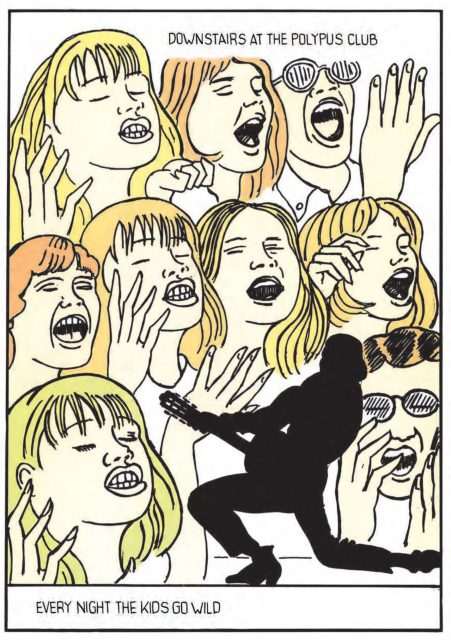
Set against the backdrop of a "mirror-world" version of the Swinging Sixties, the narrative moves through the Polypus Club, where mod dancers frug in a state of frenzy, to the bleak, rain-slicked streets of a city that resembles Rome. Buzzati’s art is a kaleidoscope of influences, ranging from the stark architectural lines of post-war Italy to the distorted shadows of German Expressionism.
The production team for this edition includes Marina Harss, whose translation is noted for its conversational fluidity, and veteran cartoonist Rich Tommaso, whose lettering preserves the organic, often erratic energy of Buzzati’s original hand.
Chronology: From Literary Giant to Graphic Pioneer
To understand the significance of Poem Strip, one must look at the trajectory of Dino Buzzati’s career:
- 1902–1940: Buzzati establishes himself as a preeminent voice in Italian literature. His 1940 novel, The Tartar Steppe, earns him international acclaim for its Kafkaesque exploration of waiting and existential dread.
- The 1960s: As the "Swinging Sixties" take hold of Europe, Buzzati—then in his 60s—becomes fascinated by the burgeoning Pop Art movement and the rising cultural legitimacy of the fumetti (Italian comics).
- 1969: Buzzati publishes Poema a fumetti. It is a radical departure. While the literary establishment is initially skeptical of a "serious" writer working in a "low" medium, the work eventually gains cult status for its bold visual experimentation and philosophical depth.
- Late 1960s/Early 1970s: An initial English translation is released, but critics later argue it failed to capture the rhythmic nuance of Buzzati’s prose and the specific cultural references of the era.
- 2026: NYRC releases the Harss/Tommaso edition, correcting previous translation errors and presenting the artwork with modern scanning techniques that highlight Buzzati’s mercurial use of color and line.
Supporting Data: Artistic Analysis and Narrative Structure
Buzzati’s approach to the page is described by critics as "mercurial." Unlike professional cartoonists of the era who relied on strict grids and preliminary pencils, Buzzati’s work feels improvisational and raw.
Visual Language:
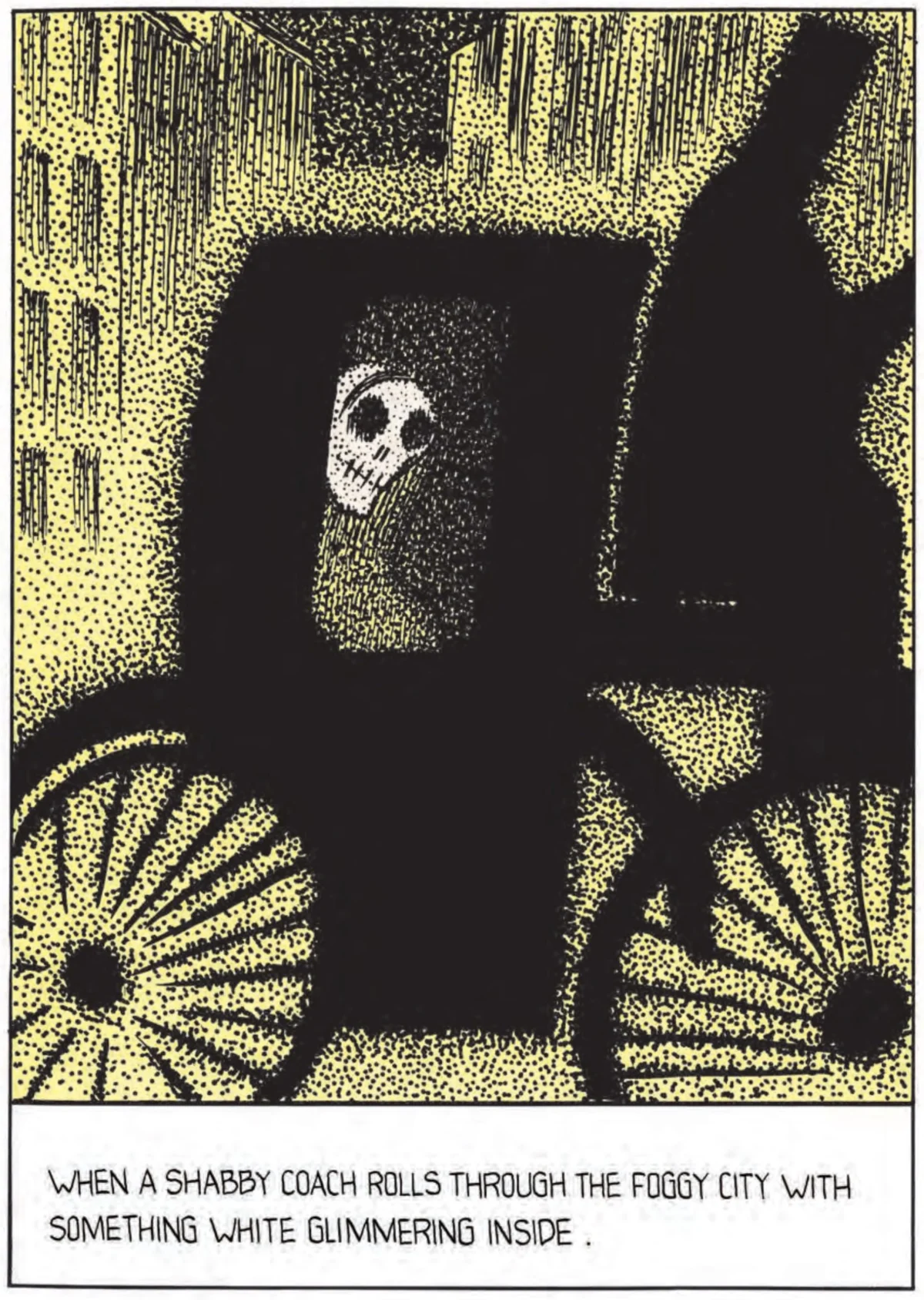
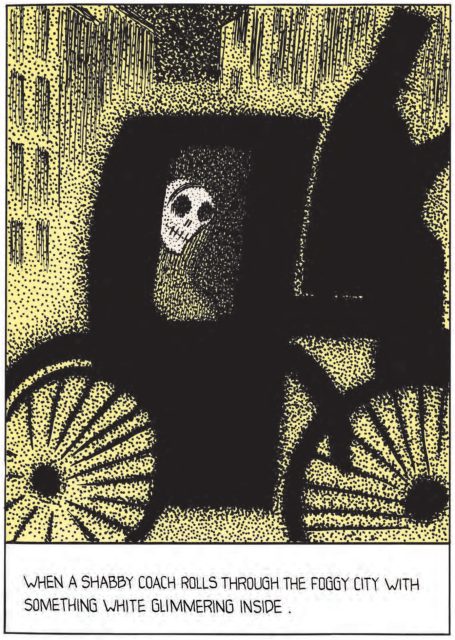
The artwork in Poem Strip utilizes a simple palette of pastels, often acting as flat accents against bold, direct ink lines. Buzzati frequently employs photo-referenced figures, which he then distorts, telescopes, and compresses to suit the emotional temperature of the scene. Critics have noted the influence of Murnau’s Nosferatu in his use of shadow, as well as the bold graphic design of contemporary movie posters.
Thematic Riffs:
The narrative is famously non-linear in its focus. Buzzati often pauses the central plot—Orfi’s search for Eura—to engage in "sidecars" of poetic rumination. One notable section details the "witches" of Orfi’s hometown, featuring a playful lyrical nod to The Beatles with the line, "The witches yeah yeah yeah!"
The Bureaucratic Afterlife:
Perhaps the most striking data point in Buzzati’s reimagining is his "Explanation of the Afterlife." Eschewing traditional depictions of fire and brimstone, Buzzati presents a "quiet hell." The underworld is a place of infinite bureaucracy, compartmentalization, and profound boredom. It suggests that the inhabitants are not tortured by demons, but by a soul-crushing fatigue—a reflection of the modern world’s own spiritual exhaustion.
Official Responses and Critical Reception
The 2026 edition has met with widespread critical approval, though it has sparked debate regarding the presentation of historical context.
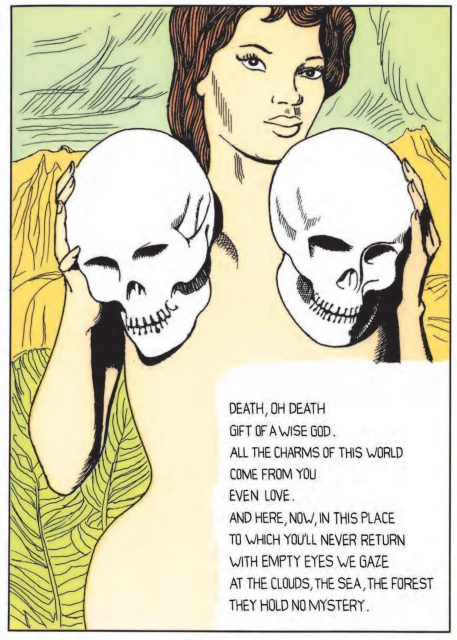
Frank M. Young, writing for The Comics Journal, praised the work as "vital" and "absorbing," noting that Buzzati’s "strong acumen to use cartoon art in a poetic manner" sets the book apart from standard graphic novels. Young highlighted the "Orfi’s Songs" section as a masterpiece of social commentary, suggesting it deserves a permanent place in the "comics canon."
However, Young and other critics have raised a "cavil" regarding the 2026 volume’s lack of an afterword. In a move described as "unusual for the imprint," the NYRC edition contains no biographical or historical essay to frame Buzzati’s life for new readers. "Buzzati’s life story is fascinating," Young noted. "He was as compelled to create as Jack Kirby… the lack of context is the one drawback in a otherwise sumptuous volume."
Translator Marina Harss has been commended for her "invisible" hand, ensuring the dialogue feels contemporary without losing the specific 1960s "POV" that defines the original work.
Implications: The Future of the "Graphic Poem"
The re-emergence of Poem Strip carries significant implications for the future of sequential art. By showcasing a work created by a literary "outsider," the 2026 edition challenges the boundaries of what is considered a "comic."
- A Call to Artists: The book serves as a manifesto for "less traditional" storytelling. It encourages creators to prioritize suggestion over depiction and to allow the rhythm of the words to dictate the flow of the images.
- Bridging the Gap: Buzzati’s success in the medium provides a blueprint for contemporary novelists and poets to explore graphic formats without feeling beholden to the tropes of superhero or traditional indie comics.
- The Canonization of the Surreal: Poem Strip reinforces the idea that the graphic novel is uniquely suited for exploring the subconscious. Its blend of Pop Art aesthetics with deep existential inquiry suggests that the medium is at its strongest when it embraces the "ominous/mundane" vibe of the human condition.
As Poem Strip finds its way onto bookshelves once more, it stands as a testament to the enduring power of the Orpheus myth and the limitless potential of the drawn line. In Buzzati’s hands, the descent into the underworld is not just a journey into death, but a mirror held up to the "quiet death of the heart" that occurs in the world of the living. For the comics industry, it is a reminder that sometimes the most profound innovations come from those who never intended to be "comics people" at all.


Leave a Comment