The End of an Era: Bizarro-Wuxtry and the Displacement of Athens’ Cultural Underground
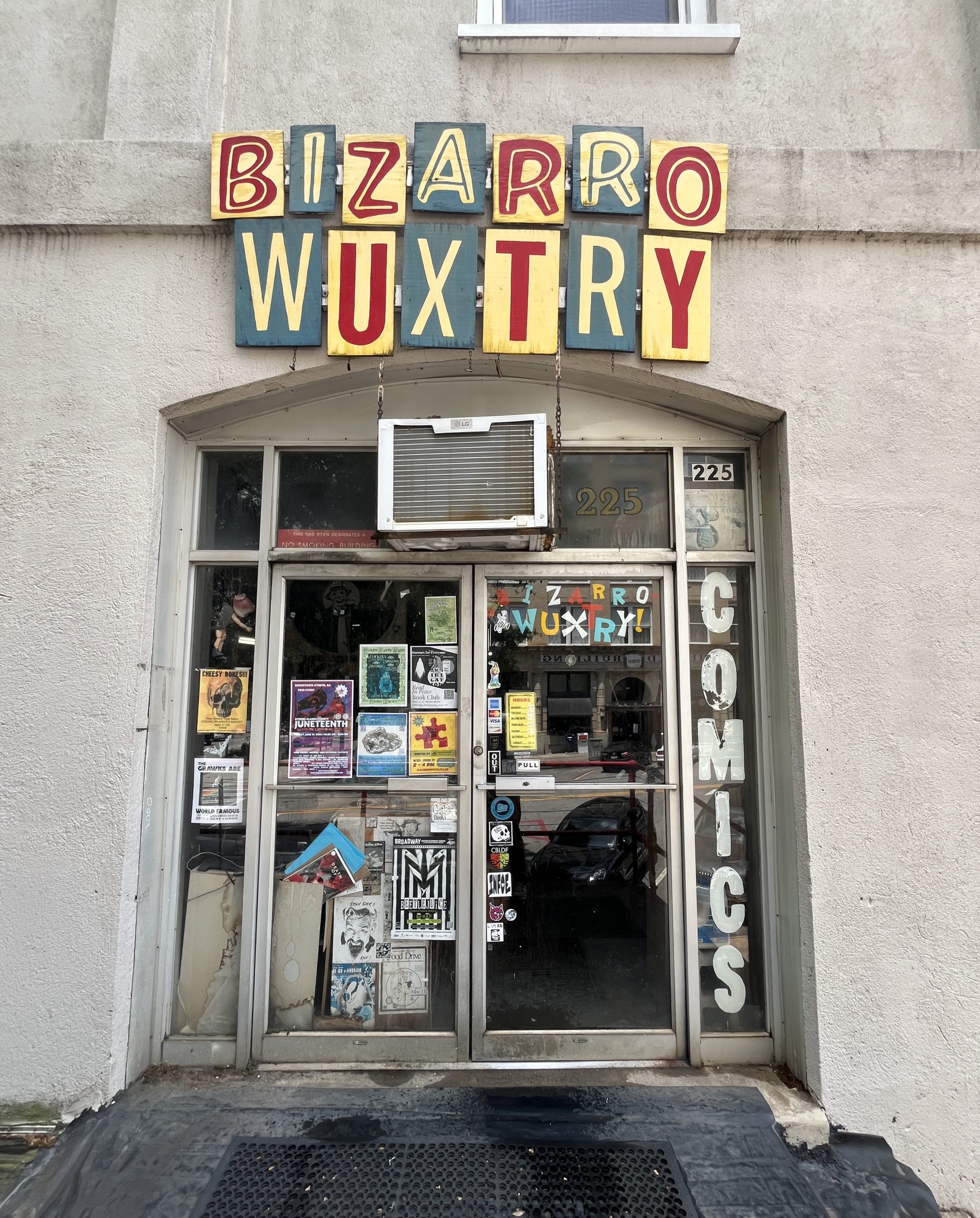
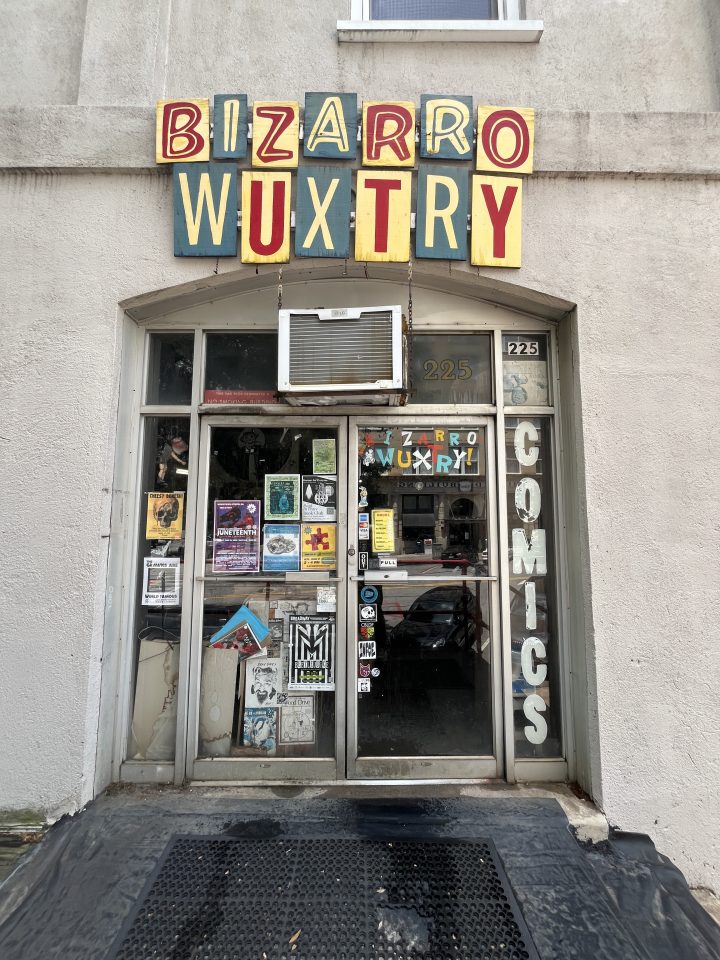
ATHENS, GA — In a development that has sent shockwaves through the international comics community and the local cultural landscape of Georgia, Bizarro-Wuxtry, the legendary independent comic book shop, has been put up for sale. The announcement, made in July 2026, signals more than just the potential closure of a retail outlet; it marks the end of a thirty-year tenure for a shop widely regarded as one of the most significant "third places" in the American Southeast.
The sale is precipitated by the acquisition of its historic mid-century building by developers, who intend to convert the space into high-density luxury student apartments. This move follows a global trend of urban gentrification where established cultural landmarks are displaced by the economic demands of real estate speculation.
Main Facts: A Landmark Under Siege
Bizarro-Wuxtry is not a traditional comic book store. Located on the second floor of a building in downtown Athens, above its progenitor, Wuxtry Records, the shop has functioned as a museum, a community center, and a clearinghouse for the avant-garde. The news of its sale broke via social media in late June 2026, following the building’s change in ownership.
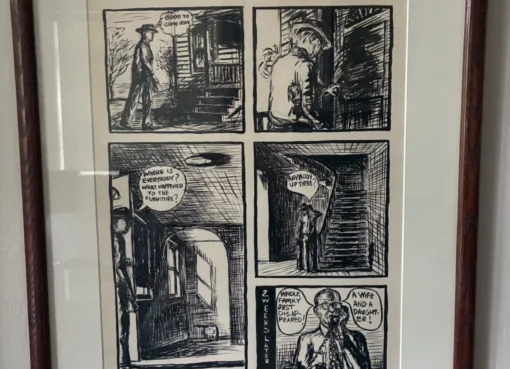
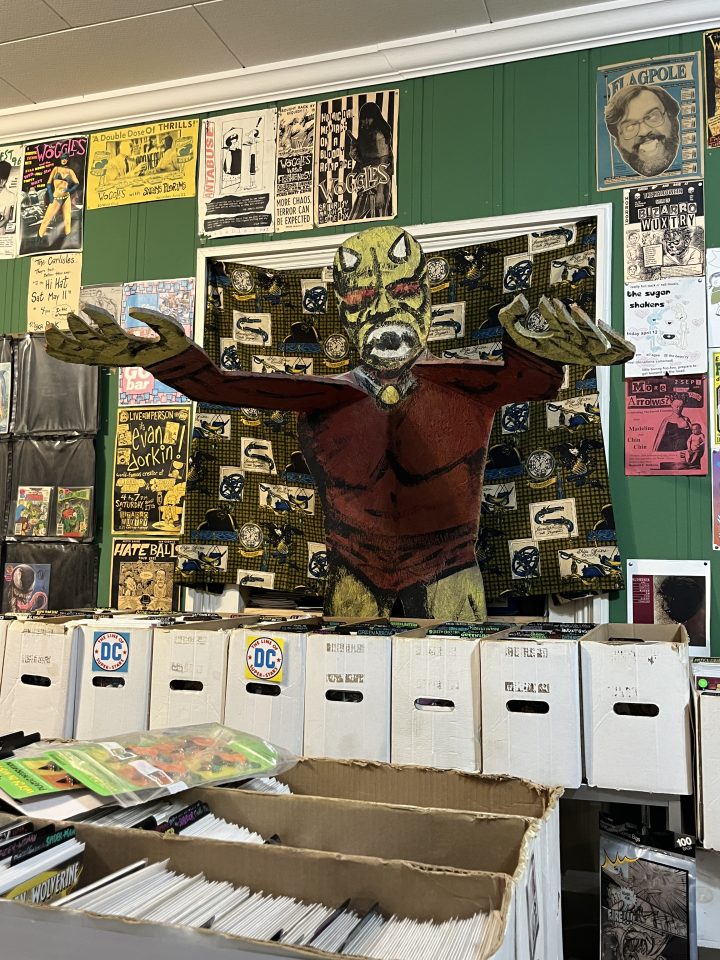
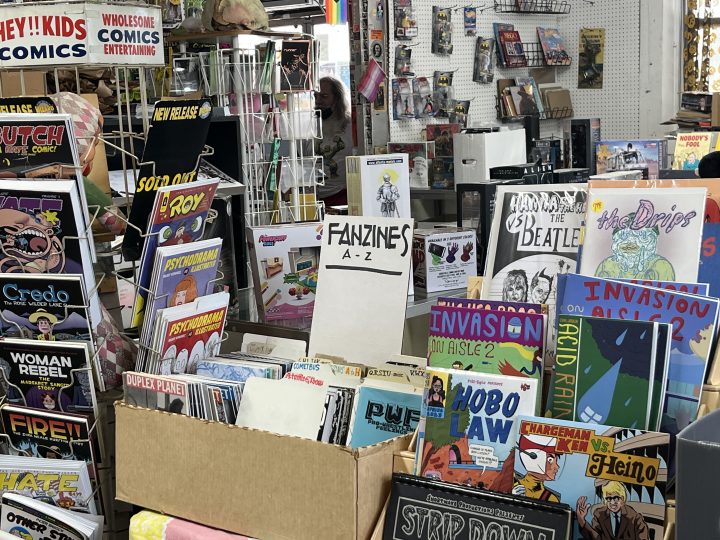
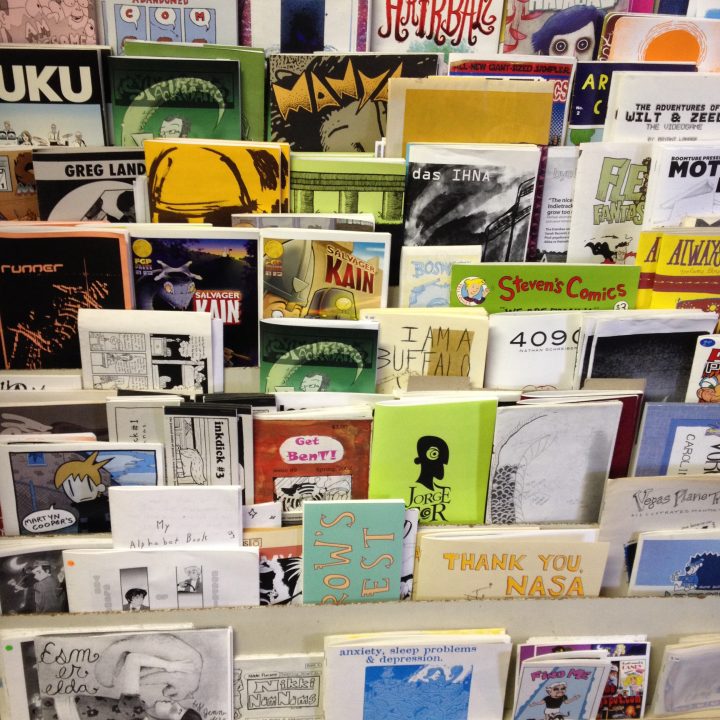
The shop’s significance lies in its curation. Under the decades-long management of Devlin Thompson, Bizarro-Wuxtry became a bastion for small-press zines, underground "comix," and obscure pop-culture ephemera. Unlike corporate-backed chains that prioritize blockbuster Marvel or DC titles, Bizarro-Wuxtry’s inventory prioritized the "weird"—ranging from self-published local mini-comics to international art books.
The impending closure highlights a critical tension in modern urban planning: the value of "cultural capital" versus the immediate financial returns of real estate development. For the city of Athens, a town defined by its musical and artistic output (hosting the likes of R.E.M. and the B-52s), the loss of Bizarro-Wuxtry represents a significant erosion of the city’s identity.
Chronology: From Vinyl Spinoff to Global Icon
To understand the weight of this loss, one must trace the shop’s evolution through the decades:
- The 1970s and 80s: Wuxtry Records established itself as a premier destination for vinyl enthusiasts. During this era, comics were a secondary offering, tucked into corners and backrooms.
- 1992: Recognizing the growing demand for a dedicated space for alternative media, Bizarro-Wuxtry was spun off as a separate entity. It moved through various street-level locations before finding its permanent home on the second floor of the downtown Athens building.
- The Mid-1990s: Under the guidance of Devlin Thompson, the shop began to diverge from the "standard" comic shop model. While other stores focused on the "speculator boom" of the 90s, Bizarro-Wuxtry doubled down on the burgeoning independent scene, stocking titles like Love and Rockets and Hate.
- 1999–2000: The shop played a pivotal role in the founding of FLUKE, a small-press and zine festival. The store served as the organizational hub for the event, which would go on to become one of the longest-running festivals of its kind in the United States.
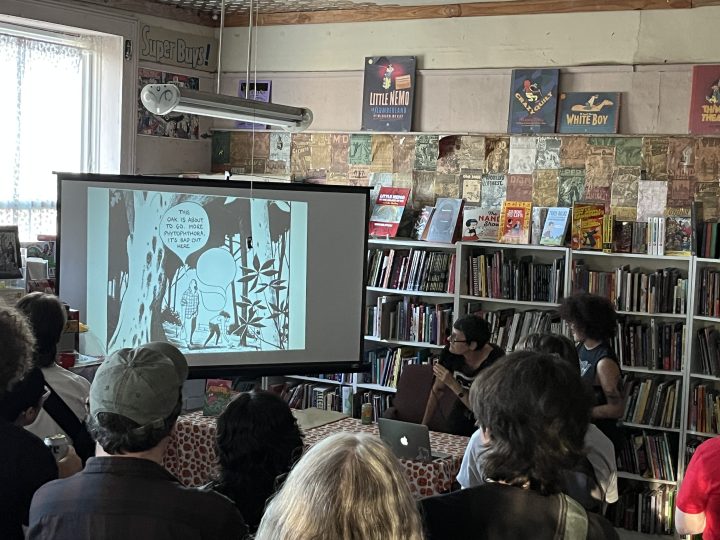
- 2024–2025: Despite the rise of digital media, Bizarro-Wuxtry maintained its relevance, hosting readings by acclaimed cartoonists like Eleanor Davis and James Sturm, and continuing to serve as a vital distribution point for local artists.
- June/July 2026: The building is sold to developers. A formal notice is posted on social media stating that Bizarro-Wuxtry is for sale, signaling the beginning of the end for its current iteration.
Supporting Data: The Architecture of Weirdness
The physical layout of Bizarro-Wuxtry is often described by patrons as a "labyrinthine museum." The shop occupies a series of interconnected rooms in a mid-century office building, each dedicated to a specific sub-niche of pop culture.
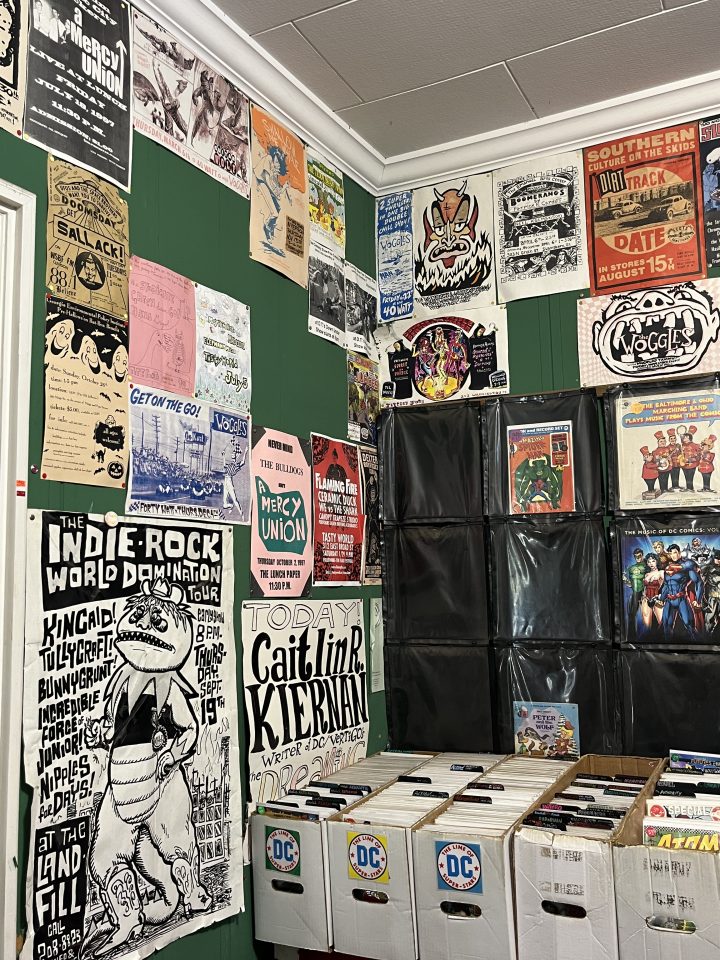
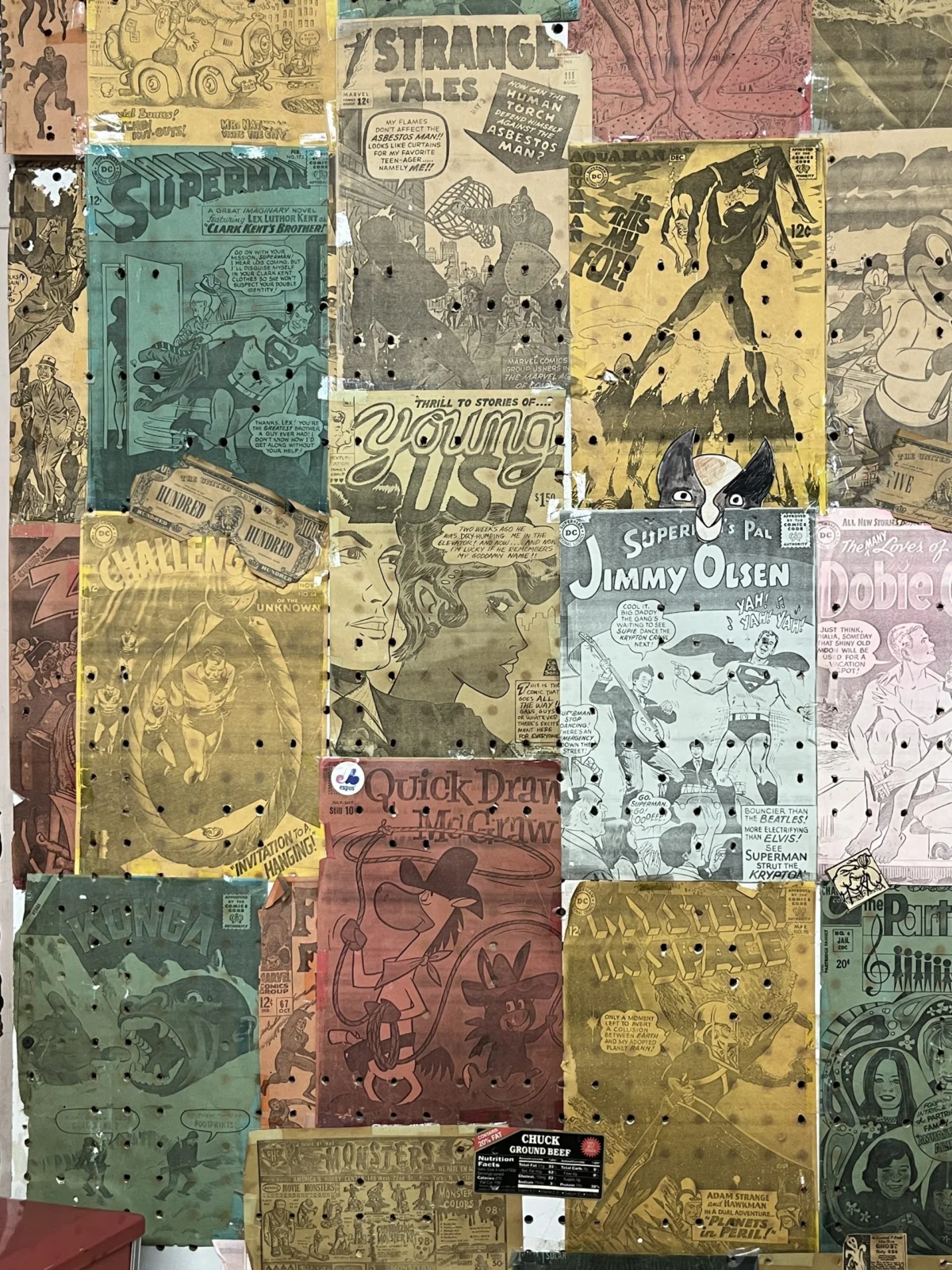
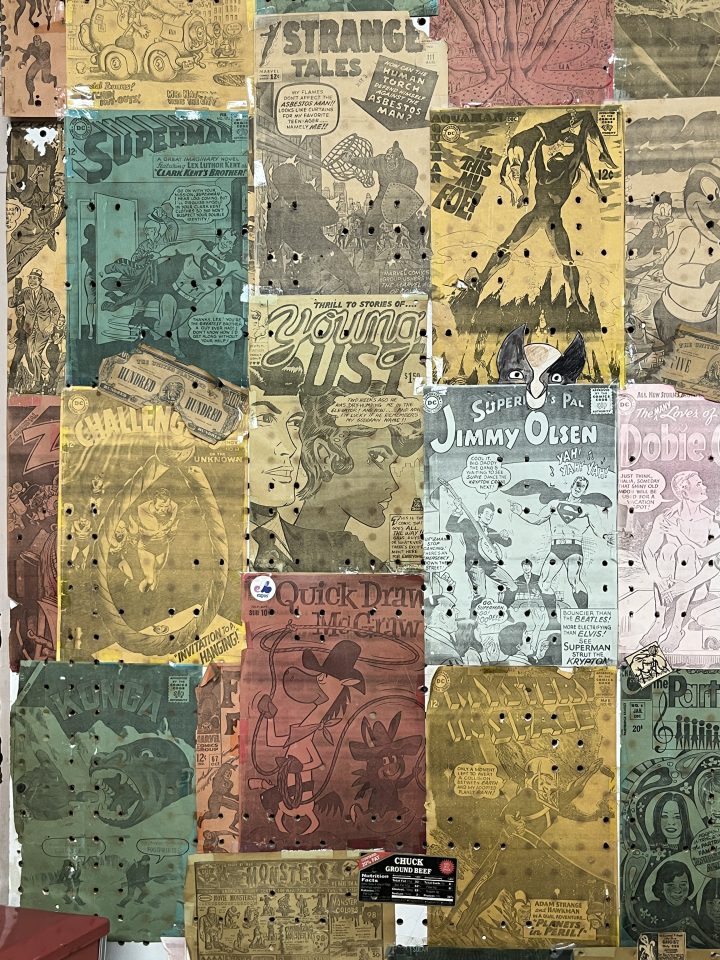
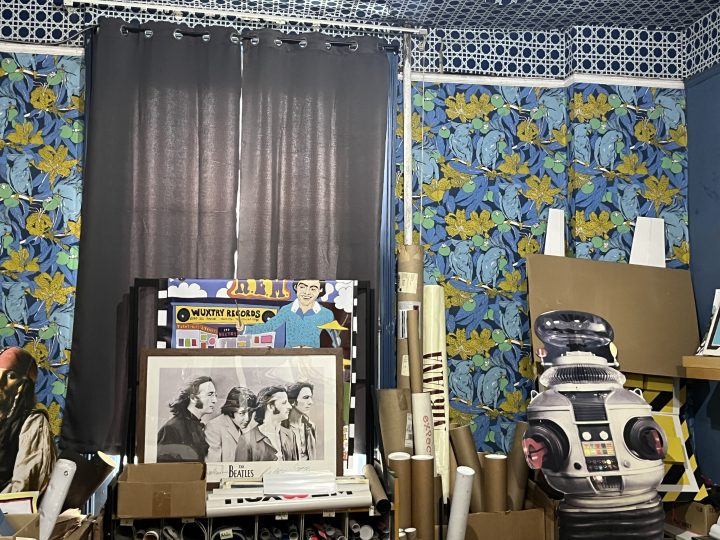
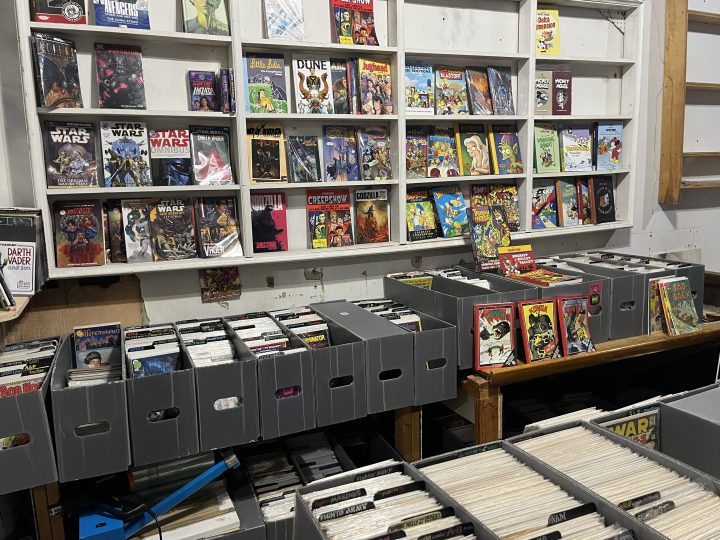
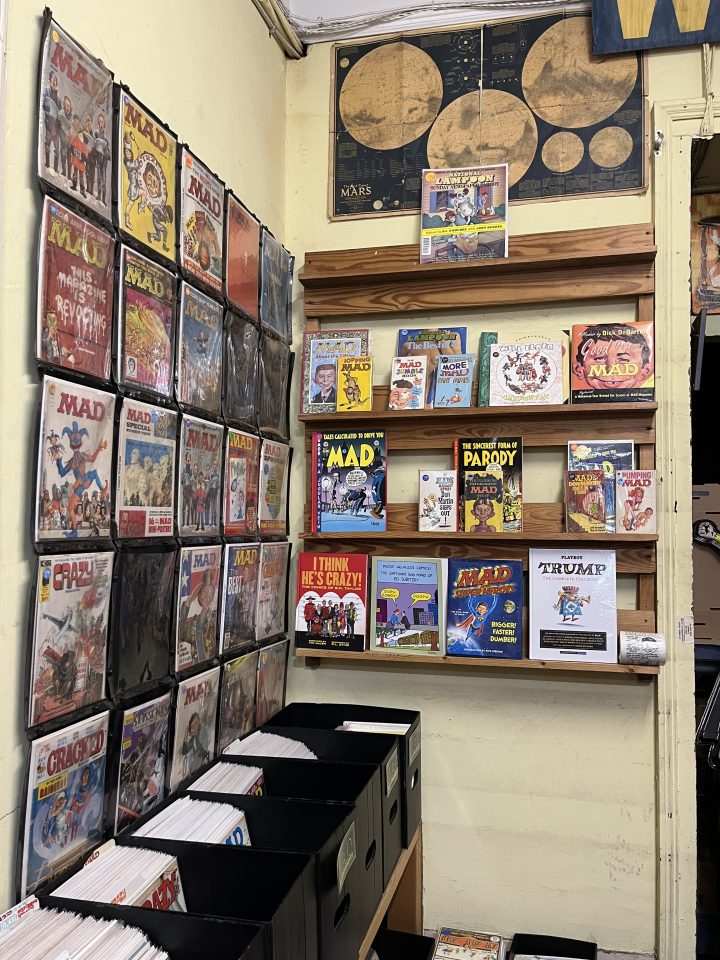
- The Back-Issue Museum: This room serves as a chronological record of Athens’ history. Its walls are plastered with three decades of flyers for local rock shows, mayoral campaigns, and circus posters. It houses a vast collection of vintage comics, guarded by a life-sized statue of Etrigan the Demon.
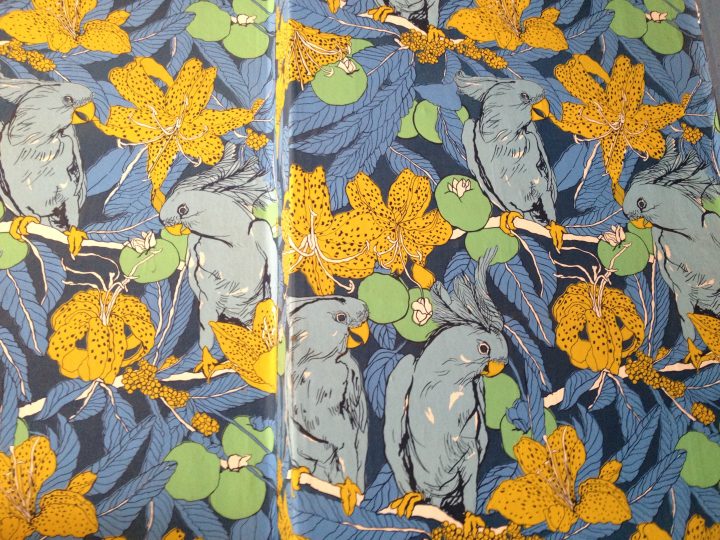
- The "Parrot Room": Notable for its bizarre, repeating-pattern wallpaper of tropical plants and birds, this room contains "all-ages" comics, including Archie titles and 1990s Bongo books (The Simpsons).
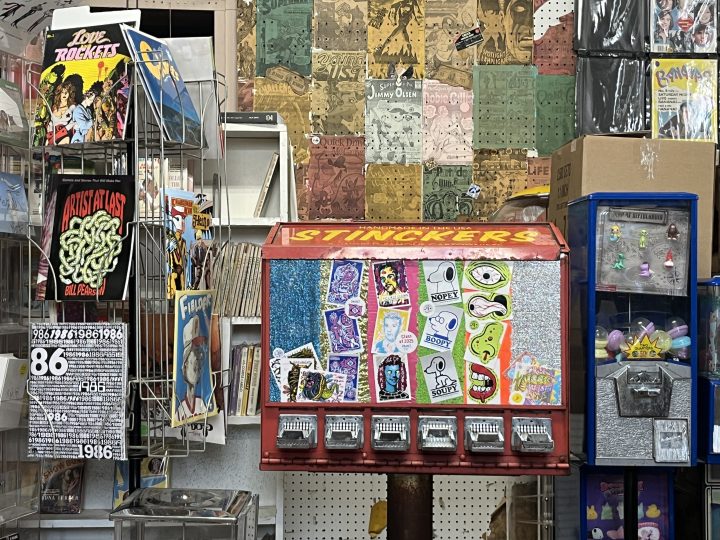
- The Small Press Rack: This is arguably the store’s most important asset. It features a curated selection of self-published works, zines, and mini-comics. The shop maintained an "open-door" policy for local creators, ensuring that even the most amateurish first effort had a place on the shelf alongside professional volumes.
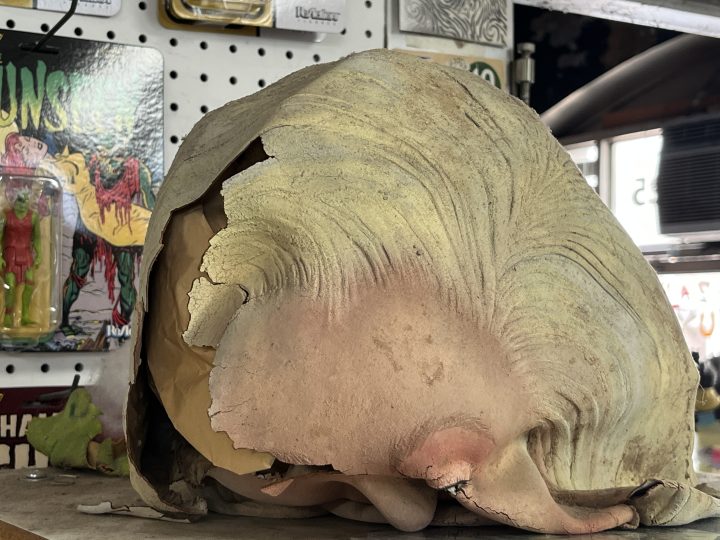
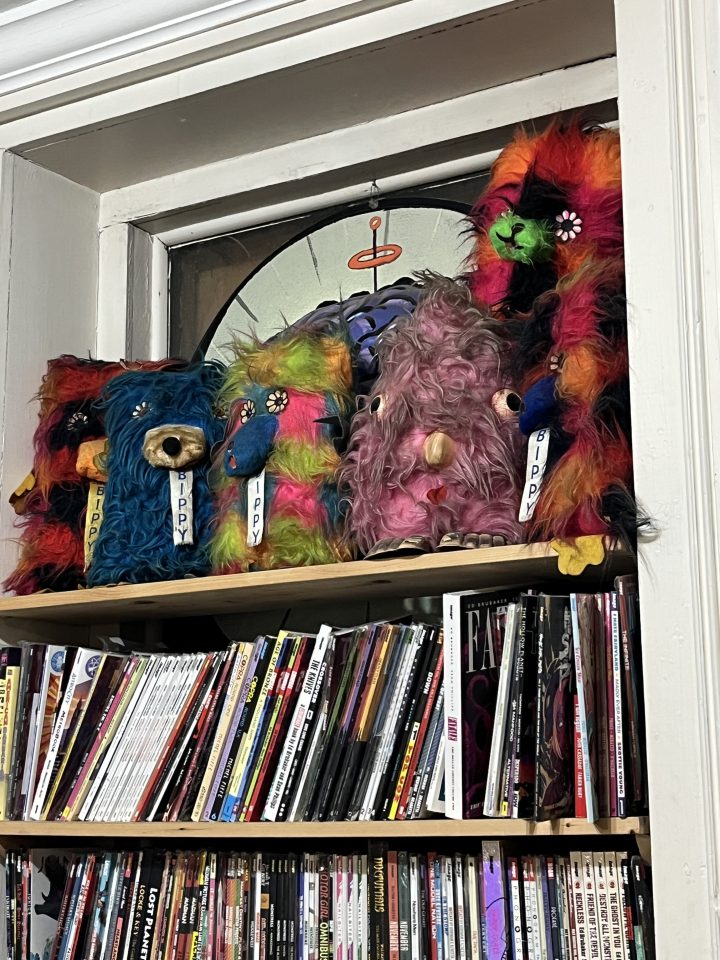
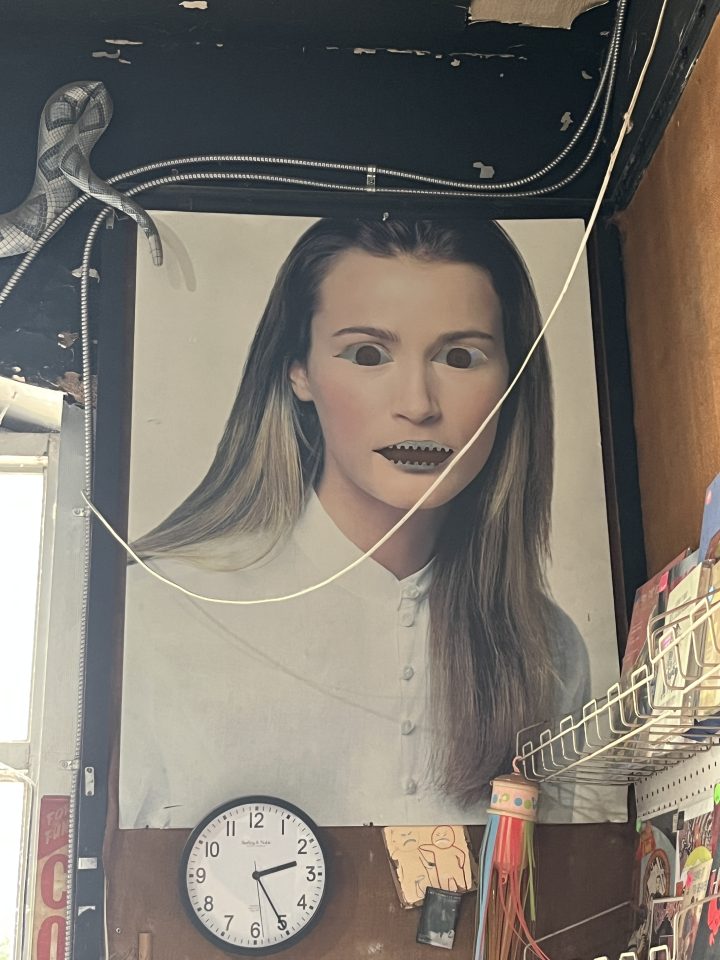
- The Ephemera Collection: Beyond printed media, the shop is famous for its "melting" latex masks (including a decades-old Marilyn Monroe), "Bippy" figurines, and vintage hot rod magazines from the 1950s.
According to community organizers, Bizarro-Wuxtry has been instrumental in the careers of dozens of Georgia-based cartoonists. By providing a retail outlet for small-batch prints, the shop lowered the barrier to entry for creators who were ignored by larger distributors like Diamond Comic Distributors.
Official Responses and Community Reaction
The response to the sale has been a mix of mourning and professional tribute. Robert Newsome, a prominent voice in the comics journalism sphere and organizer of the FLUKE festival, described the shop as "alien territory" that "permanently re-wired" the brains of its visitors.
"Under capitalism, the ‘third place’—a space that isn’t home and isn’t work—almost necessarily has to be a commercial enterprise," Newsome noted. "But places like Bizarro-Wuxtry did more than simply sell things. They fought back against the idea that commerce is always its own goal."
Local cartoonists have expressed similar sentiments. Eleanor Davis, an award-winning graphic novelist who has held readings at the shop, highlighted the importance of the store as a physical meeting point in an increasingly digital world. While Devlin Thompson remains a figurehead in the community, the loss of the physical space he curated is seen as an "immeasurable loss."
Property developers have not issued a formal statement regarding the cultural history of the building, focusing instead on the "modernization" of the downtown Athens area and the "urgent need" for student housing. This disconnect between the developers’ priorities and the community’s values has become a flashpoint for local activists.
Implications: Gentrification and the Death of the "Third Place"
The closure of Bizarro-Wuxtry carries several heavy implications for the future of Athens and the broader comics industry:
1. The Erosion of Local Identity
Athens, Georgia, has long traded on its reputation as a "cool" college town with a DIY spirit. However, as independent businesses are replaced by luxury developments, the city risks becoming a "clone town"—a place that looks and feels like any other gentrified urban center. When a shop like Bizarro-Wuxtry disappears, the "lattice" upon which the local arts scene grew is dismantled.
2. The Crisis of the "Third Place"
Sociologist Ray Oldenburg coined the term "third place" to describe environments essential to civil society and democracy. Bizarro-Wuxtry provided this for the marginalized and the creative. Without such spaces, community cohesion weakens, and the exchange of "non-commercial" ideas becomes more difficult.
3. The Future of Small Press Distribution
For thirty years, Bizarro-Wuxtry acted as a de facto archive and distributor for the Southeast’s small press. Its closure creates a vacuum in the supply chain for independent creators. While online platforms like Etsy or Patreon exist, they lack the "curatorial discovery" that happens when a knowledgeable clerk like Thompson recommends a zine to a wandering teenager.
4. The Legacy of Devlin Thompson
While the store may close, the "Bizarro-Wuxtry school" of thought—a commitment to inclusivity, weirdness, and artistic support—lives on in the creators it nurtured. There is speculation that a new entity may rise from the ashes, perhaps in a different location or a different format. However, the unique alchemy of the second-floor office space and thirty years of accumulated "stuff" can never be replicated.
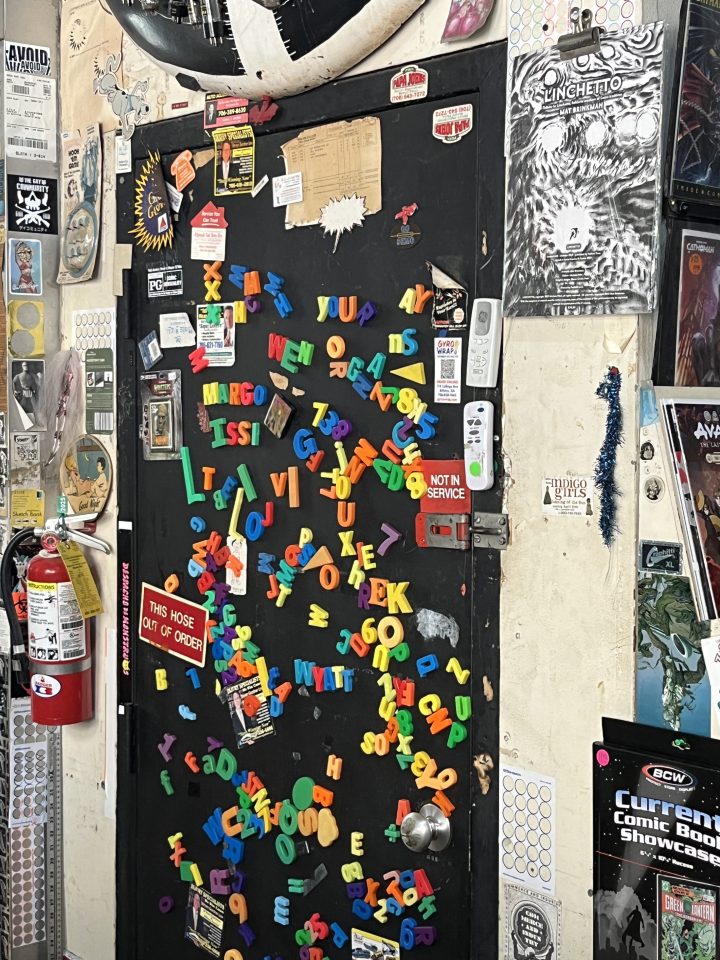
In conclusion, the sale of Bizarro-Wuxtry is a sobering reminder of the fragility of cultural institutions in the face of economic expansion. As the magnetic letters on the shop’s third-floor door are packed away and the "Merv Griffin" posters are taken down, the city of Athens loses a piece of its soul. The challenge now falls to the community to transform their grief into a new movement, ensuring that the spirit of the "weird" finds a new home before the concrete of the luxury apartments has even dried.