The Cost of the Crown: Analyzing the Catastrophic Body Count in the House of the Dragon Season 3 Finale
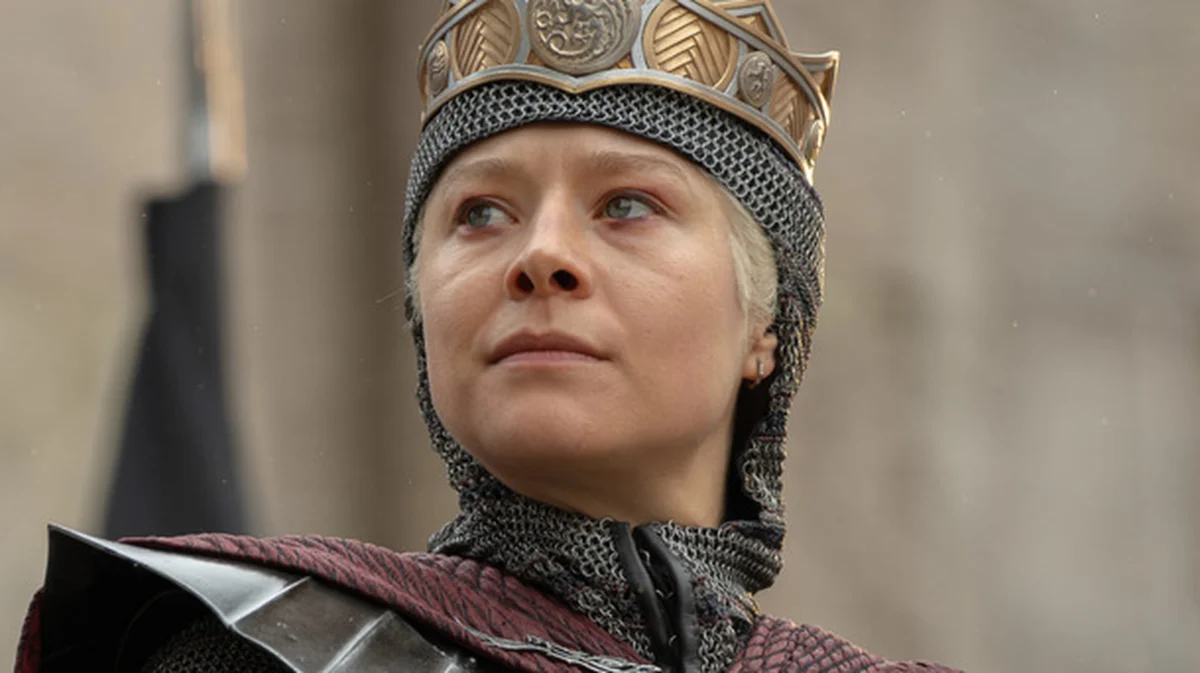
The third season of HBO’s House of the Dragon has concluded with a finale that was as divisive as it was destructive. As the "Dance of the Dragons" reaches a fever pitch, the latest episode, titled with the weight of impending doom, delivered a sequence of events that fundamentally reshaped the geopolitical landscape of Westeros. While the season as a whole faced criticism for its pacing and significant deviations from George R.R. Martin’s Fire & Blood, the finale spared no expense in its depiction of the brutality of civil war.
From the mud-soaked carnage of the Battle of Tumbleton to the hallowed, blood-stained floors of the Red Keep, the finale claimed five major lives. These deaths are not merely footnotes in the Targaryen history; they represent the severing of diplomatic ties, the end of ancient lineages, and the potential radicalization of the realm’s most powerful dragonriders.
Main Facts: A Kingdom in Shards
The Season 3 finale centered on three primary theaters of conflict: the military front at Tumbleton, the religious uprising in King’s Landing, and the internal psychological collapse within the Red Keep. The casualty list includes:
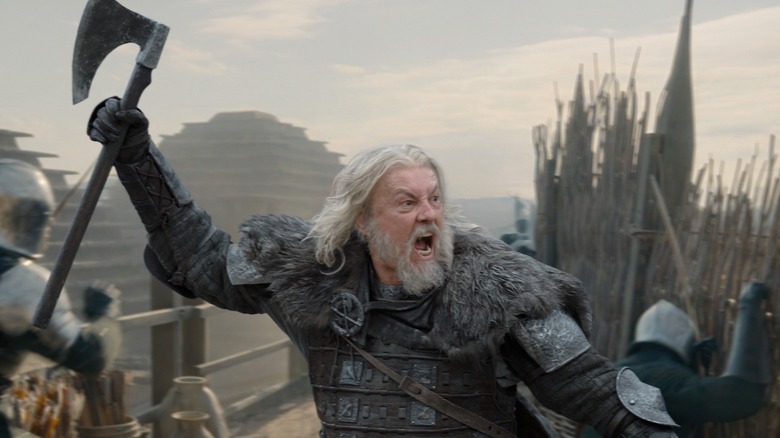
- Roderick "Roddy the Ruin" Dustin: The Northern commander who traded his life for the head of the Hightower host.
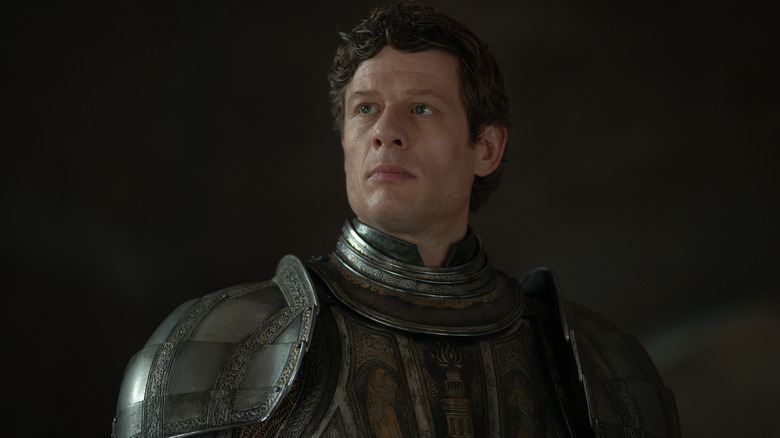
- Lord Ormund Hightower: The commander of the Green forces and a central pillar of Queen Alicent’s family power.
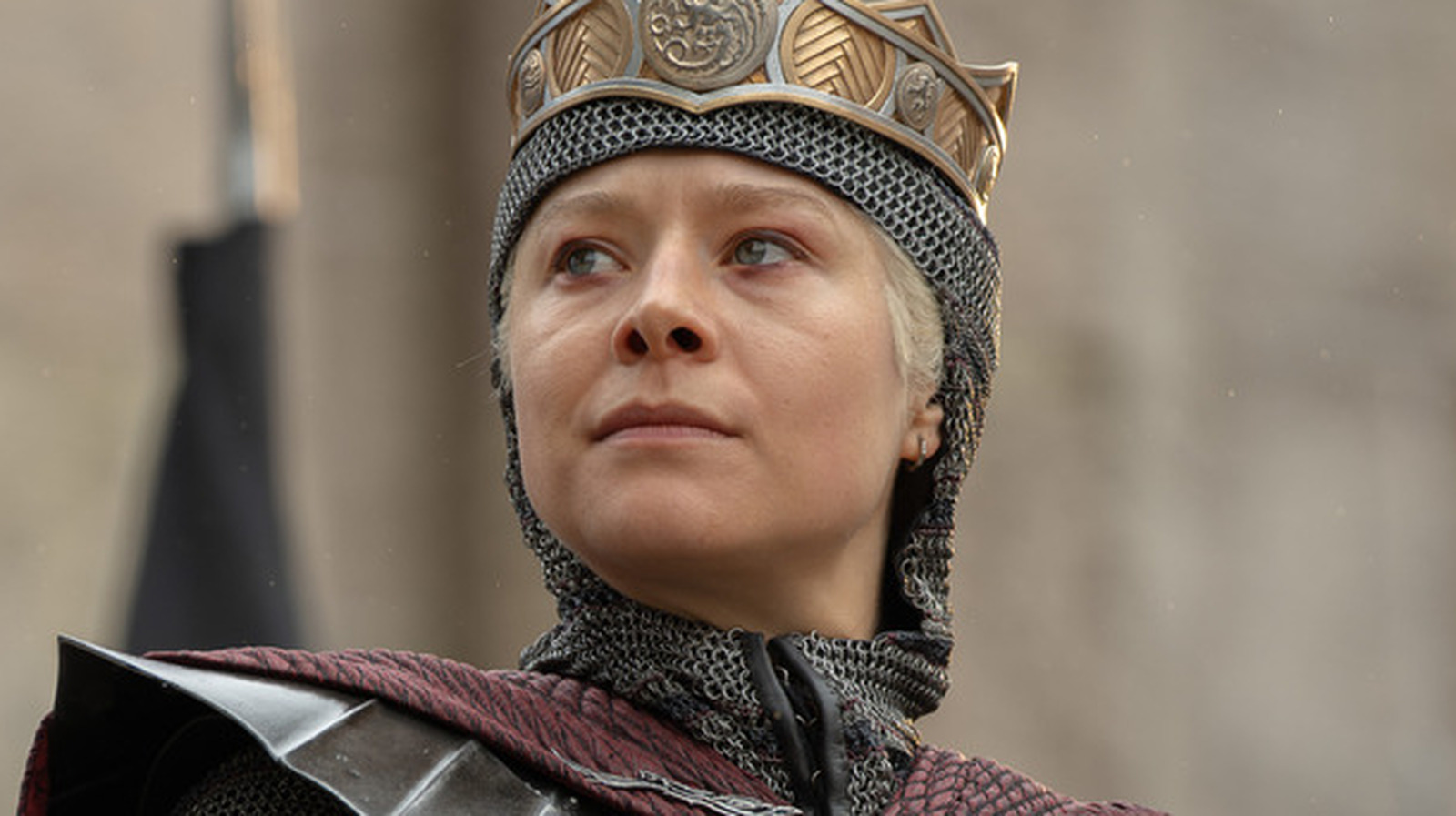
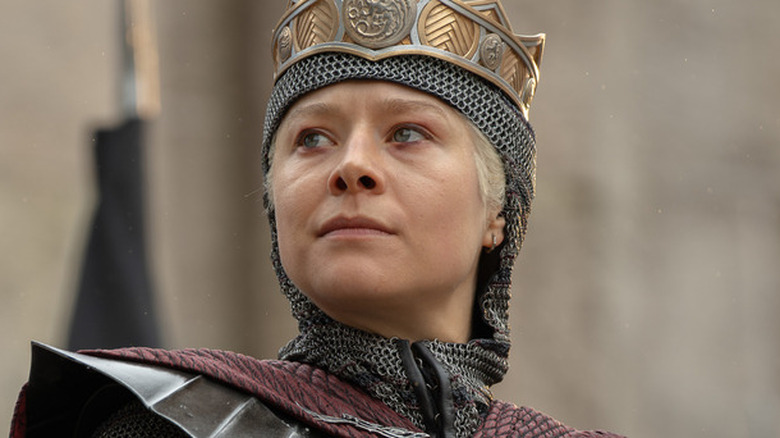
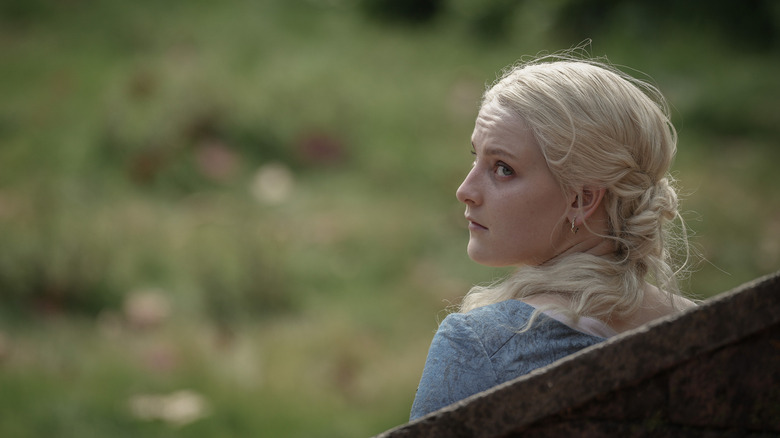
- Queen Helaena Targaryen: The gentle, prophetic queen whose suicide marks a point of no return for the city’s morale.
- The High Septon: The spiritual leader of the Faith of the Seven, whose execution by Rhaenyra Targaryen signals a total break from traditional Westerosi piety.
- Kat: The wife of Hugh the Hammer, whose death provides the catalyst for a potentially catastrophic shift in dragonrider loyalty.
Chronology of the Carnage: How the Finale Unfolded
The Fury at Tumbleton
The episode opened with the long-awaited arrival of the "Winter Wolves"—the hardened Northern host led by Roddy the Ruin. Having pursued Ser Criston Cole’s fractured forces across the Riverlands, the Northerners joined forces with Oscar Tully’s levies to strike at the Hightower encampment at Tumbleton. The battle was characterized by its lack of "Southern chivalry," as the Northerners employed scorched-earth tactics that left the Hightower’s child-soldiers in a state of absolute terror.
The Desecration of the Faith
Simultaneously, in King’s Landing, Queen Rhaenyra faced a mounting theological crisis. As the High Septon refused to acknowledge her divine right to rule—citing the "unnatural" nature of her ascension—Rhaenyra took a path that even the most tyrannical of her ancestors avoided. By executing the High Septon in front of the Gold Cloaks and the common folk, she transitioned from a claimant to a self-proclaimed messiah, effectively declaring war on the Faith of the Seven.
The Tragedy in the Red Keep
As the city burned and the bells tolled for the High Septon, the psychological pressure on Helaena Targaryen reached its breaking point. Under house arrest and subjected to the "care" of a desperate Rhaenyra, Helaena’s final prophetic vision led her to the Red Keep’s windows. Her death occurred in the quietest moments of the episode, contrasting sharply with the roar of dragons elsewhere.
The Aftermath
The episode concluded with the cooling of dragonfire at Tumbleton. Amidst the charred remains of the city, Hugh the Hammer discovered the body of his wife, Kat. This personal tragedy served as the final beat of the season, leaving the audience with a haunting image of a man who possesses the world’s most dangerous weapon and now has nothing left to lose.
Supporting Data: Character Analysis and Tactical Impacts
Roddy the Ruin and the Northern Sacrifice
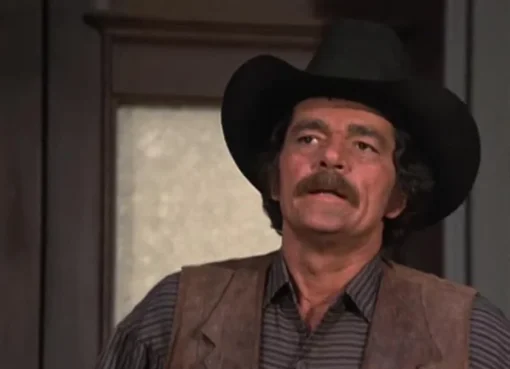
Tommy Flanagan’s portrayal of Roderick Dustin brought a grim, Viking-esque intensity to the screen. Roddy the Ruin represented the "Old North"—a culture that views a peaceful death in bed as a tragedy. Tactically, his death was a masterstroke of martyrdom. By engaging Ormund Hightower in single combat while already mortally wounded, Roddy ensured that the Green army lost its organizational head. His final act—stabbing Ormund and holding him fast as the dragon Silverwing bathed them both in fire—is a testament to the suicidal bravery of the Winter Wolves.
The Fall of Ormund Hightower
James Norton’s Ormund Hightower was crafted to be the ultimate foil to the "noble" knight. Depicted as a bigot, a war criminal, and an abuser, Ormund’s death was designed to elicit a sense of catharsis for the audience. However, the strategic data suggests his loss is a death blow to the Greens. Without Ormund, the Hightower host is a leaderless mass of traumatized conscripts. His death removes the political "adult in the room" for the Greens, leaving the impulsive Prince Daeron and the shell-shocked Ser Gwayne to pick up the pieces.
The Theological Suicide of Rhaenyra
The execution of the High Septon is perhaps the most significant political event of the season. Historical data within the world of Westeros shows that the Faith of the Seven is the only institution capable of mobilizing the peasantry against the Targaryens. By murdering the "Pope" of Westeros, Rhaenyra has ignored the lessons of Aegon the Conqueror. While she may have silenced a critic, she has birthed a million martyrs. This move signals Rhaenyra’s descent into a "Maegor the Cruel" archetype, potentially alienating her remaining allies in the Vale and the Reach.
Official Responses and Creative Direction
The creative choices in this finale have sparked intense debate, particularly regarding the death of Helaena Targaryen. In the source material, Helaena’s death is a slow-burn tragedy fueled by the loss of her children. The show’s decision to frame it as a reaction to Rhaenyra’s "messiah" complex and house arrest is a sharp departure.
Reports suggest that George R.R. Martin has expressed reservations about these "butterfly effect" changes. By removing the public’s love for Helaena and making her death a private affair within the Red Keep, the showrunners have altered the thematic weight of the "Smallfolk Riots" that are expected to follow. Phia Saban’s performance, however, has been lauded for capturing the ethereal, tragic nature of a woman who could see the future but was powerless to change it.
The production team, led by Ryan Condal, has defended these choices as necessary for the "television medium," focusing on the direct conflict between Rhaenyra and the Green family rather than the broader societal movements described in the history books.
Implications: The Road to the Final Season
The deaths in the Season 3 finale have set the stage for a final act defined by instability and betrayal.
The "Hammer" Falls
The death of Kat is the most dangerous "small" death of the finale. Hugh the Hammer (Kieran Bew) was already struggling with his identity as a "Dragonseed." By losing the one person who kept him grounded in humanity, Hugh is now a wild card. If he blames Rhaenyra’s campaign for the death of his wife—despite the fire coming from a Green dragon—the Blacks could lose their greatest aerial advantage. A betrayal by Hugh would instantly shift the balance of power back to the Greens.
The Vacuum of Power
With Ormund Hightower and Roddy the Ruin dead, the military leadership of both sides is decimated. This leaves the war in the hands of the most unstable elements: the grieving Gwayne Hightower, the vengeful Aemond Targaryen, and the increasingly radicalized Rhaenyra.
The Silence of the Seven
The vacancy of the High Septon’s office creates a religious vacuum that will likely be filled by extremist elements like the "Shepherd." Rhaenyra’s proclamation of herself as a messianic figure will be tested when the starving masses of King’s Landing realize that a "god" cannot provide bread.
Conclusion
The House of the Dragon Season 3 finale was a masterclass in the "tragedy of errors." By killing off these five characters, the showrunners have stripped away the last vestiges of traditional order in Westeros. As the series moves toward its conclusion, the question is no longer who will sit on the Iron Throne, but whether there will be a kingdom left to rule. The blood of the High Septon, the Queen, and the Lord of Oldtown has watered the seeds of a revolution that even dragons may not be able to stop.