Neon Dreams and Digital Nightmares: The Enduring Legacy of Blade Runner in Modern Gaming
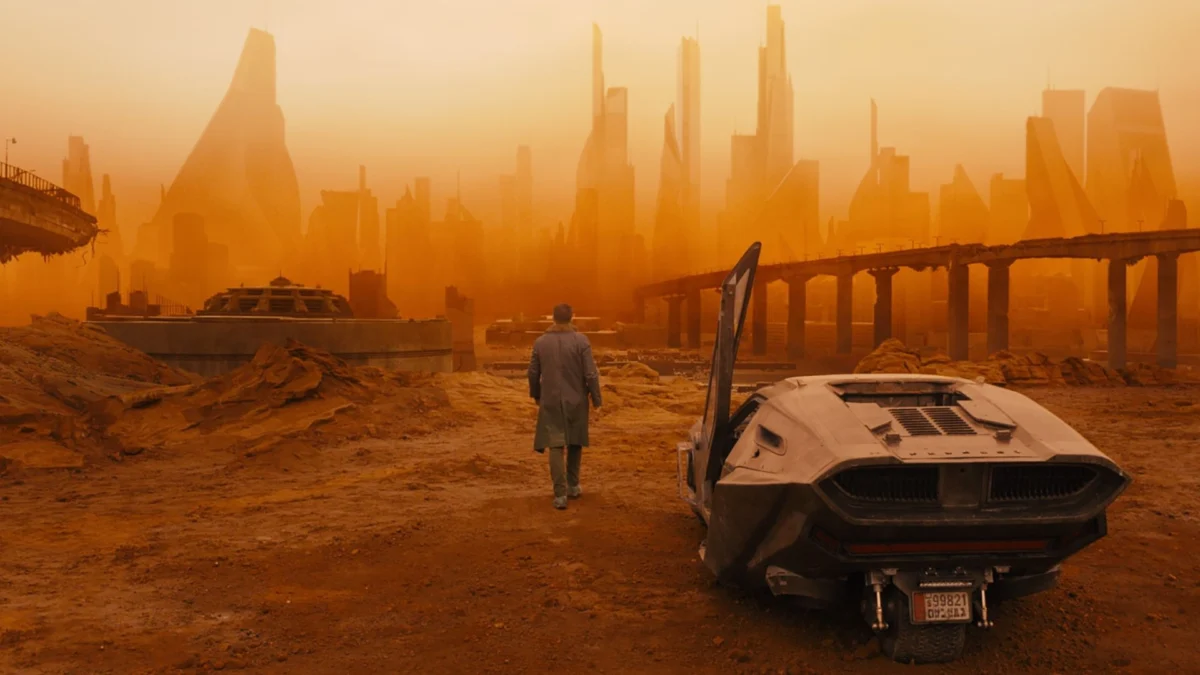
The silhouette of a rain-drenched Los Angeles, illuminated by the oppressive glow of towering neon advertisements, remains one of the most evocative images in cinematic history. Since Ridley Scott first adapted Philip K. Dick’s Do Androids Dream of Electric Sheep? into the 1982 masterpiece Blade Runner, the "cyberpunk" aesthetic has transitioned from a niche subgenre of science fiction into a dominant cultural force. With the recent release of the official teaser trailer for the upcoming Amazon Prime Video miniseries Blade Runner 2099, the franchise is once again at the forefront of the zeitgeist.
However, while film and television continue to iterate on these dystopian themes, the medium of video games has arguably become the most fertile ground for exploring the "high tech, low life" philosophy. From the sprawling, redemptive arc of Cyberpunk 2077 to the intimate, narrative-driven struggles of indie darlings, the spirit of the Blade Runner is alive and well in digital form. As we look toward the 2026 release of Blade Runner 2099, starring Hunter Schafer, we examine the essential titles that capture the essence of this neon-soaked existentialism.
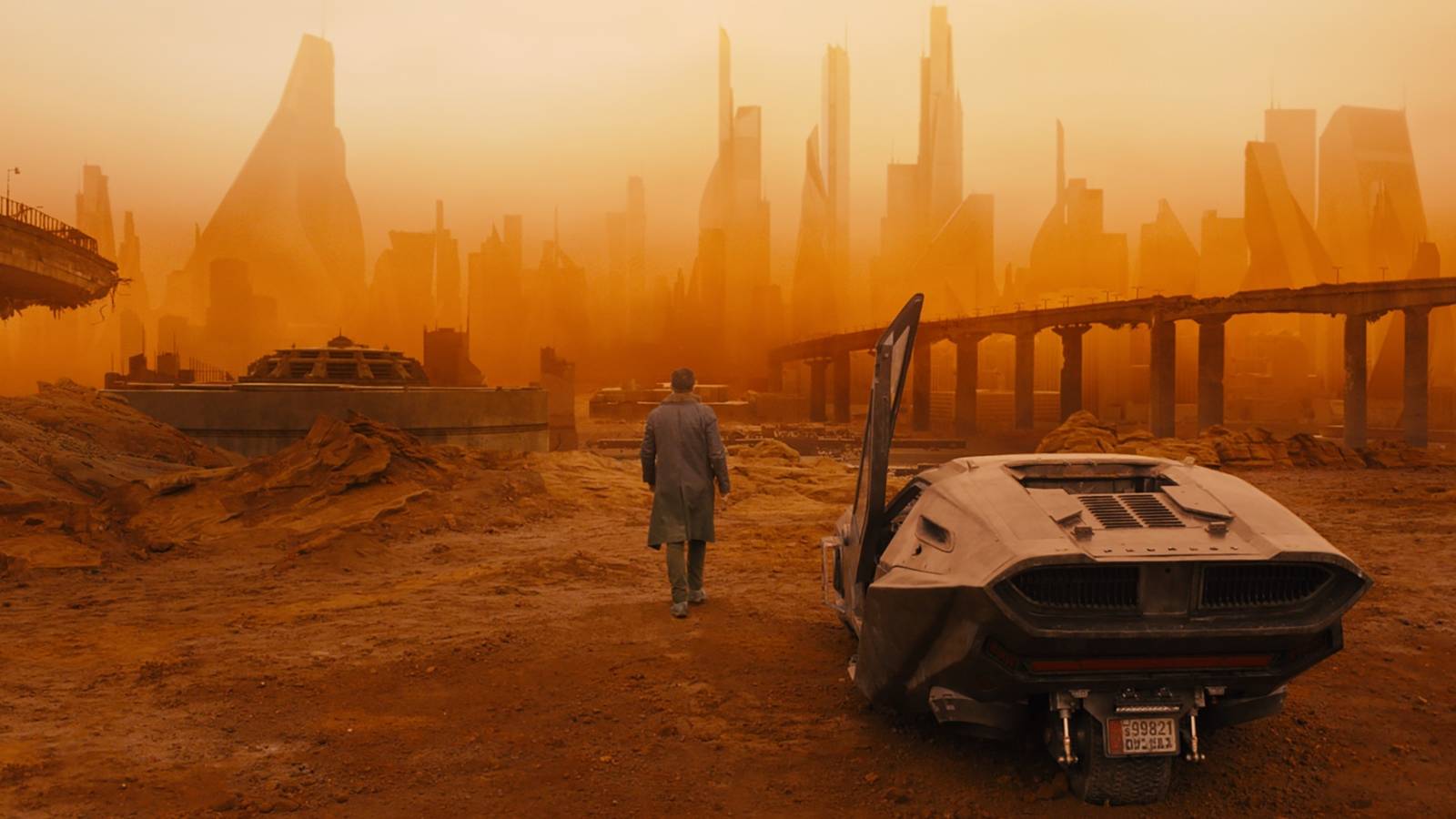
Main Facts: The Resurgence of a Dystopian Icon
The announcement of Blade Runner 2099 marks a significant milestone for the franchise. Produced by Ridley Scott and showrun by Silka Luisa, the series is set fifty years after the events of Denis Villeneuve’s Blade Runner 2049. The narrative reportedly centers on a human protagonist (Schafer) posing as a Replicant in the wake of a societal uprising—a clever inversion of the original film’s premise where Replicants sought to pass as human.
This resurgence coincides with a "Golden Age" of cyberpunk gaming. While CD Projekt Red’s Cyberpunk 2077 (inspired by Mike Pondsmith’s tabletop RPG) initially faced a tumultuous launch, its subsequent "Phantom Liberty" expansion and 2.0 update have solidified it as the definitive "Blade Runner simulator" for the modern era. Yet, the genre’s depth extends far beyond Night City. For fans of the franchise, the following six games offer the most authentic explorations of transhumanism, corporate tyranny, and atmospheric noir.

Chronology: From Pulp Fiction to Digital Reality
The evolution of the cyberpunk genre in gaming follows a clear trajectory of increasing philosophical complexity and graphical fidelity:
- 1982–1997: The Foundation. Following the original film, early titles like the 1997 Blade Runner point-and-click adventure by Westwood Studios set the standard for atmospheric storytelling, featuring a branching narrative where the player’s status as a human or Replicant was often randomized.
- 2000–2011: The Philosophical Expansion. The release of Deus Ex (2000) and its prequel Deus Ex: Human Revolution (2011) shifted the focus toward player agency and the ethics of body augmentation.
- 2015–2020: The Indie Boom. As AAA development became more risk-averse, indie studios began experimenting with the genre’s aesthetic. Shadowrun: Hong Kong (2015) brought tactical RPG depth, while Cloudpunk (2020) focused on the "vibe" of the city itself.
- 2020–Present: The Modern Apex. Cyberpunk 2077 and Ghostrunner pushed the technical boundaries of the genre, while Citizen Sleeper (2022) returned the focus to the human (or synthetic) condition.
Supporting Data: Six Essential Experiences for Blade Runner Fans
6. Shadowrun: Hong Kong (Harebrained Schemes)
Born from a successful 2015 Kickstarter campaign, Shadowrun: Hong Kong is the pinnacle of the Shadowrun trilogy. Set in a dystopian version of the Free Enterprise Zone of Hong Kong, this turn-based tactical RPG blends traditional cyberpunk tropes with high-fantasy elements like magic and orcs.
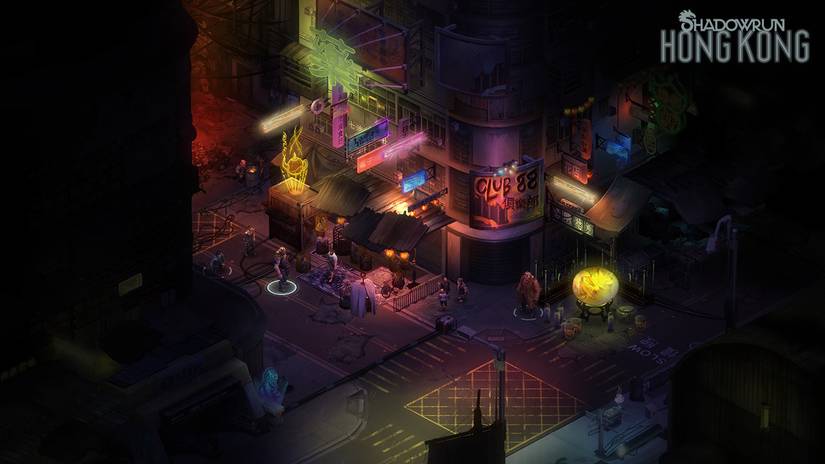
For Blade Runner fans, the appeal lies in its "Street Samurai" ethos. The game perfectly encapsulates the "Low Life" aspect of the genre, where players navigate a world of corporate espionage, illegal hacking (the Matrix), and the moral ambiguity of working as a mercenary for hire. The remastered compilation, including Returns and Dragonfall, remains a masterclass in world-building.
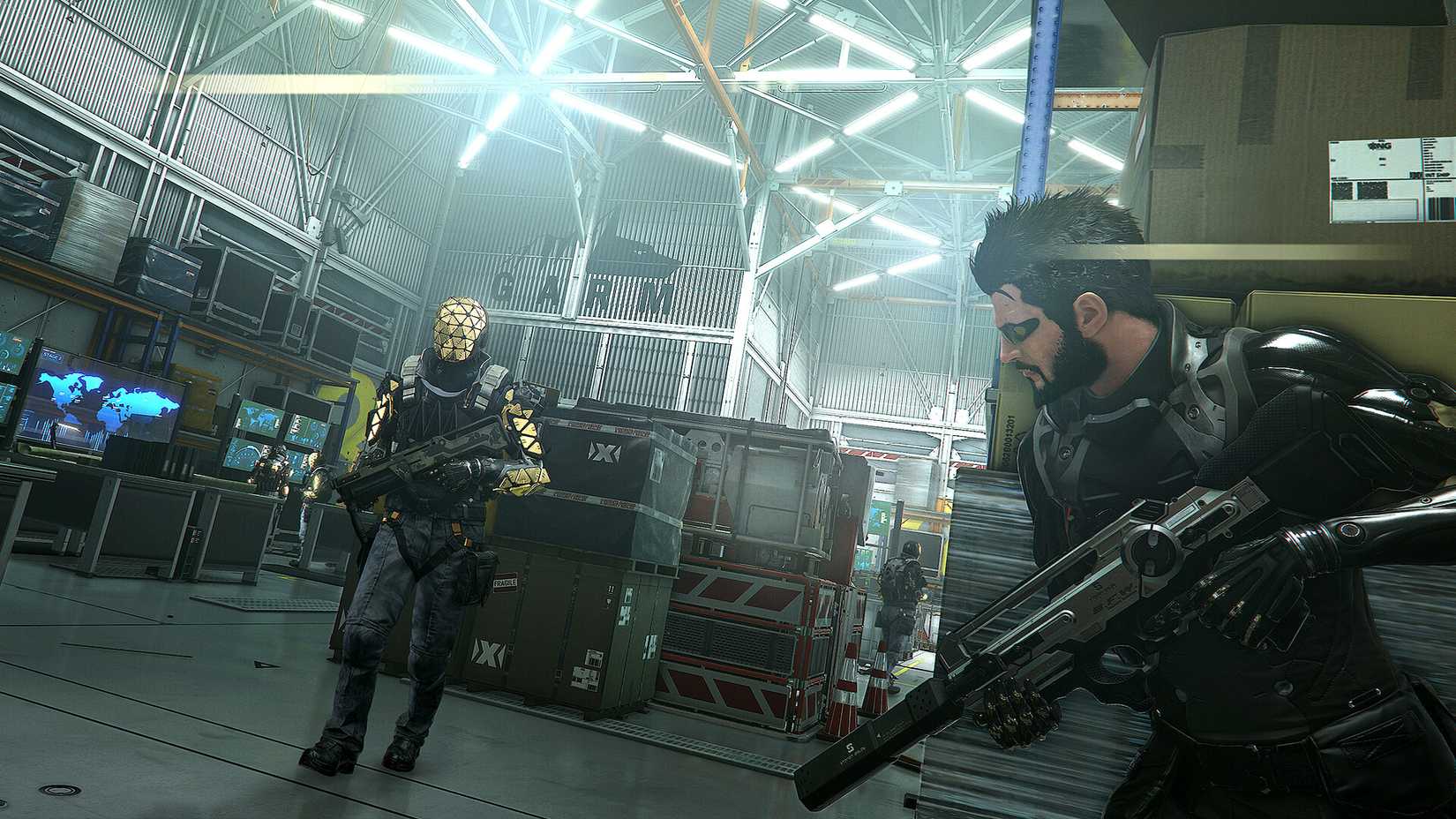
5. Deus Ex: Human Revolution (Eidos Montréal)
Set in 2027, Human Revolution serves as a prequel to the original Deus Ex. Players inhabit Adam Jensen, a security officer who is forcibly augmented with mechanical parts after a terrorist attack. The game’s "gold and black" aesthetic and its focus on the "Icarus Myth"—the idea that humanity may fall by flying too close to the sun of technological advancement—echoes the tragic undertones of Roy Batty’s quest for more life. Its deep RPG systems allow players to choose between lethal force or ghost-like pacifism, mirroring the internal conflict of a Blade Runner.
4. Ghostrunner (One More Level)
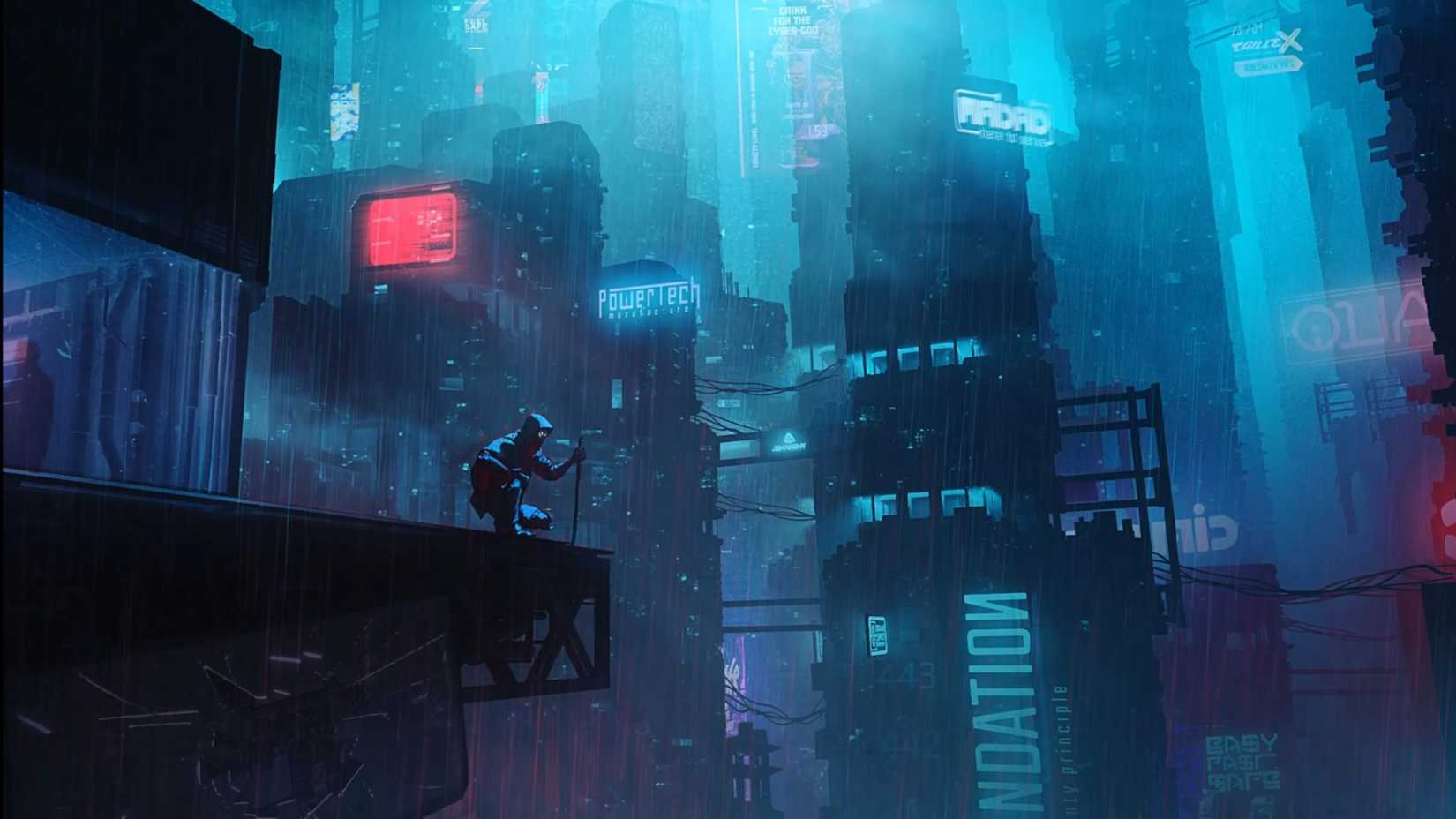
If Blade Runner is about the slow, methodical detective work of the future, Ghostrunner is about the violent, high-speed reality of its street-level enforcement. Released in 2020, this first-person action game emphasizes "one-hit-kill" combat and parkour. Set in Dharma Tower, the last remaining shelter for humanity, it presents a vertical dystopia where the gap between the rich at the top and the poor at the bottom is literally measured in miles. It is a visceral, neon-drenched adrenaline rush that captures the "High Tech" side of the equation perfectly.
3. Cloudpunk (Ion Lands)
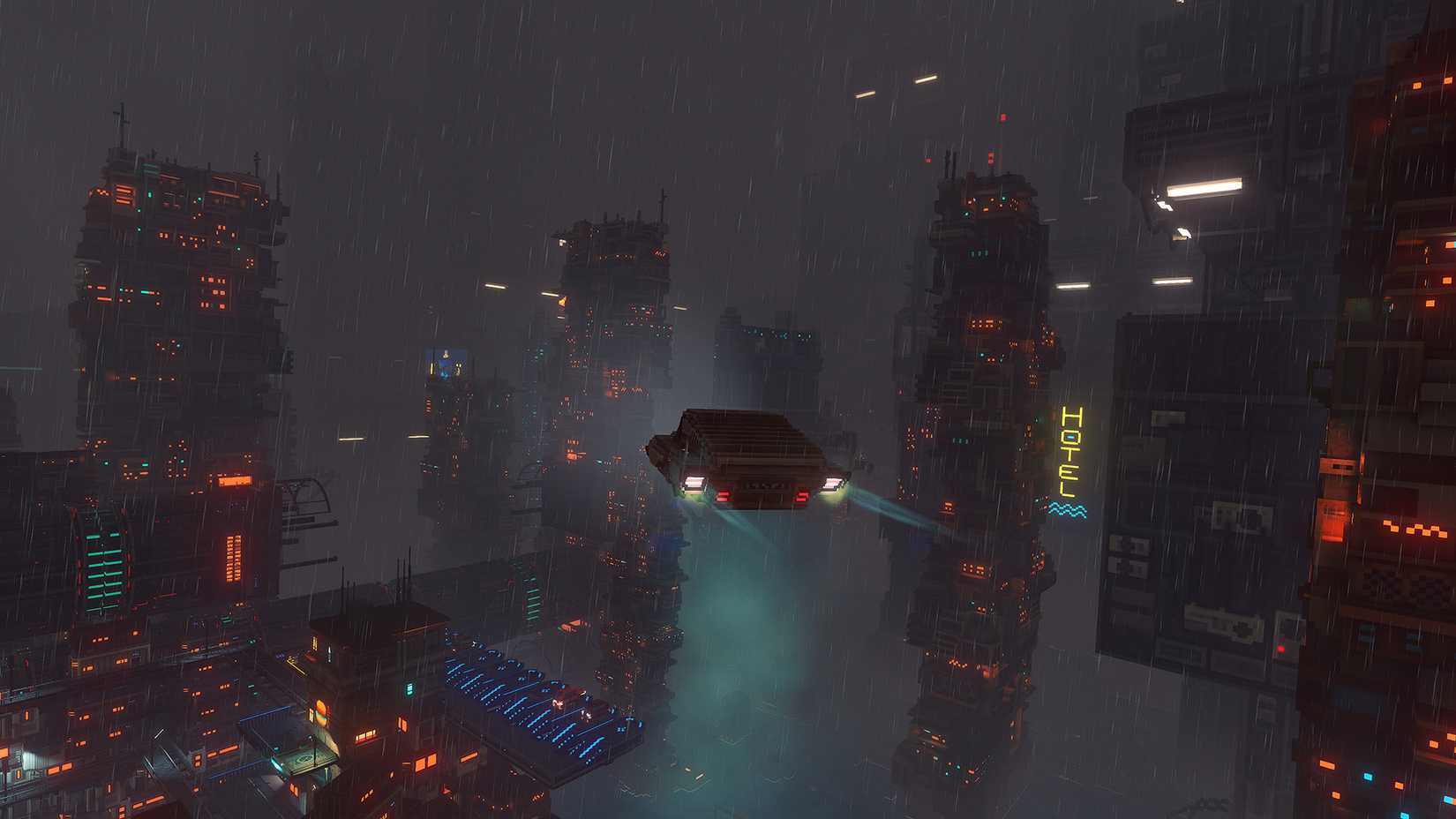
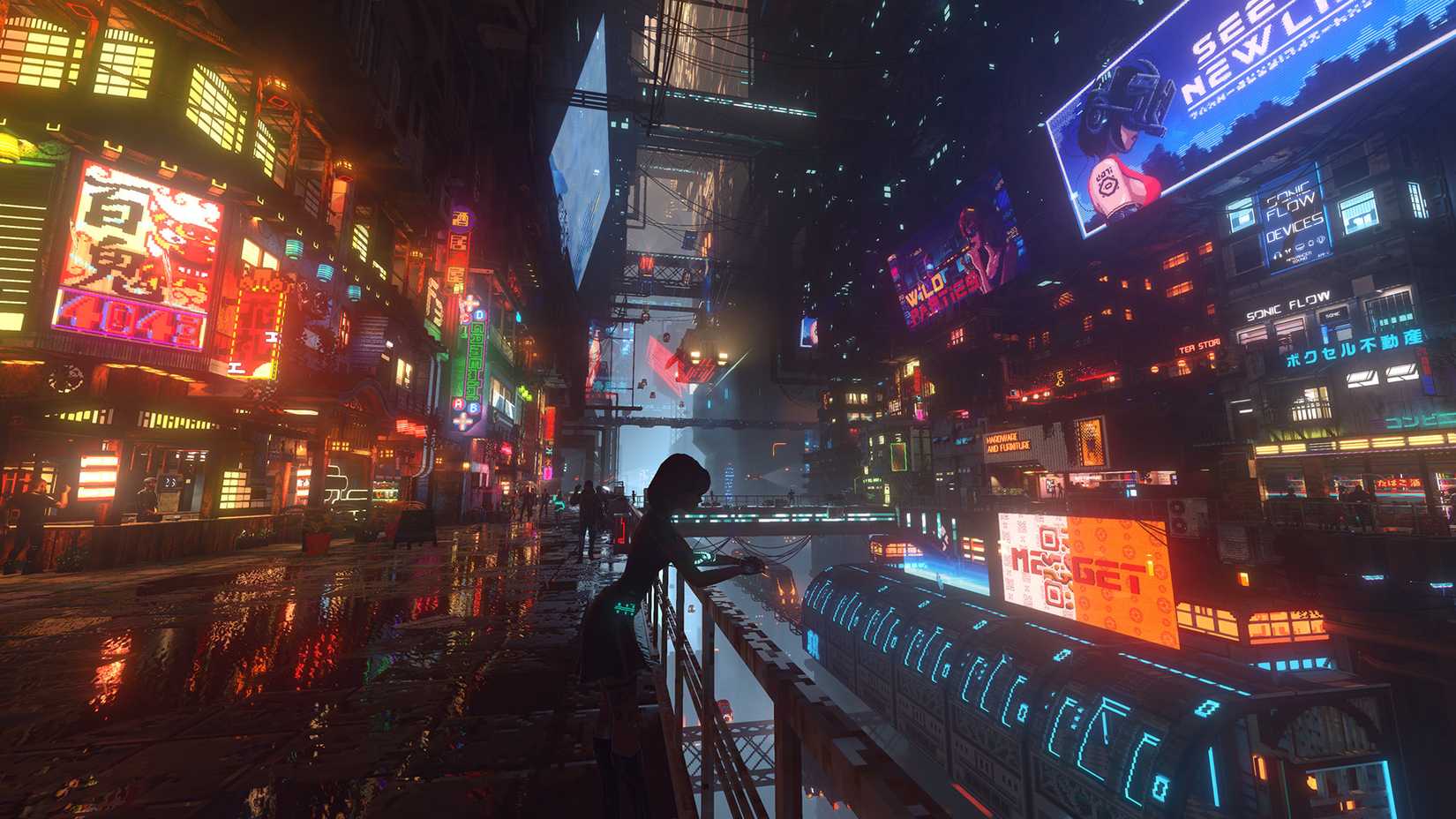
For many, the most compelling character in Blade Runner is the city itself. Cloudpunk understands this. As Rania, a newly hired delivery driver for the semi-legal "Cloudpunk" agency, players spend their time navigating a flying car through the rain-slicked spires of Nivalis. There is no combat; instead, the focus is on atmosphere, conversation, and the quiet stories of the androids, AI, and humans struggling to survive in the clouds. It is the ultimate "mood" game for those who find comfort in the franchise’s melancholy.
2. Citizen Sleeper (Jump Over the Age)
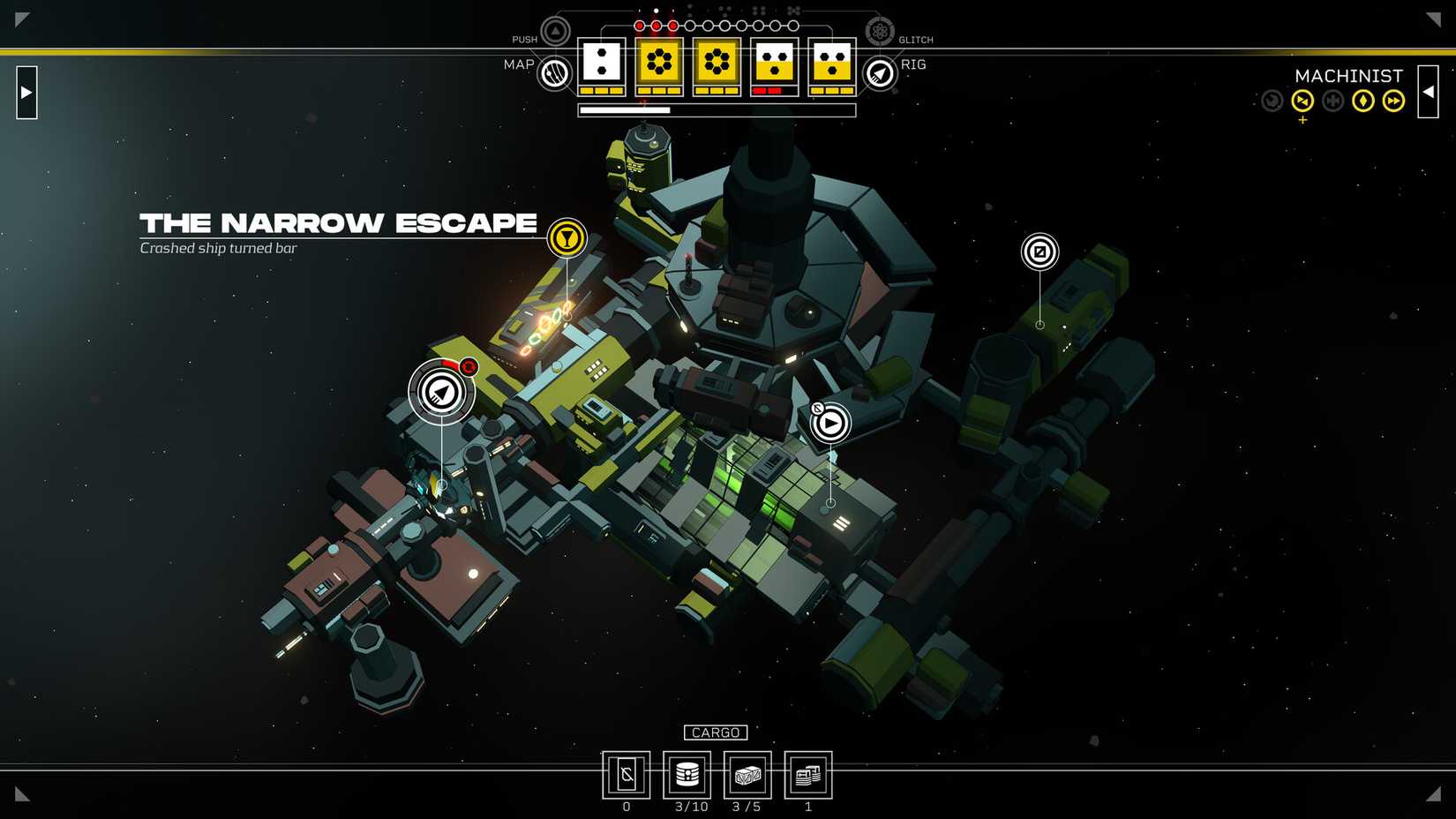
Citizen Sleeper is perhaps the most "Philip K. Dick" game on this list. You play as a "Sleeper," a digitized human consciousness in a decaying synthetic body owned by a corporation. Escaping to a lawless space station, you must roll dice each day to determine your actions, all while your body slowly breaks down due to planned obsolescence. It is a profound exploration of labor, identity, and what it means to be a person when your very existence is considered corporate property.
1. Nivalis Nights (Ion Lands – Upcoming)
Set to launch on September 29, Nivalis Nights is the spiritual successor to Cloudpunk, but reimagined as a life simulation. Instead of just delivering packages, players can now own businesses, manage nightclubs, go fishing, and decorate their apartments. It promises a "slice of life" look at the cyberpunk genre—an often-overlooked perspective that asks: What do people actually do for fun in a dystopia?
Official Responses and Industry Perspectives
The resurgence of the genre has not gone unnoticed by its architects. Mike Pondsmith, creator of the Cyberpunk TTRPG, has frequently noted that the genre is not about "saving the world," but about "saving yourself." This sentiment is echoed by the developers at Ion Lands, who stated that their goal with Nivalis was to move away from the "chosen one" narrative and focus on the "ordinary person in an extraordinary, terrifying world."
Ridley Scott, in various interviews regarding Blade Runner 2099, has emphasized that the core of the franchise remains the "humanity of the machine." This thematic consistency is what allows games like Citizen Sleeper and Deus Ex to resonate so deeply with fans; they aren’t just about the chrome and the neon, but about the "tears in rain"—the fleeting, beautiful moments of humanity found in a cold, digital landscape.
Implications: The Future of Digital Dystopias
As we approach the mid-2020s, the line between science fiction and reality continues to blur. The themes of Blade Runner—pervasive surveillance, the rise of AI, and the environmental collapse of urban centers—are no longer distant fantasies.
The gaming industry’s obsession with these themes serves as a form of cultural processing. By allowing players to inhabit these worlds, developers are providing a space to rehearse the ethical dilemmas of the near future. Whether it is through the lens of a high-octane cyborg ninja in Ghostrunner or a struggling delivery driver in Cloudpunk, these games remind us that even in a world of infinite technology, the most valuable commodity remains the human spirit.
With Blade Runner 2099 on the horizon, the cycle of inspiration continues. Just as the 1982 film inspired a generation of game designers, the interactive worlds they have built are now shaping the expectations of a new generation of viewers. The rain may never stop falling in Los Angeles 2099, but thanks to these digital experiences, we have never been better prepared to walk its streets.