Digital Sculptor Lukas Lima: A Masterclass in Stylized 3D Character Art
Fortaleza, Brazil – In the vibrant digital art landscape, certain artists carve out a distinctive niche, blending technical prowess with a unique artistic vision. Lukas Lima, a freelance 3D character artist hailing from Fortaleza, Brazil, stands as a prime example. With over a decade of experience shaping the virtual realms of games and collectibles, Lima has cultivated a reputation for his mastery of stylized 3D art, imbuing his creations with character, emotion, and a remarkable sense of personality. This feature delves into the artistic journey of Lukas Lima, exploring his creative process, his standout works, and the influences that fuel his imaginative output.
The Genesis of a Digital Artisan
Lukas Lima’s career in 3D art spans 13 years, a significant tenure in an industry that constantly evolves. His formative years were spent honing his skills within the demanding and fast-paced environments of game development and the intricate world of collectibles. It was during this period that Lima developed a profound appreciation for the power of stylization. Unlike photorealistic rendering, stylized art allows for a greater degree of creative interpretation, enabling artists to exaggerate features, manipulate proportions, and inject a distinct visual language into their characters. This approach, Lima found, resonated deeply with his own artistic sensibilities.
"My work is mostly focused on stylized art," Lima states, underscoring a core tenet of his creative output. This deliberate choice allows him to move beyond mere replication of reality and instead, to explore the essence of a character, its narrative, and its emotional resonance. The result is a portfolio filled with figures that are instantly recognizable, imbued with a unique charm that often transcends the boundaries of conventional character design.
A Glimpse into the Creative Process: Three Exemplary Works
To truly appreciate the depth of Lukas Lima’s talent, one must examine his creations. He presents three distinct pieces, each a testament to his skill and artistic vision. These works not only showcase his technical capabilities but also offer insight into the conceptual thinking behind each character.
1. The Ethereal "Owl Spirit"
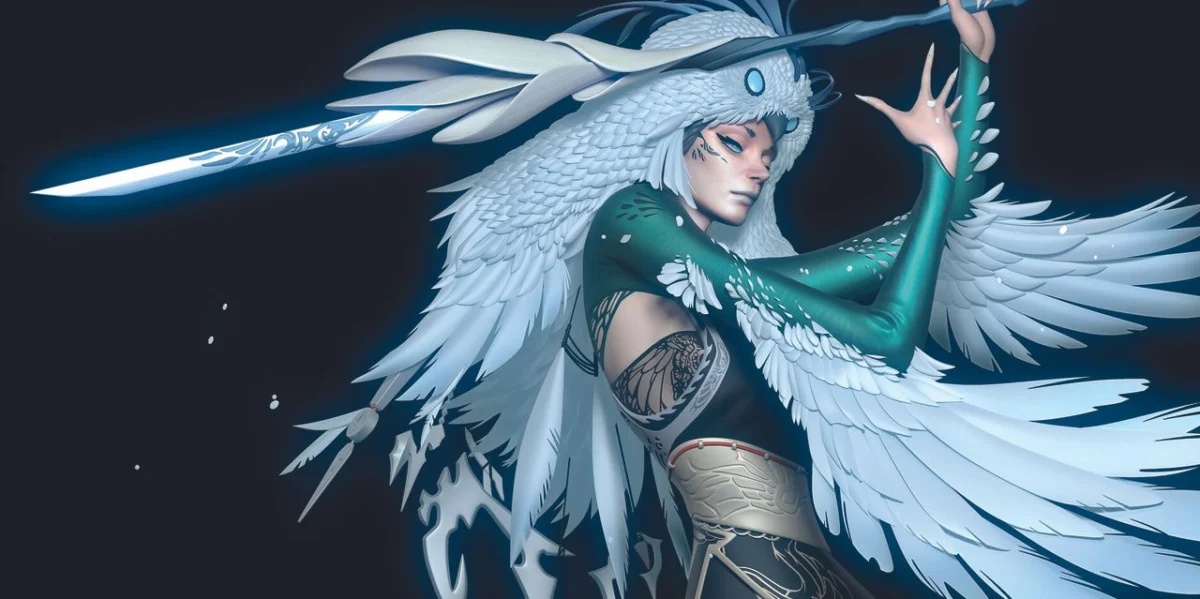
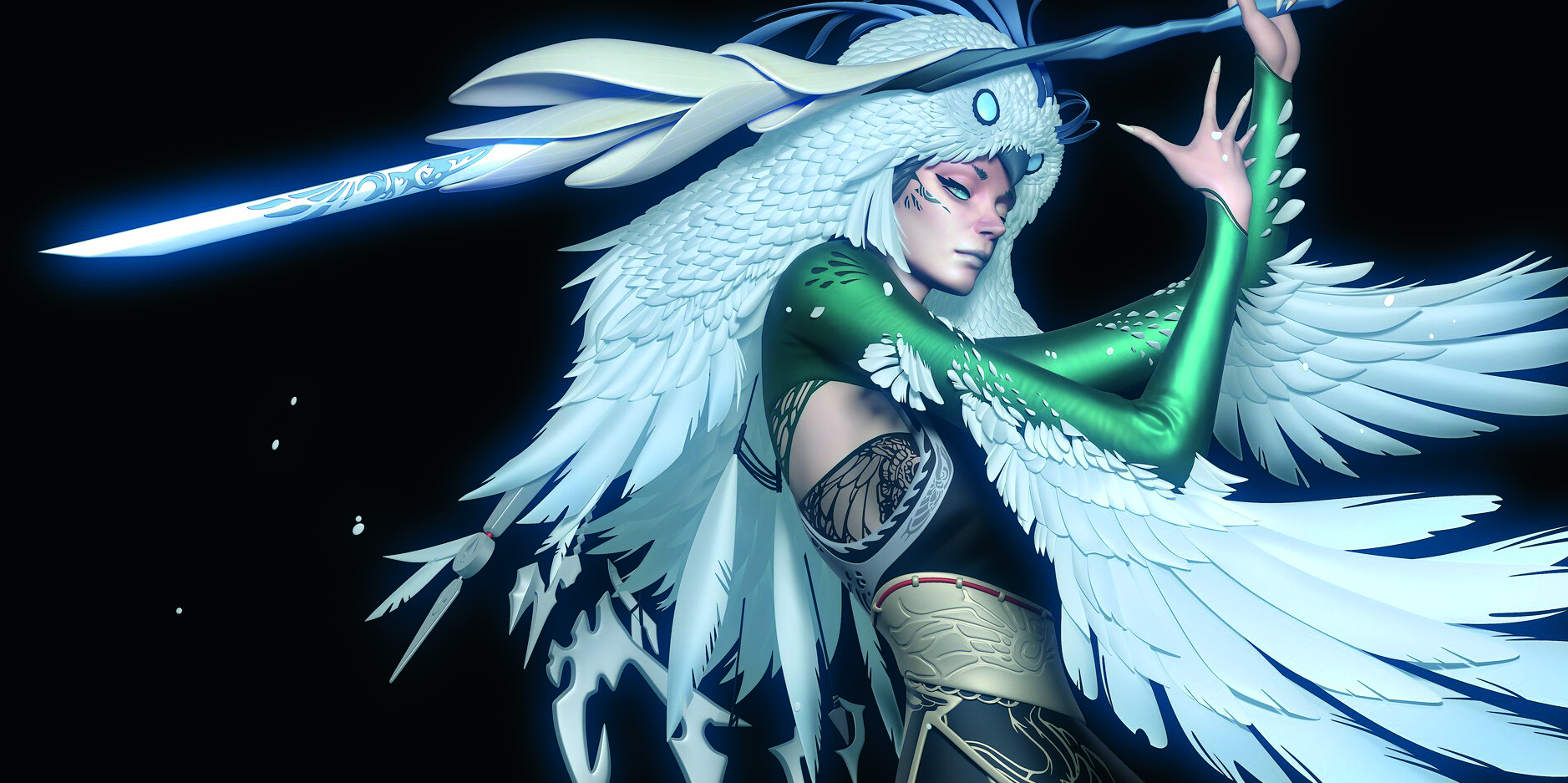
The "Owl Spirit" is a prime example of Lima’s ability to draw inspiration from nature and translate it into a compelling digital sculpture. This piece represents a departure from the more mechanical or action-oriented themes often found in 3D art, delving instead into a more mystical and naturalistic realm.
"Looking within myself for inspiration for something stylised yet detailed and related to nature, I explored the idea of something that symbolises a type of nature entity," Lima explains. This introspective approach is crucial to his process, allowing him to tap into deeper thematic currents. The resulting "Owl Spirit" is not merely an owl rendered in 3D; it is an embodiment of nature’s quiet power and ancient wisdom. The stylization here likely involves exaggerated wing spans, piercing eyes that hold an otherworldly gaze, and perhaps a texture that hints at both feathers and ancient bark.
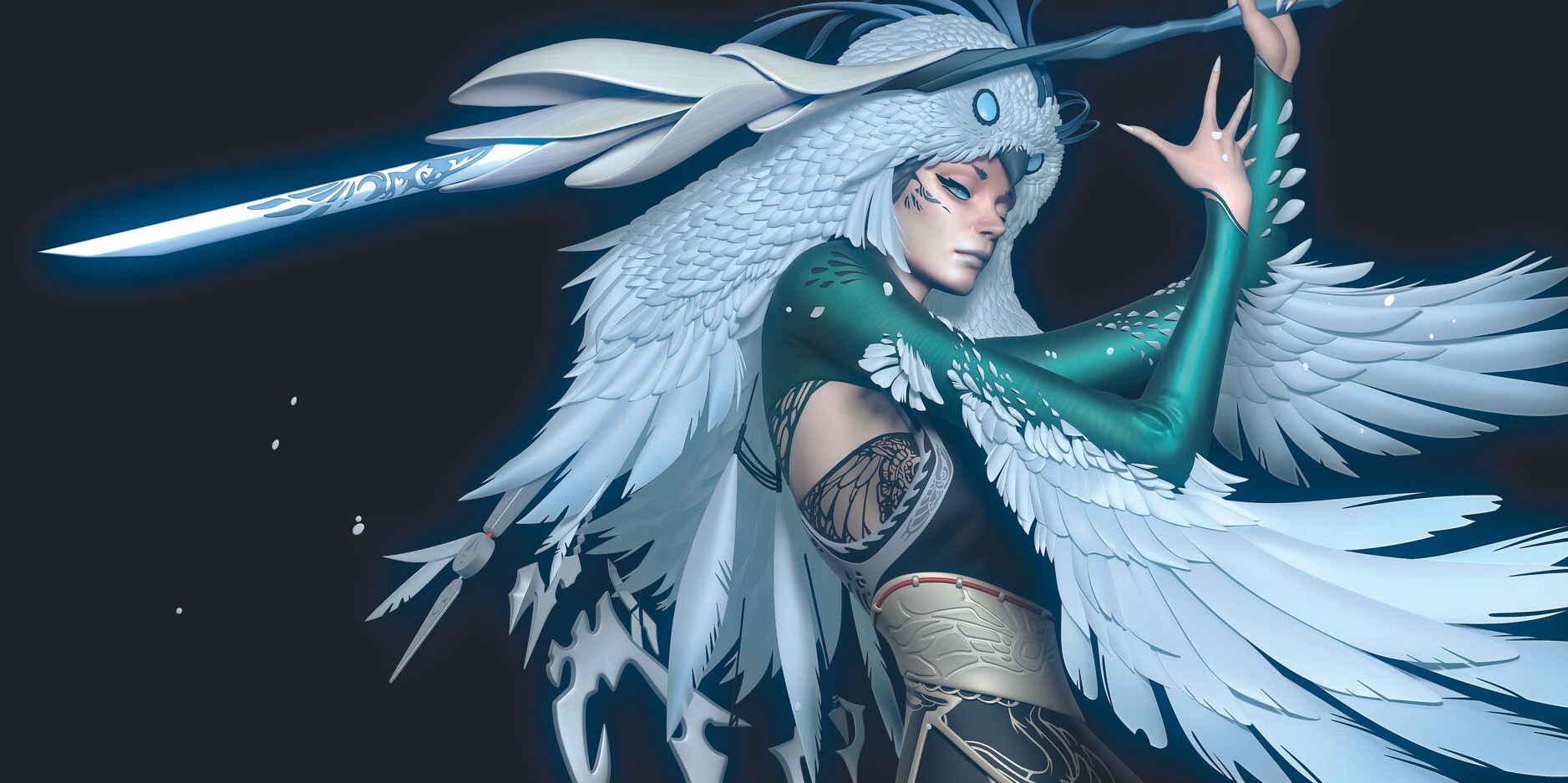
Lima credits the conceptual work of Chengwei Pan as a significant influence on this piece. Chengwei Pan, a renowned digital artist, is known for his fantastical and often nature-inspired creations, characterized by a distinct blend of realism and imaginative flair. Lima’s adaptation of this inspiration demonstrates his ability to internalize an artistic ethos and re-interpret it through his own unique lens, adding his signature stylized touch. The "Owl Spirit" likely features a harmonious blend of organic forms and intricate details, suggesting a creature deeply connected to its environment, perhaps even a guardian of a hidden forest or a messenger from the spirit world. The choice of an owl itself is symbolic, often associated with wisdom, mystery, and nocturnal vigilance.
2. The Dynamic "Farewell"
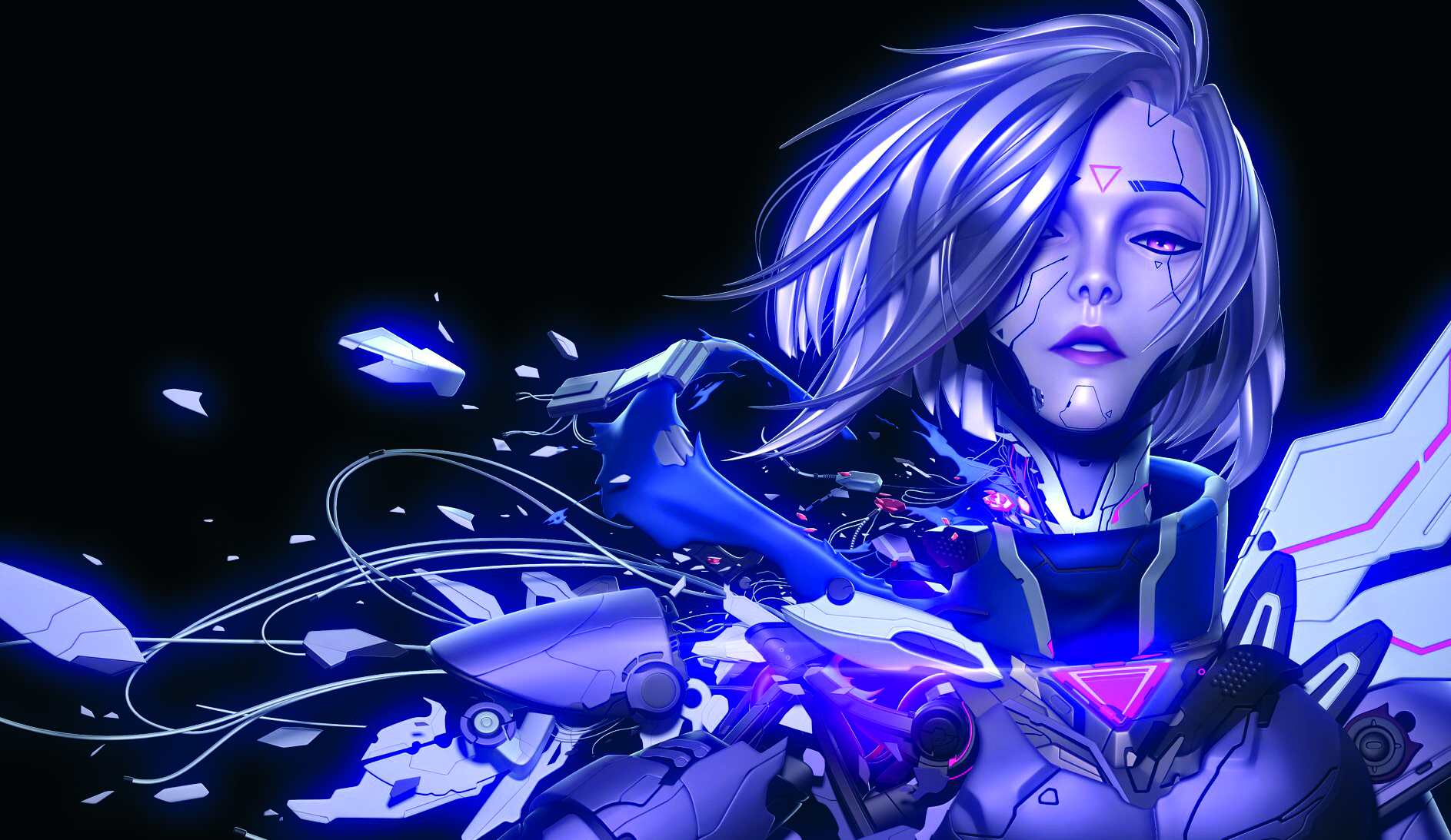
Transitioning from the serene to the explosive, "Farewell" showcases Lukas Lima’s proficiency in creating dynamic, action-oriented characters with a strong mechanical element. This piece is a vibrant exploration of conflict and technological advancement, merging the chaos of explosions with the precision of robotic design.
"I love creating detailed and robotic things, so the idea of explosions and cyborgs was perfect for exploring that and creating a harmony behind it," Lima states. This quote reveals a core fascination with intricate machinery and the visual impact of powerful forces. The title "Farewell" itself is evocative, suggesting a moment of parting, perhaps a final act of defiance or a bittersweet departure.
The "Farewell" piece likely features a cyborg character in the midst of a dramatic event. The "explosions" could be rendered with a stylized flair, perhaps using vibrant color palettes and exaggerated particle effects that complement the character’s design rather than overwhelming it. The "robotic things" are where Lima’s meticulous attention to detail would shine, with intricate plating, articulated joints, and sophisticated weaponry or enhancements. The challenge in creating such a piece lies in balancing the raw energy of an explosion with the clean lines and structured forms of robotics, a balance that Lima seems to have mastered.
Again, Chengwei Pan’s conceptual work serves as an inspiration. This suggests that Lima is not just replicating styles but is actively engaging with the underlying artistic principles of his influences. For "Farewell," this might translate to a sophisticated approach to form, light, and composition that imbues even the most chaotic scenes with a sense of artistic control and narrative depth. The piece likely conveys a sense of urgency and power, with the character’s pose and the surrounding environmental effects telling a story of intense action and perhaps a significant turning point.
3. The Energetic "Jinx"
The final piece highlighted is "Jinx," a character that draws inspiration from the critically acclaimed animated series Arcane. This project demonstrates Lima’s ability to adapt to established artistic styles while injecting his own unique interpretation.
"After watching Arcane, I felt very inspired to try and produce something in that style. I loved the idea of stylised sculpture mixed with hand-painting, so I tried to do something similar," Lima shares. Arcane, known for its distinctive blend of 3D rendering with a painterly aesthetic, presents a significant challenge for any artist attempting to emulate its visual language. The series masterfully combines the depth and dimensionality of 3D with the expressive qualities of traditional hand-painted art, creating a look that is both modern and timeless.
Lima’s approach to "Jinx" focuses on this "stylised sculpture mixed with hand-painting." This suggests a workflow where the foundational 3D model is sculpted with a stylized sensibility, perhaps with exaggerated features or a specific silhouette, and then meticulously hand-painted to achieve the textured, painterly finish seen in Arcane. This technique requires not only strong modeling skills but also a deep understanding of color theory, brushwork, and lighting to mimic the nuanced visual style.
The character of Jinx from Arcane is known for her chaotic energy, her vibrant and often unsettling appearance, and her complex emotional landscape. Lima’s interpretation would likely capture these traits, translating the character’s personality into her pose, expression, and the details of her costume. The "hand-painting" aspect is crucial here, allowing for the subtle gradations of color and texture that give Arcane‘s characters their unique, almost tangible feel. This piece signifies Lima’s versatility, showing his capacity to not only create original stylized characters but also to pay homage to and reinterpret existing iconic styles.
The Pillars of Stylization: Software and Technique
While the article doesn’t explicitly detail the software used, the nature of 3D character art implies the utilization of industry-standard tools. For stylized character creation, artists often rely on a combination of powerful modeling software, sculpting applications, and advanced rendering engines.
- 3D Modelling Software: Programs like Maya, 3ds Max, or Blender are essential for creating the foundational mesh of a character. These tools allow for precise control over geometry, topology, and form, laying the groundwork for the stylized aesthetic.
- Digital Sculpting: Software such as ZBrush is indispensable for adding intricate details, refining shapes, and achieving the organic or exaggerated forms characteristic of stylized art. It’s where the "sculpture" aspect of Lima’s "Jinx" would truly come to life.
- Texturing and Painting: Tools like Substance Painter and Photoshop are crucial for applying colors, textures, and surface details. For stylized art, this often involves a deliberate artistic hand to create painterly effects, unique color palettes, and expressive surface qualities.
- Rendering Software: To bring these characters to life in a visually compelling way, rendering software like Marmoset Toolbag, Keyshot, or even built-in renderers within modeling packages are used. These tools simulate light and shadow, allowing for the final presentation of the artwork with the desired mood and atmosphere.
The inclusion of links to guides on the "best 3D modelling software" and "best rendering software" within the original article suggests that Creative Bloq aims to empower its readers with the knowledge and resources to embark on their own 3D art journeys. This contextualizes Lukas Lima’s work not just as an exhibition of talent, but as an inspiration for aspiring digital artists.
Beyond the Screen: Supporting Data and Community Engagement
Lukas Lima’s presence on ArtStation, a leading online platform for digital artists, is a crucial component of his professional journey. His ArtStation profile serves as a digital portfolio, showcasing his extensive body of work and allowing him to connect with a global community of artists and industry professionals. The link provided allows interested individuals to explore his creations in greater detail, offering a comprehensive view of his artistic evolution and diverse projects.
The article also includes links to resources for hardware, such as "the best laptops for 3D modelling" and "best drawing tablets." This broadens the scope of the content, acknowledging that the creation of high-quality 3D art requires not only artistic skill but also the right tools and technology. This holistic approach underscores the multifaceted nature of digital art creation.
Furthermore, the call to action to sign up for Creative Bloq’s daily newsletter and the mention of the app highlight the publication’s commitment to fostering an engaged community of art and design enthusiasts. This positions the article as part of a larger ecosystem of content designed to inform, inspire, and connect creatives.
The Broader Implications: The Rise of Stylized 3D Art
Lukas Lima’s work is representative of a significant trend in the digital art world: the increasing appreciation for and demand for stylized 3D art. While photorealism has long been a benchmark of technical achievement, stylized art offers a different kind of impact. It allows for:
- Enhanced Storytelling: Stylization can amplify a character’s personality and emotional arc, making them more relatable or more uniquely impactful.
- Distinctive Visual Identity: In a crowded media landscape, stylized art helps projects stand out and create memorable visual brands, as seen with Arcane.
- Creative Freedom: Stylization liberates artists from the constraints of strict realism, opening up a vast playground for imagination and experimentation.
- Accessibility: While technically demanding, stylized art can sometimes be more accessible to a wider audience, resonating on an emotional and aesthetic level that transcends hyper-realism.
Lukas Lima, through his dedication to stylized 3D character art, contributes to this evolving landscape. His ability to draw inspiration from diverse sources, from nature to popular culture, and translate them into visually compelling and emotionally resonant characters, solidifies his position as a notable artist in the field. His work serves as a beacon for aspiring 3D artists, demonstrating that technical skill, when paired with a clear artistic vision and a passion for stylization, can lead to truly exceptional digital creations. The continued exploration of his work on platforms like ArtStation and the resources provided by publications like Creative Bloq ensure that his influence will continue to inspire and shape the future of 3D character art.