Beyond Borders and Blunders: How Self-Awareness Became the Ultimate Branding Strategy
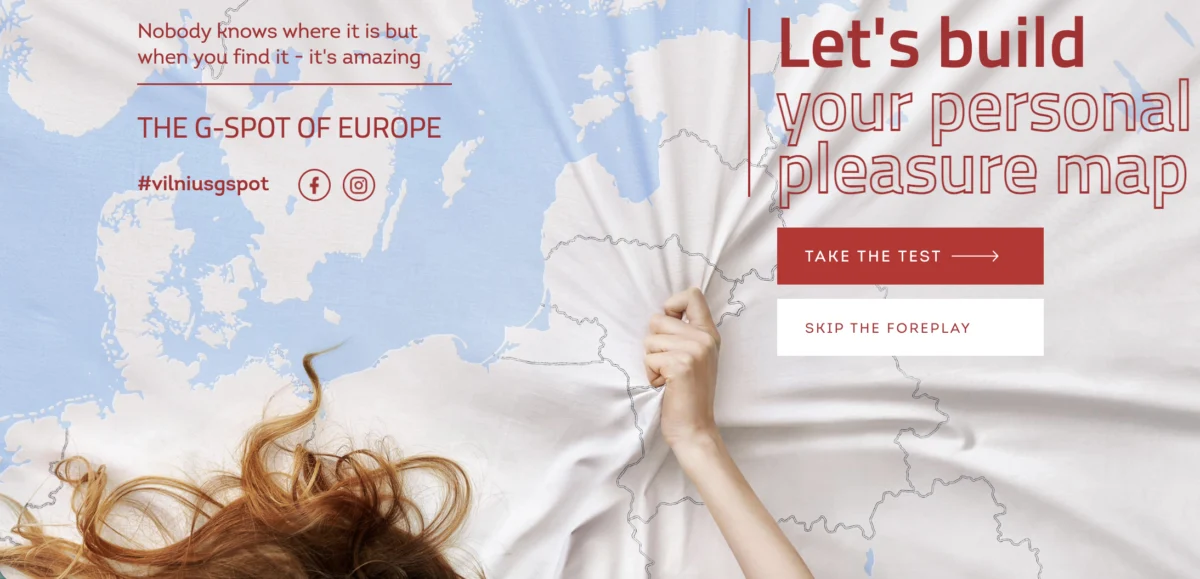
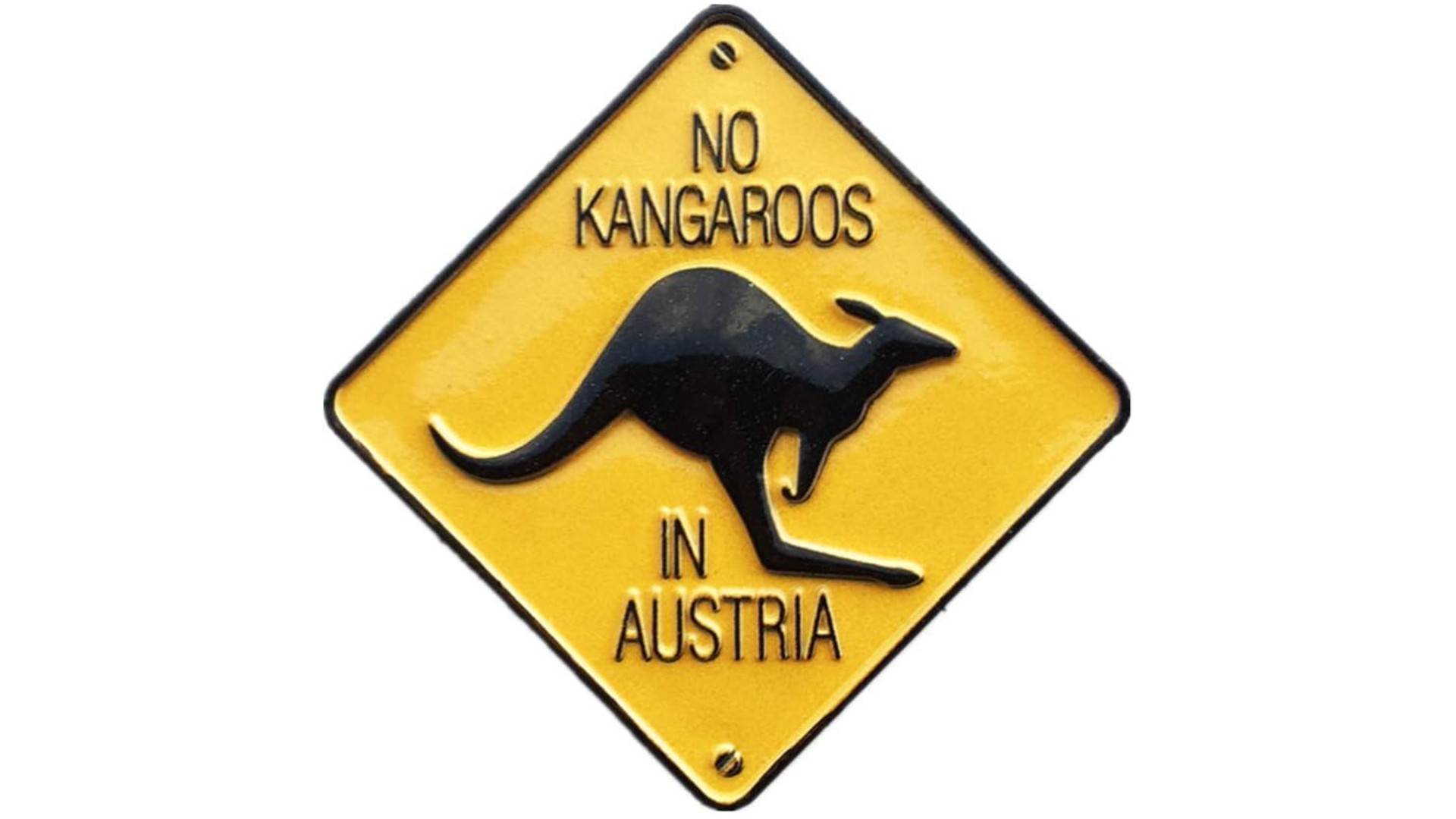
In the intricate world of branding, where meticulously crafted positioning statements and the relentless pursuit of authenticity often dominate, a simple fridge magnet can offer a profound lesson. Vienna’s gift shops, it seems, are not just purveyors of souvenirs, but incubators of revolutionary marketing insights. The "No Kangaroos in Austria" magnet, a seemingly innocuous piece of merchandise that has even graced the Eurovision stage, is a testament to a branding phenomenon that outshines many a multi-million dollar campaign. This emblem of collective geographic confusion, embraced and monetized, reveals a potent truth: the most magnetic brands are often those that acknowledge, with a wink and a smile, what people think they are, rather than rigidly adhering to a predefined identity.
This article delves into the phenomenon of self-aware branding, exploring how entities, from nations to cities, have leveraged misconceptions and perceived shortcomings into powerful, relatable, and highly marketable identities. We will examine the core principles behind this approach, its historical precedents, its modern-day manifestations, and the profound implications for how we understand and engage with brands in the 21st century.
The Accidental Icon: The "No Kangaroos in Austria" Phenomenon
The genesis of this remarkable branding success lies in a simple, persistent global misconception: the conflation of Austria with Australia. For years, this geographical gaffe has been a recurring theme in international discourse. Instead of embarking on costly and potentially futile correction campaigns, Austrian souvenir vendors opted for a far more astute strategy: they embraced the absurdity. The "No Kangaroos in Austria" design, featuring a stark silhouette of the iconic marsupial against a diamond-shaped yellow warning sign, transformed a collective misunderstanding into a tangible, desirable product.
This simple design achieved what many sophisticated brand strategies only aspire to: it was humorous, undeniably self-aware, and communicated a clear, albeit ironic, identity in just four words. It tapped into a shared understanding of this common error, turning what could be seen as a point of national embarrassment into a source of national pride and commercial success. The magnet, and its subsequent merchandise iterations, became more than just a souvenir; they became a statement, a nod to an inside joke that millions were privy to.
The virality of this concept was further amplified by its appearance at the 2026 Eurovision Song Contest, held in Austria. A skit featuring a performer in a kangaroo costume alongside a cheerfully bewildered Austrian, underscored the enduring nature of the confusion and provided a global platform for the self-deprecating humor that had already captured the imagination of tourists and locals alike. This instance exemplifies how a seemingly trivial mistake, when met with creative ingenuity and a willingness to engage with public perception, can blossom into a potent branding tool.
Owning the Narrative: From Geographic Blunders to Global Recognition
The success of the "No Kangaroos in Austria" campaign is not an isolated incident. It represents a broader trend of entities strategically leveraging their perceived weaknesses or common misconceptions to forge stronger connections with their audiences. This approach is rooted in an understanding that authenticity, in its most compelling form, often involves acknowledging one’s own imperfections and engaging with the world’s perception of them.
The Vilnius Experiment: Boldness as a Brand Statement
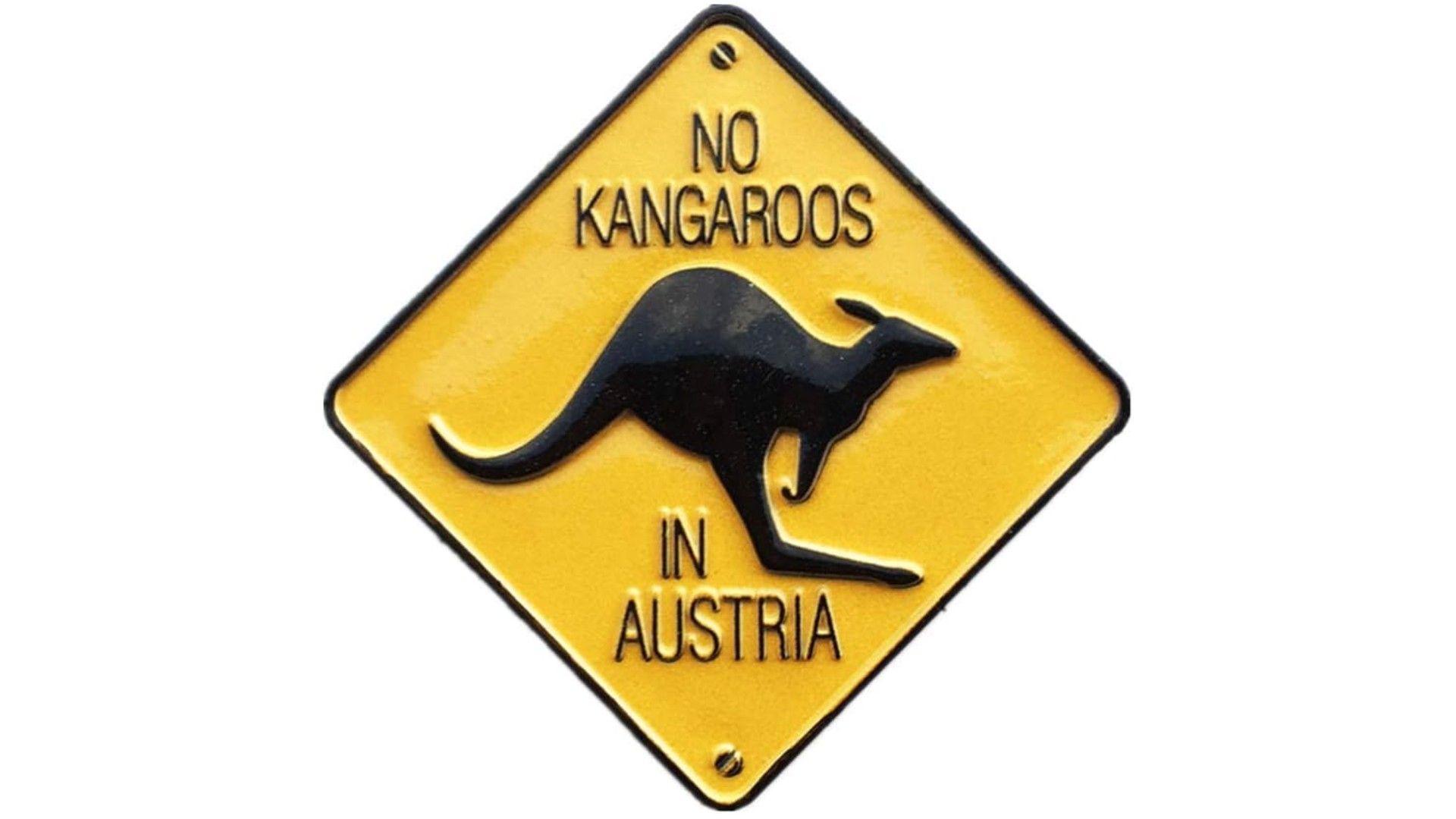
In 2018, the Lithuanian capital of Vilnius launched an audacious tourism campaign that redefined the concept of self-deprecating marketing. With the slogan, "Vilnius: the G-spot of Europe. Nobody knows where it is, but when you find it, it’s amazing," the city boldly confronted its relative obscurity on the global tourism map. This was not a timid attempt to correct a lack of awareness, but a provocative embrace of it.
The campaign, developed by the agency McCann Vilnius, was a masterstroke of cheeky humor and strategic positioning. It acknowledged that Vilnius, while a vibrant and captivating city, was not a household name in the same vein as Paris or Rome. Instead of lamenting this fact, it transformed it into an intriguing proposition. The slogan played on themes of discovery, pleasure, and exclusivity, creating a buzz that generated significant international media attention and, more importantly, sparked genuine curiosity.
The campaign’s success lay in its fearless self-awareness. It demonstrated a confidence that allowed the city to joke about its own anonymity, transforming a potential negative into a compelling narrative. The accompanying website, "vilniusgspot.com," further engaged audiences with a playful "pleasure map" quiz, reinforcing the campaign’s lighthearted and provocative tone. This initiative proved that sometimes, the most effective way to put a place on the map is to admit you’re not on it, and then invite the world to discover you.
Eastern European Embrace: Slovakia, Slovenia, and the Power of Shared Misunderstandings
The success of Vilnius was mirrored, in spirit, by the subtle yet effective branding strategies employed by Slovakia and Slovenia. These neighboring nations, often confused with one another by the global public, have reportedly developed a tongue-in-cheek camaraderie around this persistent geographical mix-up. Local lore even suggests that their embassy staff hold monthly meetings to exchange misdirected mail – a charming anecdote that, whether entirely factual or not, encapsulates their shared experience.
Instead of engaging in costly campaigns to differentiate themselves, both nations have wisely allowed this narrative to flourish. This passive yet strategic approach costs virtually nothing and generates a significant amount of goodwill. It allows them to present a united, relatable front to the international community, acknowledging a common foible that fosters a sense of shared identity and humor. This approach demonstrates a sophisticated understanding of how to harness collective perception for national branding, proving that sometimes, the most effective marketing is no marketing at all.
The Panama Hat Paradox: Embracing an Accidental Legacy
The historical precedent for embracing geographical misattributions is vividly illustrated by the story of the "Panama hat." Despite its name, this iconic headwear was traditionally crafted in Ecuador. The hats were then shipped through Panama, a major transit hub, and the port stamp on the crates led merchants to mistakenly believe they originated from the Central American nation.
Rather than engaging in a protracted dispute over attribution, Panama, it is said, embraced the misnomer. The "Panama hat" became synonymous with the country in the eyes of the world, a testament to its role as a vital trade artery. This act of passive acceptance turned a geographical oversight into a significant part of Panama’s cultural and commercial identity, while Ecuador, the true birthplace of the hat, is still, according to the narrative, waiting for its moment to reclaim its heritage. This story highlights how historical accidents, when capitalized upon, can shape enduring brand perceptions.
New Zealand’s Cartographic Campaign: Turning Invisibility into Visibility
More recently, Tourism New Zealand masterfully transformed a persistent cartographic oversight into a globally recognized branding initiative. For years, New Zealand has suffered from its relative invisibility on world maps, often cropped out of projections due to its remote location. This geographical slight, even extending to its absence from official maps at major international events like the Paris Olympics, became a source of frustration.
The nation’s response was #GetNewZealandOnTheMap, a campaign that leveraged a star-studded cast and a powerful message to address this visual marginalization. By framing the issue not as a failure, but as an ongoing "slight," New Zealand turned a cartographic inconvenience into a compelling narrative of defiance and visibility. The campaign tapped into a sense of national identity and resilience, using the very act of being overlooked as the headline for their promotional efforts. This strategic pivot demonstrated how a perceived deficit could be amplified and reframed into a powerful call for recognition.
The Core Principles of Self-Aware Branding
The success of these diverse examples can be attributed to a few fundamental principles that underpin effective self-aware branding:
- Embrace the Misconception: Instead of fighting common misunderstandings, brands that excel in this arena lean into them. They acknowledge what people think they are and use it as a foundation for their identity.
- Humor and Self-Deprecation: A willingness to laugh at oneself signals confidence and relatability. This disarms potential criticism and makes the brand more approachable.
- Authenticity Through Acknowledgment: True authenticity isn’t about presenting a flawless image, but about being genuine. Acknowledging flaws or common perceptions, even humorously, demonstrates a grounded and honest approach.
- Monetize Self-Awareness: The ultimate goal is to translate this self-awareness into tangible engagement and, often, commercial success. This can range from merchandise sales to increased tourism and brand loyalty.
- Tap into Collective Identity: These strategies often resonate because they tap into shared experiences or widely held beliefs, creating a sense of belonging and insider knowledge for the audience.
The Untapped Potential: Nations Still Missing Out
The success stories above highlight a broader opportunity for entities that are often overlooked or misunderstood. The question then becomes: which nations are sitting on untapped comic gold, waiting to be unearthed?
Canada: The Polite Neighbor
Canada’s national identity abroad is, in large part, defined by its contrast with its powerful southern neighbor. The implicit and explicit "We’re not America" sentiment is a powerful, albeit often understated, aspect of Canadian branding. A campaign that playfully leans into this, perhaps with slogans like "Politely speaking, we’re not the USA," or focusing on uniquely Canadian traits like politeness, vast wilderness, and a distinct cultural mosaic, could resonate deeply. This would not be about disparaging America, but about celebrating Canadian distinctiveness with a characteristic Canadian sense of humor.

Belgium: The Punchline Turned Powerhouse
For decades, Belgium has been the subject of jokes across Europe, particularly from its French and Dutch neighbors, often centered around its perceived lack of distinctiveness or its complex linguistic and political landscape. Instead of shying away from this reputation, Belgium could wholeheartedly embrace it. Imagine a campaign that humorously acknowledges these stereotypes, perhaps even exaggerating them, while simultaneously highlighting the country’s rich cultural heritage, culinary excellence, and strategic importance. Owning the "punchline" could transform it into a source of unexpected pride and international intrigue.
Great Britain: The Grand Name, the Humble Reality
My own nation, Great Britain, presents a fascinating case study. The grandeur of its name, carrying the weight of a vast historical empire, now sits in a complex and often contradictory position post-Brexit and in a rapidly changing global landscape. There’s an inherent, almost absurdist, humor in this juxtaposition. A campaign that playfully acknowledges this, perhaps with slogans like, "We used to run the world. Fancy a biscuit?" or highlighting the nation’s enduring, yet often understated, contributions to culture and innovation, could capture a global audience. This would require a delicate balance of pride and self-awareness, acknowledging the past while embracing the present with a distinctly British sense of irony.
Implications for Creatives and Brands
The core takeaway for creatives and brands alike is clear: audiences are increasingly drawn to entities that do not take themselves too seriously. A brand that exhibits genuine confidence, enough to acknowledge its perceived flaws or engage with common misconceptions with humor, signals a robust and secure identity. It is this very security that makes such brands so magnetic. It takes a profound level of self-assurance to say, "Yes, we know what you think, and here’s a joke about it."
This approach is not about embracing ignorance or fostering misconceptions. Instead, it is a sophisticated strategy that leverages public perception for genuine connection and brand building. It’s about understanding that in a world saturated with carefully curated perfection, a touch of self-awareness, a dash of humor, and a willingness to be vulnerable can be the most powerful branding tools of all. It is, in essence, not a sign of stupidity, but a testament to the sharpest, most insightful minds in the room. By embracing these principles, brands can move beyond traditional marketing paradigms and forge deeper, more resonant connections with their audiences, proving that sometimes, the most effective way to be seen is to be known, and to be known for knowing yourself, even your quirks.