The Evolving Animation Landscape: YouTube’s Monetization Shift and the Surge of New Studio Productions
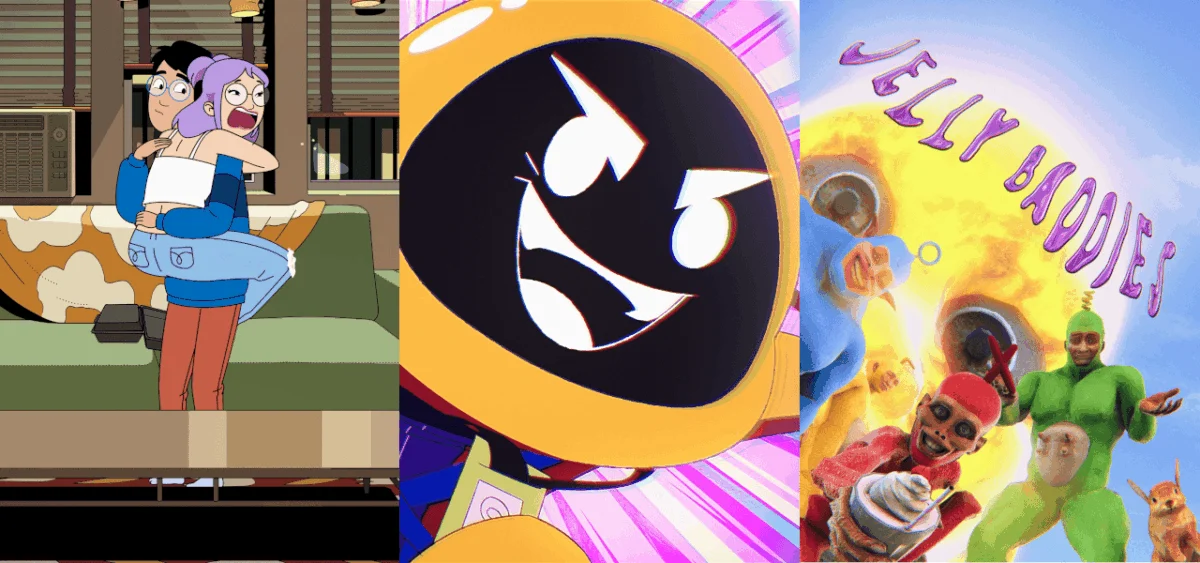
The global animation industry stands at a critical crossroads as the summer of 2026 unfolds. A series of major announcements this week has signaled both a tightening of the digital creator economy and a robust expansion of televised and independent content. From YouTube’s controversial policy updates to high-profile project reveals from Netflix and Flying Bark Productions, the industry is grappling with the dual realities of increased barriers to entry for independent creators and a hungry market for high-concept serialized content.
This report examines the recent shifts in the animation sector, focusing on the systemic changes at YouTube, the emergence of new intellectual properties, and the continued relevance of transgressive independent art.
Main Facts: A Week of High Stakes and New Visions
The most significant development this week involves a fundamental change to the YouTube Partner Program (YPP), which serves as the primary revenue stream for thousands of independent animators worldwide. Starting in February 2027, the platform will double its requirements for monetization eligibility. New channels will now need significantly higher watch hours and Shorts views to qualify for ad revenue sharing, a move that critics argue disproportionately affects "slow-burn" creators like animators.
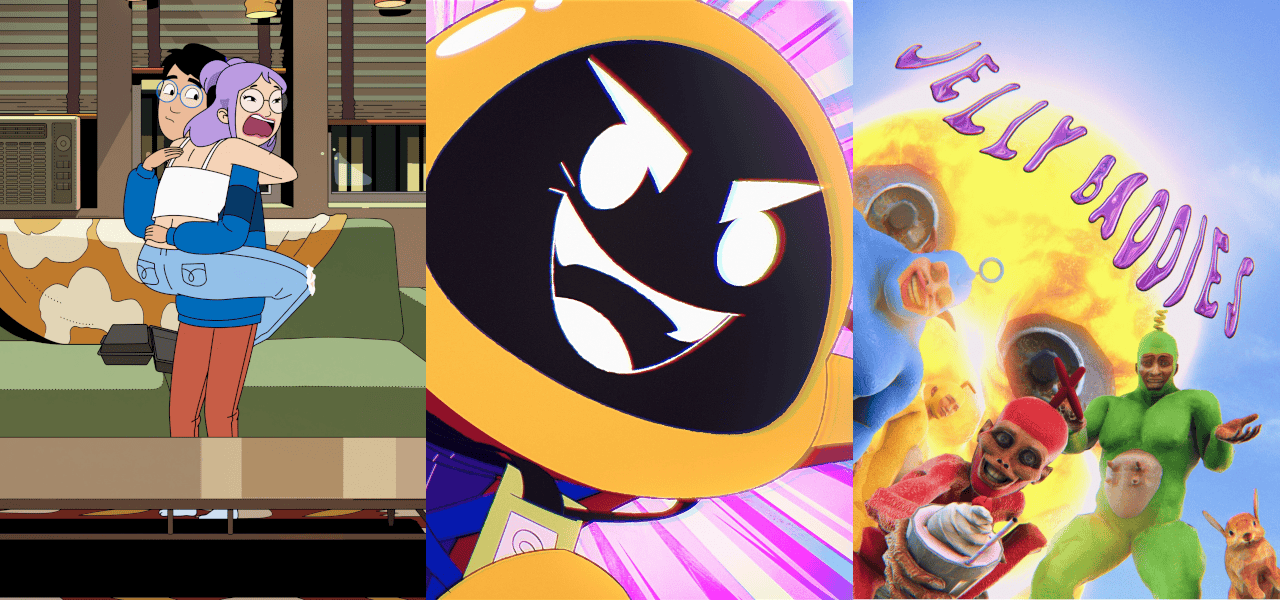
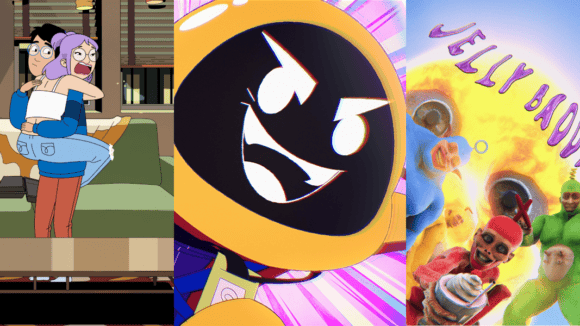
Simultaneously, the production side of the industry remains prolific. Australia-based Flying Bark Productions, in collaboration with Nashville’s Lightfold, has officially unveiled Doomsweepers, a 2D "zom-com" (zombie comedy) that has been under development for several years. On the streaming front, Netflix has debuted the trailer for DANG!, an adult animated comedy produced by Titmouse, while Fox has greenlit a sequel series to the cult classic Joe Dirt, marking a significant return for the character in animated form.
Finally, the industry is taking note of the rising influence of Canadian independent animator Ivan Li. Li’s work, characterized by its "unruly" CG aesthetics and exploration of taboo subjects, represents a growing counter-culture within the animation community that defies traditional studio sensibilities.
Chronology: The Road to the 2026 Animation Shift
To understand the current state of the industry, one must look at the timeline of events leading up to this week’s announcements:
.png)
- 2024–2025: The Rise of the Indie Pilot. Following the massive success of independent pilots like Hazbin Hotel and The Amazing Digital Circus, YouTube became viewed as the premier incubator for new animation talent. This led to a surge in high-quality, long-form independent productions.
- Early 2026: The "Shorts" Pivot. YouTube began aggressively pushing its "Shorts" format to compete with TikTok, leading to concerns that the platform’s algorithm was deprioritizing traditional, long-form horizontal animation.
- August 11, 2026: The Policy Bombshell. YouTube officially announces the February 2027 threshold increase. The announcement sends shockwaves through the animation community, where production cycles for a single five-minute video can take months.
- Mid-August 2026: Studio Reveal Cycle. Within days of the YouTube news, Flying Bark, Netflix, and Fox release trailers and project updates, highlighting a shift toward established studio-backed projects as the digital "Wild West" of independent monetization begins to close its gates.
Supporting Data: The Animation Bottleneck
The YouTube policy change is not merely a minor adjustment; it represents a significant economic hurdle for the medium of animation.
The Monetization Gap
Prior to the new announcement, the YouTube Partner Program typically required 1,000 subscribers and 4,000 valid public watch hours in the past 12 months (or 10 million Shorts views). The doubling of these metrics—to 8,000 watch hours or 20 million Shorts views—creates what industry analysts call the "Animation Bottleneck."
Animation is inherently labor-intensive. While a gaming streamer or a vlogger can produce hours of content per week, an independent animator may only release 10 to 15 minutes of content per year. Under the new rules, a new animator would need their singular release to achieve massive viral success immediately to maintain or achieve monetization, whereas previously, a steady build-up of a dedicated niche audience was sufficient.
The Rise of Hybrid Models
In response to these tightening margins, data from 2025-2026 shows a 35% increase in animators utilizing hybrid funding models. This includes:
- Crowdfunding (Patreon/Kickstarter): Now accounting for an estimated 40% of revenue for top-tier indie channels.
- Merchandising: Plushies and apparel have become the lifeblood of studios like Glitch Productions and SpindleHorse.
- Licensing to Streamers: The path taken by Doomsweepers, moving from independent development to a more traditional production model with Flying Bark.
Official Responses and Industry Reactions
The reaction to these developments has been polarized, reflecting the divide between corporate strategy and creative labor.
YouTube’s Stance
A spokesperson for YouTube stated that the increased thresholds are designed to "strengthen the ecosystem" and ensure that "highly engaged, sustainable communities" are the ones benefiting from the Partner Program. The platform argues that by raising the bar, they can better protect advertisers and provide more robust support to creators who have reached a "professional tier" of viewership.
The Creator Backlash
Independent animators have been vocal in their dissent. Jamie Lang, reporting for Cartoon Brew, highlighted the specific anxiety of newcomers. Many creators argue that YouTube is effectively "killing the middle class" of animation. By making it harder for new voices to earn even a modest income, the platform may inadvertently push talent toward TikTok or private subscription platforms, potentially draining YouTube of its most innovative content.
The Studio Perspective
Flying Bark Productions and Lightfold have expressed optimism regarding the debut of Doomsweepers. Creator-director Sarah Harper noted that the collaboration allowed for a "candy-colored" aesthetic that balances the grotesque elements of a zombie apocalypse with the vibrancy of 2D animation. Olan Rogers, whose studio Lightfold is co-developing the project, emphasized that "independent spirits" are still finding ways to thrive by partnering with established studios that value unique creative voices.
Implications: The Future of the Medium
The events of this week suggest several long-term shifts for the animation industry.
1. The Professionalization of "Indie" Animation
As YouTube becomes less viable as a primary source of income for beginners, we are likely to see the "professionalization" of the indie space. New creators will likely need to enter the market with fully formed business plans, pre-existing social media followings, and diversified revenue streams before they even begin production on their first frame. The era of "uploading and seeing what happens" is effectively over.
2. The Dominance of "Safe" vs. "Transgressive" Content
The contrast between Netflix’s DANG! and the work of Ivan Li highlights a growing divide in content strategy. DANG!, backed by veterans of The Good Place, represents the "prestige sitcom" model—safe, high-quality, and designed for broad appeal. In contrast, Ivan Li’s work explores sex, violence, and isolation—subjects that are increasingly difficult to monetize on mainstream platforms. There is a risk that the "algorithm-friendly" requirements of 2027 will stifle the kind of unruly, experimental CG work that Li champions, pushing such art into the fringes of the internet or behind expensive paywalls.
3. The Resurrection of Legacy IP
Fox’s decision to revive Joe Dirt as an animated series 25 years after the original film underscores the industry’s ongoing reliance on nostalgia. Animation provides a cost-effective way to reunite original casts (like David Spade) and expand "universes" without the physical constraints of aging actors or expensive live-action sets. We should expect more "dormant" live-action comedies to make the jump to animation as studios seek guaranteed audiences in an increasingly fragmented market.
4. Global Collaborations as the New Standard
The partnership between Australia’s Flying Bark and Nashville’s Lightfold for Doomsweepers is a blueprint for the future. By pooling resources across borders, studios can mitigate the high costs of 2D animation. This "global boutique" model allows for high-end production values that can compete with major streamers while maintaining the distinct voice of the original creator.
Conclusion
The animation industry in late 2026 is defined by a paradox: it has never been easier to create high-quality animation, yet it has rarely been harder to get paid for it as an independent. As YouTube raises its barriers, the burden of proof for "success" shifts from artistic merit to sheer numerical volume. However, the resilience of creators like Sarah Harper and Ivan Li, and the continued investment from giants like Netflix and Fox, suggest that while the platforms for animation are changing, the appetite for the medium remains insatiable. The coming year will be a test of whether the next generation of animators can adapt to a more demanding economic landscape or if the industry will become an exclusive playground for established studios and legacy brands.