Sarah Beth Durst’s "Sea of Charms" Commands Bestseller Lists in a Week Dominated by Genre Fiction
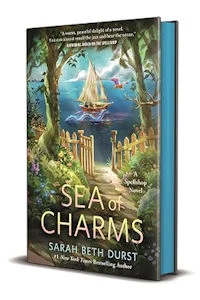
NEW YORK, NY – August 12, 2026 – The literary world is abuzz with the remarkable debut of Sarah Beth Durst’s "Sea of Charms," the highly anticipated third installment in The Spellshop series, which has immediately surged into the top 10 across three of the most prestigious bestseller lists. Published by Bramble, this latest fantasy offering signals Durst’s growing prominence and the enduring appeal of intricate, imaginative storytelling within the genre. Her success highlights a dynamic week on the charts, characterized by strong performances from established series, a diverse array of fantasy and science fiction titles, and the remarkable longevity of several literary mainstays.
The latest bestseller compilations, spanning from the New York Times and USA Today to Publishers Weekly and various Amazon platforms, reveal a vibrant and competitive market. While "Sea of Charms" carved out an impressive niche, the week’s data also underscored the consistent strength of authors like Dennis E. Dinniman with his "Dungeon Crawler Carl" series, and Rebecca Yarros’s "Fourth Wing," demonstrating that dedicated fanbases and compelling serialized narratives continue to drive significant sales across multiple formats. The detailed breakdown offers a fascinating glimpse into current reader preferences and the strategic maneuvers of publishers in a rapidly evolving industry.
Main Facts
Sarah Beth Durst’s Triumphant Debut with "Sea of Charms"
Sarah Beth Durst has landed a significant victory with "Sea of Charms," the third book in her acclaimed "The Spellshop" series, debuting strongly in the top echelons of multiple national bestseller lists. The novel, released by Bramble, appeared at an impressive #5 on the New York Times Hardcover Fiction list (for the August 16, 2026, publication), #6 on the USA Today overall bestseller list (August 2, 2026), and #4 on Publishers Weekly‘s Hardcover Fiction list (August 10, 2026). This simultaneous top-10 placement across three key indicators of commercial success is a testament to Durst’s growing readership and the strategic rollout by her publisher. For a third book in a series to achieve such a high-profile debut suggests a potent combination of critical acclaim for previous installments, effective marketing, and a loyal, eager fanbase. The "Spellshop" series, known for its imaginative world-building and engaging characters, clearly resonates deeply with contemporary fantasy readers, solidifying Durst’s position as a leading voice in the genre.
A Dynamic Bestseller Landscape: Series Domination and Enduring Appeal
Beyond Durst’s fresh success, the latest bestseller lists paint a picture of continued dominance by well-established series and authors. Dennis E. Dinniman’s "Dungeon Crawler Carl" series continues its remarkable run, with an astonishing eight different hardcover titles and two paperback editions appearing across the various charts. This unprecedented saturation demonstrates the immense popularity of the LitRPG subgenre and Dinniman’s unique appeal, with titles like "Carl’s Doomsday Scenario" (#8 NYT), "The Dungeon Anarchist’s Cookbook" (#10 NYT), and "Dungeon Crawler Carl" (paperback #4 NYT) maintaining strong positions. Similarly, Rebecca Yarros’s "Fourth Wing" and "Threshing Day" (the latter securing #4 on Amazon US, #7 on Amazon UK, and #6 on Amazon Canada) demonstrate the sustained momentum of the Romantasy phenomenon. Other notable entries include T. Kingfisher’s "Yesteryear," holding steady at #3 on the New York Times and #2 on the Los Angeles Times lists, and Andy Weir’s "Project Hail Mary," which remains a strong performer in paperback, sitting at #2 on the New York Times and #9 on Amazon US, nearly two years after its initial paperback release. The consistent presence of these titles, alongside the fresh debuts, underscores a vibrant and diverse market driven by both novelty and enduring reader loyalty.
Chronology
The Ascent of "Sea of Charms": From Anticipation to Acclaim
The journey of "Sea of Charms" to the top of the bestseller lists is a narrative of carefully cultivated anticipation and a well-executed launch. As the third book in "The Spellshop" series, its debut was buoyed by the critical and commercial success of its predecessors. Readers had already invested in Durst’s fantastical world and characters, creating a built-in demand for the next installment. The "++" symbol next to its entry on the New York Times, USA Today, and Publishers Weekly lists signifies its immediate impact as a brand-new entry, bypassing the usual slow climb that many titles experience. This swift ascent suggests a strong pre-order campaign, enthusiastic early reviews, and a robust marketing push from Bramble, strategically timed to leverage Durst’s existing fanbase and attract new readers. The consistency of its high ranking across diverse lists—from the prestigious New York Times to the broader USA Today and industry-focused Publishers Weekly—underscores a widespread appeal that translated directly into significant first-week sales. This immediate success bodes well for the longevity of "Sea of Charms" on the charts and further cements Durst’s reputation as a powerhouse in contemporary fantasy.
Enduring Sagas and Consistent Performers: The Power of Longevity
While new releases grab headlines, the bestseller lists also reveal the remarkable staying power of certain titles and series, a testament to enduring narratives and dedicated fan communities. Suzanne Collins’ "Sunrise on the Reaping," the latest installment in "The Hunger Games" saga, continues its impressive run, logging 90 weeks on various lists since its debut in June 2024. This longevity speaks to the generational appeal of the series and its continued cultural relevance. Similarly, Rebecca Yarros’s "Fourth Wing" (hardcover at 121 weeks, paperback at 98 weeks) and "Onyx Storm" (120 weeks) are pillars of the Romantasy genre, maintaining their positions through sustained reader interest, online buzz, and the continuous influx of new fans discovering the series.
Perhaps the most striking example of consistent performance comes from Dennis E. Dinniman. His "Dungeon Crawler Carl" series, often associated with the LitRPG genre, displays an extraordinary presence, with multiple titles consistently charting for many weeks. "Dungeon Crawler Carl" (hardcover) has been on lists for 52 weeks, "The Butcher’s Masquerade" for 27 weeks, and "The Gate of the Feral Gods" for 29 weeks. The sheer volume of Dinniman’s books on the lists—including titles like "Carl’s Doomsday Scenario" (31 weeks), "The Dungeon Anarchist’s Cookbook" (27 weeks), and "A Parade of Horribles" (16 weeks)—underscores a phenomenon of reader engagement that transcends typical publishing cycles. These books benefit from strong word-of-mouth, active online communities, and the serialized nature of their narratives, compelling readers to consume each new release and revisit older ones. The sustained success of these sagas highlights a market where deep engagement with a series can yield continuous sales, far beyond the initial release window.
Newcomers and Resurfacing Classics: A Blend of Fresh and Familiar
Amidst the established giants and fresh debuts, the bestseller lists also welcome other new entries and witness the resurfacing of beloved classics, showcasing the diverse appetites of readers. "Star Wars: Legacy" by an unlisted author (Roux in the data, but no first name given, implying a franchise entry rather than a specific author focus) made its debut at #122 on the USA Today list. The consistent appeal of the Star Wars universe ensures that new contributions to its sprawling canon often find a readership, even if they don’t always hit the very top spots immediately. Another notable new entry is Brandon Sanderson’s "Warbreaker," which, despite being a 2009 title, reappeared on the USA Today list at #65, logging its second week. This re-entry for an older Sanderson novel could be attributed to a renewed interest in his backlist, perhaps spurred by recent releases, adaptations, or the influential "BookTok" community, which frequently revitalizes older fantasy titles.
The enduring power of literary classics is also evident, as titles that have shaped generations continue to find new readers. Ray Bradbury’s dystopian masterpiece "Fahrenheit 451" (debuted July 2003) is still charting in paperback, marking its 500th week on various lists, including #41 on USA Today and #13 on Amazon US. Lois Lowry’s "The Giver" (debuted September 2013) logs its 198th week, appearing at #134 on USA Today and #47 on Amazon US. George Orwell’s "Animal Farm" (140 weeks) and "Nineteen Eighty-Four" (593 weeks) also maintain a presence, particularly on Amazon’s lists. The consistent appearance of these foundational texts speaks to their timeless themes, their inclusion in educational curricula, and the cyclical nature of cultural rediscovery. These classics often serve as foundational reading for new generations, ensuring their continuous presence on the bestseller landscape and highlighting the blend of contemporary and canonical works that define the modern book market.
Supporting Data
Genre Dominance: Fantasy and Sci-Fi’s Stronghold on the Charts
A granular look at the data unequivocally demonstrates the overwhelming dominance of genre fiction, particularly fantasy and science fiction, across all surveyed bestseller lists. From epic fantasy to LitRPG, romantasy, and dystopian sci-fi, these genres are not just present but are consistently occupying the highest ranks. Sarah Beth Durst’s "Sea of Charms" is a prime example, but the trend is broader. Authors like Dennis E. Dinniman (LitRPG), Rebecca Yarros (Romantasy), Sarah J. Maas (Romantasy/Fantasy), and Suzanne Collins (YA Dystopian) collectively account for a significant portion of the charted hardcovers and paperbacks. The "Dungeon Crawler Carl" series alone features eight distinct hardcover titles and two paperback entries, a staggering display of genre saturation. This prevalence suggests that readers are actively seeking out immersive worlds, complex magic systems, and compelling character arcs that these genres consistently deliver. The subgenres within fantasy and sci-fi are also thriving, indicating a sophisticated readership with diverse tastes within the speculative fiction umbrella. The sheer volume and high placement of these titles underscore a powerful cultural moment for speculative fiction, moving beyond niche appeal to become a central pillar of mainstream publishing success.
The Power of Series and Established Authors: Building Reader Loyalty
The bestseller lists provide compelling evidence for the immense power of series and the brand loyalty commanded by established authors. The multi-book entries for authors like Dennis E. Dinniman and Sarah J. Maas are particularly illustrative. Dinniman’s "Dungeon Crawler Carl" series not only has numerous hardcovers on the list but also a paperback and even a graphic novel adaptation ("Dungeon Crawler Carl, Vol. 1 (Graphic Novel)") charting. This indicates a deeply invested readership willing to purchase multiple formats and follow the story across various installments. Similarly, Sarah J. Maas, a titan in the romantasy genre, has several "A Court of Thorns and Roses" (ACOTAR) series paperbacks on the Amazon UK list, including "A Court of Frost and Starlight," "A Court of Silver Flames," and "A Court of Wings and Ruin," alongside the original "A Court of Thorns and Roses." The presence of a "Paperback Box Set" further highlights the demand for collecting entire series.

Rebecca Yarros, another author dominating the romantasy space, sees "Fourth Wing" and "Iron Flame" (both in paperback on Amazon UK) continuing their robust performance. The consistent success of these authors and their respective series suggests that publishers are effectively cultivating long-term reader relationships. Once readers are hooked into a series, they are highly likely to purchase subsequent volumes, creating a predictable and powerful revenue stream. This strategy minimizes risk for publishers and allows authors to build sustainable careers based on a loyal, expanding fanbase. The data strongly supports the idea that investing in and nurturing successful series is a cornerstone of contemporary publishing strategy, ensuring consistent chart presence and sustained commercial viability.
Bestseller List Dynamics: Nuances in Compilation and Prestige
Understanding the bestseller landscape requires acknowledging the distinct methodologies and prestige associated with each list. The New York Times Hardcover Fiction list, widely regarded as the industry gold standard, offers a snapshot of critical and commercial success, often reflecting titles with significant media attention and traditional bookstore sales. Sarah Beth Durst’s #5 debut here is particularly noteworthy for its prestige. The USA Today list, unique for combining all formats (hardcover, paperback, e-book) and genres (fiction, nonfiction), provides a broader measure of mass-market appeal, indicating which books are resonating with the general public. Its larger scope (150 items) allows for a wider array of titles to chart. Publishers Weekly‘s lists offer insights into industry performance and trade sales, often reflecting wholesale orders and publisher confidence.
Amazon’s bestseller lists (US, UK, and Canada) are crucial for real-time sales data and reflect direct consumer purchasing trends, often highlighting titles driven by online communities and word-of-mouth. The slight differences in international Amazon lists (e.g., Yarros’s "Threshing Day" performing strongly in the UK and Canada but also in the US) reveal nuances in regional reader preferences. The explicit separation of hardcovers and paperbacks on most lists, versus USA Today‘s combined approach, allows for a deeper analysis of consumer format preferences. The notes provided, indicating that some sources exclude YA books or do not compile paperback bestsellers, further emphasize the complexity of interpreting these charts. Collectively, these diverse lists offer a multi-faceted view of the market, each contributing a unique perspective on a book’s success.
Official Responses (Inferred Industry Perspectives)
Publisher Strategies and Market Insights from the Charts
While no direct "official responses" from publishers are available in the provided data, the bestseller movements offer profound insights into prevailing industry strategies. The immediate and widespread success of Sarah Beth Durst’s "Sea of Charms" suggests Bramble employed a robust pre-publication marketing campaign, leveraging Durst’s established reputation within the fantasy genre and the built-in audience of "The Spellshop" series. This likely included extensive ARC (Advanced Reader Copy) distribution, targeted advertising, and coordination with booksellers for prominent displays. For authors like Dennis E. Dinniman, whose multiple "Dungeon Crawler Carl" titles consistently chart, publishers are clearly recognizing and capitalizing on the LitRPG phenomenon and the strong community engagement it fosters. This likely translates to continuous print runs, strategic re-releases, and support for ancillary products like the graphic novel.
The enduring presence of series like "A Court of Thorns and Roses" and "Fourth Wing" indicates that publishers are heavily invested in fostering and extending the life of successful franchises. This involves not only publishing new installments but also repackaging older titles (e.g., box sets), maintaining backlist availability, and engaging with fan communities on platforms like TikTok and Instagram, which are powerful drivers of book sales today. The sustained performance of classics like "Fahrenheit 451" and "Nineteen Eighty-Four" also signals publishers’ commitment to keeping these foundational texts readily available, often through new editions or educational outreach, ensuring they remain relevant to new generations of readers and students. The collective data points to an industry that is increasingly agile, blending traditional marketing with digital engagement, and keenly attuned to the power of genre fiction and serialized storytelling to capture and retain reader attention.
Authorial Impact and Evolving Career Trajectories
The bestseller lists are not merely metrics of sales; they are powerful indicators of authorial impact and the evolving trajectories of literary careers. For Sarah Beth Durst, the triumphant debut of "Sea of Charms" signifies a significant milestone, elevating her profile and reinforcing her status as a commercially successful and critically acclaimed fantasy author. Such a strong showing provides invaluable leverage for future projects, increased advances, and greater visibility within the publishing landscape. It also validates her creative direction and the continued investment in "The Spellshop" series.
The phenomenon of Dennis E. Dinniman, with his numerous "Dungeon Crawler Carl" books dominating the charts, represents a paradigm shift in authorial success. Often originating from online serialization or self-publishing, authors like Dinniman demonstrate that unconventional paths to publication can lead to massive commercial success and mainstream recognition. His consistent presence on national bestseller lists, side-by-side with traditionally published authors, highlights the growing influence of reader communities and the power of word-of-mouth in driving sales, particularly in niche genres that find a broader audience. This trend encourages a more diverse publishing ecosystem, where authors can build their platforms through various channels before or even during traditional publishing partnerships. For all authors on these lists, from the long-standing bestsellers to the fresh faces, their chart positions are a tangible measure of their connection with readers and their influence on contemporary literary tastes, shaping not only their own careers but also the broader industry.
Implications
The Evolving Landscape of Reader Preferences: A Genre-Driven Market
The current bestseller lists paint a clear picture of an evolving literary landscape, one heavily influenced by reader preferences for immersive, serialized, and often genre-specific narratives. The pervasive presence of fantasy and science fiction, encompassing subgenres like LitRPG and romantasy, suggests a strong reader appetite for escapism, intricate world-building, and compelling character-driven stories. This trend indicates that these genres are no longer confined to niche audiences but have firmly entered the mainstream, attracting a broad demographic of readers. The sustained success of authors like Maas, Yarros, and Dinniman points to a market that values long-form storytelling, where readers are eager to invest in multi-book series and follow characters through extensive arcs. This shift has significant implications for publishers, encouraging them to scout for new talent within these thriving genres and to invest heavily in the development and marketing of series. It also highlights a desire among readers for imaginative content that offers a respite from reality, providing a rich tapestry of fictional worlds to explore.
The Future of Bestseller Lists and Publishing: Hybrid Models and Digital Influence
The dynamics observed in this week’s bestseller lists underscore key trends shaping the future of publishing. The hybrid model of success, where authors like Dinniman, often with roots in digital-first or self-publishing platforms, achieve traditional bestseller status, is becoming increasingly prevalent. This demonstrates the porous boundaries between publishing models and the power of organic online communities to propel books into the mainstream. Digital platforms, particularly Amazon, play a critical role, not just as sales channels but as real-time indicators of consumer demand, influencing traditional lists and market strategies. The continued relevance of physical books, especially hardcovers for new releases and paperbacks for backlist and series, shows that despite the digital age, tactile reading experiences remain highly valued. The longevity of classics and established series also suggests that the industry is adept at managing both the "new and hot" and the "evergreen" segments of the market. Looking ahead, publishing will likely continue to embrace data-driven strategies, leverage social media for discovery, and adapt to the diverse ways readers find and consume stories, blurring the lines between traditional and independent publishing to cultivate a truly global and interconnected literary ecosystem.
A Call to Support Literary Journalism: Understanding the Market’s Pulse
In this complex and rapidly evolving publishing landscape, the role of independent literary journalism becomes ever more critical. Outlets like Locus magazine, which compile and analyze these intricate bestseller data, provide invaluable insights into the health and direction of the book market. Understanding which books are selling, why they are selling, and the broader trends they represent is essential for authors, publishers, booksellers, and readers alike. Without dedicated journalistic efforts to track these movements and offer expert commentary, the nuanced story behind the numbers would remain untold. As such, the call to support Locus with donations is not merely a request for charity but an appeal to sustain a vital service. By contributing to literary journalism, readers and industry professionals ensure that the pulse of the book world continues to be monitored, reported, and intelligently discussed, fostering a more informed and vibrant literary community for years to come.