Navigating the Digital Labyrinth: A Deep Dive into Yi-Ling Liu’s "The Wall Dancers"
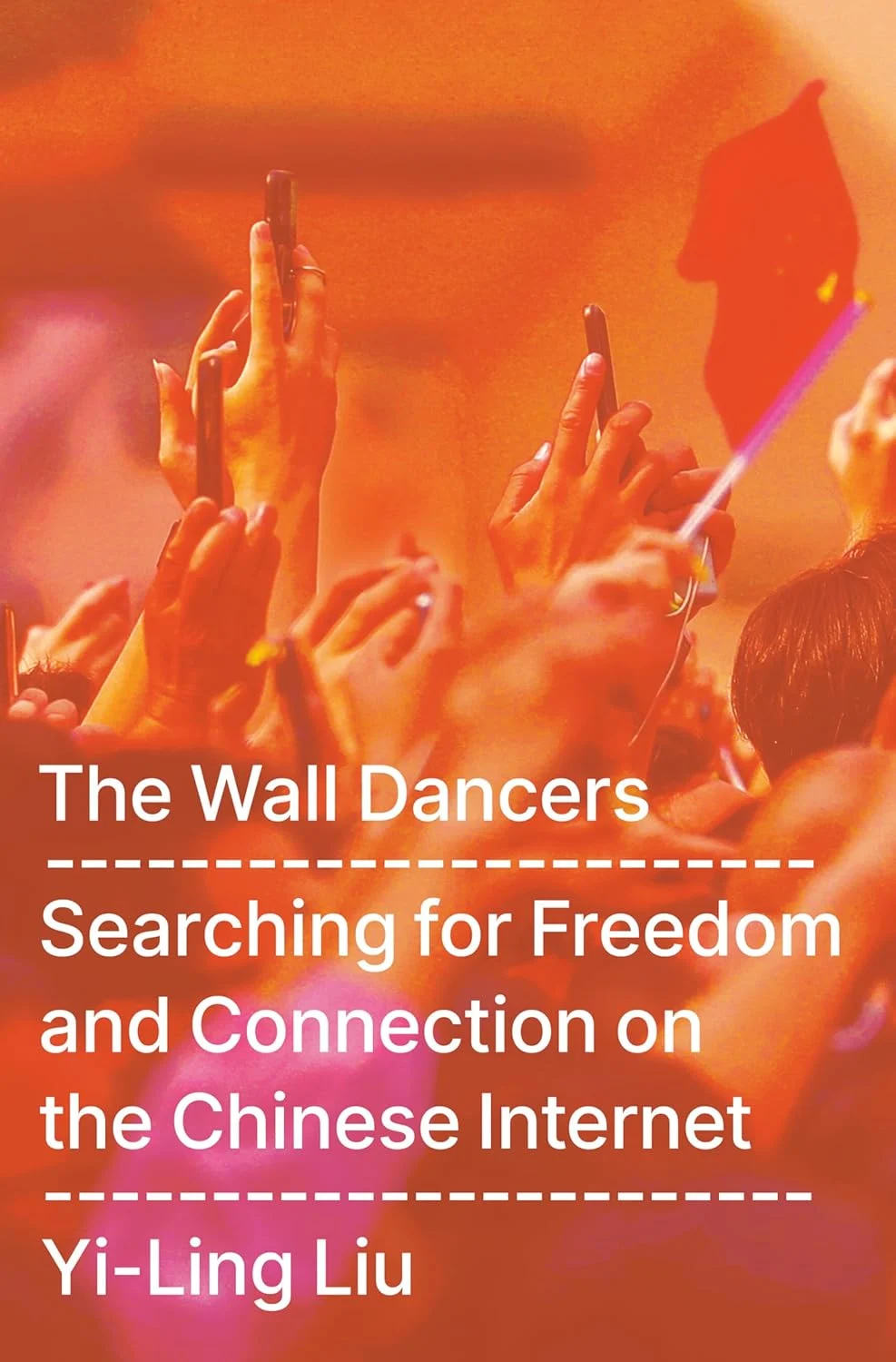
New York, NY – In an increasingly interconnected yet polarized world, understanding the nuances of nations beyond one’s own borders is paramount. Yi-Ling Liu’s new book, The Wall Dancers: Searching for Connection in a World Divided by the Internet, offers a compelling and often intimate exploration of China through the prism of its unique digital landscape and the lives of individuals who deftly navigate its intricate controls. Published by Penguin Press, the book not only sheds light on the evolution of the Chinese internet but also challenges Western audiences to critically re-evaluate their perceptions of the country, often filtered through geopolitical lenses.
Liu’s work arrives at a crucial juncture, asserting that a genuine comprehension of modern China necessitates moving beyond simplistic binaries of state control versus individual freedom. Instead, she introduces us to the "wall dancers"—ordinary and extraordinary Chinese citizens who perform a delicate, often perilous ballet between compliance and subtle defiance, using the very tools of the internet to forge connections, express identity, and even subtly critique the system.
The Digital Silk Road: China’s Internet and the Rise of Sci-Fi
The narrative opens by tracing the fascinating trajectory of Chinese science fiction, a genre that, around the mid-2010s, transitioned from a niche interest to a mainstream cultural phenomenon. This shift, according to Liu, coincided with a period of fang (loosening of state power), contrasting with shou (tightening). The Chinese government, recognizing the genre’s potential, strategically embraced science fiction, believing it could serve as a powerful vehicle to showcase "the Chinese imagination, Chinese style, and Chinese spirit." This policy decision, coupled with the global success of Liu Cixin’s The Three-Body Problem, propelled Chinese sci-fi onto the international stage, fostering a vibrant literary ecosystem.
Among the prominent voices to emerge during this era was Chen Qiufan (also known as Stanley Chan), a former tech employee whose works gained widespread recognition for their incisive social commentary. Liu posits that for writers like Chen, science fiction offered a unique sanctuary: "Writing science fiction allowed Stanley to criticize society without being tied to any side of history." This creative freedom, albeit constrained, provided a crucial "lens through which to understand the world and a vantage point from which to see a panoply of possible futures at a time when the whole country was looking ahead," as Liu eloquently describes. Chen’s ability to interpret the world through his speculative narratives, while subtly reflecting on the realities of his country, epitomizes the "wall dancer" ethos.
Navigating the Great Firewall: The Architecture of Control
Central to Liu’s analysis is the ubiquitous presence of the Great Firewall, China’s sophisticated system of internet censorship and surveillance. From its inception, the Chinese internet has been a tightly controlled environment, meticulously curated to support the Party’s agenda and "filtering out the most subversive ideas." Western platforms like WhatsApp and Twitter are replaced by state-sanctioned equivalents such as WeChat and Weibo, where users operate under constant scrutiny. The consequences for violating unspoken or vaguely defined rules—a forbidden phrase, a disruptive image—can range from a deleted post or account to severe financial repercussions or even arrest.
Liu highlights the deliberate ambiguity of these regulations, which fosters an atmosphere of pervasive self-censorship. This constant threat of punishment forces individuals to "question their actions before the Party does," embodying the Chinese metaphor of "dancing in shackles." This metaphor becomes the foundational concept of the book: "To live in China," Liu writes, "is to participate in a dance: a dynamic push and pull between state and society." The "wall dancers" are those who engage in this complex relationship, oscillating between confrontation and compliance, perpetually seeking equilibrium in a digitally policed landscape. Liu’s extensive interviews with these individuals, contextualized against broader historical and political events, lend a deeply human and intimate quality to her narrative, making the abstract concept of state control tangible through personal stories.
Portraits of Resilience: The "Wall Dancers" and Their Stories
The strength of The Wall Dancers lies in its vivid portrayal of individuals who exemplify this delicate dance. Beyond Chen Qiufan, Liu introduces a diverse cast of characters whose lives illuminate different facets of digital existence in China:
Chen Qiufan: Science Fiction as Subversion and Strategy
Chen Qiufan, as explored in the book, is a master "wall dancer." His works, while celebrated for their imaginative scope, often carry thinly veiled critiques of Chinese society. For instance, his debut novel, The Waste Tide, set on "Silicon Isle"—a fictionalized electronic waste processing hub—depicts stark class disparities, environmental degradation, and technological alienation. The protagonist’s transformation into a cyborg, advocating for marginalized communities, is a powerful allegory for resistance. Similarly, "The Fish of Lijiang," inspired by Chen’s own experiences as an overworked office employee and disillusioned tourists, paints a picture of an artificially engineered reality, where even time and nature are fabricated. Chen’s genius lies in framing these critiques within a genre that authorities often promote for its "innovation and creativity," thereby allowing him to stay true to his values while navigating official directives.
Ma Baoli: Building Community in the Shadows
Another compelling narrative is that of Ma Baoli, a former police officer who founded Blued, China’s most prominent gay dating app (since sold and renamed). Liu meticulously chronicles Ma Baoli’s journey from his early online explorations, finding solace and community in a then-stigmatized identity, to becoming a successful entrepreneur. His story underscores the internet’s power to connect marginalized communities in China, providing a lifeline where offline spaces were often hostile. Ma Baoli’s trajectory, marked by periods of cautious collaboration with the state and strategic retreat to avoid persecution, vividly illustrates the precarious balance LGBTQ+ individuals and their advocates must maintain. The Party’s intermittent tolerance, or at least indifference, allowed for momentary reprieves, fostering a fragile sense of belonging.
Voices of Dissent and Creativity: Lü Pin, Kafe Hu, and Eric Liu
The book further enriches its tapestry with stories like that of Lü Pin, the founder of the digital magazine Feminist Voices, whose activism demands extreme caution in a country where feminist discourse is increasingly suppressed. Liu notes the inherent tension in her journalistic pursuit: "To a journalist, specific details breathed life into and gave color to a story; to an activist, it meant greater risk." This highlights the courage of individuals like Lü Pin who agreed to share their experiences.
Kafe Hu, a hip-hop artist, represents the pursuit of unrestrained creative expression, grappling with the boundaries imposed on artistic freedom. Eric Liu, a former censor at Weibo, offers a rare insider’s perspective on the mechanics of digital control, revealing the human element within the apparatus of state surveillance. These diverse voices, each "dancing in shackles" in their own way, collectively paint a vibrant, multifaceted portrait of Chinese identity and resilience in the digital age.
Beyond the Firewall: Yi-Ling Liu’s Call for Nuance
Beyond individual narratives, Liu’s The Wall Dancers serves as a powerful appeal to Western audiences. She argues passionately against narratives about China that are "filtered through the lens of US national security interests," urging readers to cultivate "rigor and nuance, empathy and skepticism." This call for "better readers" is central to her project, advocating for a more informed and less prejudiced understanding of a nation often reduced to simplistic geopolitical caricatures. By presenting the complex internal dynamics of Chinese society, Liu aims to dismantle prevailing Western biases and foster a more sophisticated engagement with China.
Critical Reflections: Unpacking The Wall Dancers‘ Scope
While Liu’s research is undeniably extensive, drawing from countless online and offline resources, including original Chinese sci-fi works and their translations, the book, like any ambitious work, invites certain critical reflections.
The Implicit Audience and Assumed Knowledge
One notable observation pertains to the book’s assumed audience. Yi-Ling Liu, with her bicultural background in China and the US, possesses a unique ability to bridge these two worlds. However, this biculturalism occasionally manifests as an implicit assumption of shared knowledge, particularly regarding American political contexts. While Chinese phenomena, reforms, and their underlying motivations are meticulously explained, broad statements about American politicians and policies, such as "Trump’s vices" or "Trumpism," are presented as self-evident facts. This approach, while likely effective for a primarily American readership, might inadvertently alienate a broader international audience who could benefit from similar contextualization of US-specific references. For a truly global readership, validating or briefly explaining such statements would enhance accessibility and thoroughness.
The Exceptional vs. The Everyday: A Glimpse into Chinese Identity
Another point of consideration revolves around the representativeness of the "wall dancers" profiled. The individuals Liu features—musicians, entrepreneurs, activists, writers—are, by their very nature, exceptional. They are often highly educated, digitally savvy, and have, at some point, been fascinated by Western (primarily American) ideas, often facilitated by internet access or travel abroad. While their stories are compelling and illustrative of the "dancing in shackles" metaphor, they might not fully capture the sentiments of the "average" Chinese citizen.
The book leaves one pondering what an ordinary factory worker thinks about censorship, or if an office employee, exhausted by the relentless pace of Chinese work culture, even bothers to "jump the Firewall." Do farmers in rural areas care about Western news, or are their concerns centered on immediate survival? While Susan, the young activist in the epilogue, embodies a hopeful internal resistance, even she finds "a breath of fresh air" in New York. The narratives, while powerful, lean towards those who are actively engaged with or affected by Western ideas, either seeking refuge abroad or striving for change within. This focus, while valuable, begs the question of what constitutes the experience of those who may not share this outward-looking perspective.
Beyond the US Lens: Seeking an Authentic Chinese Narrative
Furthermore, Liu’s bicultural lens, while a profound asset, occasionally frames Chinese identity and experience primarily through its relationship with the US. While this is an undeniable and significant geopolitical dynamic, the reviewer wonders about the possibility of exploring Chinese identity independent of this comparison. Liu does touch upon various forms of patriotism, from the zealous "Little Pinks" (online nationalists) to "performative patriotism" and the "speech tax" (uttering words contrary to one’s true feelings for self-preservation). She also notes the "smug triumphalism" and "indignant pride" felt by some Chinese citizens during the early stages of the COVID-19 pandemic, contrasting China’s perceived governmental efficacy with perceived US dysfunction.
These observations spark a deeper inquiry: what does authentic Chinese patriotism truly entail, beyond state propaganda or reflexive anti-Western sentiment? If Chinese values diverge from Party values, what are they? Are they rooted in openness, a blend of traditionalism and liberalism, or something else entirely distinct? The book makes a commendable effort to dismantle the simplistic Western dichotomy of Chinese individuals as either state supporters or opponents. However, a more expansive exploration of the internal lives and perspectives of those not directly engaging with or influenced by Western ideas could offer an even more comprehensive understanding of the multifaceted Chinese identity.
Conclusion
Despite these lingering questions, The Wall Dancers stands as an indispensable contribution to understanding contemporary China. Yi-Ling Liu’s rigorous research, coupled with her empathetic storytelling, illuminates the intricate relationship between technology, governance, and individual agency in a country often misunderstood. The vivid narratives of "dancing in shackles" create a vibrant, intimate portrait that brings readers closer—if not entirely close—to the complex realities of China and its people. For anyone seeking to move beyond superficial headlines and engage with the profound human stories at the heart of China’s digital age, this book is an essential read, challenging preconceptions and fostering a much-needed nuanced perspective.