Memory Market Woes Deepen: Micron Executive Warns of Protracted Shortage Amidst AI Demand Surge
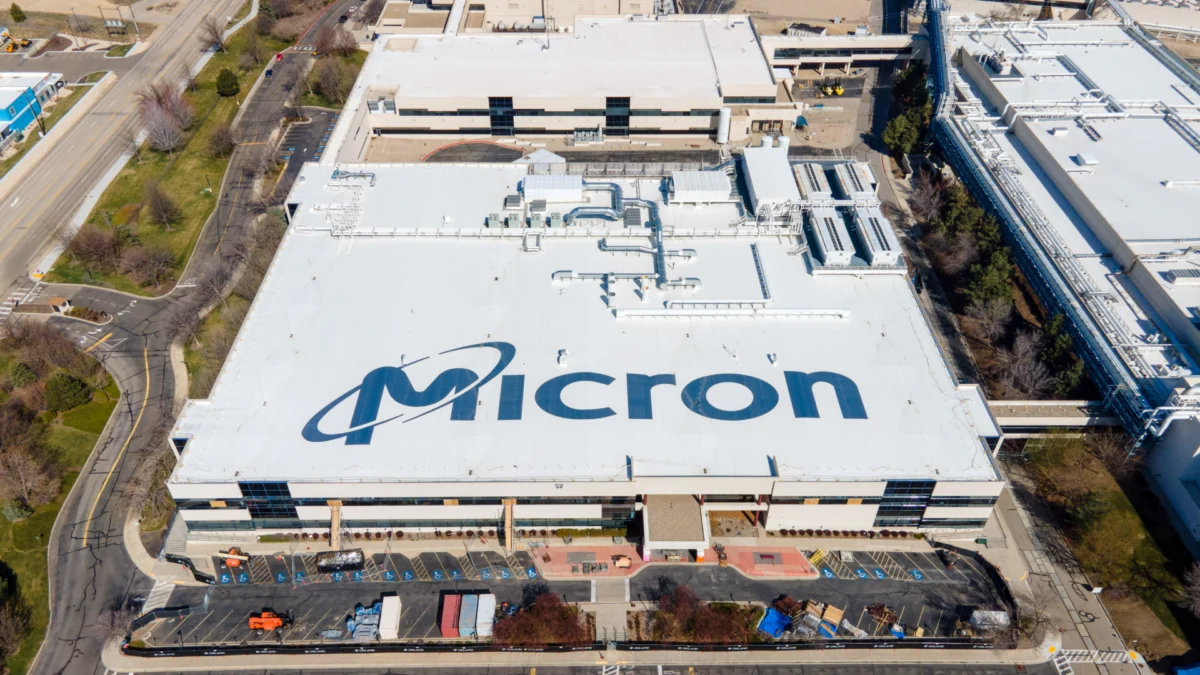
The ongoing global shortage of memory components, a significant pain point for consumers and industries alike, shows no immediate signs of abating, according to a stark warning from a senior executive at Micron Technology. Despite plans for new fabrication facilities, the complex and time-consuming nature of semiconductor manufacturing, coupled with an insatiable demand driven by artificial intelligence, points to a prolonged period of high prices and limited availability.
The AI Avalanche: A Growing Thirst for Memory
The digital landscape is currently experiencing an unprecedented surge in demand for computing power, largely fueled by the rapid advancements and widespread adoption of artificial intelligence. AI models, particularly those employed in data centers for training and inference, are voracious consumers of memory. High Bandwidth Memory (HBM), a specialized type of DRAM optimized for these high-performance applications, is at the forefront of this demand.
Sumit Sadana, Micron’s Executive Vice President and Chief Business Officer, articulated this critical dynamic during a recent technology and finance forum. He highlighted that the burgeoning demand for AI-specific memory solutions directly impacts the supply available for other sectors. "All of this growth in [AI server-critical] HBM pressures the supply that is left for everything else," Sadana explained, underscoring the zero-sum nature of current memory production capacity. This means that even as new facilities are planned, the immediate effect is a tighter squeeze on the market for standard DRAM, which affects everything from consumer PCs and smartphones to enterprise servers and gaming consoles.
Building the Future: The Herculean Task of Fab Expansion
The conventional wisdom might suggest that new fabrication plants (fabs) are the straightforward solution to increasing memory output. However, Sadana’s remarks paint a far more complex picture. The industry, he noted, has found itself in a situation where significant expansion often necessitates "greenfield expansion." This term refers to building entirely new, massive manufacturing complexes from the ground up on undeveloped land.
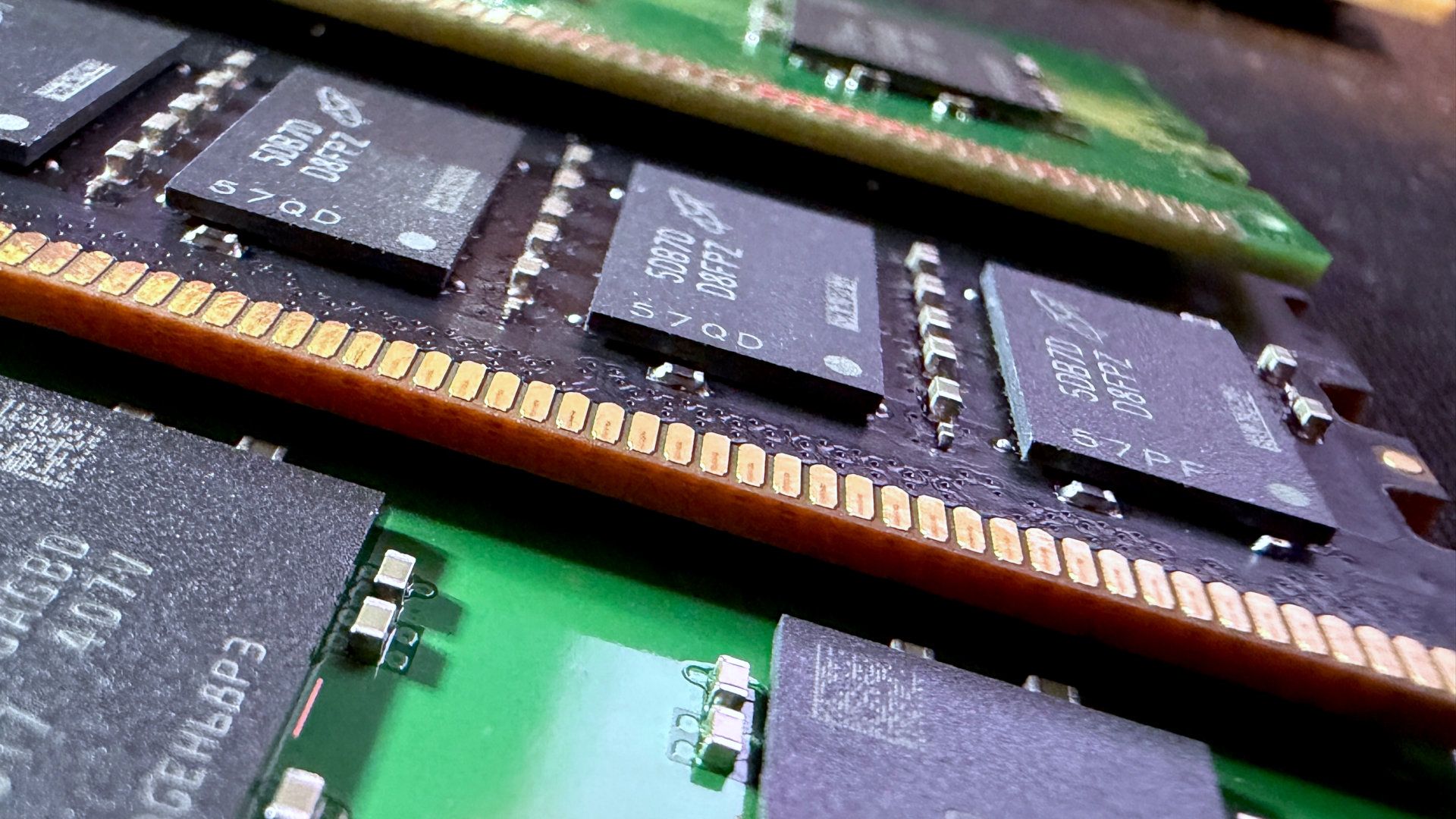
"It takes a long time because the whole industry got itself into a state where most of that expansion needed to be done in greenfield expansion," Sadana stated. "Which means you go to an empty space that is nothing but trees, and you have to create an entire massive fab cluster there. That is a very challenging endeavor."
The construction of these cutting-edge semiconductor facilities is not merely an industrial undertaking; it is described as "one of the most complex engineering projects in the world from a construction perspective." This intricate process involves securing vast tracts of land, ensuring access to critical resources like ultra-pure water and stable power, navigating stringent environmental regulations, and assembling a highly specialized workforce. Furthermore, the equipment required for advanced chip manufacturing is itself incredibly complex and costly, with long lead times for procurement and installation.
A Stark Contrast: Fabs vs. Data Centers
To illustrate the scale of the challenge, Sadana drew a sharp contrast between building a memory fab and constructing a data center, a sector that has seen rapid growth in recent years. "Building a data center—no offense to our customers—is considerably easier than building a sophisticated leading-edge technology front-end fab," he remarked.
Data centers, while requiring significant investment and technical expertise, are primarily focused on housing and connecting existing computing hardware. Their construction involves assembly and integration of components that are already manufactured. In contrast, a leading-edge semiconductor fab is a place where the very components are created, requiring an entirely different level of precision, cleanliness, and technological sophistication. The environment within a fab must be meticulously controlled to prevent even the smallest particle of dust from contaminating the delicate microchip manufacturing process. This unparalleled level of complexity contributes to the extended timelines for both construction and the subsequent ramp-up of production.
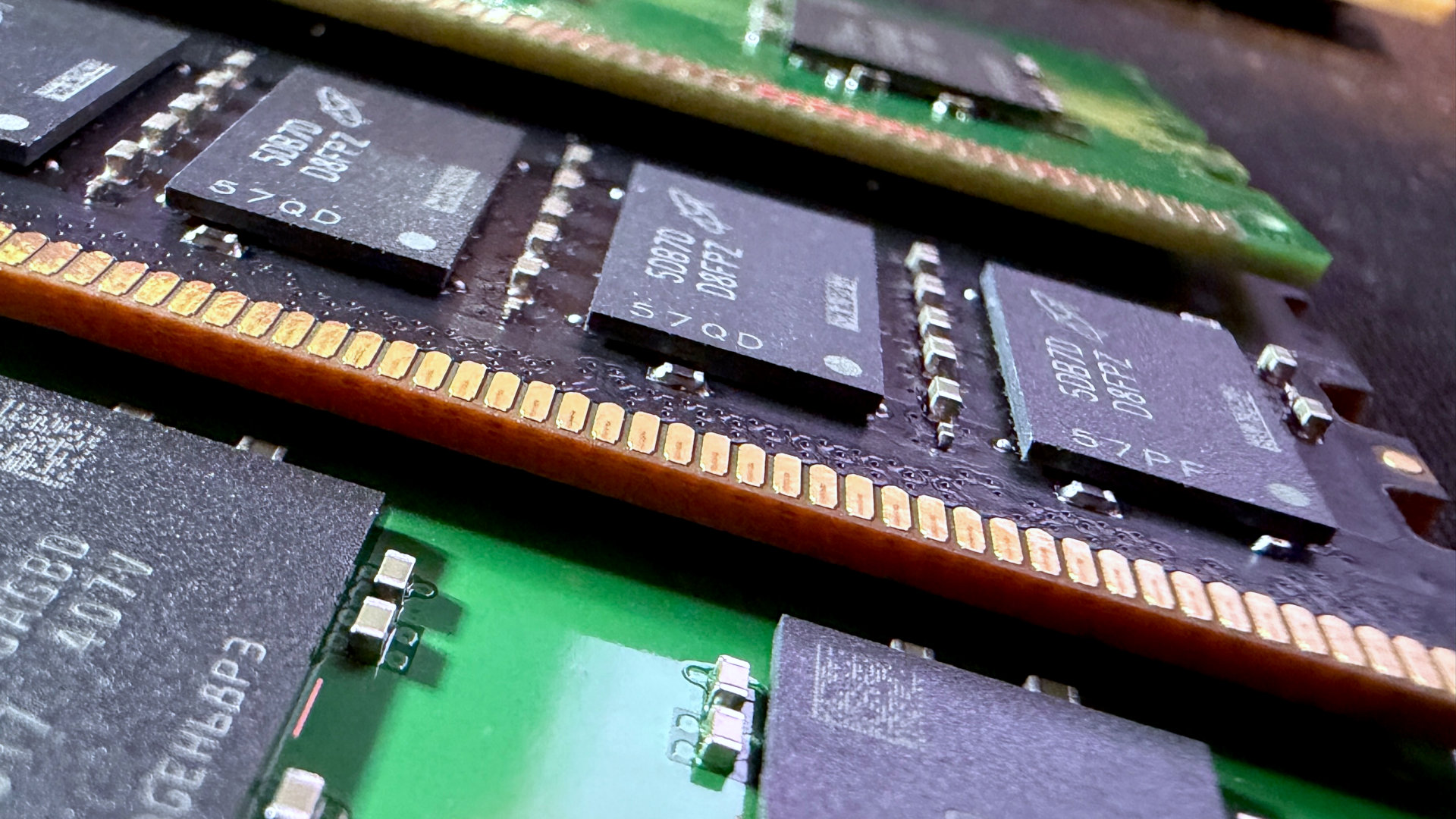
The Long Road to Recovery: No Immediate Relief in Sight
The implication of Sadana’s statements is a sobering one for consumers and businesses grappling with the current "memory crisis." The lead times for bringing new fabs online are substantial, and the process of ramping up production to full capacity is equally lengthy. "It takes a long time for these fabs to come online, and this leading-edge technology… takes a long time to ramp," he explained.
This extended timeline means that the increased supply of memory components will not materialize quickly enough to meet the surging demand. Sadana candidly admitted, "Because of all these reasons, we do not have line of sight as to when that supply vector will intersect the demand vector." In simpler terms, Micron, and by extension the broader memory market, cannot currently predict when production will catch up with demand. This lack of a clear horizon for market normalization suggests that the current state of high prices and scarcity is likely to persist for the foreseeable future.
A Global Challenge: Competitors Also Face Hurdles
It’s important to note that Micron is not alone in its efforts to expand memory production. Major competitors like SK hynix and Samsung are also investing heavily in new fabrication facilities. However, the fundamental challenges of semiconductor manufacturing are industry-wide. While these investments are crucial for long-term supply, they do not offer an immediate solution to the current bottleneck. Estimates for when these new capacities will meaningfully impact the market vary wildly, further contributing to the uncertainty.
Expert Predictions: A Spectrum of Uncertainty
The outlook for the end of the memory crisis remains a subject of considerable debate and speculation among industry analysts and former executives. Some predictions offer a glimmer of hope, suggesting a potential easing of the situation in the latter half of the next decade. For instance, a former Samsung executive once projected that the crisis could be over by the second half of the following year, attributing this optimism to a potential surge in Chinese manufacturing capacity.
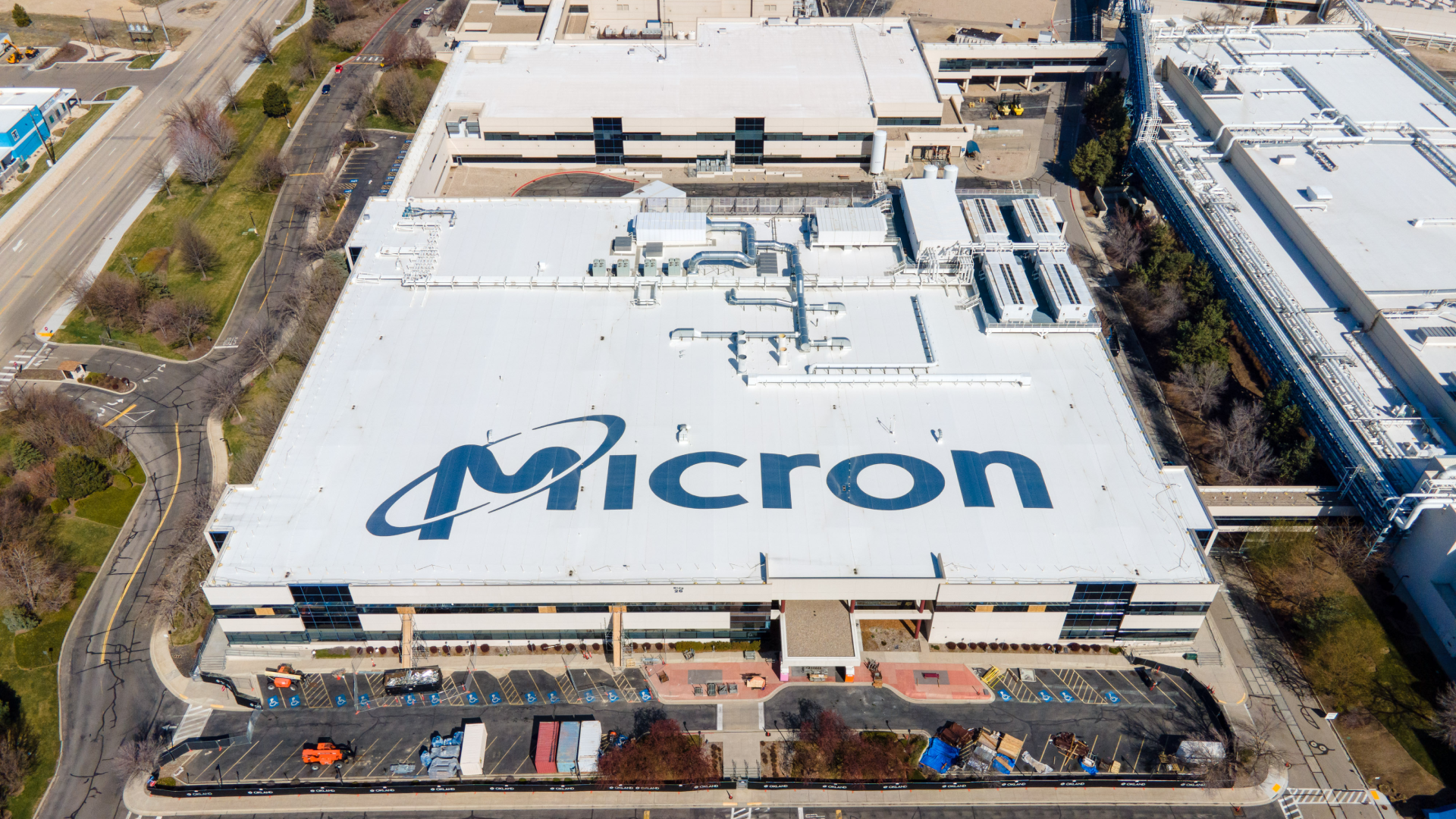
However, other analyses paint a more dire picture. Researchers have warned of memory demand shortfalls so significant that even the current global DRAM capacity would be insufficient to cover the additional needs. These projections extend the potential duration of the crisis well into the next decade, with some forecasts placing the resolution as far out as 2030 and beyond. This wide disparity in predictions underscores the inherent volatility and complexity of the global memory market.
Potential Wildcards and the Lingering Uncertainty
While the immediate future appears challenging, there are a few potential factors that could influence the trajectory of the memory market. The development of new, more memory-efficient AI models could potentially alleviate some of the pressure on HBM. If these models can achieve similar or superior performance with less memory, it could free up capacity for other applications.
Alternatively, there is the ever-present possibility of a broader economic downturn or a significant slowdown in AI investment, which could temper demand. Some analysts have expressed concerns about the sustainability of the current AI boom, likening it to a speculative bubble that could eventually burst. Such a scenario, while potentially detrimental in other ways, could lead to a surplus of memory components as demand falters.
However, barring these unforeseen shifts, the prevailing sentiment is one of sustained scarcity. As the original article bluntly puts it, "Failing that, it’s difficult to find a silver lining. As you were, folks. We’re in it for the long haul, it seems."
Conclusion: A Long Haul for Consumers and Industries
The current memory crisis, exacerbated by the insatiable appetite of artificial intelligence, presents a formidable challenge for the global technology sector. Micron’s candid assessment from Sumit Sadana serves as a crucial reminder that increasing semiconductor manufacturing capacity is a slow, complex, and capital-intensive endeavor. While new fabs are indeed on the horizon, their contribution to alleviating the current shortage will be gradual at best. Consumers and businesses can expect elevated prices and limited availability of memory-dependent devices and systems to continue for an extended period. The intersection of soaring AI demand and the intricate realities of semiconductor fabrication dictates a prolonged period of market strain, with no easy solutions in sight. The industry, and by extension, its customers, appear to be bracing for a long haul.