Blood Dungeon: A New Contender in the "Bullet Heaven" Arena Poised for Cult Classic Status
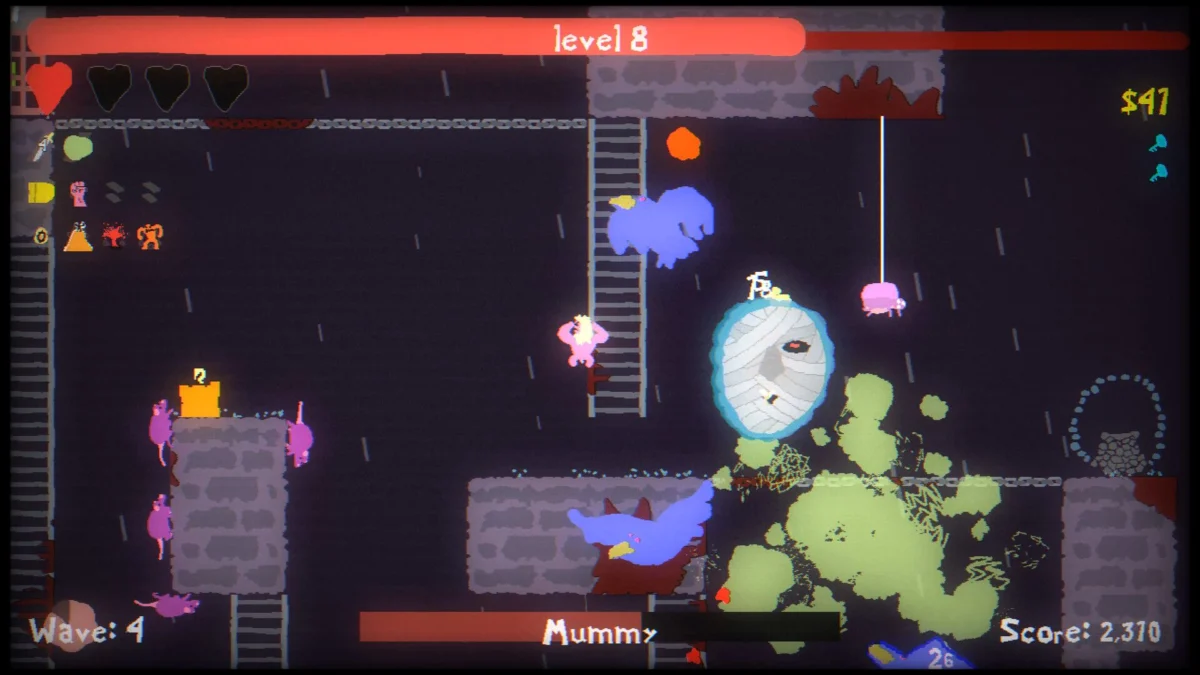
The indie game scene is abuzz with anticipation for "Blood Dungeon," a new title that expertly blends the addictive "bullet heaven" mechanics of Vampire Survivors with the challenging precision of a 2D platformer. Set to launch on August 25th, this promising game from Messhof, the acclaimed developer behind Nidhogg and Wheel World, has already captured the attention of players and critics alike, hinting at a potential breakout hit that could redefine the burgeoning genre.
The Genesis of a Genre and a Personal Revelation
The meteoric rise of Vampire Survivors, a seemingly simple yet profoundly addictive indie title, has undeniably carved out a new niche in the gaming landscape: the "bullet heaven" or "reverse bullet hell" genre. This subgenre, characterized by overwhelming waves of enemies, automatic weapon fire, and a constant pursuit of power-ups, has captivated players seeking an engaging and often therapeutic gaming experience. For many, myself included, Vampire Survivors offered more than just engaging gameplay; it provided a sanctuary from the anxieties of daily life. Its ability to induce a state of "flow," where hours melt away unnoticed, made it an ideal escape during long commutes and downtime.
This personal revelation underscores the potent impact of games that can so effectively immerse players, offering a unique blend of challenge and catharsis. The allure lies in the elegantly designed feedback loop: survive the onslaught, gain experience, upgrade your arsenal, and become an even more formidable force against the ever-increasing tide of enemies. This addictive cycle has spawned a wave of similar titles, including notable entries like Brotato and Megabonk. While these games have offered their own unique takes on the formula, none have quite managed to replicate the specific magic that made Vampire Survivors such a phenomenon.
A Promising New Challenger Emerges: Blood Dungeon
However, the landscape of the "bullet heaven" genre may be on the cusp of a significant shift. In just two weeks, on August 25th, Messhof is set to release Blood Dungeon, a title that boldly ventures into this increasingly crowded space. While the genre is replete with games offering similar core mechanics, Blood Dungeon possesses a unique blend of elements that suggest it has the potential to transcend its contemporaries and achieve genuine breakout success. The early indicators are strong, with the game already making a significant impression on those who have had the chance to experience it firsthand.
The core gameplay loop of Blood Dungeon initially presents itself as a familiar homage to its genre progenitors. Players navigate dynamic maps, strategically evading swarms of enemies while their weapons unleash a constant barrage of automatic attacks. Upon leveling up, players are presented with a choice of three distinct upgrades, allowing for strategic build customization. Furthermore, the serendipitous discovery of treasure chests offers additional perks and power-ups, further enhancing the player’s combat capabilities.
What truly sets Blood Dungeon apart, however, is its innovative integration of 2D platforming mechanics. This crucial distinction elevates the gameplay beyond a simple top-down survival experience. Players must now contend with environmental hazards, strategic use of platforms, and agile dodging maneuvers, all while simultaneously managing the chaotic onslaught of monsters. This fusion of genres introduces a compelling layer of complexity, demanding a higher degree of player engagement and skill. The result is a gameplay experience that is both familiar in its addictive loop and refreshingly novel in its execution.
A Summer Game Fest Sensation: Early Impressions and Player Buzz
My own introduction to Blood Dungeon occurred amidst the vibrant energy of Summer Game Fest. Tucked away in a less-trafficked corner, it felt like a hidden gem waiting to be discovered. Armed with a Steam Deck and a healthy dose of curiosity, I dove into one of its challenging dungeons. The experience was, in a word, transformative. The familiar sensation of "time travel," where minutes stretch into hours, was instantly rekindled. The simple yet intuitive controls, coupled with the game’s delightfully crude yet charming visual aesthetic, evoked the same sense of wonder and exhilaration I felt when first encountering Vampire Survivors. The alluring presence of leaderboards further fueled a competitive spirit, encouraging repeated playthroughs in pursuit of optimal runs.
This sentiment was not confined to my personal experience. Throughout the three-day event, I engaged in conversations with numerous attendees who shared a similar enchantment with Blood Dungeon. By the final day, a recurring theme emerged: many had shortlisted it as a potential "Game of the Show." This positive buzz continued to ripple outwards in the following week as players discovered the publicly available demo on Steam. The burgeoning word-of-mouth surrounding Blood Dungeon echoes the gradual, organic ascent that propelled titles like Balatro from indie darling to a full-blown gaming phenomenon. This collective enthusiasm from players and critics alike serves as a powerful testament to the game’s potential to capture the hearts and minds of a broad audience.
A Deeper Dive into Gameplay Mechanics and Design Philosophy
The success of any "bullet heaven" game hinges on its ability to balance overwhelming odds with player agency. Blood Dungeon appears to have mastered this delicate equilibrium. The platforming element introduces a verticality and spatial awareness that is often absent in its contemporaries. Players are not merely reacting to incoming threats; they are actively engaging with the environment, using it to their advantage for evasion and strategic positioning. This adds a layer of depth that requires players to think on their feet, anticipating enemy movements and planning their platforming routes simultaneously.
The visual style, described as "delightfully crude," is a deliberate choice that contributes to the game’s charm and accessibility. In an era of hyper-realistic graphics, a more stylized and minimalist approach can often foster a unique identity and ensure that the game runs smoothly across a variety of hardware. This aesthetic choice also allows the gameplay mechanics to remain the primary focus, preventing visual clutter from detracting from the core experience. The "crude" visuals, in this context, are not a sign of unfinished development but rather a deliberate artistic direction that prioritizes gameplay and a retro-inspired charm.

The upgrade system, a cornerstone of the "bullet heaven" genre, is another area where Blood Dungeon promises to deliver. The choice between three upgrades at each level-up provides meaningful decisions that can significantly alter a player’s build and playstyle. This introduces a strategic element that encourages experimentation and replayability. Players can tailor their character to specific strengths, whether it be maximizing damage output, enhancing survivability, or focusing on crowd control. The potential for synergistic combinations of weapons and passive abilities adds another layer of depth, allowing for emergent gameplay and unique character builds.
The Impact of Early Access and Community Engagement
The availability of a free demo on Steam prior to the official launch is a crucial strategy for Blood Dungeon. This allows players to experience the game firsthand, generate buzz, and provide valuable feedback to the developers. This early engagement with the community is vital for refining gameplay, identifying potential bugs, and fostering a sense of ownership among the player base. The overwhelmingly positive reception of the demo indicates that Messhof has struck a chord with players, and the anticipation for the full release is palpable.
The success of Vampire Survivors was, in part, fueled by its early access period and the active involvement of its developer, Poncle. This approach fostered a loyal community and allowed the game to evolve based on player feedback. It is highly probable that Messhof is employing a similar strategy with Blood Dungeon, aiming to cultivate a dedicated fanbase and ensure the game’s long-term success. The "cult classic" potential of Blood Dungeon is not merely speculative; it is rooted in a proven development model and a game that demonstrably resonates with players.
Looking Ahead: The Future of Blood Dungeon and the Genre
The upcoming release of Blood Dungeon on August 25th marks a pivotal moment for both the game and the "bullet heaven" genre. By expertly weaving platforming elements into the addictive core loop of Vampire Survivors, Messhof has created a title that is both familiar and refreshingly innovative. The early positive reception, coupled with the game’s strategic depth and charming aesthetic, positions Blood Dungeon as a strong contender for cult classic status.
The implications of Blood Dungeon‘s success extend beyond its own immediate impact. A strong showing from this title could further legitimize the "bullet heaven" genre, encouraging more developers to experiment with its core mechanics and explore new creative avenues. The fusion of genres demonstrated by Blood Dungeon offers a blueprint for future innovation, proving that established formulas can be expanded upon and revitalized with thoughtful design and a commitment to player engagement. As the gaming world eagerly awaits its release, Blood Dungeon stands poised to not only satisfy the cravings of existing genre enthusiasts but also to attract a new wave of players captivated by its unique blend of challenging gameplay and addictive fun. The future of the "bullet heaven" arena just got a lot more interesting.