Mastering the Virtual Mook Yan Jong: An In-Depth Analysis of TaoLu and the Evolution of VR Martial Arts
The intersection of physical fitness and immersive technology has reached a new milestone with the release of TaoLu, a specialized martial arts simulator developed by The Game Forger. Released in late July 2026, the title seeks to transcend the traditional "rhythm-boxing" genre by introducing authentic martial arts forms—specifically the Southern Chinese art of Wing Chun—into the virtual reality ecosystem. By transforming the user’s living room into a digital kwoon (training hall), TaoLu represents a significant shift in how developers approach the "gamification" of physical discipline.
Main Facts: The Core of the TaoLu Experience
TaoLu is positioned as a niche but highly accessible fitness tool designed for both enthusiasts of martial arts cinema and serious practitioners looking for a supplementary workout. Unlike broad-spectrum boxing simulators that focus on caloric burn through repetitive punching, TaoLu emphasizes form, precision, and the specific hand geometry required for traditional combat.
Key Specifications
- Developer: The Game Forger (known for Aliens Attack VR and Danger Room VR).
- Platforms: Meta Quest (specifically optimized for Quest 3) and Steam VR.
- Price Point: $6.99 (Meta Quest) / $5.99 (Steam), positioning it as an "affordable luxury" in the VR fitness category.
- Release Dates: July 23, 2026 (Meta Quest) and July 24, 2026 (Steam).
- Core Mechanic: A virtual wooden dummy (Mook Yan Jong) simulator utilizing gesture-based controls to differentiate between closed-fist strikes and open-palm chops.
The game’s primary draw is its fidelity to the TaoLu—the set of routine movements or "forms" found in Chinese martial arts. By focusing on the wooden dummy, a staple of Wing Chun training popularized globally by the Ip Man film franchise, the game provides a stationary but reactive target that demands spatial awareness and technical accuracy.
Chronology: From Arcade Shooters to Martial Arts Discipline
The journey of TaoLu’s development is a reflection of the maturing VR market. To understand the game’s current state, one must look at the trajectory of its developer, The Game Forger.
The Early Phase: Arcade Foundations
The Game Forger initially built its reputation on high-octane, arcade-style experiences. Titles like Aliens Attack VR focused on basic spatial tracking and "twitch" reflexes. These early projects allowed the studio to master the physics of projectile tracking and hit-box registration—essential components for what would eventually become TaoLu.
The Transition: Training Simulations
With the release of Danger Room VR, the studio began experimenting with the concept of "training environments." This period marked a shift from pure entertainment to functional simulation. The developers realized that the Meta Quest’s inside-out tracking was becoming sufficiently sophisticated to track not just where a hand was, but how the hand was positioned.
The Realization of TaoLu (2025–2026)
Development for TaoLu began in earnest in early 2025. Inspired by the resurgence of interest in Wing Chun and the legendary lineages of Bruce Lee and Donnie Yen, the team sought to create a "digital sensei." The goal was to move away from the "floating glove" aesthetic of boxing games toward a more grounded, culturally resonant experience. By July 2026, the game launched on major platforms, offering a specialized alternative to the saturated rhythm-game market.
Supporting Data: Mechanics, Modes, and Technical Infrastructure
TaoLu distinguishes itself through a rigorous mechanical framework that rewards technical proficiency over raw speed. The software utilizes the capacitive sensors and triggers of modern VR controllers to simulate hand positions that are vital to martial arts.
The Gesture Control System
One of the most innovative aspects of TaoLu is the binary hand-state system:
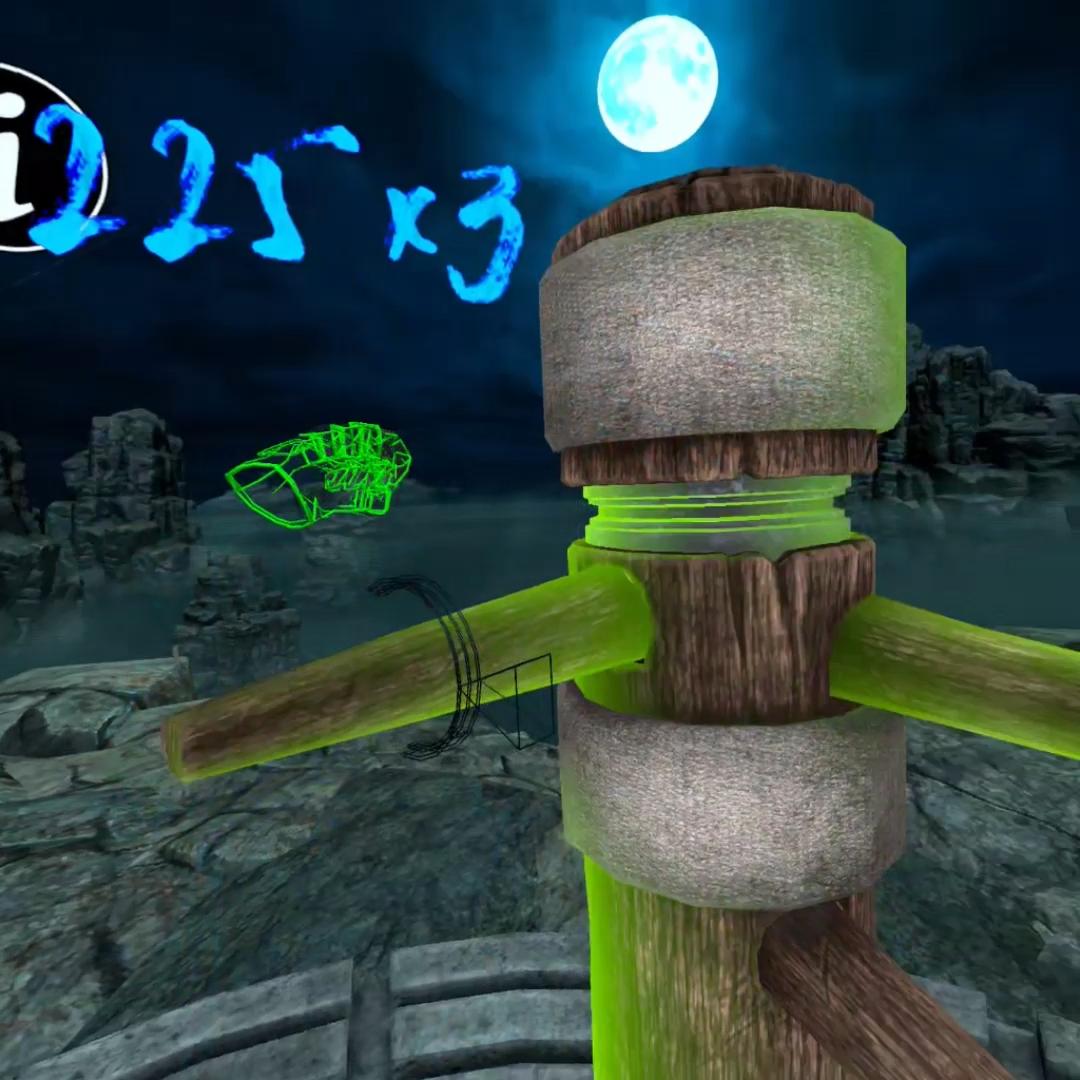
- Closed Fist: Triggered by squeezing the controller triggers, used for traditional punches and power strikes.
- Open Chop: Triggered by releasing the fingers or holding the controller with an open grip, simulating the "Knife Hand" (Saam Kok Paak) techniques essential to Wing Chun.
This requirement for gesture switching adds a cognitive load that standard boxing simulators lack, forcing the brain to coordinate specific finger movements with arm extensions.
Analysis of Gameplay Modes
The software is divided into five distinct modules, each serving a different pedagogical or fitness purpose:
- Wing Chun Mode: This is the flagship experience. It guides players through actual sequences used by historical masters. It serves as a digital preservation of form, allowing users to feel the flow of a traditional dummy set.
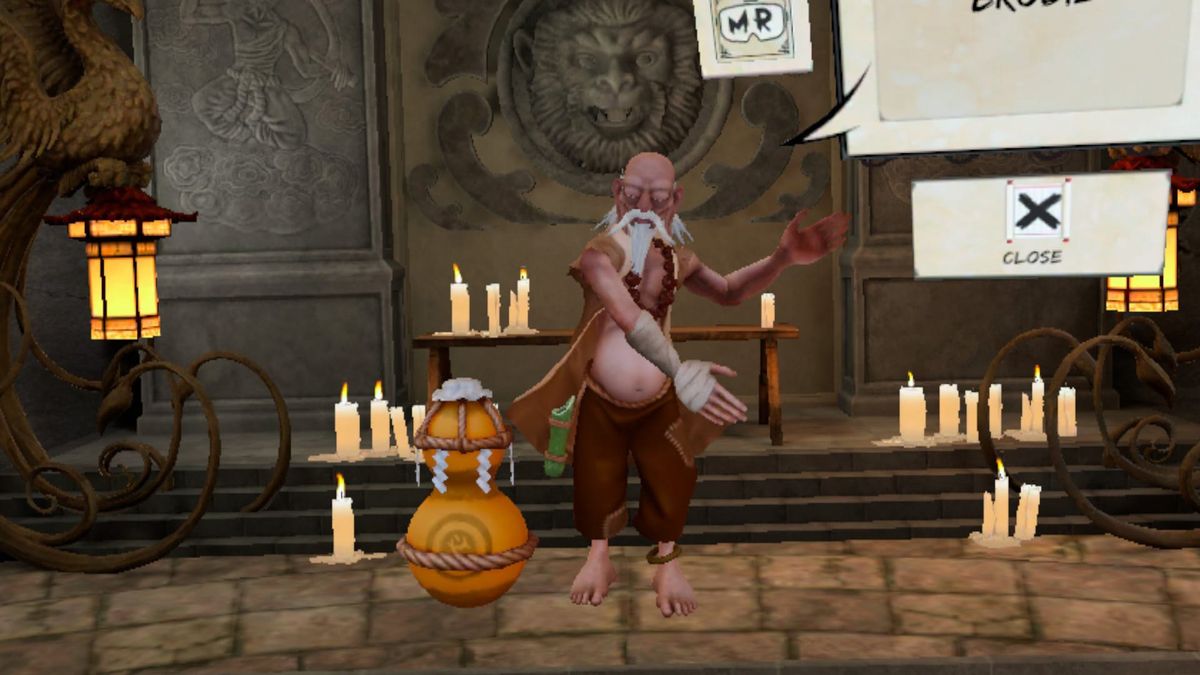
- Accuracy Mode: A high-precision module where the "Sensei" (a cartoonish but technically accurate avatar) provides prompts. Success is measured by how closely the player’s strike aligns with glowing green targets on the dummy.
- Time and Survival Modes: These represent the "gamified" elements. Time Mode challenges users to complete sets within strict limits, while Survival Mode acts as an endurance test where a single error ends the session.
- Free Play: A sandbox mode that removes the UI, allowing practitioners to use the virtual dummy for their own self-directed drills.
Environmental Design and Mixed Reality
The visual data of TaoLu is designed to induce a "flow state." Players can choose between stylized Asian-themed environments—such as tranquil mountain temples or walkways lined with cherry blossoms—or utilize the Mixed Reality (MR) Mode. The MR functionality is particularly significant for safety; it allows the virtual dummy to be anchored within the user’s actual room, preventing the common "VR injury" of striking real-world furniture during an intense session.
Official Responses and Developer Philosophy
While The Game Forger has maintained a lean public relations presence, their design choices speak to a philosophy of "Accessible Authenticity." In documentation accompanying the release, the developers emphasized that TaoLu is not intended to replace a physical martial arts instructor but to serve as a "supplemental tool for muscle memory."
Addressing the Technical Challenges
The developer has acknowledged certain technical hurdles inherent in current-gen VR hardware. Early user reports indicated issues with "spawn drifting," where the player might appear outside the optimal striking range of the dummy. The Game Forger’s technical team has responded by emphasizing the importance of the "guardian boundary" setup, noting that the game’s precision requires a stable, calibrated play space.
Furthermore, the "clipping" issues observed in the menu system—where the sensei avatar’s options might overlap with the environment—have been identified as areas for future patches. The official stance from the development team is that TaoLu is a "living software" that will evolve based on the telemetry data provided by the leaderboard systems.
Implications: The Future of Martial Arts in the Metaverse
The release of TaoLu carries implications that extend beyond the $6.99 price tag. It signals a shift in the "Home Fitness" paradigm and the "Digital Heritage" of martial arts.
1. The Democratization of Specialized Training
Traditional martial arts training often requires expensive equipment (a high-quality wooden dummy can cost upwards of $800) and access to a local dojo. TaoLu lowers the barrier to entry significantly. While it cannot provide the tactile resistance of real wood, it provides the pattern recognition and rhythmic timing necessary for the art, making it accessible to a global audience regardless of their socioeconomic status.
2. Biomechanical Feedback and Data-Driven Fitness
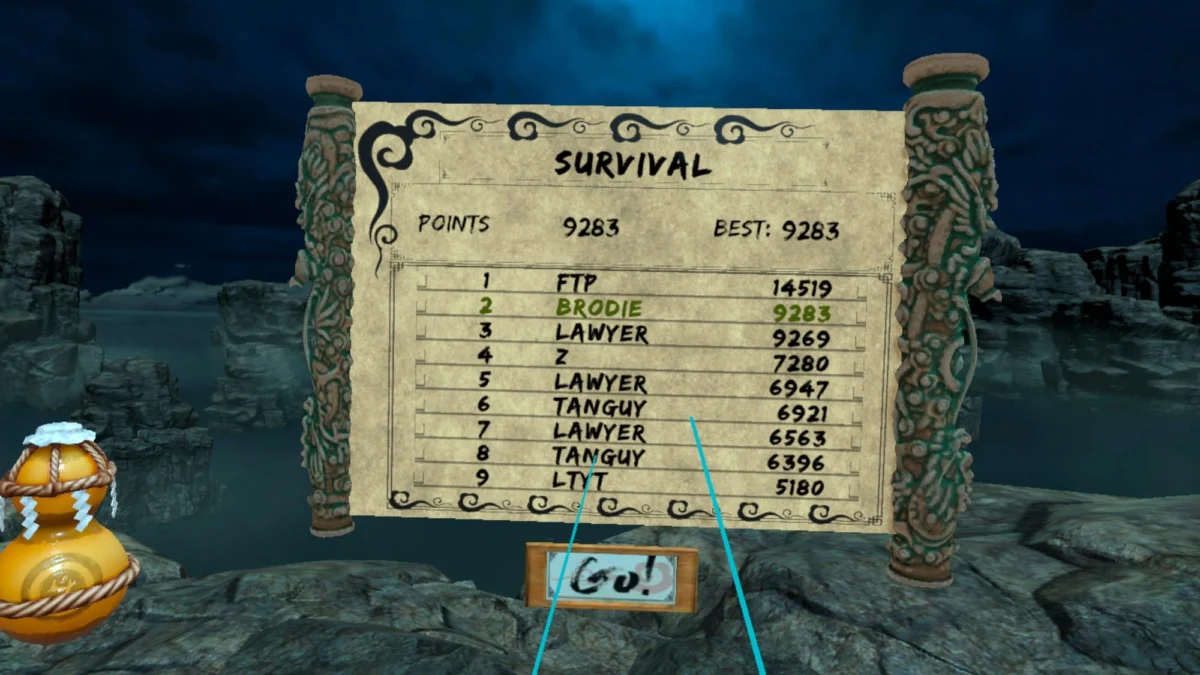
By utilizing online leaderboards and the "Golden Buddha" ranking system (where players are graded in three categories to advance), TaoLu introduces a competitive element to form-based training. This data-driven approach allows users to track their "Accuracy vs. Speed" ratio, a metric that is often difficult to quantify in traditional solo practice.
3. The Integration of Mixed Reality (MR) in Daily Life
The success of the MR mode in TaoLu suggests that the future of VR fitness lies in "Augmented Reality" rather than "Virtual Reality." By keeping the user connected to their physical surroundings while overlaying the training dummy, TaoLu solves the "isolation" problem of VR, making it a more viable option for parents or individuals in smaller living spaces who need to remain aware of their environment.
4. Technical Maturation
As VR headsets move toward better hand-tracking (removing the need for controllers entirely), games like TaoLu are poised to become even more realistic. The transition from "trigger-squeezing" to "actual finger tracking" will be the next frontier for this title, potentially allowing for even more complex hand positions like the "Hook Hand" or "Crane Wing."
Conclusion: A New Chapter for the Virtual Dojo
TaoLu is a testament to the power of focused, niche development. It does not try to be a sprawling RPG or a chaotic shooter; instead, it masters a single, specific interaction: the strike against the dummy. While technical glitches like menu clipping and occasional spawning errors remind us that VR is still an evolving medium, the core experience is solid.
For the price of a cup of coffee, TaoLu offers a bridge between the ancient traditions of Wing Chun and the cutting-edge future of spatial computing. It proves that with the right intent, technology doesn’t just distract us from our bodies—it can teach us how to master them. Whether you are looking to channel your inner Bruce Lee or simply find a more engaging way to stay active, TaoLu provides a zen-like, effective, and culturally rich doorway into the world of virtual combat.