Unlocking Artistic Potential: How Artists Discover Their Breakthrough Moments
Every artist embarks on a unique journey, often punctuated by moments of profound clarity – epiphanies that reshape their creative process and reveal new avenues of expression. These pivotal realizations, though sometimes subtle, can be transformative, leading to a more authentic and potent artistic practice. This article delves into the experiences of several accomplished artists, exploring the key moments of insight that redefined their approach to art. From mastering line work and understanding color to embracing mixed media and refining compositional strategies, these artists share the turning points that propelled their careers forward.
The Genesis of Artistic Revelation
The artistic path is rarely a straight line. It’s a winding road filled with experimentation, challenges, and, for many, a series of "aha!" moments. These breakthroughs aren’t always dramatic overnight transformations, but rather a gradual accumulation of understanding, often sparked by an observation, a piece of advice, or the discovery of a new technique. These moments often unlock a deeper connection to their work, allowing them to express their vision with greater confidence and skill.
For character designer Hugo Richard, the search for a resonant creative process spanned years. His breakthrough arrived when he observed another artist meticulously building a rendered piece, starting with incredibly detailed line work and flat colors. This method immediately clicked with Hugo. "With flat colors, I learned how to control mood through saturation and temperature," he explained. This realization allowed him to gain a more profound understanding of color theory and its impact on emotional resonance within an artwork.
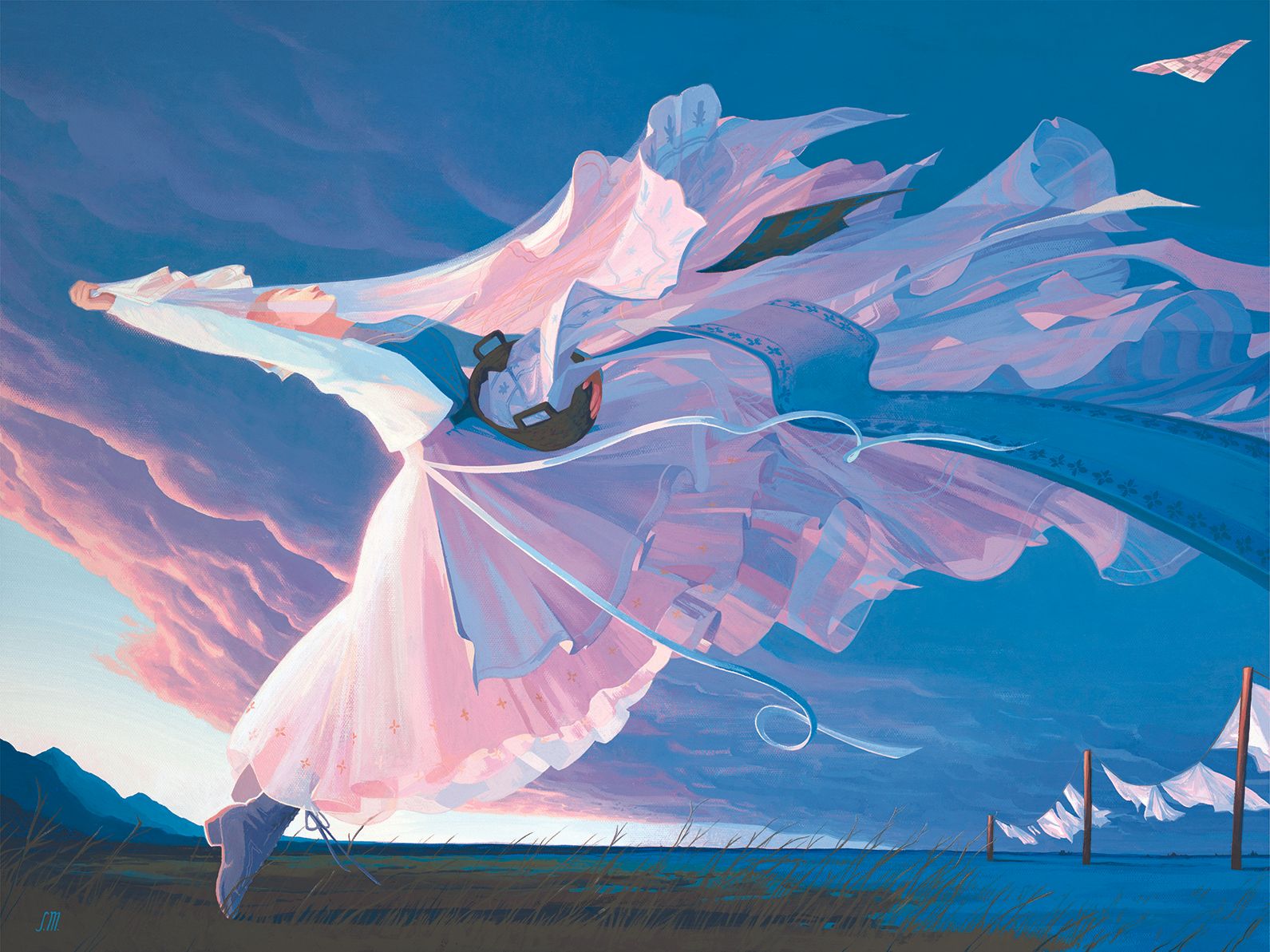
Hugo’s appreciation for line work deepened when a friend pointed out its significance in his existing pieces. This encouragement led him to study the work of Charles Bargue. "I was truly impressed by how he was able to distribute weight just with simple lines, and to control the thickness of the line to show volume without any shading," Hugo recalled. Bargue’s mastery of line as a tool for conveying form and volume provided Hugo with a new framework for his own linework, emphasizing its expressive potential beyond mere delineation.
Another pivotal moment for Hugo came with the discovery of Andrew Loomis’s classic book, Drawing the Head and Hands. "At the time I had a basic understanding of building structure, but I didn’t realize I could build a face in geometric forms," Hugo shared. Loomis’s foundational approach to constructing faces and figures using geometric shapes provided Hugo with a robust understanding of volume and form. "It was my first confidence boost in trying to approach light and shadow from a geometrical perspective," he added, highlighting how this book provided him with the fundamental tools to tackle complex three-dimensional forms on a two-dimensional surface.
Expanding the Palette: Embracing New Mediums and Techniques
The evolution of an artist’s style is often intertwined with their willingness to experiment with different mediums and techniques. Stepping outside of comfort zones and embracing new approaches can lead to unexpected discoveries and a richer artistic vocabulary.
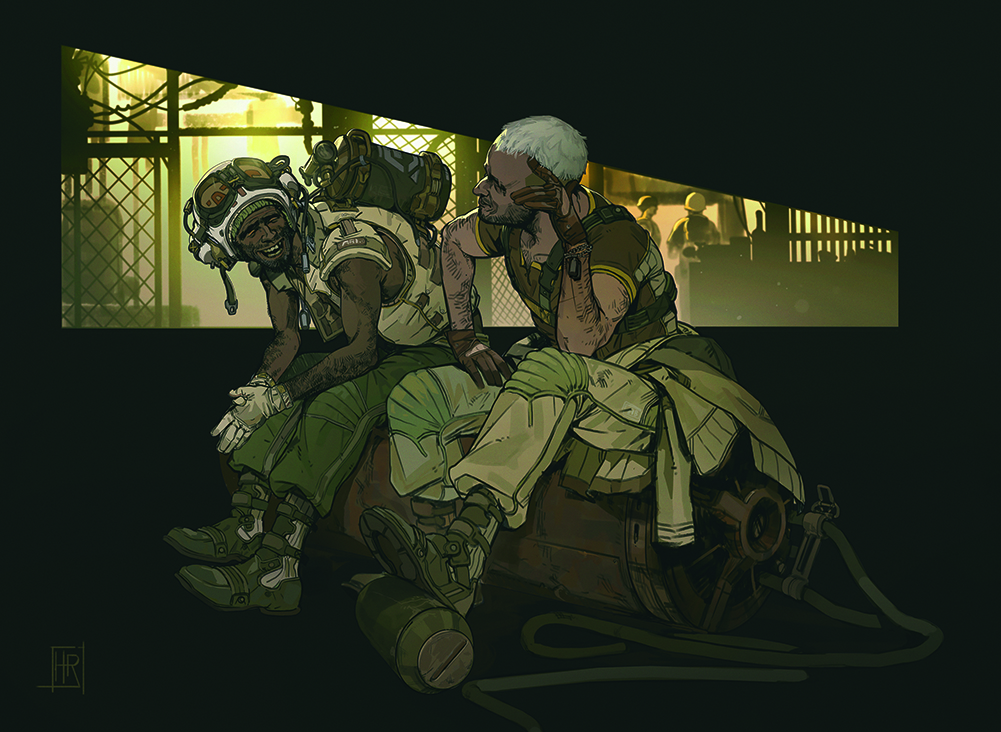
Illustrator Serena Malyon found her creative voice by embracing mixed media. Her epiphany arrived when she realized she didn’t need to adhere strictly to one medium. "When I realized that I didn’t have to be a watercolour purist, and that I could combine different mediums to create the look I wanted, I started making some really weird and unique artwork," she said. This liberation from purist constraints allowed her to blend the best of different worlds.
Serena elaborated on her process: "I handle colour most easily in watercolour, so I do a base painting in that medium. Then I go over it with either traditional acryla gouache, or digital paint to refine it and fix mistakes. Allowing myself not to be a watercolour/media purist has given me permission to have a lot of fun and experiment in my work. I’ve found a way of working that feels the most authentic to me." This multi-disciplinary approach not only expanded her technical capabilities but also infused her work with a unique character and personal touch.
The Power of Thumbnails and Color Wheels: Strategic Approaches to Composition and Palette
Beyond mastering individual techniques, artists often find significant growth by adopting strategic workflows that enhance their decision-making processes. These methodologies can streamline creativity and lead to more cohesive and impactful final pieces.
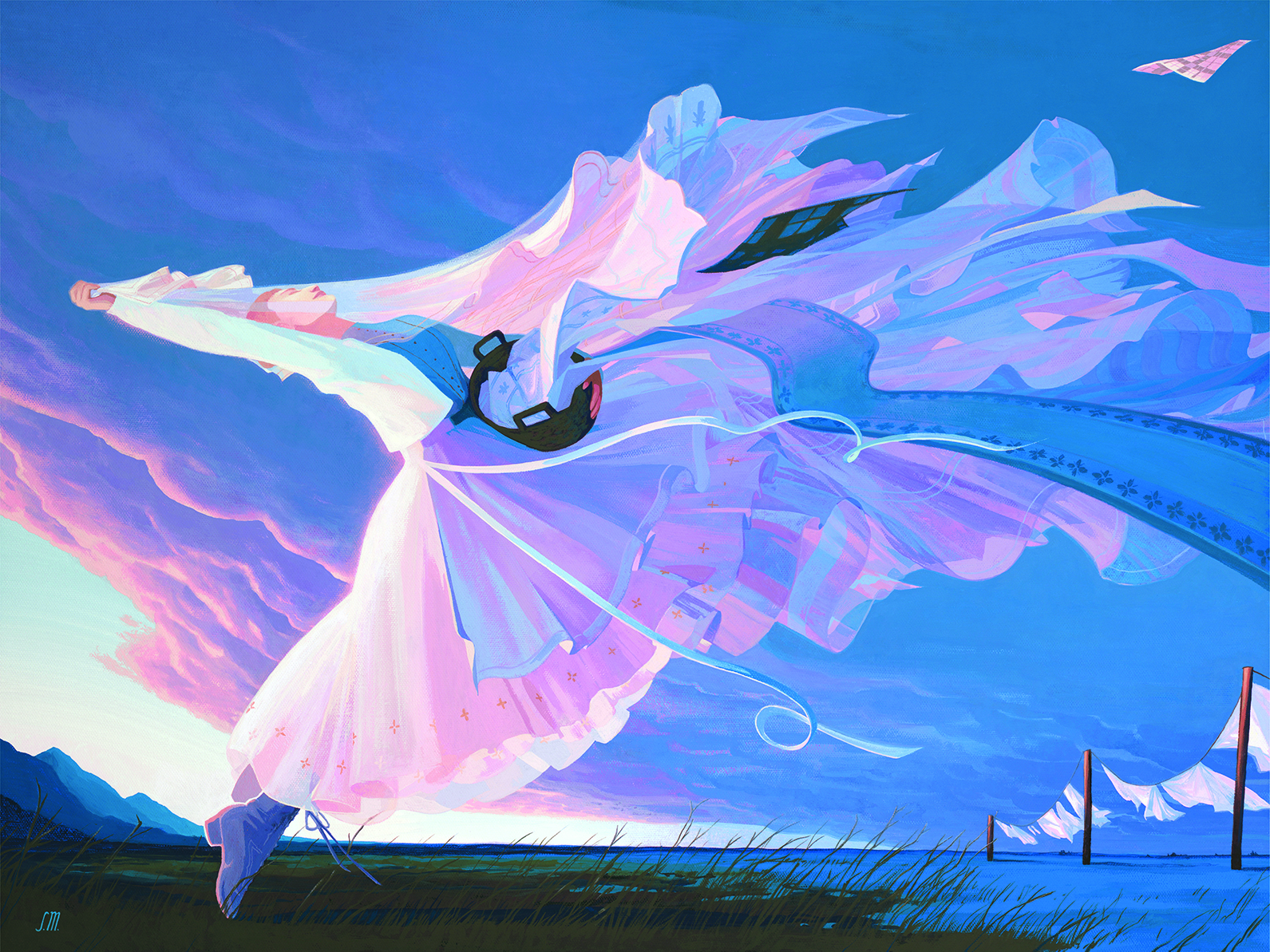
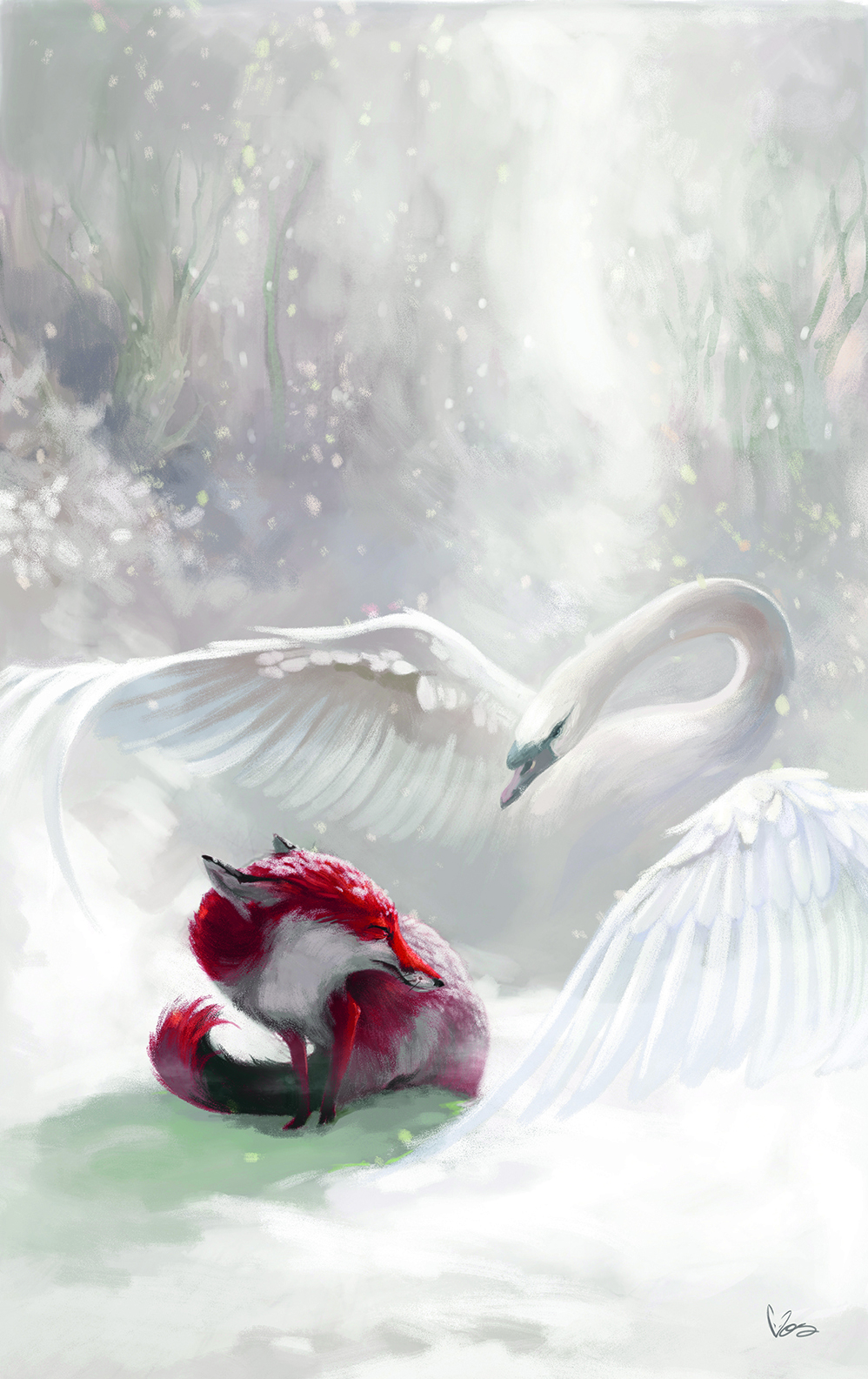
Art director and visual development artist Caroline Vos experienced a significant shift in her workflow after a conversation with creative director Bobby Chiu. Chiu revealed his use of Photoshop’s Navigator tool as a thumbnail to quickly assess compositions. "I built on the idea and started creating many small thumbnails on a single canvas," Caroline explained. This practice became a "massive game-changer for working fast."
Caroline highlighted the benefits: "not allowing myself to get bogged down in details, fleshing out compositions that worked; finding the big shapes and giving myself multiple options to choose from; as well as bagging some nice compositions for future ideas. The beauty of it is that you can resolve big issues fast and then increase the selected thumbnail to canvas size, knowing that the bones of the artwork are in place and working." This approach allowed her to iterate rapidly, explore a wider range of compositional possibilities, and ensure a strong foundation before committing to detailed execution.
A seemingly simple tool also proved transformative for Caroline: a physical artist’s color wheel. "It’s a little cardboard wheel with values and complementary schemes set up as sliding layers," she described. "I always use the wheel to establish the basis of my colour scheme and try not to deviate from it, rather than winging it and wondering what feels off." By relying on this fundamental tool, Caroline gained a more systematic and confident approach to color selection, ensuring harmonious and intentional palettes in her work.
Finding Your Authentic Voice: Embracing Natural Styles and the Art of Patience
One of the most profound artistic breakthroughs can be the realization that authenticity trumps forced imitation. Artists often struggle with trying to adopt styles that don’t align with their natural inclinations. Embracing one’s inherent artistic voice can unlock creativity and lead to more satisfying results.
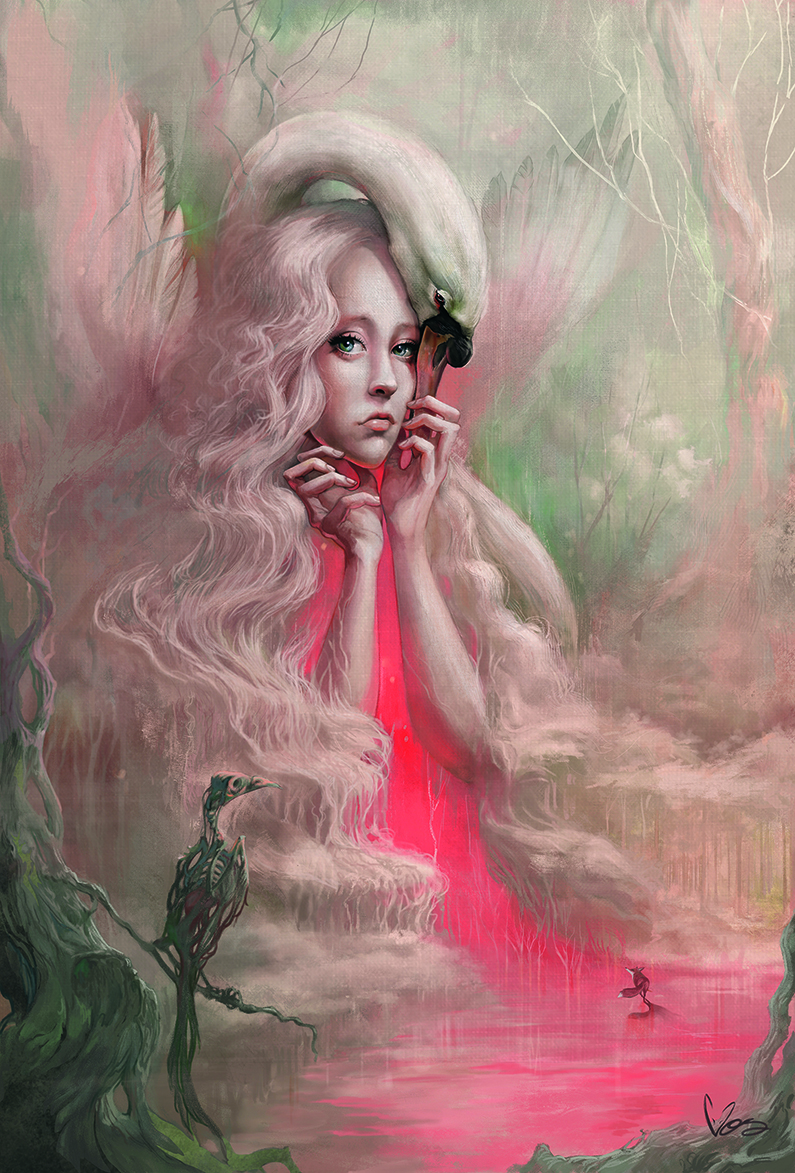
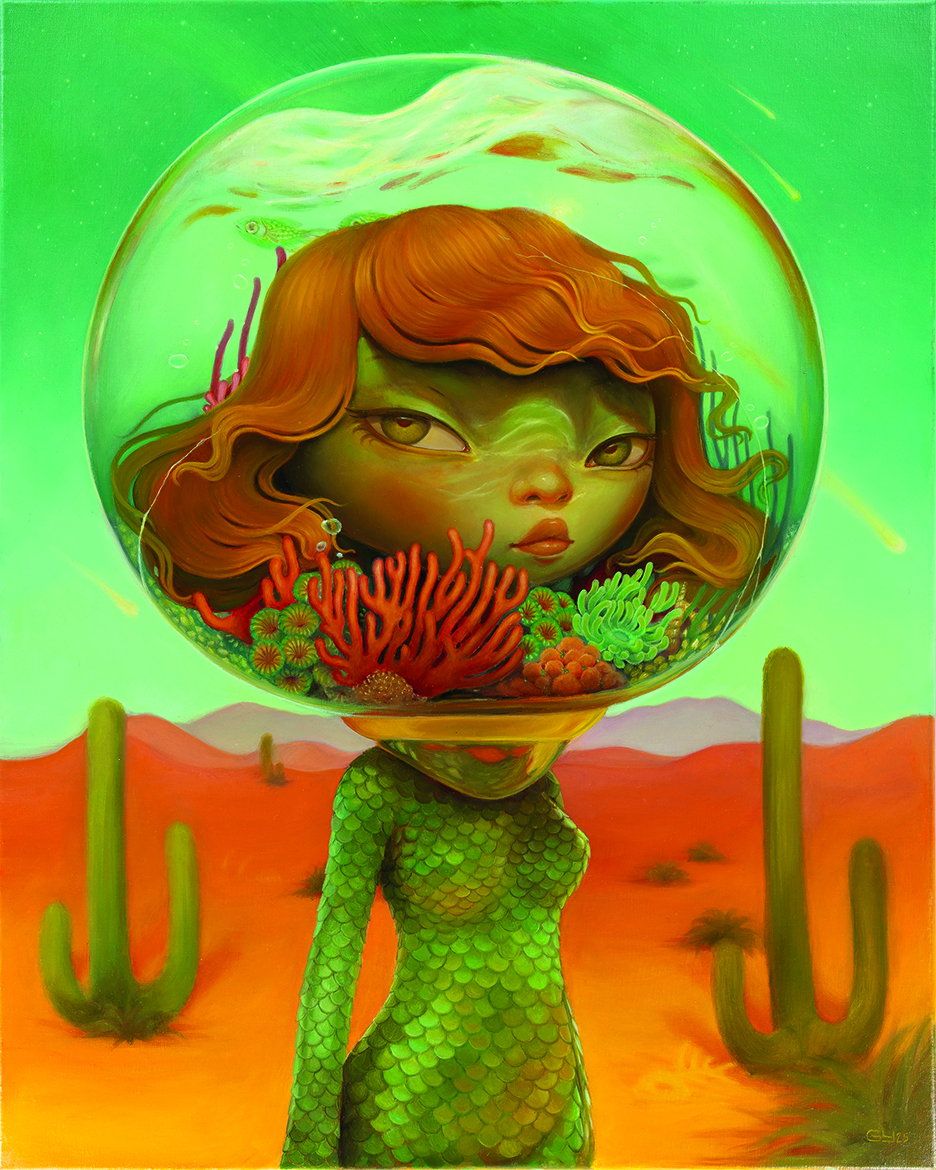
Oils and digital sculptor Gokcen Yuksek found her artistic footing when she understood that she didn’t need to force herself into a style that felt unnatural. During a life drawing class, she realized it was permissible to work in a manner that came more easily to her. "It made me understand the difference between challenging myself to improve and forcing myself into a style that wasn’t really mine," she stated. "Once I started drawing and painting in a way that felt authentic, improving became much easier." This realization freed her from the pressure of conformity and allowed her to focus on developing her innate talents.
Gokcen also described a significant evolution in her workflow, moving from detailed painting directly onto the canvas to a more layered and patient approach. "I used to paint directly onto the canvas in fine detail from the start. Now I build paintings gradually through layers and underpainting. I think the difference was that I started to be more patient, stopped worrying about the speed and the final result and started playing around with transparency, effects and process basically having more fun with it." This shift towards patience and process allowed for a more nuanced exploration of her medium and a greater enjoyment of the creative journey.
Concept artist and illustrator Hardy Fowler identified a critical obstacle to artistic growth: the tendency to become complacent once a successful style is found. "If your art isn’t changing, it isn’t growing," he asserted. He advises artists to actively fight the instinct to slow down when things feel good. "Even when things are feeling good, I try to be in a constant state of change. I try to add a new technique, workflow, brush or colour palette to my work at least once a year. It’s uncomfortable and difficult, but I always end up learning something new and my work is forever sorted into before and after that new spin occurred." This commitment to continuous learning and experimentation ensures his art remains dynamic and evolving.
The Transformative Power of Observation and Mindset
Sometimes, artistic breakthroughs are inspired by seemingly unrelated experiences, offering new perspectives on fundamental artistic principles. Furthermore, an artist’s mindset can be as crucial to their development as any technical skill.
Fine artist Hope Doe’s understanding of values was profoundly impacted by observing a theatre production. "I didn’t know just how important it was to organise values to make a detailed mess readable. But something clicked while watching a play," she recalled. She noticed how stage lighting, foreground and background elements, and the positioning of actors guided the audience’s focus. "The movement and action were lit up the most, while the background was secondary and the foreground often appeared darker," she observed. This insight into how lighting directs the viewer’s eye became a foundational principle she began applying to her paintings, enhancing their clarity and impact.
Mumbai-based watercolour artist Sucharita Suri’s journey highlights the transformative power of challenging self-imposed limitations. She discovered that her assumptions about her own abilities were actively constraining her art. "Don’t mistake a current limitation for a permanent one," she advises. "The moment I stopped defining myself by what I couldn’t do and started focusing on what I was willing to learn, my creative world expanded dramatically."
Sucharita’s most significant breakthrough involved confronting her long-held belief that painting animals was not her strength, despite her success as a creative professional. "An early unsuccessful attempt had silently become a limitation I accepted as fact," she admitted. By approaching the subject with curiosity rather than judgment, she unlocked a new body of work where animals became the subjects through which she found her most distinctive voice. This experience underscored the idea that perceived weaknesses can often be fertile ground for artistic innovation.
Her relationship with watercolour also underwent a similar transformation. After initial disappointing experiences, she had dismissed the medium. However, upon returning to it with a renewed mindset, she realized the issue had never been the medium itself, but her own approach. "I had mistaken unfamiliarity for inability. Approaching watercolour with patience and openness revealed possibilities I had overlooked, and it has since become central to my artistic practice." Sucharita’s journey emphasizes that "creative growth often happens on the other side of discomfort. Many of the limitations we face as artists are not technical limitations but self-imposed ones."
These artists’ stories offer a compelling testament to the dynamic and often surprising nature of creative development. The moments of clarity, the willingness to experiment, the strategic application of tools, and the courage to embrace one’s authentic voice are all integral to unlocking artistic potential and forging a truly fulfilling creative career.