The Great Divide: Rob Liefeld’s Defiant Stance Against the Absolute Batman Phenomenon
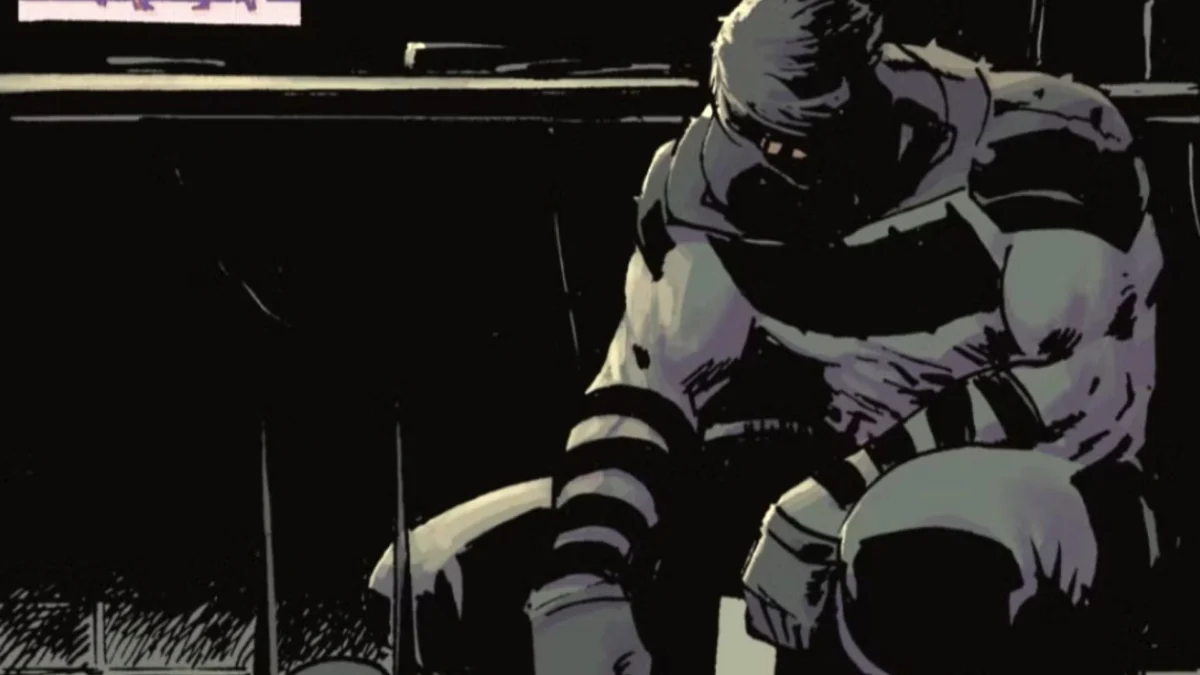
The contemporary comic book landscape is currently dominated by a singular, towering presence: DC’s Absolute Universe. At the vanguard of this initiative is Absolute Batman, a reimagining of the Caped Crusader by writer Scott Snyder and artist Nick Dragotta that has revitalized the industry’s sales figures and sparked a cultural conversation not seen since the "New 52" era. Central to this success has been the strategic deployment of variant covers—high-end, alternative artwork that has become a primary driver for collectors and retailers alike.
However, in a move that has sent shockwaves through the fandom, industry veteran and Image Comics co-founder Rob Liefeld has publicly and vehemently opted out of the Absolute boom. During a recent livestream, the creator of Deadpool and Cable made it unequivocally clear that he has no intention of lending his iconic, high-energy style to the Absolute Batman mythos, citing a lack of personal affinity for the character and a refusal to engage with the current trend.
Main Facts: The "Absolute" Rejection
The controversy began during a livestream on the platform Whatnot, where Rob Liefeld frequently engages with fans, auctions off rare collectibles, and discusses the state of the industry. When the chat inevitably turned to the possibility of a Liefeld-drawn variant for Absolute Batman, the artist did not offer a standard PR-friendly "never say never." Instead, he delivered a blunt, unfiltered rejection of the idea.
Liefeld stated that he is "never doing anything with Absolute Batman," further escalating his rhetoric by claiming that it would take a staggering $1 million payout for him to even consider the commission. He went on to describe the prospect as an "absolute waste of [his] time," emphasizing that his current creative priorities lie with his own intellectual properties under the Image Comics banner and their potential for Hollywood adaptation.
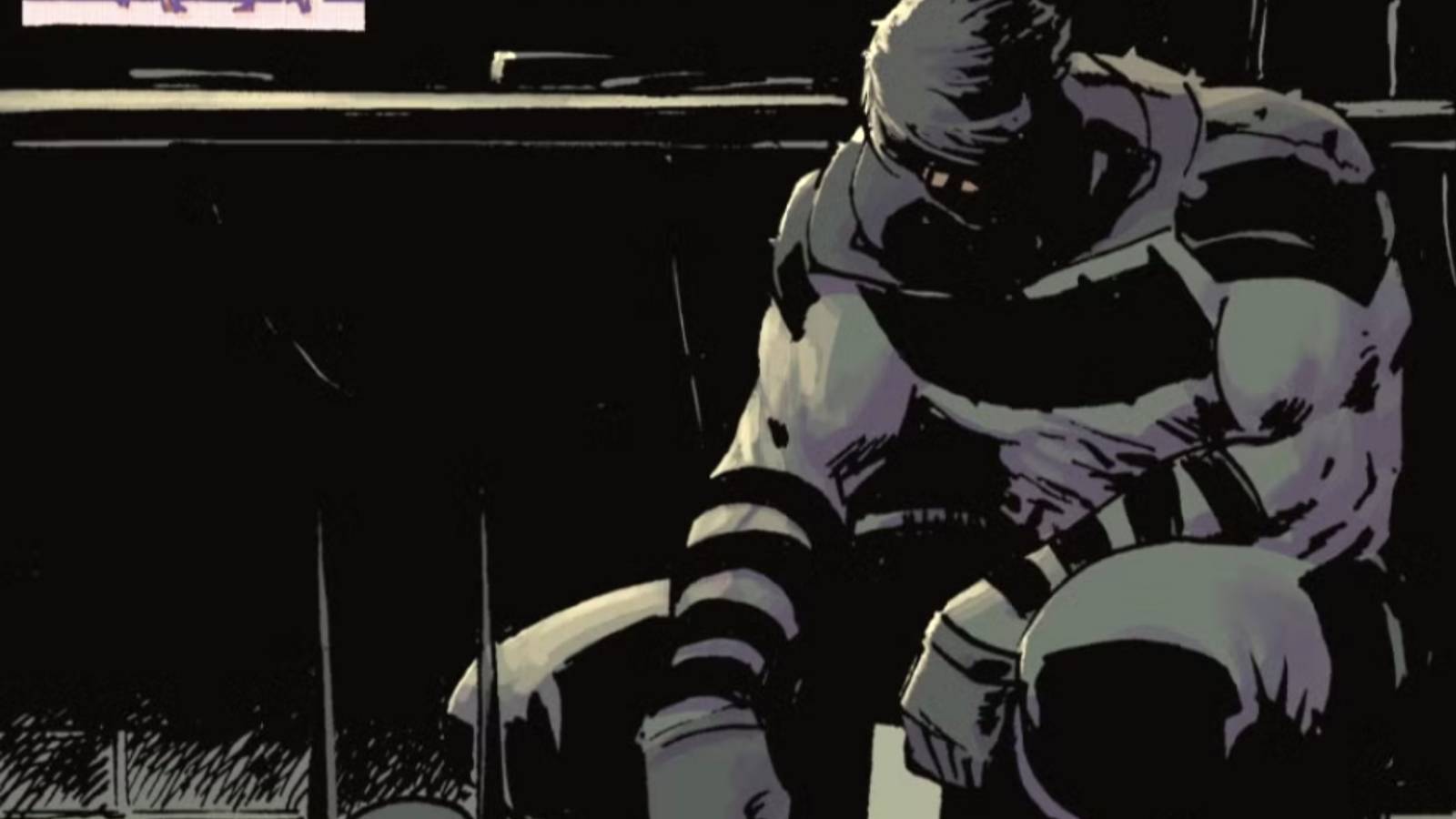
The rejection is particularly notable because Liefeld is often viewed as a commercial powerhouse whose name alone can drive significant sales. In an era where DC and Marvel lean heavily on "legacy" artists to boost the profile of new launches, Liefeld’s refusal to participate in what is arguably the biggest DC event of the decade represents a significant divergence from industry norms.
Chronology: From Absolute Rise to Liefeld’s "Never"
To understand the weight of Liefeld’s comments, one must look at the timeline of the Absolute Universe’s meteoric rise and Liefeld’s own recent interactions with the Batman brand.
2024: The Birth of the Absolute Universe
DC Comics launched the Absolute Universe as a "brave new world" where iconic heroes are stripped of their traditional safety nets. Scott Snyder’s Absolute Batman introduced a working-class Bruce Wayne—larger, more brutal, and lacking the billionaire resources of his Prime Earth counterpart. The series became an instant sensation, with Issue #1 going through multiple printings and generating dozens of variant covers by industry titans like Jock, Dexter Soy, and Jim Lee.
2025: The Youngblood Homage
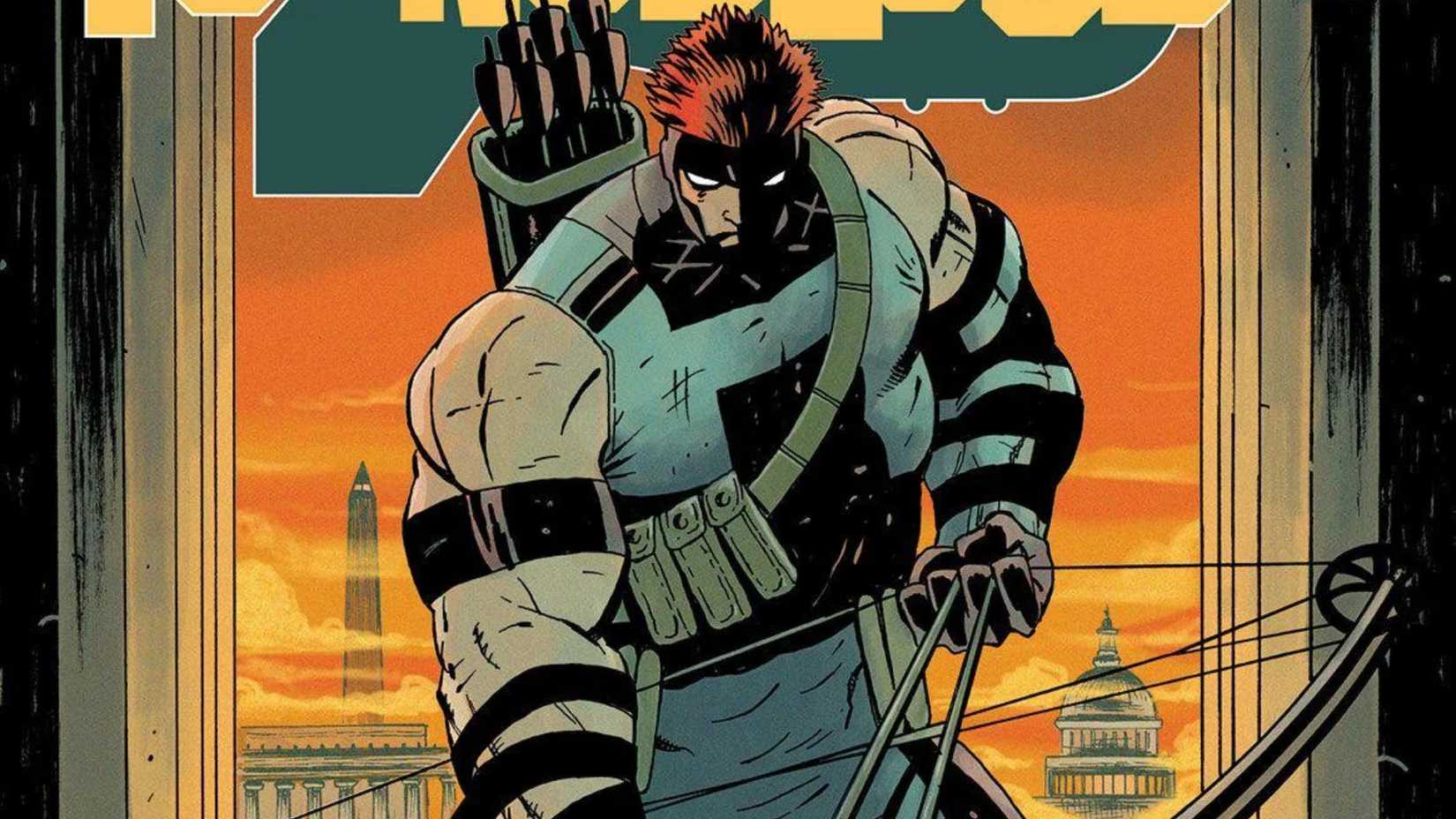
In a move that now seems steeped in irony, the 2025 revival of Liefeld’s own Youngblood series featured a retailer-exclusive variant for Youngblood #1 that directly homaged the cover of Absolute Batman #1. The artwork, produced for Third Eye Comics, depicted the character Shaft in the same hulking, axe-wielding pose as Snyder’s Batman. While the cover was illustrated by Jim Rugg rather than Liefeld himself, it was sanctioned as part of the Youngblood launch, signaling a professional acknowledgement of Absolute Batman’s cultural footprint.

Late 2025: The Long Halloween Tribute
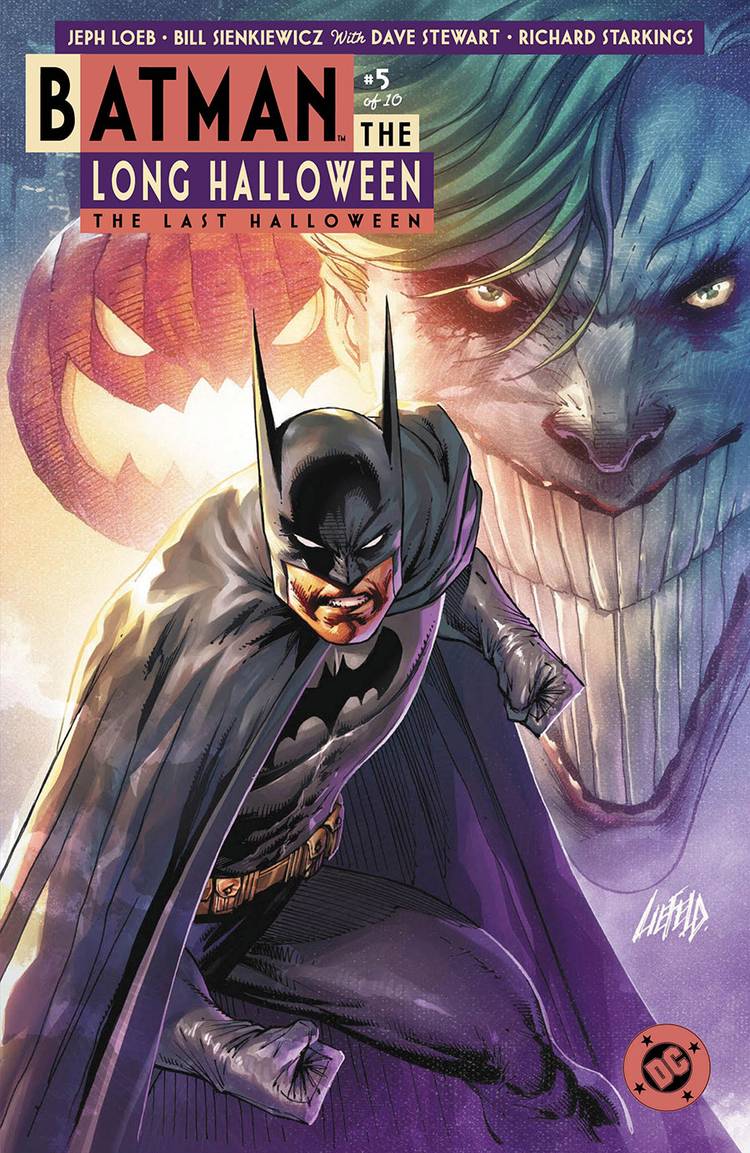
Despite his recent claims of having "no affinity" for Batman, Liefeld contributed a significant piece of work to the Bat-mythos late last year. He provided a variant cover for Batman: The Long Halloween – The Last Halloween #5, featuring a grotesque and terrifying rendition of the Joker. This work was highly publicized and seemed to indicate a warming relationship between the artist and DC’s editorial team regarding the Dark Knight’s world.
August 2026: The Whatnot Proclamation
The timeline culminates in the recent Whatnot livestream. Following the massive success of Absolute Batman’s first year, fans expected Liefeld to be the next big name to tackle the "Absolute" aesthetic. His categorical refusal and the dismissive tone used to describe the project created an immediate rift between the artist’s camp and the fans of the current DC direction.
Supporting Data: The Power of the Variant Market
The intensity of the fan reaction to Liefeld’s comments can be explained by the sheer scale of the variant cover market. In the modern direct market, variant covers are not merely aesthetic choices; they are economic engines.
- Sales Volume: Absolute Batman #1 is estimated to have sold over 250,000 copies, a feat largely attributed to the "collect them all" mentality surrounding its 50+ variant covers.
- The "Liefeld Effect": Historically, books featuring Liefeld covers see a "speculator spike." His recent work on Marvel’s Deadpool and X-Force anniversaries saw secondary market prices jump by 200-300% within the first week of release.
- The Absolute Aesthetic: The Absolute Universe is defined by its "extreme" redesigns—larger-than-life physiques, tactical gear, and a grittier tone. Many critics and fans have noted that this aesthetic bears a striking resemblance to the "Image Revolution" style that Liefeld pioneered in the 1990s. This makes his refusal to participate feel like a rejection of a sub-genre he helped create.
Official Responses and Creator Context
Following the viral spread of the livestream clip, Liefeld took to social media to clarify his position, specifically addressing the perceived hypocrisy of his Long Halloween work.
In a follow-up tweet, Liefeld explained that his contribution to The Long Halloween – The Last Halloween was not born out of a love for Batman, but rather a deep respect for his late friend, Tim Sale. Sale, the original artist of The Long Halloween, passed away in 2022. Liefeld noted that he viewed the Joker cover as a personal tribute to Sale’s legacy rather than a commitment to the Batman character or DC’s ongoing editorial initiatives.
DC Comics has remained officially silent on the matter, as is standard for the publisher regarding individual creator comments. However, sources close to the industry suggest that while Liefeld’s comments were blunt, they reflect a broader tension in the industry between "work-for-hire" opportunities and the desire for veteran creators to maintain control over their own legacies.
Implications: A Shift in the Creator-Publisher Dynamic
Rob Liefeld’s refusal to engage with Absolute Batman carries several long-term implications for the comic book industry and the "Absolute" brand.
1. The Priority of Original IP
Liefeld’s comment about wanting his Image Comics properties optioned by Hollywood highlights a growing trend among elite creators. With the success of The Boys, Invincible, and Deadpool, veteran artists are increasingly viewing work for the "Big Two" (Marvel and DC) as a distraction from the more lucrative pursuit of owning their own characters. Liefeld’s "waste of time" comment, while harsh, underscores the reality that for a creator of his stature, the return on investment for a DC variant cover may pale in comparison to developing a new media franchise.
2. The Limits of Brand Synergy
The Absolute Universe was designed to be an all-encompassing initiative that would draw in every corner of the comic book world. Liefeld’s public "no" suggests that there are limits to this synergy. If other high-profile creators follow suit and prioritize their independent brands over participating in "event" covers, the variant market—which relies on a constant stream of "superstar" names—could face a cooling period.
3. The "Polarizing Legend" Persona
This incident reinforces Liefeld’s status as one of the most polarizing figures in comics. To his detractors, his comments are seen as dismissive of a well-crafted, popular series. To his supporters, his stance is a refreshing display of independence in an industry often criticized for its corporate homogeneity. By setting a "$1 million" price tag, Liefeld has effectively placed himself above the standard fray of the comic book "gig economy."
4. The Future of Absolute Batman
Despite Liefeld’s absence, Absolute Batman continues to thrive. The series has proven it can maintain momentum through the strength of Scott Snyder’s narrative and Nick Dragotta’s world-building. While a Liefeld cover would have been a nostalgic "full circle" moment for the 90s-inspired aesthetic of the Absolute Universe, the brand’s success is clearly not dependent on any single legacy artist.
In conclusion, Rob Liefeld’s defiance serves as a stark reminder of the complex motivations that drive the comic book industry. While fans may crave the collision of iconic artists and legendary characters, the creators themselves are increasingly looking toward a future where they—not the characters they draw—are the primary brand. For now, the Absolute Batman will continue his war on crime in Gotham, but he will have to do it without the hyper-kinetic, pouch-heavy touch of Rob Liefeld.