The Unraveling of Tom Nook: A Deep Dive into the Animal Crossing Icon’s Reputation
By Simone de Rochefort
Published: August 14, 2026, 8:39 AM EDT
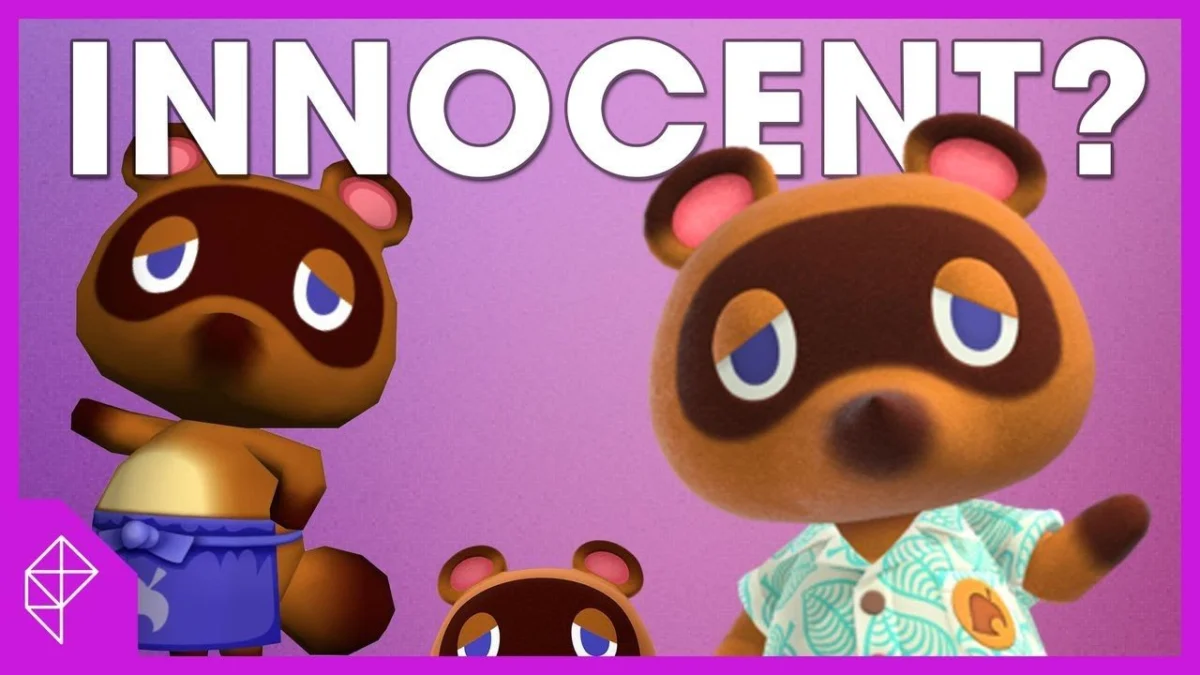
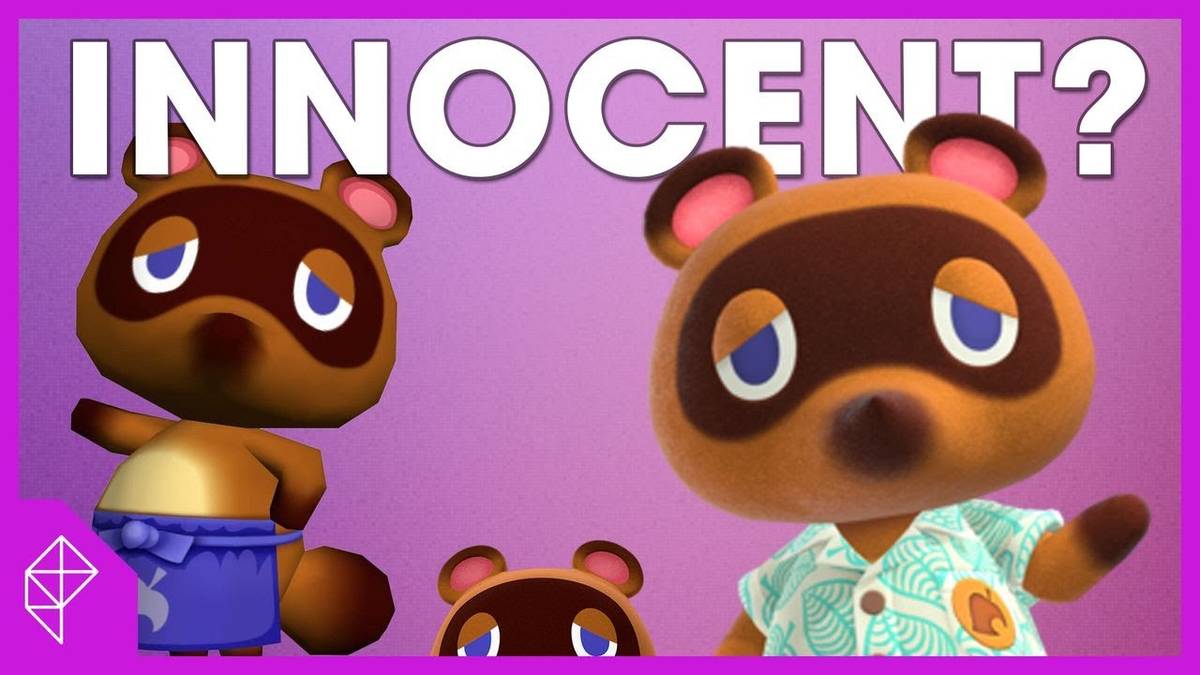
Tom Nook. The name alone conjures a whirlwind of emotions for fans of Nintendo’s beloved Animal Crossing franchise. For some, he’s the benevolent proprietor of Nook’s Cranny, a friendly face offering essential goods and housing services. For others, he’s a ruthless capitalist, a shadowy figure orchestrating a lifelong debt from unsuspecting islanders. The dichotomy is stark, and the debate over Tom Nook’s true nature has persisted for over two decades, evolving with each iteration of the game. This article aims to dissect this enduring enigma, examining the historical evolution of his character, analyzing the gameplay mechanics that shape his perception, and exploring the deeper implications of his role within the idyllic, yet subtly complex, world of Animal Crossing.
The Central Question: Benevolent Businessman or Loan Shark in Disguise?
At the heart of the Tom Nook discourse lies a fundamental question: is he a genuinely helpful character who facilitates the player’s journey, or is he a predatory entity exploiting the innocence of animal villagers? The perception of Tom Nook is intrinsically tied to the core gameplay loop of Animal Crossing. Players arrive on a deserted island (or a nascent town), with little more than the clothes on their back and a humble tent. It is Tom Nook who provides the initial loan for this humble abode, a debt that must be repaid through the collection and sale of resources. This initial transaction sets the stage for a long-term financial relationship, as players invariably seek to upgrade their homes, purchase furniture, and expand their island’s infrastructure, all of which are facilitated by Nook’s businesses.
The argument for Tom Nook’s benevolent intentions often centers on the fact that he never explicitly forces players into debt. The loans are voluntary, and the repayment terms, while seemingly perpetual, are dictated by the player’s own ambitions. He provides the tools, the services, and the opportunities for growth. Without him, the island would likely remain a primitive settlement, devoid of the charming houses, bustling shops, and personalized aesthetics that define the Animal Crossing experience. His role, from this perspective, is that of an enabler, a crucial component of the game’s progression system that allows players to realize their island dreams.
Conversely, critics point to the ever-present debt. Unlike a traditional loan with a fixed repayment schedule and interest rate, Tom Nook’s loans seem to expand as the player’s home does. The initial tent loan transforms into a mortgage for a small house, which then becomes a loan for a larger house, and so on. While there’s no explicit interest charged, the sheer scale of the financial commitment, and the fact that it dictates the player’s primary objective for much of the game, leads many to view it as a form of perpetual servitude. The lack of transparency in the "terms and conditions" of these loans, combined with Nook’s often-stoic demeanor, fuels the suspicion that he might be taking advantage of the player’s eagerness to personalize their virtual lives.
A Chronology of Nook’s Influence: Evolution Across the Franchise
To understand the nuances of Tom Nook’s reputation, it’s essential to trace his presence and influence throughout the Animal Crossing series.
Animal Crossing (2001/2002)
In the inaugural title, Tom Nook was introduced as the sole proprietor of Nook’s Cranny. His role was primarily that of a shopkeeper, selling furniture, tools, and other essential items. While he did offer a loan for the player’s first house, the scale of this debt and its progression were far less pronounced than in later installments. The game’s slower pace and less complex economy meant that players could often pay off their initial mortgage relatively quickly, diminishing the perception of him as a relentless creditor. His dialogue, while business-oriented, lacked the subtle undertones that would later fuel the "bad guy" narrative.
Animal Forest+ and Animal Forest e+ (2001/2003)
These Japanese-exclusive releases largely mirrored the original Animal Crossing in terms of Tom Nook’s role. The core mechanics remained similar, and while the games were precursors to the international releases, they laid the groundwork for Nook’s established presence as the island’s primary merchant.
Animal Crossing: Wild World (2005)
Wild World saw a significant expansion of Tom Nook’s business empire. Nook’s Cranny grew, offering a wider array of goods, and the housing upgrades became more substantial. This installment also introduced the concept of the player’s town evolving around Nook’s shop, solidifying his central role in the community’s development. The debt, while still manageable, began to feel more like a long-term commitment, with players often spending considerable time accumulating Bells to afford the next home expansion.
Animal Crossing: City Folk (2008)
City Folk further amplified Tom Nook’s business acumen. The introduction of the city area, accessible via a bus driven by Kapp’n, meant that players had access to even more specialized shops and services. Tom Nook’s store continued to be the primary hub for essential purchases, and his loans for home upgrades remained a significant gameplay element. It was around this time that the "Tom Nook is evil" meme began to gain traction online, fueled by discussions about his perceived exploitative business practices.
Animal Crossing: New Leaf (2012)
New Leaf marked a pivotal moment in the perception of Tom Nook. While he still operated Nook’s Homes, his role was significantly altered. The player became the Mayor, and a new character, Lyle, took over the real estate business. Tom Nook shifted his focus to managing Nook’s Cranny, which offered a more diverse and valuable selection of goods. However, a significant plot point involved Tom Nook gifting the player his family’s business, a gesture that many interpreted as a sign of his underlying generosity and a softening of his previously stringent business persona. This installment saw a notable shift in how players viewed Nook, with many seeing him as a mentor figure rather than a debt collector.
Animal Crossing: New Horizons (2020)
New Horizons brought Tom Nook back to the forefront as the architect of the player’s deserted island getaway. He is the one who offers the initial "Nook Inc. Deserted Island Getaway Package," which includes the tent and essential survival gear. From here, his role as the primary provider of housing, furniture, and island development services is re-established. The loan system is more prominent than ever, with players constantly working to upgrade their homes and contribute to the island’s infrastructure, all facilitated by Nook Miles and Bells.
However, New Horizons also introduced new layers to Nook’s character. The introduction of Nook’s Cranny upgrades, the ability to customize furniture, and the overall expansion of the game’s economy meant that Tom Nook’s business was more crucial than ever. His dialogue, while still professional, often carries a subtle warmth and genuine desire for the player’s success. He celebrates milestones, offers advice, and even participates in island events. This has led to a more nuanced understanding of his character, with many now viewing him as a complex figure who balances a shrewd business sense with a genuine care for the well-being of his island residents. The "bad guy" narrative, while still present, has become more of a humorous trope than a genuine accusation for many players.
Supporting Data: The Mechanics of Nook’s Influence
The perception of Tom Nook is inextricably linked to the gameplay mechanics that govern his interactions with the player.
-
The Loan System: As previously discussed, the recurring home loans are the most contentious aspect of Tom Nook’s character. The absence of interest, the flexible repayment, and the fact that the player can progress and customize their life despite the debt, all point towards a system designed for player agency rather than outright exploitation. However, the sheer volume of Bells required for later upgrades can feel overwhelming, leading to the perception of a never-ending financial treadmill.
-
Nook Miles: Introduced in New Horizons, Nook Miles represent a secondary currency earned through completing in-game tasks. While these miles can be exchanged for various items and services, they also serve as a way for players to feel progress beyond simply accumulating Bells. This system adds another layer to Nook’s economic model, suggesting a more holistic approach to player engagement and reward.
-
Business Growth and Services: Tom Nook’s businesses, Nook’s Cranny and Nook’s Homes, are not static. They evolve and expand as the player progresses, offering a wider range of products and services. This growth mirrors the player’s own development on the island, creating a symbiotic relationship. The more the player invests in their island, the more Nook’s businesses flourish, further solidifying his importance.
-
Dialogue and Character Interactions: While Nook’s dialogue is often business-focused, there are subtle moments of kindness and encouragement. He expresses pride in the player’s accomplishments and offers assistance when needed. These instances, though infrequent, are crucial in balancing his perceived mercenary nature. The other animal villagers also interact with Nook, often seeking his advice or services, further integrating him into the fabric of the community.
Official Responses: Nintendo’s Ambiguous Stance
Nintendo has historically remained tight-lipped regarding the definitive interpretation of Tom Nook’s character. They have never explicitly stated whether he is intended to be a villain or a benevolent figure. This ambiguity is likely a deliberate choice, allowing players to project their own interpretations onto the character and fostering ongoing discussion.
Interviews with Animal Crossing developers have often alluded to Nook’s role as a facilitator and a representation of the economic realities of building a community. They have emphasized his function within the game’s progression systems, designed to encourage player engagement and reward their efforts. The recurring theme is that Tom Nook is a necessary component of the Animal Crossing experience, a character who embodies the entrepreneurial spirit and the challenges of establishing oneself.
The lack of a clear "good" or "bad" label allows the character to resonate with a wider audience. For those who enjoy the challenge of resource management and financial planning, Nook represents a formidable, yet ultimately fair, business partner. For those who prefer a more whimsical and less demanding experience, his more endearing moments can be focused on, overshadowing the financial obligations.
Implications: More Than Just a Raccoon (or Tanuki)
The enduring debate surrounding Tom Nook’s character carries broader implications for how we engage with virtual worlds and the characters within them.
-
The Nature of Virtual Economies: Tom Nook’s financial model, while simplified, mirrors real-world economic principles. The concept of loans, investments, and the pursuit of personal prosperity are all present. His character prompts players to consider the mechanics of accumulation and expenditure within a virtual space, and how these can evoke real-world feelings of satisfaction or pressure.
-
Character Interpretation and Player Agency: The ambiguity surrounding Tom Nook highlights the power of player interpretation. Unlike characters with clearly defined moral alignments, Nook’s motivations are left open to conjecture. This allows players to project their own experiences and perspectives onto him, making him a more relatable and engaging figure, even if that engagement is through debate and criticism.
-
The Evolution of Game Design: The changes in Tom Nook’s portrayal across the Animal Crossing series reflect the evolution of game design itself. From a simple shopkeeper in the early days to a more complex and multifaceted character in New Horizons, Nook’s journey mirrors the increasing sophistication of narrative and character development in video games. Nintendo’s willingness to adapt and refine his role suggests a commitment to creating engaging and evolving player experiences.
-
The Power of Memes and Community Discourse: The "Tom Nook is evil" meme, while often humorous, is a testament to the power of online communities to shape the perception of fictional characters. It has become a cultural touchstone within the Animal Crossing fandom, demonstrating how shared experiences and discussions can imbue a character with a life beyond the confines of the game itself.
In conclusion, Tom Nook remains one of the most fascinating and debated characters in video game history. He is not simply a shopkeeper or a loan shark; he is a reflection of the player’s ambitions, their financial acumen, and their evolving understanding of the Animal Crossing world. Whether he is a benevolent force guiding players towards their island dreams or a shrewd businessman with a perpetual interest in their Bells, Tom Nook’s legacy is one of enduring intrigue, proving that sometimes, the most compelling characters are those who walk the fine line between good and bad, leaving players to decide for themselves.