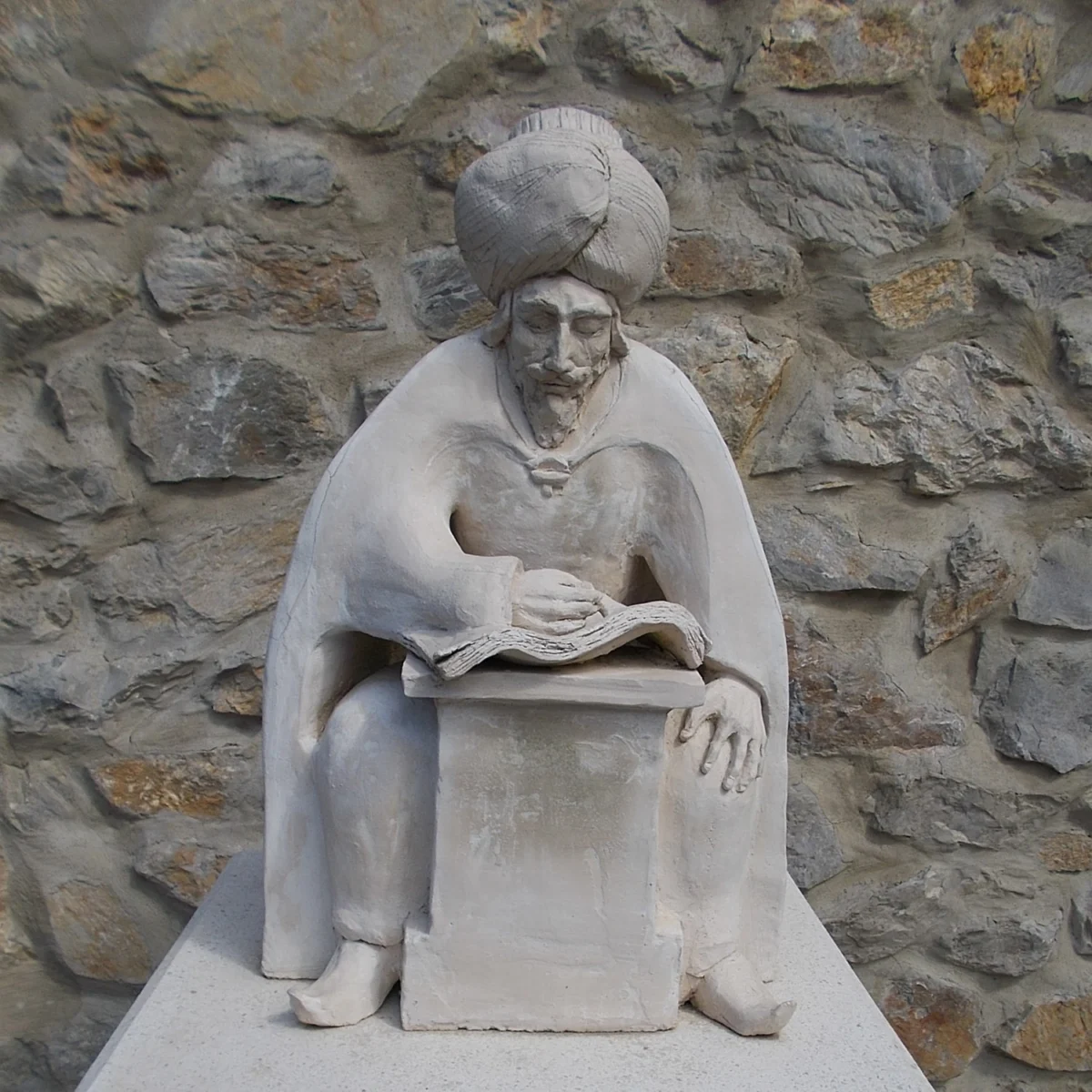
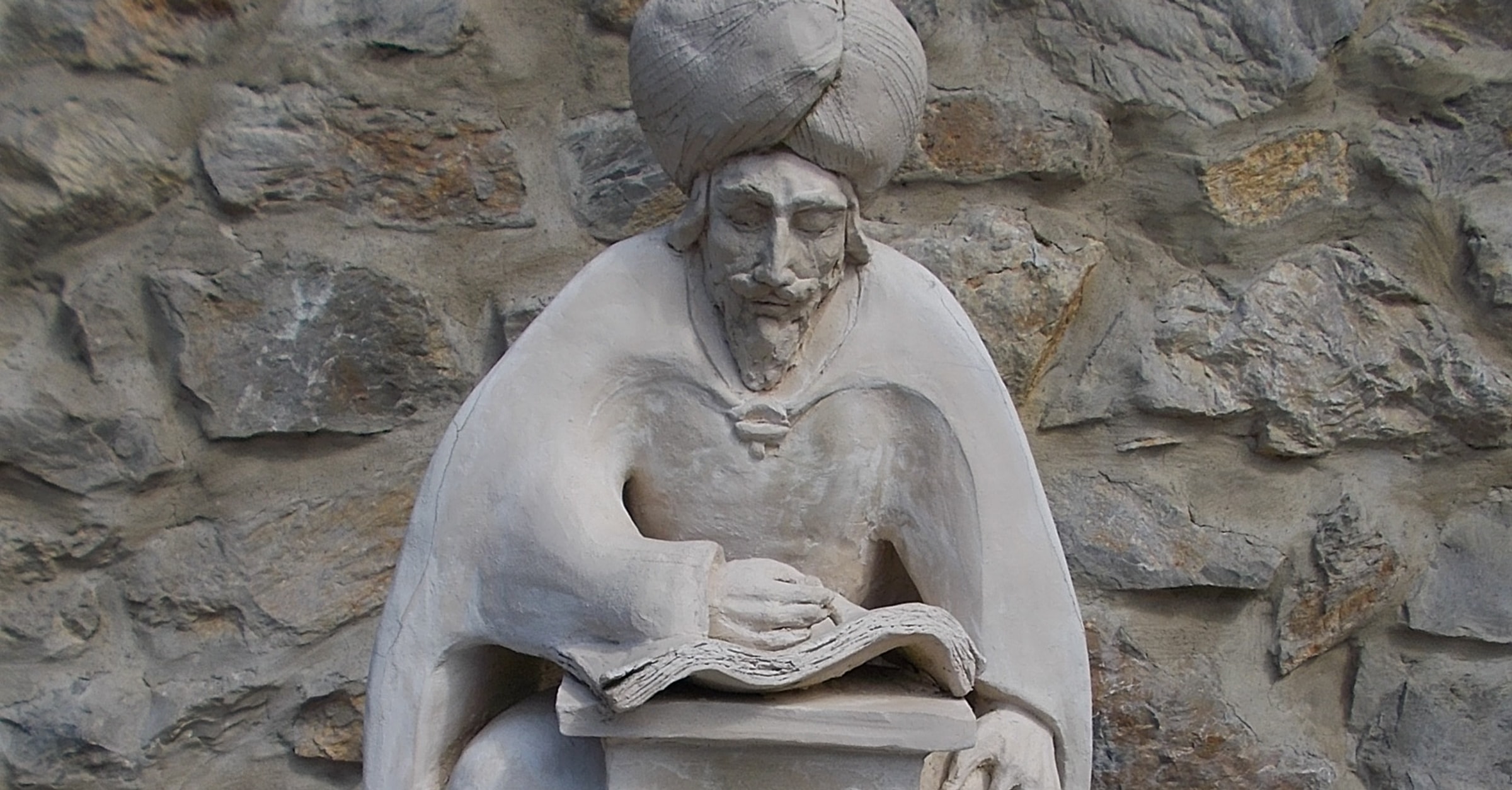
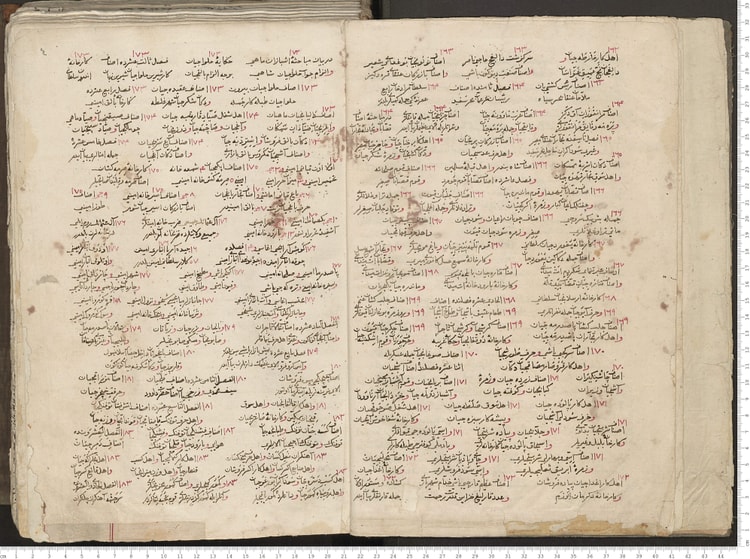
Istanbul, Ottoman Empire – In an era defined by empire-building and intellectual ferment, one figure stands as an unparalleled chronicler of his age: Evliya Çelebi (1611-1682/85). More than a mere observer, Çelebi was the Ottoman Empire’s most celebrated traveler and explorer, whose monumental ten-volume Seyahatname (Book of Travels) offers an expansive, vibrant, and often eccentric panorama of the 17th-century world. Spanning over four decades of relentless exploration across three continents, his work transcends the conventional history book, instead offering a unique blend of ethnographic detail, personal reflection, and captivating storytelling that continues to fascinate and inform scholars today.
Dubbing himself a "world traveler" (seyyāh-ı ālem), Çelebi was a man of many talents: a gifted musician, a seasoned soldier, a spiritual dervish, and a conversationalist whose wit charmed members of the Ottoman court. His Seyahatname is not merely a record of places visited but a deeply personal narrative, embellished with anecdotes and reflections designed to both enlighten and entertain his diverse readership. This rich narrative style, while occasionally leading to questions of factual accuracy, has solidified his reputation as a literary giant whose contributions to sociopolitical, economic, geographical, cultural, and architectural history are immeasurable.
A Journey Through Time: The 17th-Century Ottoman Landscape
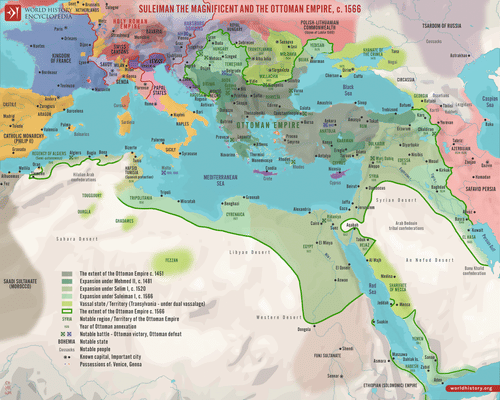
Evliya Çelebi’s life unfolded during a pivotal and often tumultuous period for the Ottoman Empire. The 17th century was an epoch of profound transformation, marked by a delicate balance between imperial strength and internal strife. Prolonged and costly wars on the empire’s fringes, particularly against the Safavid Persians in the East and the Habsburgs in the West, placed immense strain on both ecological and fiscal resources. These external pressures were compounded by widespread domestic unrest, born from worsening socioeconomic conditions that fueled a vicious cycle of conflict and instability.
The countryside was frequently ravaged by the Celali rebellions – a series of widespread uprisings by disgruntled provincial populations, often led by former military men. Simultaneously, Istanbul and other major urban centers grappled with the volatile Janissary revolts, insurrections by the elite infantry corps that often challenged central authority. These internal convulsions not only hindered the empire’s ability to effectively address external threats but also rendered commerce and transportation perilous. Bandit-controlled roads were a constant menace, putting Evliya Çelebi’s own life and journeys in jeopardy on numerous occasions, a stark reminder of the fragile peace that often prevailed.
In response to this escalating crisis, Ottoman rulers and bureaucrats embarked on ambitious socio-economic reform programs. Sultans like Murad IV (reigned 1623-1640) and the influential Köprülü family, who dominated Ottoman policy-making from 1656 to 1676, initiated significant measures aimed at strengthening the state. While some reforms yielded positive results, others proved catastrophic, such as the brutal dethronement and murder of Sultan Osman II by the Janissaries in 1622, a chilling testament to the formidable power of the military elite.
Despite these pervasive challenges, the Ottoman Empire demonstrated remarkable resilience. It not only managed to protect its vast territorial holdings but also achieved notable expansions, securing new territories in Mesopotamia, Crete, and Podolia. Amidst the political and military turmoil, artistic and cultural life continued to flourish. The imperial court remained a vibrant hub for poets, thinkers, and musicians, underscoring the enduring vitality of Ottoman high culture even in times of crisis. It was within this complex, dynamic environment – a world of both grandeur and danger – that Evliya Çelebi came of age and honed his observational prowess.
The Genesis of a Voyager: Early Life and Royal Education
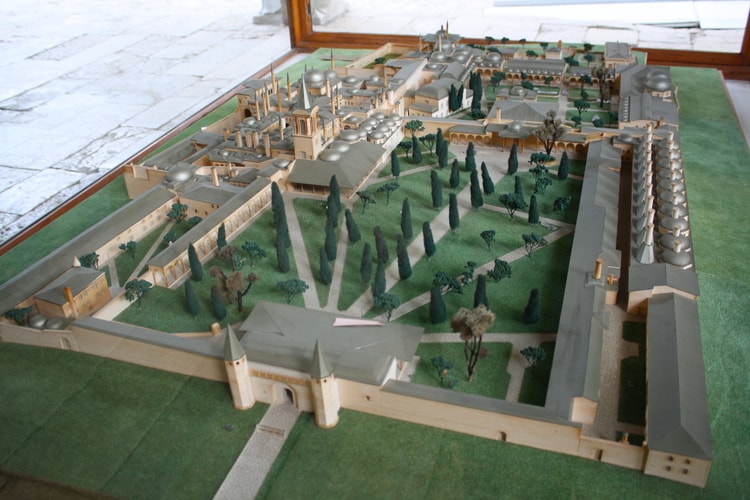
Born on March 25, 1611, in Istanbul’s Unkapanı district, Evliya Çelebi hailed from a family deeply intertwined with the Ottoman court. His father, Derviş Mehmed Zıllî, served as the chief jeweler of the revered Topkapı Palace, a position that afforded young Evliya access to an unparalleled education. He attended the prestigious Enderun School, the imperial elite boarding school located within the Topkapı Palace grounds. Here, he received a comprehensive education that encompassed calligraphy, languages, and music – skills that would prove invaluable throughout his future travels.
Çelebi’s innate musical talent and quick-witted personality quickly caught the attention of Sultan Murad IV, forging a unique friendship that endured until the Sultan’s death. This intimate connection to the highest echelons of power provided Evliya with an insider’s perspective on court life and politics, shaping his understanding of the empire’s inner workings. Yet, his education was not confined to the palace walls. He maintained strong ties with the dervish lodges, centers of Sufi mysticism and learning, which exposed him to different social networks and broadened his intellectual horizons. This dual exposure to both elite court culture and popular mystical traditions gave him a unique vantage point, enabling him to learn Arabic, Persian, Greek, and even a smattering of Latin – linguistic assets that would later facilitate his interactions across diverse cultures. These formative experiences equipped him not only with academic knowledge but also with an acute social intelligence, allowing him to connect with people from all strata of society, from beggars and merchants to powerful governors and viziers.
Despite his deep attachment to Istanbul, the call of the open road proved irresistible. Evliya harbored a profound yearning to travel the world, a desire he eloquently articulated in 1631:
"While making tours and pleasure outings to the villages and towns and thousands of parks and Iram-like rose gardens around the pleasant land, i.e., Constantinople, the desire to make extensive travels came to mind. I beseeched the Creator at every moment to grant me health of body, complete journey, and faith to the last breath, asking myself, ‘How can I get free of the pressures of father and mother, teacher and brother, and become a world traveller?’" (Dankoff 2011, 3-4)
The catalyst for his extraordinary journeys, as Evliya himself recounts, was a vivid dream in which he encountered the Prophet Muhammad. In his excitement, he famously misspoke, asking for "travel" (seyahat) instead of "intercession" (şefaat) for the afterlife. Regardless of the slip, the Prophet purportedly granted him permission to embark on his wanderings. Seizing upon this auspicious dream as divine sanction, Evliya successfully convinced his family of his destined path and promptly set off on what would become one of history’s most epic voyages.
Journeys Across Three Continents: A Life on the Road
Evliya Çelebi’s four-decade odyssey was not a state-sponsored expedition but a deeply personal quest, financed through a combination of ingenuity and patronage. Eschewing long-term official duties, he strategically accepted temporary assignments from local administrators, such as acting as an envoy or chronicler, to fund his extensive travels. His family inheritance also provided a crucial financial lifeline. Furthermore, he often found himself under the protection and patronage of influential grand viziers, including Melek Ahmed Pasha and Köprülü Fazıl Ahmed Pasha, who recognized his unique talents and found his presence valuable.
His travels frequently intersected with military campaigns and diplomatic missions. He participated in various campaigns and peace negotiations against Persia and Austria, witnessing firsthand the intricate dance of Ottoman power politics. Interestingly, his allegiances were not always strictly aligned with the central authority. There are instances where he clashed with officials or even showed sympathy, if not outright support, for the Celali rebels, revealing a pragmatic and adaptable approach to his survival and objectives. These complex interactions underscore the nuanced nature of his relationship with the imperial state, where his support could vary significantly depending on the circumstances and his personal interests.
Evliya meticulously documented the vast expanse of the Ottoman Empire, traversing virtually all its territories with the notable exceptions of the Maghreb and Cyprus. Beyond imperial borders, his curiosity led him to foreign lands across Europe, Asia, and Africa. The sheer scope of his travels is staggering, yet some of his reported expeditions remain subjects of scholarly debate. For instance, the veracity of his journeys to distant European realms like the Netherlands, Brandenburg, and Sweden, recounted in the sixth volume of his Seyahatname, is still questioned. Similarly, some of his African adventures detailed in the tenth volume are tinged with fantastical and fictional elements, blurring the lines between fact and legend.
Scholar Robert Dankoff, a leading authority on Evliya Çelebi, aptly captures this duality:
"Evliya has the reputation of being a fantasist, an exaggerator, and a liar. In recent years scholarship has tended to restore faith in Evliya’s credibility…the Seyahatname is a huge example on the literary level of this Ottoman mentality, which oscillates between a down-to-earth realism and a love for ‘marvels and wonders.’" (Dankoff 2004, 214).
This "Ottoman mentality" explains much of the Seyahatname‘s unique character, where meticulous observation coexists with vibrant embellishment. While some claims may be exaggerated, recent studies increasingly affirm the core reliability of Çelebi’s records, highlighting their vital importance for understanding the 17th-century Ottoman world.
His final two volumes, detailing his pilgrimage journey, clearly exhibit the influences of the rich Islamic travel-writing tradition. However, Evliya Çelebi distinguished himself significantly from earlier Muslim travelers like Ibn Battuta (d. 1368/69) or even contemporary geographers such as Katip Çelebi (d. 1657). Unlike those who often relied heavily on the isnād tradition (the chain of narration in Islamic intellectual history) or existing geographical accounts, Evliya’s primary source was direct experience. He benefited immensely from his own keen observations, countless encounters, detailed interviews with locals, and a deep appreciation for folktales and other oral narratives, creating a truly unique and personalized account of his world.
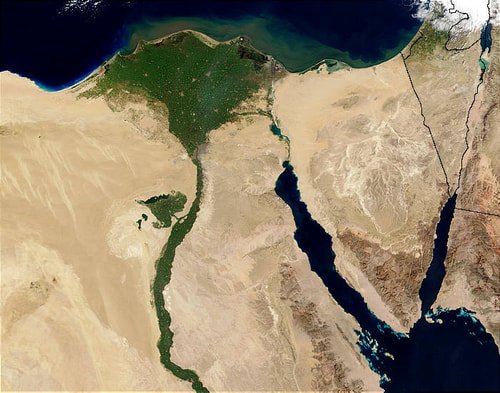
His vivid observations extended to every aspect of life, demonstrating a sophisticated understanding of environmental factors and their societal impact. His comments regarding the vital influence of the Nile on Cairo’s daily existence exemplify this keen insight:
"Because God blessed Egypt with the Nile, there is great abundance and an accumulation of imperial wealth (or tax money). This wealth is assured as long as the Nile overflow reaches 18 cubits. If it reaches 20 cubits, then the Pasha, agents, tax farmers, provincial governors, and peasants all become rich. If it does not reach 18 cubits, then – God save us! – the land is not watered, and dearth and famine ensue, the agents and tax farmers are cut off, imperial wealth is not produced, the Pasha is forced to make up the loss to the treasury out of his own pocket… Cairo is called Mother of the World, because if the whole world is suffering dearth and famine, Egypt can feed it; but if, God forbid, Cairo suffers famine for a single day, not all the world’s crops could sustain it. For Cairo is a sea of men." (Dankoff 2011, 357)
These passages reveal not just a traveler’s curiosity but an acute awareness of the intricate link between natural phenomena, agricultural output, economic prosperity, and administrative responsibility within the Ottoman system. Beyond his written accounts, Çelebi crowned his achievements by contributing to Ottoman cartography, likely preparing a comprehensive map of the Nile Basin during his final years, documented in Dürr-i bī-misāl în Ahbār-ı Nīl (‘Matchless Pearl These Reports of the Nile’).
The Tapestry of Life: Insights from the Seyahatname
Evliya Çelebi considered himself ‘the friend of mankind’ (nedīm-i benī-ādem), and this moniker is reflected in his profound interest in the daily lives of different societies. He approached each new culture with a curious eye, meticulously recording languages, cuisines, traditions, and even the exaggerated legends that shaped local identities. This dedication makes the Seyahatname an unparalleled trove of cultural and folkloric information.
One of the most charming examples of this richness is his description of the cat sellers and market songs in Ardabil, Safavid Persia, complete with details on local cat breeds:
"By God’s wisdom, because cats in Ardabil have short lives, there are very many mice, more than in other regions…So this city has a royal auction for hirre, i.e., gürbe, i.e., kutta – i.e., cats. There are professional cat-brokers, much in demand, who sell cats in cages…this is the patter they sing, in a loud voice, in the beyati mode:
You who seek a feline,
A cat to hunt your mice:
To rats it makes a beeline,
But otherwise it’s nice;
An enemy to rodents,
And yet it’s not a thief;
A pet to share your grief." (Dankoff 2011, 66)
This excerpt is a microcosm of Çelebi’s genius: it combines an ecological observation (short cat lives, many mice), an economic detail (cat auctions, professional brokers), a social custom (market songs), linguistic variations (hirre, gürbe, kutta), and a poetic flourish (the song itself). It humanizes his subjects and brings the 17th-century world vividly to life.
His travelogue is equally significant for understanding Ottoman urban and village life. Evliya often measured the height and width of various urban monuments in person, demonstrating an early form of empirical data collection. Where direct measurement was impossible, he skillfully blended his personal observations with available historical records and local hearsay, creating a layered account of architectural and civic spaces.
His description of the Acropolis of Athens perfectly illustrates this unique blend of empirical measurement and personal judgment:
"The walled city (Acropolis) is in the middle of a broad plain, on a sheer red rock, unthreatened by higher ground. It is a very ancient construction in an oval shape, elongated from east to west. No other place on earth has such a mighty fortress, because the rock towers up 100 cubits from the ground. The stones of the fortification are dressed white marble, polished and shining, each one the size of an elephant or a bathhouse dome… The stone construction above the native rock is 50 cubits in height. The castle’s circumference measured on the outer wall is 3,000 paces…Within the wall are 300 castle-like houses, built of stone and completely covered with roof tiles." (Dankoff 2011, 271-272)
Here, Çelebi provides specific measurements (100 cubits high, 50 cubits stone construction, 3,000 paces circumference), combined with evocative, descriptive language ("each one the size of an elephant or a bathhouse dome") and details about the internal structure (300 houses). This meticulous, yet imaginative, approach transforms his architectural notes into compelling narratives.
An Enduring Legacy: Reclaiming a Forgotten Masterpiece
Despite its undeniable richness, the Seyahatname suffered a peculiar fate: it was largely forgotten shortly after Evliya Çelebi’s death, for reasons that remain unclear. The circumstances of his passing and the location of his grave also remain a mystery, adding to the enigma surrounding this extraordinary figure.
However, the 19th century witnessed a remarkable rediscovery of his work, largely thanks to the tireless efforts of the Austrian historian Joseph von Hammer-Purgstall. Hammer-Purgstall undertook the monumental task of translating the first two volumes of the Seyahatname into German, effectively reintroducing Evliya Çelebi to the academic world and pioneering the first scholarly studies of his life and work. This marked the beginning of a gradual process of rehabilitation and recognition for a literary masterpiece that had been unjustly relegated to obscurity.
Today, Evliya Çelebi enjoys a considerable and growing reputation, extending far beyond academic circles. His monumental travelogue has garnered significant international recognition, cementing its place as a cornerstone of world literature. UNESCO, in celebrating Evliya’s 400th birthday, aptly highlighted its unparalleled scope, stating: "Seyahatname or ‘Book of Travels’ is the longest and fullest travel account in Islamic literature—perhaps in world literature" (Memory of the World, Evliya Çelebi’s Book of Travels). This powerful endorsement underscores the universal appeal and historical significance of his work.
In 2013, the Seyahatname‘s inclusion in the UNESCO World Memory List further solidified its status as a document of global importance, safeguarding its legacy for future generations. Earlier, in 2011, Evliya Çelebi was honored with a special Google Doodle, a testament to his widespread cultural recognition in the digital age. These modern accolades are not mere symbolic gestures; they reflect the enduring value of his observations and recollections, which continue to serve as an invaluable resource for historians, anthropologists, linguists, geographers, and researchers across a multitude of social and natural sciences.
In cases where traditional archival documents fall short, historians still turn to Evliya Çelebi’s pages, finding rich contextual details and unique perspectives that breathe life into the past. His work is a testament to the power of individual curiosity and meticulous record-keeping, offering a vibrant, multifaceted portrait of a world undergoing profound change. Evliya Çelebi, the "friend of mankind," remains an indispensable guide to the 17th century, his voice echoing across the centuries, inviting us to see the world through his exceptionally keen and colorful eyes.
London, UK – July 22, 2024 – The highly anticipated compilation, The Treasury of Folklore: Waterlands, Wooded Worlds and Starry Skies, is set to launch on August 1, 2024, marking a significant milesto
Washington D.C. – In the annals of American military history, few figures cast as long and influential a shadow as General Winfield Scott (1786-1866). A towering presence both physically and strategic
Baghdad, Iraq – In the annals of ancient Mesopotamia, where the Tigris and Euphrates rivers cradled the dawn of civilization, a powerful deity emerged as the patroness of healing, medicine, and wellne