"Hello Wizard I Have a Problem": A New Era of Comedic Chaos in Tabletop Roleplaying
LONDON, UK – The world of tabletop roleplaying games (TRPGs) is poised for a delightful dose of magical mayhem with the emergence of "Hello Wizard I Have a Problem," an innovative new title that invites players to embrace the glorious ineptitude of powerful spellcasters. This upcoming game, currently making waves on Kickstarter, distinguishes itself by offering a unique collaborative storytelling experience where players collectively craft a narrative of bizarre enchantments and their inevitably disastrous outcomes.
Developed by acclaimed designer Sam Armstrong with vibrant artwork by Evlyn Moreau, "Hello Wizard I Have a Problem" taps into a rich vein of absurdist British comedy, drawing inspiration from legendary acts like Monty Python, The Mighty Boosh, and the mockumentary charm of "What We Do in the Shadows." It promises an evening of rapid-fire scenes, unexpected magical mishaps, and riotous laughter, positioning itself as a refreshing alternative to more traditional, combat-heavy fantasy RPGs.
Main Facts: Unveiling the Chaotic Charm
"Hello Wizard I Have a Problem" is a fresh entry into the tabletop roleplaying landscape, offering an experience designed for players who relish collaborative storytelling, improvisational comedy, and the delightful irony of immense power wielded incompetently. At its core, the game challenges the conventional hero narrative, instead focusing on a band of spellcasters whose magical prowess is matched only by their uncanny ability to cause chaos.
The game’s central conceit revolves around players taking turns in the spotlight as a powerful wizard, attempting to cast magnificent spells to impress their peers. However, the twist lies in the communal game mastering system: the other players collectively assume the role of the GM, determining precisely how these grand magical endeavors go spectacularly wrong. This dynamic ensures that no two sessions are ever alike, guaranteeing a fresh wave of unpredictable and humorous scenarios every time the game hits the table.
Its inspiration is overtly drawn from a pantheon of British comedic genius known for their surrealism, quick wit, and character-driven humor. The spirit of Monty Python’s anarchic sketches, the fantastical absurdity of The Mighty Boosh, and the deadpan comedic timing of "What We Do in the Shadows" are all woven into the fabric of "Hello Wizard I Have a Problem." This ensures a game experience less about epic quests and more about the hilarious journey of magical blunders and the witty banter that ensues.
A key mechanical innovation is the "Problem Generator," an ingenious tool integrated into the rulebook. This system, capable of producing over 200,000 unique prompts, serves as a catalyst for magical misfortune, ensuring that the collective GM always has a fresh and bizarre way to derail a spell. From minor inconveniences to world-altering catastrophes, the generator fuels the game’s core loop of magical aspiration meeting calamitous reality.
The game is designed for accessibility, featuring a straightforward rules system that is easy to learn and quick to set up, making it ideal for both seasoned TRPG veterans looking for a lighthearted break and newcomers eager to dive into the hobby without a steep learning curve. The rulebook also includes optional rules and advice, allowing groups to tailor their experience to their preferred level of chaos and comedic intensity.
The creative force behind this magical misadventure is Sam Armstrong, a tabletop RPG designer known for his distinct narrative focus and innovative mechanics, having previously brought titles like "All Bastard" and the horror RPG "Slasher" to life. The game’s distinctive visual style is courtesy of illustrator Evlyn Moreau, whose work on titles such as "Liminal High School" has established her as a master of expressive and whimsical art, perfectly complementing the game’s comedic tone.
"Hello Wizard I Have a Problem" recently concluded a successful crowdfunding campaign on Kickstarter, demonstrating significant community interest and securing the necessary backing for its production and distribution. Backers were offered various tiers, including a digital PDF version for £4 ($5) and a physical copy for £8 ($10), with delivery for physical editions anticipated in June. The game is also expected to be available digitally on Armstrong’s Itch.io page, broadening its reach to a global audience of aspiring incompetent spellcasters.
Chronology: From Concept to Crowdfunding Success
The journey of "Hello Wizard I Have a Problem" reflects a thoughtful design process, collaborative artistic vision, and a successful engagement with the vibrant TRPG community.
Inception and Development
Sam Armstrong, a designer with a penchant for unique narrative structures and genre subversions, first conceived the idea for "Hello Wizard I Have a Problem" from a desire to explore the comedic potential of magic gone awry. "I’ve always been fascinated by the ‘fail forward’ mechanic in storytelling," Armstrong explained in a recent interview. "What happens when your most powerful characters are also their own biggest obstacles? The idea of wizards, traditionally figures of immense wisdom and control, being utterly hopeless at the practical application of their craft just clicked."
The design philosophy centered on creating a game that prioritized emergent narrative and player interaction over intricate rule sets. Armstrong sought to build a system where the "problem" wasn’t just a hurdle to overcome, but the very engine of the story itself. This led to the development of the rotating GM role and the collective decision-making process for spell failures, ensuring that every player is deeply invested in both the triumphs and tribulations of the magical ensemble.
The collaboration with illustrator Evlyn Moreau was pivotal in bringing the game’s whimsical and chaotic vision to life. Moreau, known for her distinctive art style that blends the fantastical with a touch of the absurd, was a natural fit. "Evlyn has an incredible knack for capturing character and emotion, even in the most outlandish scenarios," Armstrong noted. "Her artwork for ‘Hello Wizard’ perfectly encapsulates the humor and the slightly unhinged nature of these spellcasters, making the rulebook a joy to behold." Moreau’s artistic contributions moved beyond mere illustration, helping to solidify the visual identity that makes the game instantly recognizable and appealing.
Crowdfunding Campaign
The "Hello Wizard I Have a Problem" Kickstarter campaign was launched with a clear vision and modest funding goals, but quickly exceeded expectations, signaling strong community enthusiasm. While specific launch dates and end times are often dynamic, the campaign successfully leveraged its unique premise to capture attention. Initial funding targets were not only met but surpassed within the first few days, a testament to the game’s compelling concept and the established reputations of its creators.
Throughout its duration, the campaign saw consistent engagement, unlocking several stretch goals that promised additional content and enhanced production quality. These goals likely included extra prompts for the Problem Generator, new optional rules, or expanded lore sections, enriching the core game experience. The success of the crowdfunding effort not only secured the game’s production but also fostered a nascent community around the concept of gloriously incompetent wizardry. The "ending later this afternoon" notice implies a final surge of backing, capping off a successful period of community support.
Production and Release Timeline
With the crowdfunding campaign successfully concluded, the production phase for "Hello Wizard I Have a Problem" is now well underway. The timeline outlines a structured path to delivery, with the digital PDF version expected to be made available on Sam Armstrong’s Itch.io page shortly after the campaign’s finalization, allowing early backers immediate access to the game.
The physical copies, a significant undertaking involving printing, assembly, and distribution, are slated for delivery in June. This timeline suggests a streamlined production process, leveraging the expertise of publishers and distributors to ensure that the physical rulebooks reach backers efficiently. The "June" delivery date reflects a standard production cycle for independent TRPGs, balancing quality control with timely fulfillment. Future plans may also include broader retail distribution, potentially through specialized hobby stores, once the initial backer fulfillment is complete, further expanding the game’s reach.
Supporting Data: Mechanics, Influences, and Artistic Vision
To fully appreciate the innovative spirit of "Hello Wizard I Have a Problem," it’s crucial to delve deeper into its unique mechanics, the cultural touchstones that inspired it, and the creative talent that brought it to fruition.
Gameplay Mechanics in Detail
The core loop of "Hello Wizard I Have a Problem" is a masterclass in collaborative, emergent narrative. Unlike many traditional TRPGs where a single Game Master dictates the world and its reactions, "Hello Wizard" democratizes the GM role. When a player takes the "spotlight" as their wizard, they describe a spell they wish to cast, outlining its intent and desired effect. This is where the collaborative GM aspect truly shines. The other players, acting as a collective narrative force, then interpret this intent through the lens of chaos. They don’t just decide if a spell fails, but how it spectacularly unravels.
For instance, a wizard attempting to conjure a magnificent feast might instead summon a torrent of sentient, angry vegetables. A spell meant to mend a broken bridge could inadvertently animate the river beneath it, causing it to flow upstream. This shared responsibility for failure fosters creativity and ensures that every player is actively engaged in shaping the comedic narrative.
The "Problem Generator" is the engine driving this magical mayhem. It’s not merely a list of predetermined failures but a robust system designed to spark improvisation. By combining various elements – a target, a magical effect, and a bizarre consequence – it can create an astonishing array of scenarios. Imagine a prompt like "Your attempt to (summon a grand familiar) results in (the local wildlife becoming inexplicably fluent in ancient dwarven) and (all nearby footwear gaining sentience)." This level of procedural absurdity ensures endless replayability and keeps the players on their toes.
The "points" system, described as a "loose improv system," is less about strict tabulation and more about collective appreciation. After each player has had multiple turns in the spotlight, players reflect on the session. Points are awarded not for efficiency or success, but for the most creative spell descriptions, the most spectacular failures, the funniest character moments, or the most surprising narrative twists. This system reinforces the game’s focus on fun, creativity, and shared laughter, rather than competitive achievement. It’s a mechanism to celebrate the best "performances" and the most memorable moments, culminating in a collective acknowledgment of the most impressively incompetent wizard.
This design stands in stark contrast to many traditional fantasy RPGs like Dungeons & Dragons or Pathfinder, which often emphasize combat mechanics, detailed character progression, and a single, authoritative GM. "Hello Wizard" deliberately sheds these conventions to offer a lighter, more narrative-driven, and intensely social experience, proving that TRPGs can be just as much about laughter and shared storytelling as they are about heroic sagas.
Thematic Influences and Genre
The comedic DNA of "Hello Wizard I Have a Problem" is undeniable, drawing heavily from a specific brand of British humor. Monty Python’s Flying Circus, with its sketch-based format, non-sequiturs, and subversion of expectations, provides a blueprint for the game’s rapid scene changes and unpredictable outcomes. The Mighty Boosh contributes its unique blend of surrealism, whimsical characters, and musical interludes, elements that could easily find their way into a "Hello Wizard" session where a spell might transform a goblin into a jazz singer.
"What We Do in the Shadows," both the film and the TV series, offers a masterclass in deadpan humor derived from fantastical beings struggling with mundane realities and their own inherent flaws. The comedic tension between immense power and utter incompetence is a cornerstone of this franchise, a theme directly echoed in "Hello Wizard." The wizards’ attempts to impress, only to fail spectacularly, mirrors the vampires’ struggles to navigate modern society while maintaining their ancient, often silly, traditions.
These influences collectively position "Hello Wizard I Have a Problem" within a growing subgenre of TRPGs that prioritize humor and emergent narrative over strict adherence to rules or epic fantasy tropes. Games like "Fiasco" (a game of powerful ambition and spectacular failure) or "Honey Heist" (where players are bears planning a heist) share a similar spirit of collaborative silliness and a focus on generating memorable, often disastrous, stories. This trend reflects a broader appreciation for the diverse possibilities of the TRPG medium, moving beyond combat simulations to embrace a wider spectrum of human experience, including the profoundly ridiculous.
Creator’s Portfolio and Artistic Vision
Sam Armstrong’s previous works offer valuable insight into his design philosophy and how it informs "Hello Wizard I Have a Problem." "All Bastard," a fantasy TRPG where players embody either bragging heroes or the defeated "bastards," showcases Armstrong’s interest in challenging conventional heroic narratives and exploring different perspectives within a story. This thematic subversion is evident in "Hello Wizard," where the "heroes" are powerful but comically flawed. "Slasher," a horror RPG, demonstrates Armstrong’s versatility and his ability to craft immersive narrative experiences across different genres, always with an emphasis on player agency and emergent plotlines. A common thread across his portfolio is a focus on clear, concise rules that serve a strong narrative purpose, allowing the story to take center stage.
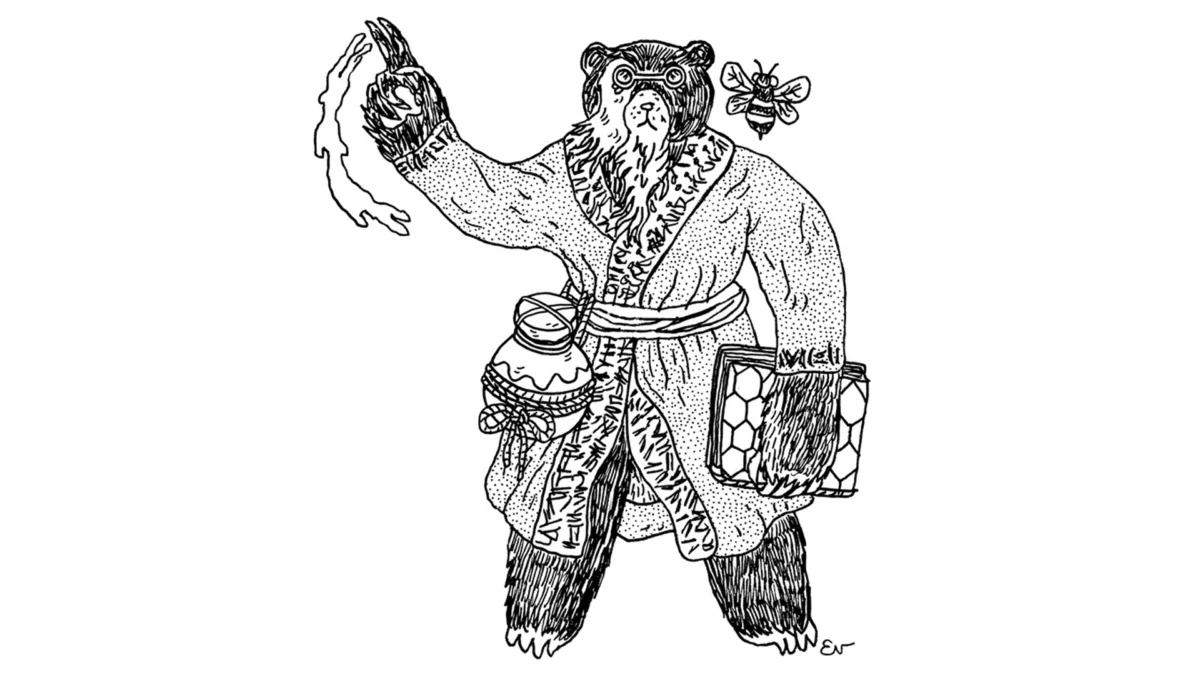
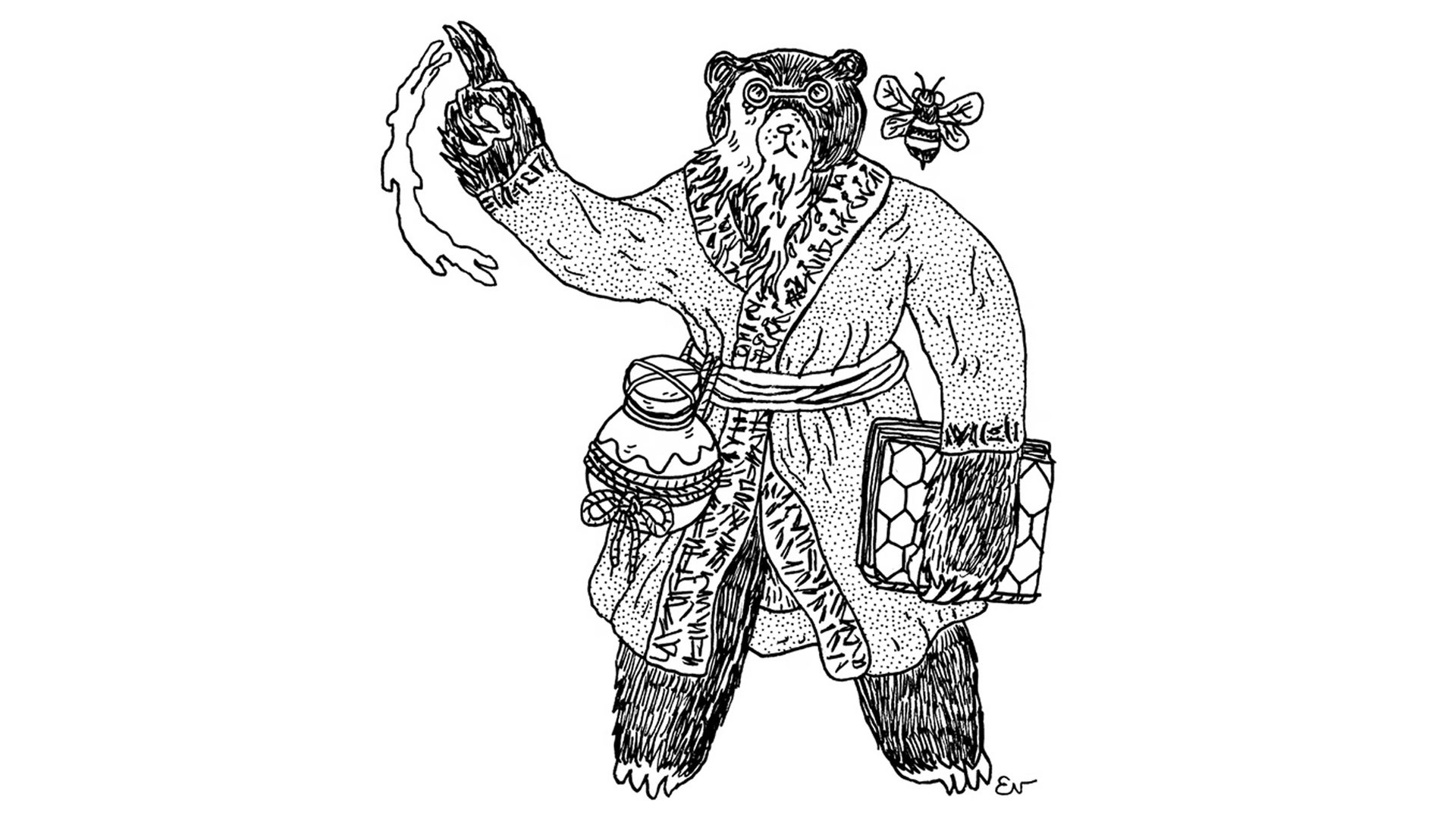
Evlyn Moreau’s artwork is more than just illustrations; it’s an integral part of the game’s identity. Her style, often characterized by expressive characters, dynamic compositions, and a slightly whimsical, hand-drawn feel, perfectly captures the chaotic and comedic essence of "Hello Wizard." Her previous work on RPGs like "Liminal High School" indicates an ability to infuse fantastical elements into relatable settings, making her ideal for depicting wizards who are both powerful and profoundly human (or at least, profoundly fallible). The images shared from "Hello Wizard I Have a Problem" (like "hello-wizard-i-have-a-problem-artwork-2.png" and "hello-wizard-i-have-a-problem-artwork.png") showcase a vibrant, cartoonish aesthetic that immediately signals the game’s lighthearted and fun nature, inviting players into a world where magic is visually lively, even when it’s going terribly wrong.
Target Audience
"Hello Wizard I Have a Problem" casts a wide net for its audience. It’s an excellent entry point for newcomers to tabletop RPGs, thanks to its simple rules and emphasis on improvisation over complex mechanics. The rotating GM role alleviates the pressure often placed on a single GM, making the experience less intimidating.
For experienced TRPG players, it offers a refreshing break from long-form campaigns and crunchy rule sets, providing a perfect "one-shot" game for a casual evening with friends. Fans of improvisational comedy, absurd humor, and the aforementioned comedic influences will find its premise particularly appealing. Essentially, anyone who enjoys a good laugh and is willing to embrace narrative chaos will find a home in the whimsical world of "Hello Wizard I Have a Problem." It caters to those looking for a truly social, interactive, and hilariously unpredictable gaming experience.

Official Responses: Voices from the Creative Heart and Community
The success of "Hello Wizard I Have a Problem" is not only a testament to its innovative design but also to the enthusiasm generated from its creators and the burgeoning community of players eager for a new brand of magical mischief.
Creator’s Insights
Sam Armstrong, the architect behind the game, frequently expressed his excitement about the project and its reception. "Creating ‘Hello Wizard’ has been a journey into the heart of comedic storytelling," Armstrong shared. "I wanted to build a game where failure isn’t just an option, it’s the main event, and where players are rewarded for being clever and funny, not just strategically brilliant. The response from the community has been phenomenal, proving there’s a real hunger for this kind of lighthearted, collaborative chaos." He often emphasized the joy of seeing players react to the unpredictable outcomes generated by the collective GM. "There’s nothing quite like watching a player’s face as their grand spell to conjure a portal to another dimension instead turns their hat into a sentient, judgmental squirrel. That’s the magic of ‘Hello Wizard’!"
Armstrong also highlighted the collaborative aspect as a core design principle. "The game truly shines when everyone leans into the improv. It’s not about winning; it’s about crafting the most memorable, ridiculous story together. The collective GM role empowers everyone to contribute to the narrative’s twists and turns, making every session feel truly unique and shared."
Artist’s Perspective
Evlyn Moreau, whose distinctive art brings the whimsical world of "Hello Wizard" to life, spoke about the creative freedom the project offered. "Sam’s vision for ‘Hello Wizard’ was immediately inspiring," Moreau commented. "It allowed me to really lean into expressive characters and dynamic, often silly, scenes. Translating the idea of powerful but incompetent wizards into visuals was a fantastic challenge, finding that balance between grand magical gestures and their utterly mundane or bizarre failures. I aimed for art that felt both epic and inherently funny, just like the game itself."
Moreau also noted the joy of working on a project that celebrates humor. "In a world that can often feel heavy, creating art for a game that’s all about laughter and collaborative silliness is incredibly rewarding. I hope the artwork invites players to embrace the absurdity and dive headfirst into the problems their wizards inevitably create."
Crowdfunding Campaign Feedback
The Kickstarter campaign for "Hello Wizard I Have a Problem" garnered significant positive feedback, with backers expressing enthusiasm for its unique premise and accessible gameplay. Comments from the campaign page, as well as social media buzz, painted a picture of a community eager for something fresh.
One backer, "Arcane_Acolyte77," commented, "This game is exactly what my group needs! We love TRPGs but sometimes want something lighter and funnier than our usual campaigns. The idea of collectively making spells go wrong sounds absolutely brilliant." Another, "Bardic_Inspiration," added, "The art style is fantastic, and the Monty Python influence is a huge selling point for me. Can’t wait to see what kind of ridiculous problems my wizard gets into!" Many expressed appreciation for the clear rules and quick setup, highlighting the game’s appeal as an accessible entry point or a perfect "one-shot" experience. The swift funding and enthusiastic comments underscore the game’s successful resonance with its target audience, eager for a dose of collaborative, comedic magic.
Implications: Shaping the Future of TRPGs
"Hello Wizard I Have a Problem" is more than just a new game; it represents a noteworthy contribution to the evolving landscape of tabletop roleplaying, offering insights into new design trends and community engagement.
Impact on the TRPG Landscape
The game’s design choices – particularly its GM-less or rotating GM mechanic and its strong emphasis on emergent, comedic narrative – position it as a significant contributor to the ongoing evolution of TRPGs. It challenges the traditional power dynamic of a single Game Master, empowering all players to actively shape the story’s direction and its chaotic turns. This democratization of narrative control is a growing trend in TRPG design, promoting greater player agency and shared ownership of the story.
Furthermore, by centering its gameplay around humor and embracing failure as a primary narrative driver, "Hello Wizard" broadens the scope of what TRPGs can be. It moves beyond the often-serious tones of epic fantasy or grimdark settings, demonstrating the genre’s versatility in delivering pure, unadulterated fun. This could inspire other designers to explore more unconventional themes and mechanics, pushing the boundaries of storytelling in the tabletop medium. It also serves as an excellent gateway game, lowering the barrier to entry for new players who might be intimidated by more complex systems, thereby contributing to the hobby’s overall growth and diversification.
Future of the Game
Following its successful crowdfunding and anticipated release, the future of "Hello Wizard I Have a Problem" looks promising. The established community around the game, fueled by its unique premise, suggests potential for future expansions. These could include additional Problem Generator prompts, new optional rules that introduce even more layers of chaos, or even supplementary modules that offer new settings or character archetypes for players to explore.
Given Sam Armstrong’s presence on Itch.io, there’s also potential for digital implementations or community-created content that could further extend the game’s longevity and reach. The simplicity of its rules makes it an ideal candidate for adaptations or fan-made additions, fostering a vibrant ecosystem around its core mechanics. Long-term success will likely hinge on continued community engagement and the game’s ability to consistently deliver memorable, laughter-filled sessions, establishing itself as a go-to choice for comedic one-shots.
Broader Cultural Resonance
The appeal of "Hello Wizard I Have a Problem" extends beyond the immediate TRPG community, tapping into broader cultural trends. In an era where self-deprecating humor and the embrace of imperfection are increasingly celebrated, a game centered on "incompetent spellcasters" resonates deeply. It reflects a societal shift towards appreciating authenticity, vulnerability, and the humor found in human (or wizardly) fallibility. This aligns with the popularity of anti-hero narratives and the comfort found in collective laughter as a coping mechanism in complex times.
The game also speaks to the enduring appeal of collaborative storytelling. In an increasingly digital and often isolating world, the act of gathering around a table (or virtual table) to weave a shared narrative, especially one filled with humor and unexpected turns, fulfills a fundamental human need for connection and creative expression. "Hello Wizard I Have a Problem" is not just a game; it’s an invitation to embrace the absurd, to laugh at our collective failures, and to forge unforgettable stories with friends, one disastrous spell at a time.