Scream or Skip: Analyzing the State of Modern Horror through the Lens of Late-Summer Media
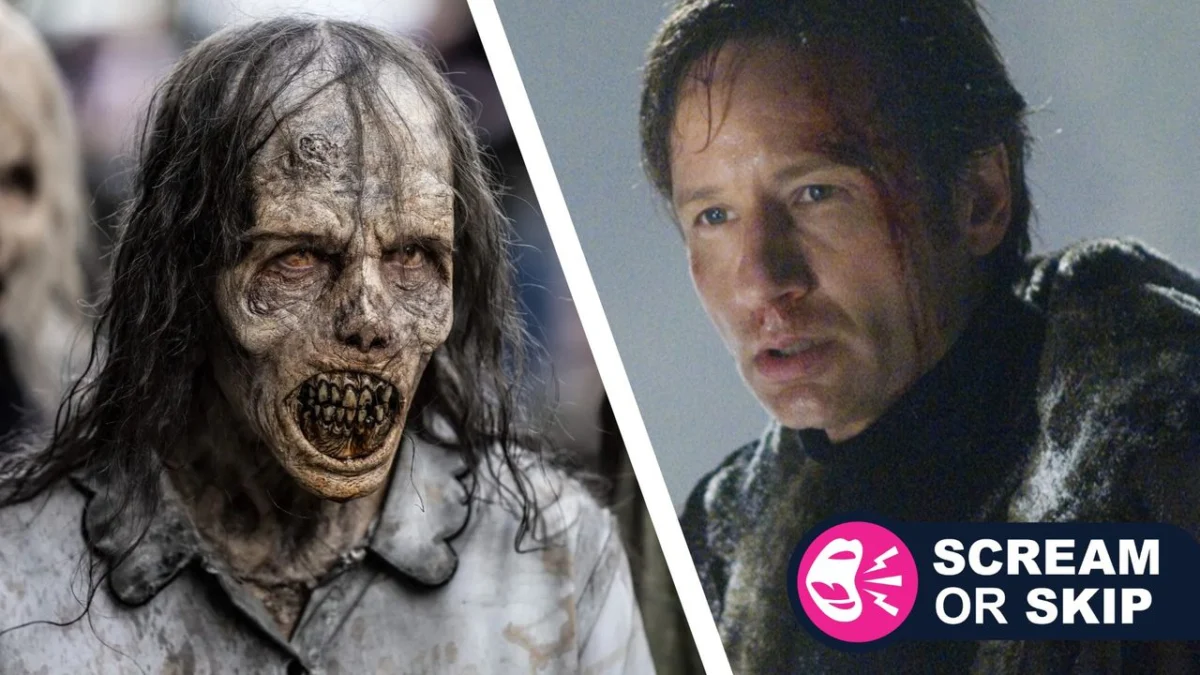
In an era of unprecedented content saturation, the modern horror enthusiast faces a paradox of choice. With streaming platforms like Hulu, Disney+, and AMC+ vying for attention alongside a burgeoning indie gaming scene on Steam, the challenge is no longer finding something to watch or play, but rather identifying what is actually worth the investment of time. This dilemma forms the core of TechRadar’s "Scream or Skip" series, a curated navigational tool led by senior entertainment writer and Rotten Tomatoes-approved critic Lucy Buglass.
The August roundup of horror media highlights a fascinating cross-section of the industry: a revitalized director’s cut of a legacy sci-fi film, a struggling spin-off of a massive television franchise, and a grassroots indie game that leverages nostalgia to deliver contemporary chills.
Main Facts: The August Verdicts
The August "Scream or Skip" assessment focuses on three distinct titles, each representing a different facet of the horror genre. The conclusions reached by Buglass provide a roadmap for fans looking to maximize their "spooky season" preparations.
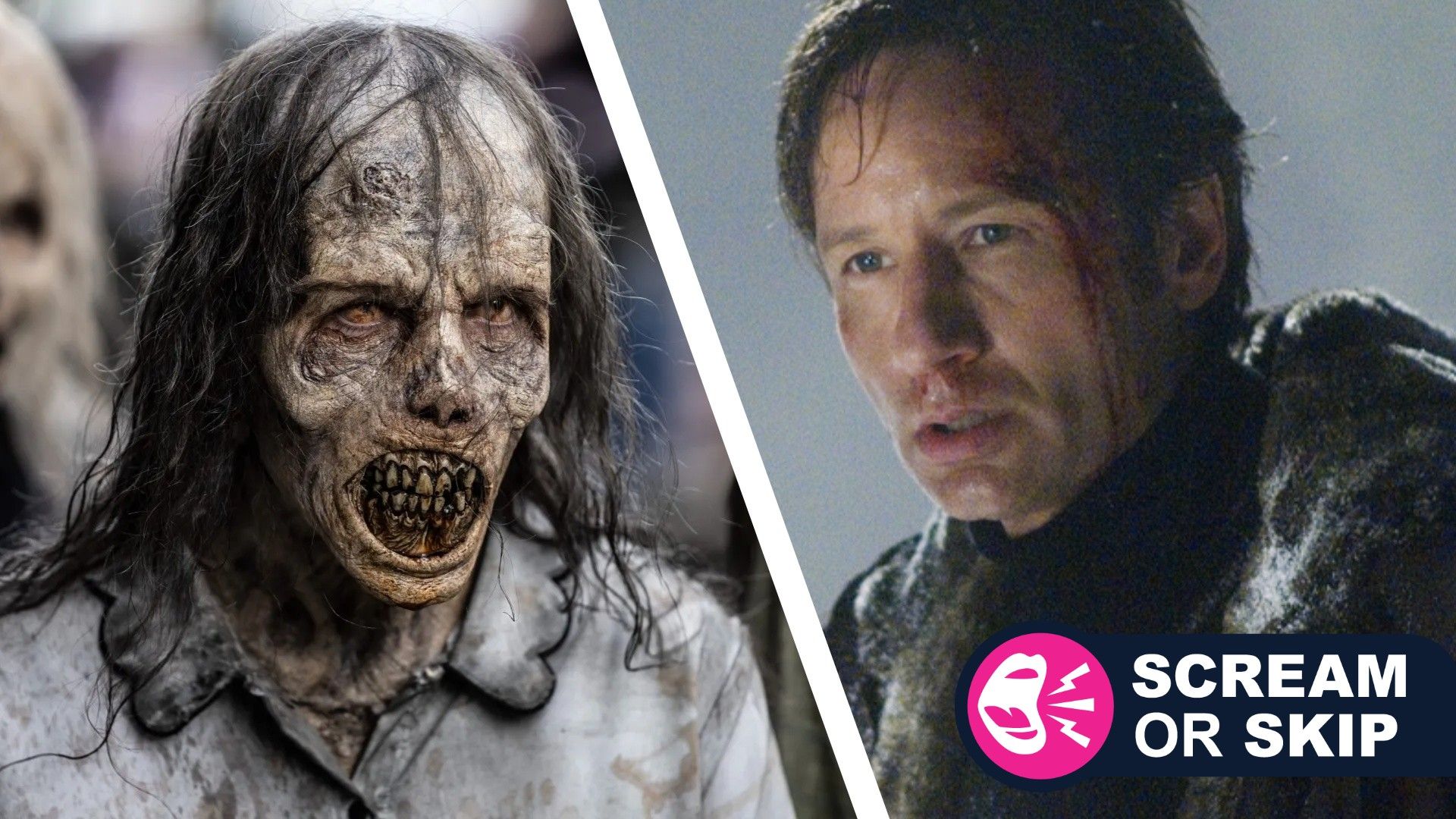
- The X-Files: I Want to Believe – Vrach Frankenshteyn (Director’s Cut): Rated as a "Scream." While the 2008 theatrical release received a lukewarm reception, this specific version leans heavily into body horror elements that were previously excised to maintain a PG-13 rating. It is currently available on Hulu (US) and Disney+ (International).
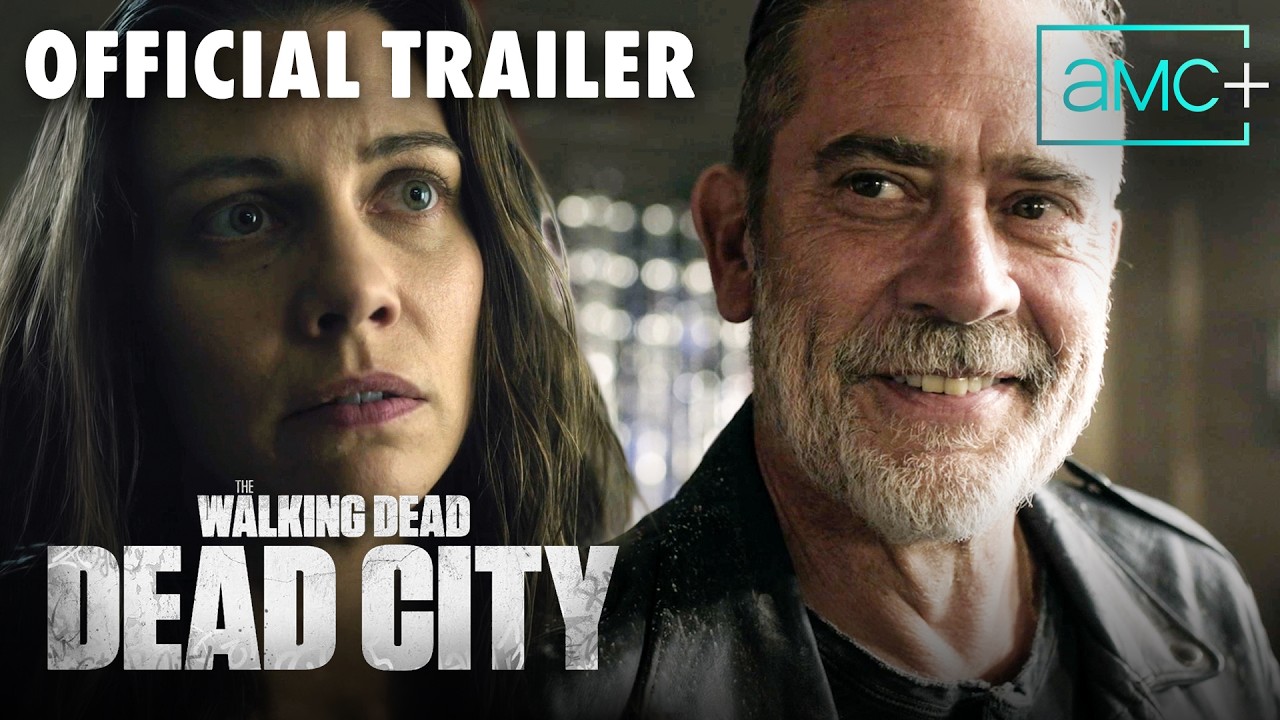
- The Walking Dead: Dead City (Season 3): Rated as a "Skip." Despite the enduring popularity of characters like Negan and Maggie, the series is criticized for narrative stagnation and "franchise fatigue." It is available on AMC+ in the US and Sky/NOW TV in the UK.
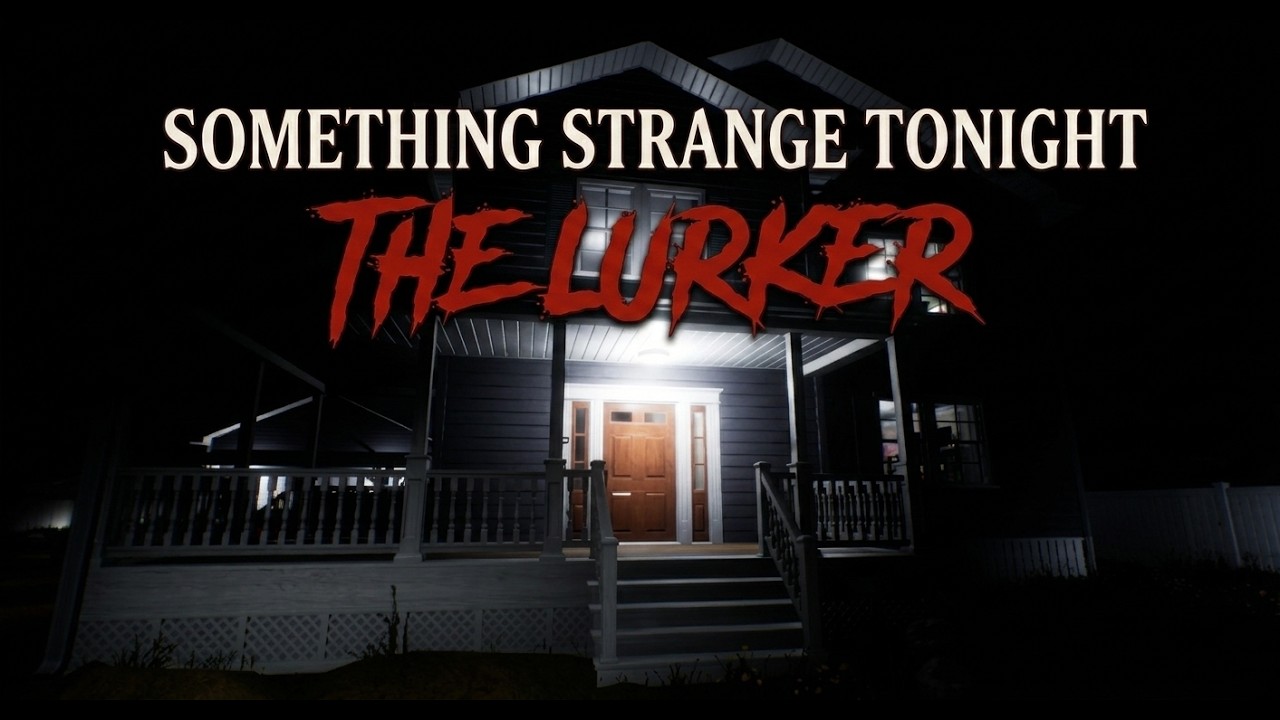
- Something Strange Tonight – The Lurker (Demo): Rated as a "Scream." This indie horror title, discovered via the Steam Discovery Queue, utilizes a low-poly aesthetic to revitalize the classic "slasher in the house" trope. It is currently available for PC players.
Chronology: From Legacy Sci-Fi to Modern Fatigue
To understand the current landscape, one must look at the timeline of these franchises and how they arrived at their current state.
The X-Files franchise, created by Chris Carter, began in 1993 and redefined the "Monster of the Week" procedural. By the time the second feature film, I Want to Believe, was released in 2008, the franchise was struggling to find its footing in a post-9/11 world. The film was largely dismissed as a "glorified episode." However, the subsequent release of the Vrach Frankenshteyn cut (the "Frankenstein’s Doctor" cut) sought to restore Carter’s original vision, which was darker, bloodier, and more aligned with traditional horror than the sci-fi-lite theatrical version.
In contrast, The Walking Dead timeline represents a more modern phenomenon: the "Infinite Franchise." Since its debut in 2010, the main series spawned an ecosystem of spin-offs. Dead City arrived in 2023 as a high-concept expansion, moving the action to a post-apocalyptic Manhattan. However, by August of this year, the show’s third season (under the guidance of showrunner Seth Hoffman) has hit a wall. The transition from original showrunner Eli Jorné to Hoffman has not yet addressed the repetitive nature of the central character dynamics.
Parallel to these corporate giants, the indie horror scene has seen a chronological shift toward "Retro-Horror." Over the last five years, titles like Mouthwashing and now The Lurker have eschewed hyper-realistic graphics for the "low-poly" look reminiscent of the original PlayStation (PS1) era. This movement focuses on atmosphere and psychological tension rather than high-budget spectacle.
Supporting Data: Body Horror and Narrative Stagnation
The data supporting these verdicts reveals a shift in what horror audiences value. In the case of The X-Files: I Want to Believe, the director’s cut succeeds precisely because it reintroduces visceral stakes. The theatrical version was criticized for its lack of "teeth." By restoring the body horror—scenes involving organ harvesting and surgical monstrosities—the film moves from a dull mystery to a chilling medical horror. For fans of the genre, the "Scream" rating is predicated on this shift in tone, proving that the horror is in the details.
Conversely, the data on The Walking Dead: Dead City suggests a decline in narrative ROI (Return on Investment). While the show features fan-favorite Jeffrey Dean Morgan (Negan) and Lauren Cohan (Maggie), the "Skip" verdict is supported by the cyclical nature of their relationship. After over a decade of history between these characters, the series continues to rely on the same friction points. Compared to other spin-offs like The Walking Dead: The Ones Who Live, which boasted higher production values and a more focused narrative arc, Dead City suffers from what critics call "recycled plotlines." The pacing in the first three episodes of the latest season has been noted as particularly sluggish, failing to justify its existence beyond brand extension.
The gaming sector provides the most surprising data point. Something Strange Tonight – The Lurker demonstrates the power of the "Steam Discovery Queue." Indie horror games have a higher engagement rate when they subvert expectations. The Lurker takes the "babysitter in peril" trope—a staple of 1970s and 80s cinema—and adds interactive layers of distrust. The player must manage a series of visitors, each potentially a threat. This "trust-mechanic" creates a level of tension that high-budget AAA games often struggle to replicate.
Official Responses and Critical Consensus
The response from the studios and developers involved reflects the current "Streaming Wars" strategy. AMC has doubled down on The Walking Dead universe, with executives frequently stating that the brand is "not a show, but a world." However, critical consensus suggests that this "world-building" is coming at the cost of individual story quality. The shift in showrunners for Dead City was intended to inject new life into the Manhattan setting, but early reviews suggest the change has yet to yield a distinct creative voice.
Regarding The X-Files, Chris Carter has long been vocal about the compromises made for the theatrical release of I Want to Believe. The existence of the Vrach Frankenshteyn cut is a direct response to a vocal fan base that felt the theatrical version was too sanitized. The "Scream" verdict from Buglass aligns with a growing movement of "Director’s Cut" enthusiasts who believe streaming platforms are the perfect home for these unrated, more intense versions of previously misunderstood films.
In the indie gaming sphere, the developers of The Lurker have focused on the "wishlist" economy. By releasing a high-quality demo, they have leveraged viral potential on platforms like YouTube and Twitch, where jump-scare-heavy indie games often find their largest audiences.
Implications: The Future of Horror Consumption
The August roundup carries several implications for the future of the horror genre.
1. The Rise of the "Niche Cut": The success of the X-Files director’s cut suggests that there is a significant market for "rehabilitated" films. As streaming services look for "new" content without the cost of new productions, we can expect more "unrated" or "extended" cuts of older horror and sci-fi properties to appear on platforms like Hulu and Disney+.
2. The Limits of Franchise Longevity: The Walking Dead: Dead City serves as a cautionary tale for the industry. It suggests that even the most beloved characters cannot sustain a series if the narrative dynamics remain static. The "Skip" verdict implies that audiences are reaching a saturation point where brand recognition is no longer enough to guarantee viewership. To survive, spin-offs must offer more than just familiar faces; they must offer fundamental changes to the status quo.
3. The "Lo-Fi" Revolution in Gaming: The "Scream" rating for The Lurker underscores the continued dominance of the "low-poly" aesthetic in horror gaming. This trend suggests that for the horror audience, "fidelity" is not synonymous with "fear." By stripping away graphical complexity, indie developers are able to focus on psychological triggers and environmental storytelling, a lesson that larger game studios may need to heed.
4. The Role of Curation: Perhaps the most significant implication is the necessity of curators like Lucy Buglass. In a marketplace where "endless scrolling" has become a deterrent to consumption, the "Scream or Skip" model provides a vital service. It acknowledges that horror is a subjective experience but uses professional criteria—pacing, gore quality, narrative originality—to provide a reliable benchmark for the audience.
As we move toward the primary horror season of October, the August findings suggest a shifting tide. The "Screams" are coming from unexpected places—director’s cuts and indie demos—while the "Skips" are coming from the established titans of the industry. For the horror fan, the message is clear: look past the big-budget marketing and seek out the visceral, the experimental, and the restored.