The Ethics of True Crime: How BBC’s ‘Murder 24/7’ is Redefining a Controversial Genre
The true crime genre has undergone a radical transformation over the last decade, evolving from a niche interest into a global cultural phenomenon. However, as streaming platforms continue to churn out content at an unprecedented rate, a growing chorus of critics, legal experts, and victims’ advocates are raising concerns about the ethical implications of "crime as entertainment." While many modern documentaries focus on sensationalism and "binge-worthy" narratives, the BBC’s Murder 24/7 has emerged as a stark, educational counter-narrative, challenging the industry to prioritize transparency and reality over high-gloss dramatization.
Main Facts: The Commodification of Trauma vs. Real-Time Investigation
In the current media landscape, true crime is often criticized for being consumed "irresponsibly." Streaming giants like Netflix have popularized a format that frequently prioritizes narrative hooks and cliffhangers, sometimes at the expense of the human subjects involved. Shows such as Trust Me: The False Prophet, Devil in the Family: The Fall of Ruby Franke, and Unknown Number: The High School Catfish have been noted for their rapid commodification into internet meme culture, where the suffering of real individuals is distilled into social media "content."
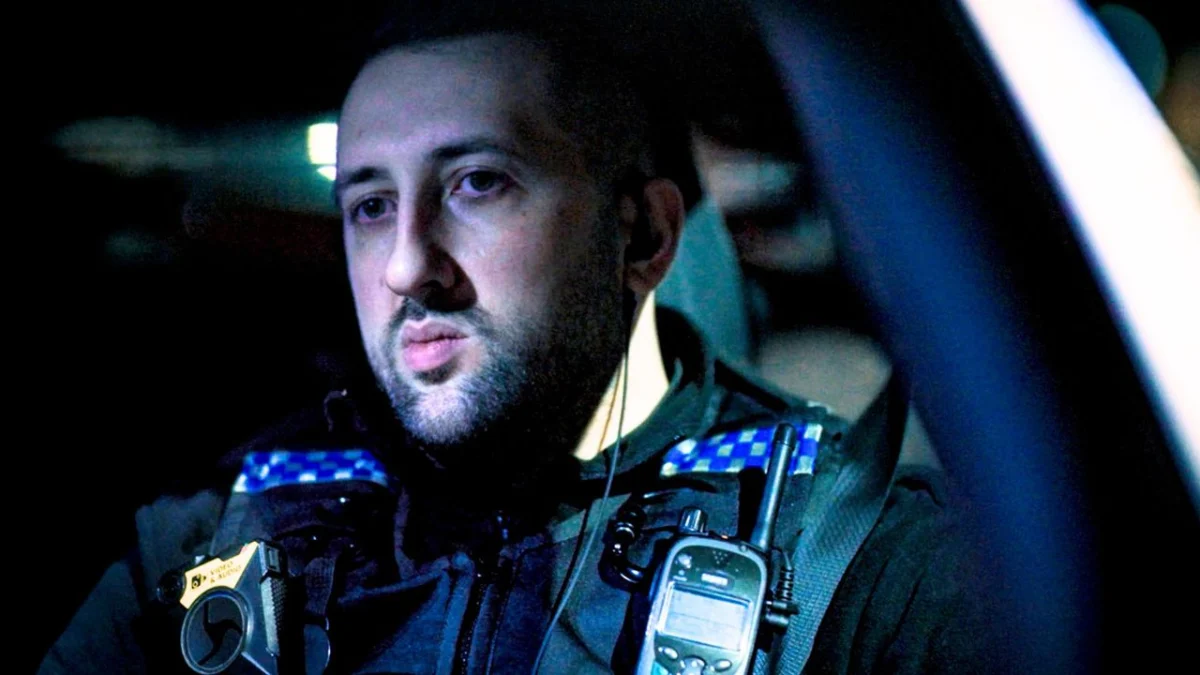
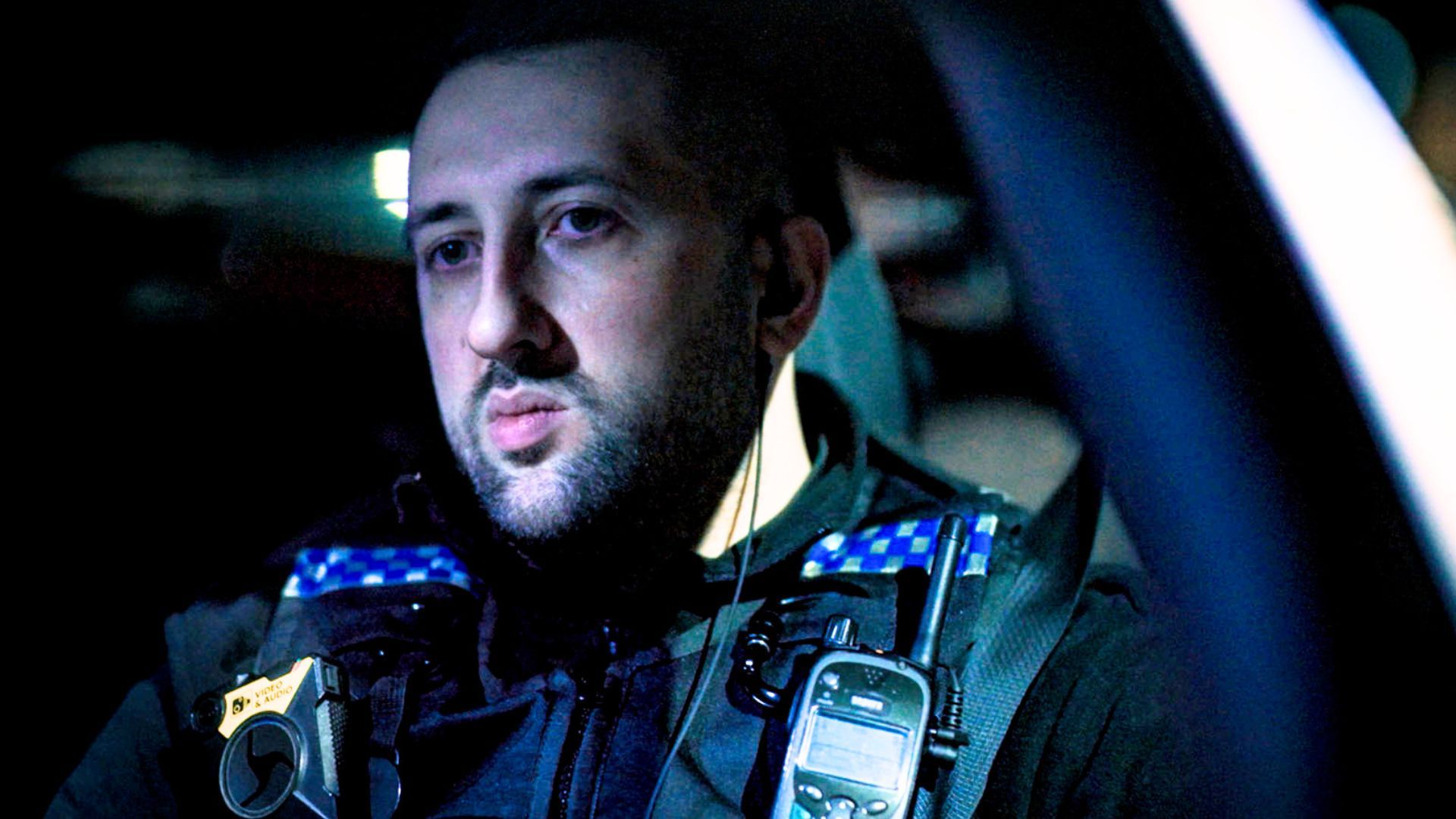
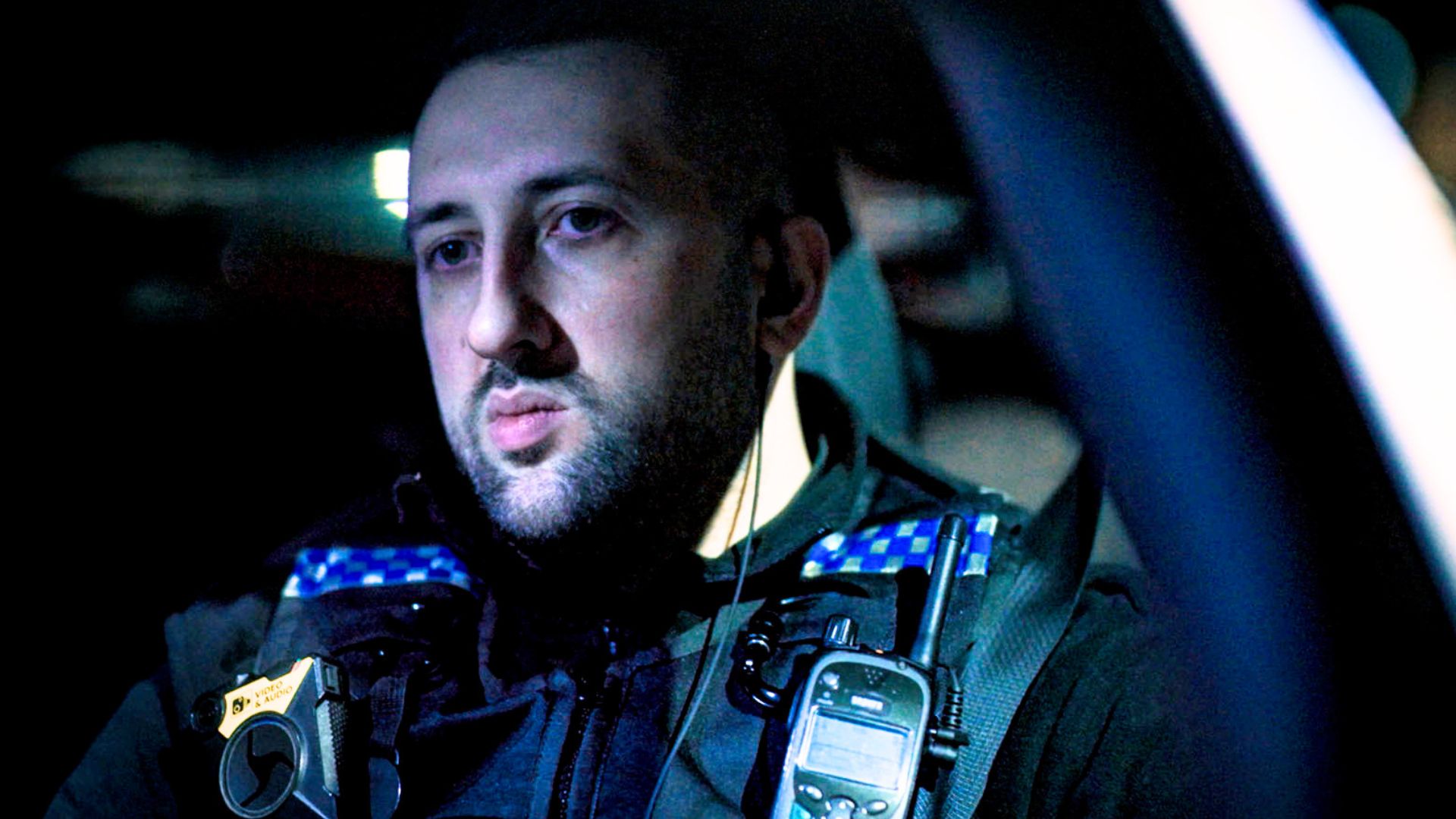
In contrast, the third season of Murder 24/7, currently streaming on BBC iPlayer, offers a different blueprint. Produced by Expectation Entertainment, the series avoids the traditional tropes of the genre. There are no scripted narrations, no polished sit-down interviews with "talking head" experts, and no dramatic reenactments. Instead, the show utilizes a fly-on-the-wall approach, following regional UK police forces—primarily across Essex and other home counties—as they navigate active murder investigations from the moment a 999 call is placed.
The "gold standard" set by Murder 24/7 lies in its commitment to the mundane. It strips away the "Hollywood" sheen of forensic science, showing instead the painstaking reality of door-to-door inquiries, the exhaustion of reviewing thousands of hours of CCTV footage, and the bureaucratic hurdle of endless paperwork. By focusing on the process rather than just the "whodunnit," the series shifts the viewer’s role from a passive consumer of tragedy to an informed observer of the justice system.
Chronology: The Evolution of the True Crime Boom
To understand why Murder 24/7 is considered a "refreshing" departure, one must look at the timeline of the true crime explosion:
2014–2015: The Catalyst Era
The genre was fundamentally altered by the release of the podcast Serial (2014) and the Netflix docuseries Making a Murderer (2015). These productions introduced high-level investigative journalism to a mass audience. Crucially, Making a Murderer demonstrated that media could impact the legal system, bringing international attention to the case of Steven Avery.
2016–2020: The "Binge" Expansion
Following the success of Avery’s story, streaming platforms began greenlighting true crime projects at an accelerated rate. This era saw the rise of "cult" documentaries like Wild Wild Country and Tiger King. While popular, these shows began to lean more heavily into eccentric personalities and shock value, moving away from the procedural focus of earlier works.
2021–Present: The Ethical Backlash and the Rise of Procedural Realism
As audiences became "desensitized" to traditional crime narratives, a backlash began regarding the "meme-ification" of victims. This led to a demand for more ethical storytelling. Murder 24/7 launched its first series during this transition, aiming to show the unvarnished reality of British policing. The release of Season 3 in 2024 marks a pinnacle in this "procedural realism" movement, coinciding with a heightened public discourse on social issues such as violence against women and girls (VAWG).
Supporting Data: Viewership Trends and the "CSI Effect"
The hunger for true crime is backed by significant data. According to market research, true crime is one of the most-watched genres on streaming platforms, with a demographic that is overwhelmingly female (estimated at nearly 75% of the core audience). However, psychologists have warned about the "CSI Effect"—a phenomenon where jurors and the public develop unrealistic expectations of the legal system based on glamorized television portrayals.
The Reality of Forensic Timelines
In glamorized dramas, DNA results often return in hours. Supporting data from UK police forces suggests that real-world forensic processing for non-urgent cases can take weeks or even months. Murder 24/7 highlights this lag, showing detectives waiting anxiously for lab results that may or may not provide the "smoking gun" evidence they need.
The Prevalence of Domestic Violence
The third season of Murder 24/7 arrives at a time when domestic violence statistics in the UK are under intense scrutiny. According to the Office for National Statistics (ONS), the police in England and Wales recorded 889,918 domestic abuse-related crimes in the year ending March 2023. Murder 24/7 addresses this head-on in its Season 3 finale, documenting the case of Lee Sargent. Sargent was convicted of the attempted murder of his partner, whom he attacked with a meat cleaver. The series illustrates the "internal police system" check, which revealed a history of repeated offenses—a data point that underscores the systemic nature of domestic volatility.
Official Responses: Transparency and Public Trust
The production of a show like Murder 24/7 requires unprecedented cooperation from law enforcement. The response from participating forces, such as the Essex Police and Kent Police, has generally been positive, framed as a tool for public transparency.
Law Enforcement Perspective
Official statements from police representatives often emphasize that allowing cameras into the "Major Crime Room" helps demystify the work of detectives. By showing the frustrations—suspects who refuse to cooperate (the "no comment" interviews) and the sheer volume of digital evidence—police forces hope to manage public expectations and demonstrate the rigors of the "Golden Hour" (the critical first 24 hours of an investigation).
The BBC’s Mandate
As a public service broadcaster, the BBC operates under a mandate to "inform, educate, and entertain." Producers of Murder 24/7 have stated that their goal is to provide a "360-degree view" of an investigation. Unlike commercial platforms that may prioritize "shareable" moments, the BBC’s approach is designed to be a historical record of the UK’s judicial process. The response from the families of victims involved in the show is also handled with a specific protocol, ensuring that the production does not interfere with active legal proceedings or cause undue secondary trauma.
Implications: The Future of True Crime as Education
The success and critical acclaim of Murder 24/7 have significant implications for the future of the true crime genre. It suggests that there is a viable market for "slow" media—content that does not rely on sensationalism but rather on the intellectual engagement of the viewer.

Shifting the Narrative Focus
The primary implication is a shift from "Whodunnit" to "How-it’s-done." By focusing on the mechanics of justice, these documentaries can serve as a form of civic education. Viewers learn about the laws of evidence, the rights of the accused, and the immense resources required to bring a single case to trial. This transparency can lead to a more critical and informed public discourse regarding police funding and legal reform.
Addressing Social Issues
The inclusion of cases like Lee Sargent’s highlights how true crime can be used as a vehicle for social awareness. When a documentary links a specific crime to broader societal trends—such as the "explosion of violence against women"—it moves beyond mere entertainment. It forces the audience to confront the reality that many "crimes" are the result of systemic failures and long-term patterns of abuse that neighbors and authorities were aware of for years.
The Ethical Threshold
Ultimately, Murder 24/7 sets a new ethical threshold. It suggests that for a true crime series to be "responsible," it must respect the gravity of its subject matter. It proves that it is possible to create "binge-worthy" content that is also substantial, somber, and respectful. As the genre continues to evolve, the "gold standard" will likely be measured by how well a production balances the public’s curiosity with the dignity of the victims and the integrity of the legal process.
In a culture that "devours" true crime, Murder 24/7 serves as a necessary palate cleanser. It reminds us that behind every "trending" story is a grieving family, a frustrated detective, and a legal system that is far more complex and fragile than a 60-minute episode can usually convey. By choosing education over exploitation, the BBC has provided a roadmap for how we might consume true crime more responsibly in the future.