FolkloreThursday Website Transitions to Archive, Community Spirit Endures

LONDON, UK – The popular online hub for folklore enthusiasts, #FolkloreThursday.com, has announced a significant transition, ceasing regular updates to its website. In a poignant statement utilizing mythological imagery, the team behind the initiative declared that the site has "paid the ferryman’s obol" and will now serve as a cherished archive, celebrating years of dedicated work and contributions from its global community. While the central website enters a new phase, the vibrant #FolkloreThursday hashtag day on Twitter, along with a robust network of related daily folklore hashtags, courses, podcasts, and institutions, continues to thrive, underscoring the enduring passion for folklore in the digital age.
Main Facts: A Digital Repository for Enduring Lore
The primary news revolves around the operational shift of the #FolkloreThursday website. Effective March 3rd, 2022, the site stopped receiving regular content updates. This decision marks the end of an era for a platform that has been a cornerstone for many seeking to engage with and contribute to the study of folklore. The website will, however, remain online as a "virtual haven," a testament to the "incredible spirit and hard work of our team and all our fantastic contributors." This ensures that the wealth of articles, resources, and insights gathered over its active years will remain accessible for future generations of folklorists, researchers, and enthusiasts.
The team acknowledges that, due to the cessation of updates, some external links on the site might be inactive or point to outdated information. This is a natural consequence of maintaining a static archive in the dynamic digital landscape. Despite this, the site’s primary function as a historical record and a source of inspiration remains intact, inviting visitors to "cherish the memories together."

Chronology: A Legacy Forged Over Years
FolkloreThursday emerged as a significant voice in the online folklore community, building a considerable following through its engaging content and its central role in facilitating the weekly Twitter hashtag day. Over "the last few years," as the team noted, it cultivated a space for sharing stories, research, art, and discussions related to folklore from around the world. The decision to transition the website to an archival state, effective March 2022, reflects a natural evolution for digital projects, often influenced by the volunteer efforts and changing capacities of their dedicated creators.
The original concept of #FolkloreThursday as a weekly engagement prompt on Twitter predates the website’s active hosting cessation. It successfully harnessed the power of social media to unite a disparate global community under a common banner, demonstrating the potential for digital platforms to foster academic and popular interest in cultural heritage. The continued existence of the hashtag, even without official hosting, speaks volumes about the organic community it fostered.
Supporting Data: A Thriving Ecosystem of Lore Keepers
While the #FolkloreThursday website itself transitions, the broader folklore community it helped foster continues to flourish, supported by a diverse array of online and offline resources. The original announcement meticulously details this rich ecosystem, providing a comprehensive guide for anyone looking to delve deeper into folklore studies.
Supporting the Core Team’s Enduring Work
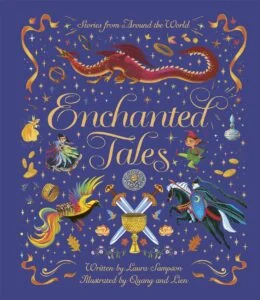
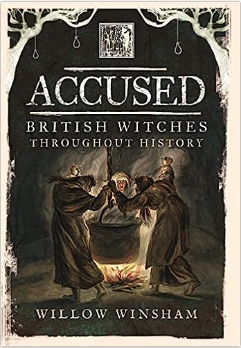
The individuals who were instrumental in #FolkloreThursday’s success continue their work through various projects, often manifesting in published books. The article encourages supporters to consider purchasing these works, acknowledging the dedication involved in producing such content. Featured books include "England’s Witchcraft Trials" by Willow Winsham and "Accused: British Witches throughout History," both offering deep dives into specific aspects of historical folklore and social history.
Beyond these publications, the article spotlights several key contributors and their ongoing endeavors:
- Dee Dee Chainey (@DeeDeeChainey): A notable author, her works can be found on Waterstones.
- Willow Winsham (@WillowWinsham): An author and researcher, maintaining a personal website.
- Amelia Starling (@willowwebwords): Engaged with the community through Instagram.
- Amanda Edmiston~Botanica Fabula~Herbal Storyteller (@HerbalStorytell): Blends storytelling with herbal lore.
- Centre for Folklore, Myth and Magic (Todmorden, England) (@CentreMyth): A physical and digital hub for folklore studies.
- Historium Unearthia (@HistoriumU): Focuses on unearthed histories and narratives.
- Myth Crafts (@MythCrafts): Combines mythology with creative crafts.
- Living Library (@ShanonSinn): A platform for diverse stories and knowledge.
- Fabulous Folklore Podcast (@IcySedgwick): A dedicated podcast exploring various folklore topics.
- Dr Ben Gazur (@BenTheEpicure): Contributes academic insights to the field.
These individuals and organizations represent the enduring intellectual and creative power that underpinned #FolkloreThursday, and their continued activity ensures the field remains vibrant. The article also points to a comprehensive "team page" for a full list of past contributors and encourages support for "brilliant Patreon supporters," highlighting the community’s collective effort.
The Twitter Folklore Week: A Daily Dive into Diverse Traditions
Perhaps the most significant legacy of #FolkloreThursday’s community-building efforts is the "Twitter folklore week," a series of themed hashtag days that allow enthusiasts to engage with specific aspects of folklore throughout the week. This decentralized approach ensures that the spirit of collective discovery and sharing continues unabated.
-
Mythology Monday (@MythologyMonday): Kicking off the week, #MythologyMonday is dedicated to "stories from world mythology." Founded by @independentpen, @AimeeMaroux, and @ClassicalMyths, this hashtag serves as a global forum for sharing and discussing ancient narratives, pantheons, and legendary tales that have shaped cultures across continents. It emphasizes the enduring power and universality of myth in human experience.
-
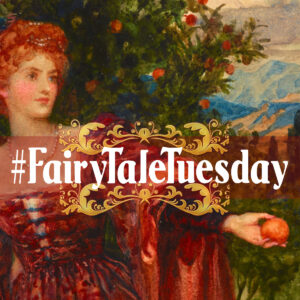
Fairy Tale Tuesday (@FairyTale_Tues): Curated by @AmandaBergloff, #FairyTaleTuesday invites "lovers of fairy tales, folktales, legends, and myths from around the world" to share stories, art, music, and film. Each Tuesday features a specific theme, fostering a collaborative learning environment. This day highlights the narrative richness and symbolic depth found in tales passed down through generations, often revealing common human anxieties, hopes, and dreams. The visual identity of this day is evoked by a logo featuring "Hesperia" by Frank Dicksee, an image rich with mythological resonance.
-
Wyrd Wednesday (@WyrdWednesday): For those with a penchant for the unusual and extraordinary, #WyrdWednesday, hosted by the "3 Mothers of the Wyrd" (@DirkPuehl, @MaeneSigne, and @RGeirsson), celebrates "oddities and eccentricities." Weekly themes span "bizarre historical events to esoteric cultural paradigms to quirky elements of pop culture," making it a fascinating exploration of the peculiar and unexplained aspects of human culture and belief. The hashtag embraces the Old English concept of ‘wyrd’ – fate or destiny – but with a focus on the strange and wonderful.

-
Folklore Thursday (@FolkloreThurs): Despite the cessation of official hosting from March 3rd, 2022, the original #FolkloreThursday hashtag is encouraged to continue. The community is urged to "share their own folklore to the tag, and support each other—and maintain the community—by liking and sharing each other’s posts." To aid this, the website provides "a list of weekly hashtag day themes covering the whole year," ensuring continued inspiration. This highlights the self-sustaining nature of the community and its commitment to collective engagement, allowing the original spirit to live on through peer-to-peer interaction. The extensive archive of articles on FolkloreThursday.com also remains a primary resource.
-
Book Chat Weekly (@BookChatWeekly): Running parallel to the folklore themes, #BookChatWeekly, hosted by @Kerria, provides a space for "readers, writers and dreamers" to share inspiration. Thursdays are specifically themed, making it a natural complement for those interested in the literary aspects of folklore and related genres. It emphasizes the interdisciplinary nature of folklore, connecting it with broader literary pursuits.
-
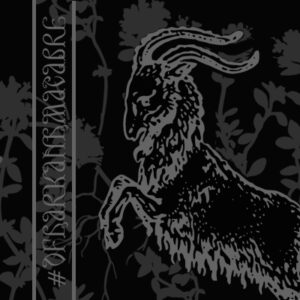
Faustian Friday (@ofdarknmacabre): Dedicated to #Darkfolklore and #Folkhorror, #FaustianFriday is the weekly main event of the @ofdarknmacabre page, run by Natalja Saint-Germain (@bjorn_stjerne) and Dirk Puehl (@DirkPuehl). Themes like "Clairvoyants, Ghost Whisperers and Fortunetellers" or "Burning Bright—Folklore, Symbolism & the Magic of Fire" delve into the more sinister, mysterious, and macabre elements of folklore. Co-hosted with @INeveenBadr, it fosters discussion on gothic literature, art, movies, and other dark cultural phenomena. The page also hosts special events throughout the year, such as #Gothic12tide and #31DaysofHalloween, expanding the scope of engagement.
-
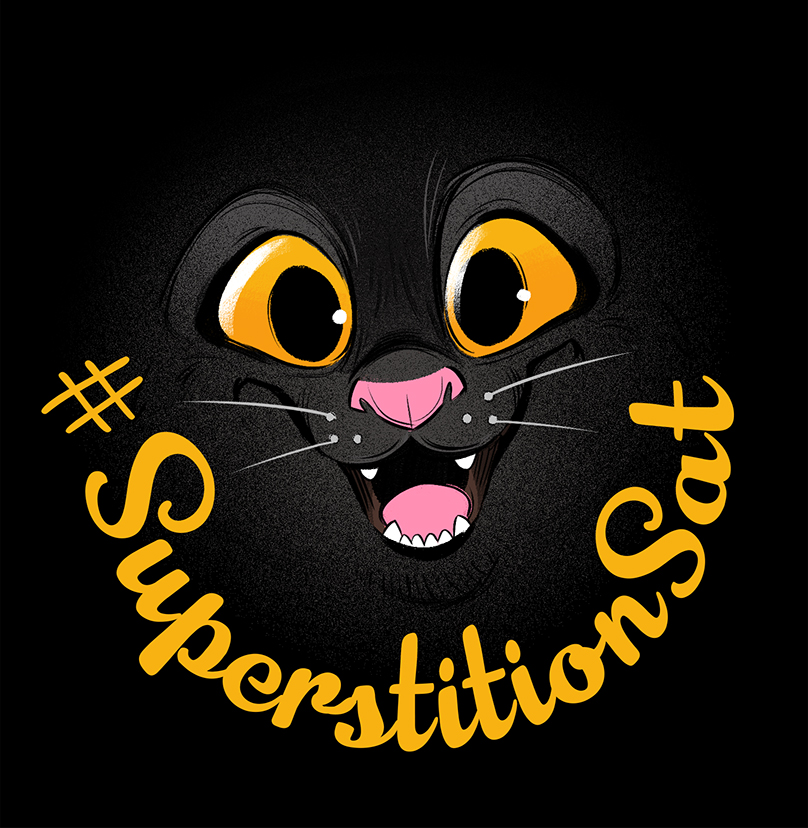
Superstition Saturday (@SuperstitionSat): Launched in April 2020 by @avalonbalcony, #SuperstitionSat focuses on "superstitions, charms or good luck omens from around the world." Hosted by its mascot, Superstition Sam, it runs every Saturday, aiming to demonstrate universal human connections through shared hopes for positive outcomes. It offers a fascinating look at the diverse ways cultures attempt to influence fate and fortune. The initiative also extends to a dedicated website and Instagram account.
-
BookWormSat(urday) (@lit_saturday): Hosted by @maenesigne and @DeeringRachel, #BookWormSat celebrates literature every Saturday. It’s a platform for sharing "literary gems that continue to inspire us centuries after they were written," encompassing medieval literature, poetry, and gothic novels. This hashtag underscores the deep interconnections between folklore and literary traditions across historical periods.
-
Swamp Sunday (@swampsunday): Concluding the week, #SwampSunday, hosted by Natalja Saint-Germain (@bjorn_stjerne), explores "the folklore, mythology and aesthetics of swamps and other waterbodies." This theme aims to teach and entertain while raising awareness about the environmental importance of these often "demonized" ecosystems. It also introduces the permanent hashtag #dontgointothewoods to broaden the subject to forests and highlight concerns about deforestation, merging folklore with environmental advocacy. An accompanying Instagram account further enriches the experience.

Other Places to Find Folklore: A Global Network of Resources
Beyond the immediate #FolkloreThursday sphere, the article provides an extensive directory of institutions, societies, and initiatives dedicated to folklore worldwide, showcasing the breadth of scholarship and popular interest in the field. These include:
- Academic and Archival Institutions: The American Folklife Centre (Library of Congress), The American Folklore Society, The Folklore Society (UK), Smithsonian Center for Folklife and Cultural Heritage, Centre of Contemporary Legend (Sheffield Hallam University), The Folklore Library & Archive. These bodies are crucial for preservation, research, and scholarly discourse.
- Specialized Publications and Projects: Gramarye: The Journal of the Chichester Centre for Fairy Tales, Fantasy and Speculative Fiction, Hellebore Magazine, Hyakumonogatari Kaidankai (Japanese ghost stories), Mythological Africans, Norwegian Folktales, Rituals and Declarations, Salt & Mirrors & Cats. These cater to specific interests and regional lore.
- Community and Cultural Revival Groups: English Folk Dance and Song Society, Folk Horror Revival, Lancashire Folk, Black Fairy Tales & Folktales Matter—Useful Resources, Santuario Lunar, The Taibhsear Collective. These groups actively engage in promoting, documenting, and celebrating cultural traditions.
- Regional Focus: Haunted Ohio Books (focusing on local supernatural lore).
Folklore Courses: Formalizing the Study of Tradition
For those seeking structured learning, the article lists several online and in-person academic programs, demonstrating the growing recognition of folklore as a legitimate field of study:
- Online: Carterhaugh School of Folklore and the Fantastic (founded by Brittany Warman and Sara Cleto), and Mark Norman’s "Introduction to British Folklore" course via LearnforPleasure.com. These offer flexible learning opportunities for a global audience.
- In-person: MA Folklore Studies (University of Hertfordshire), Centre of Contemporary Legend (Sheffield Hallam University), Taught MLitt in Ethnology and Folklore (The Elphinstone Institute, University of Aberdeen), and Folklore and Public Culture Program (University of Oregon). These programs offer rigorous academic training, fostering critical thinking and research skills in ethnology and folklore.
Podcasts: Accessible Narratives for the Digital Age
The proliferation of podcasts has provided an accessible and engaging medium for folklore to reach wider audiences. The article lists a diverse range of podcasts, each offering a unique lens into the world of traditional tales and beliefs:
- Narrative and Storytelling: Alternative Stories Podcast, Away With The Fairies Podcast, By The Fire Podcast, The Curiosity of a Child Podcast, Tales and Folklore From the Sacred Isle, Tales of Britain and Ireland, TalesFromTheEnchantedForest Podcast.
- Dark and Macabre: Bone and Sickle Podcast, Dark Histories Podcast, Urban Legends Podcast, WitchStory Podcast.
- Mythology and History: Godyssey, History and Folklore Podcast, History With Cats, Legendary Africa Podcast, Myth Monsters Podcast, Wonderer’s History Podcast.
- Specific Regions/Topics: Eerie Essex Podcast, Feyfellows Podcast, The Monster Guys.
- Academic/Analytical: Folklore and Fiction, The Folklore Podcast, What the Folklore Podcast.
This extensive list underscores the vitality of auditory storytelling in preserving and disseminating folklore in contemporary society, offering formats that range from academic discussions to entertaining narratives.
Official Responses: Gratitude and a Call for Continued Engagement
The original announcement from the #FolkloreThursday team serves as their official response, imbued with a tone of gratitude and encouragement. They explicitly state their desire for the community to continue using the #FolkloreThursday hashtag, emphasizing the importance of peer-to-peer support, liking, and sharing posts to "maintain the community." The provision of weekly themes on their archived website is a tangible effort to provide ongoing inspiration and structure for this continued engagement.
Their decision to maintain the website as a "heartfelt tribute" rather than simply taking it down speaks to their deep respect for the collective effort of their team and contributors. It’s a message that acknowledges the past contributions while gently guiding the community toward a self-sustaining future. The call to buy their books is a direct appeal for continued support for the individual endeavors of the dedicated scholars and creators who made #FolkloreThursday possible.
Implications: A Maturing Digital Folklore Landscape
The transition of the #FolkloreThursday website, rather than signaling an end, highlights the maturing landscape of digital folklore engagement. Its implications are multi-faceted:
Firstly, it underscores the resilience and adaptability of online communities. The #FolkloreThursday hashtag day, along with its daily counterparts, demonstrates that the spirit of collective inquiry and sharing can persist and even flourish in a decentralized manner, less reliant on a single hosting entity. This model allows for broader participation and ownership by the community itself.
Secondly, it emphasizes the importance of archival efforts in the digital age. By maintaining the website as a tribute and resource, #FolkloreThursday ensures that years of valuable content remain accessible, contributing to the historical record of digital humanities and folklore studies. This acts as a model for other online projects to consider their long-term legacy.
Thirdly, the comprehensive lists of other resources – from academic institutions to independent podcasts – illustrate the vibrancy and diversity of the contemporary folklore ecosystem. It shows that interest in folklore is not diminishing but rather diversifying and finding new platforms for expression and study. This distributed network provides ample opportunities for enthusiasts to engage with folklore in myriad ways, catering to different interests, learning styles, and geographical locations.
Finally, the shift also serves as a reminder of the often-volunteer-driven nature of such passion projects. The transition may reflect the natural ebb and flow of resources, time, and energy that dedicated individuals can commit. By openly communicating this transition and offering pathways for continued engagement and support (such as purchasing books), #FolkloreThursday has navigated this change with grace, leaving behind a positive legacy and a clear path forward for its dedicated community. The world of folklore, both ancient and digital, continues its captivating journey, ever evolving but always rooted in the shared human experience of story and tradition.