
Weekend Cultural Dispatch: Navigating Liminal Fears, Retro Revivals, and Unseen Narratives
FOR IMMEDIATE RELEASE
[City, State] – [Date] – As the week draws to a close, a compelling array of cultural experiences awaits, offering a spectrum from spine-chilling horror to nostalgic gaming, and from gripping investigative journalism to quirky niche obsessions. This curated weekend guide steps in to illuminate the most noteworthy cinematic releases, literary deep dives, and digital adventures, providing a comprehensive overview for discerning audiences. From the unsettling corridors of a breakout horror phenomenon to the vibrant pixel art of a highly anticipated video game, this dispatch offers insights into the narratives shaping our current cultural landscape.
I. Main Facts: A Diverse Weekend Offering
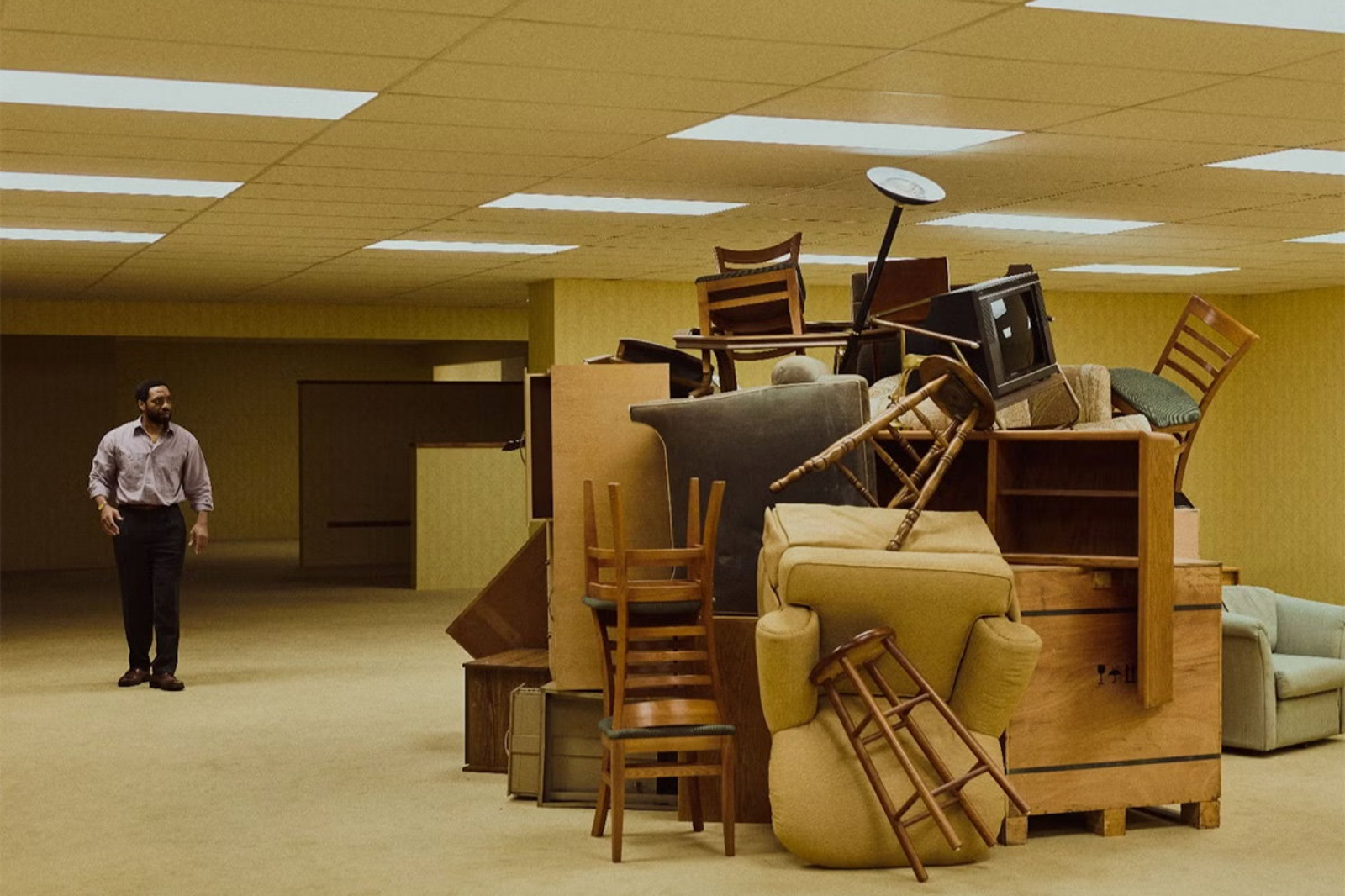
This weekend’s cultural highlights present a stark contrast of experiences. Headlining the cinematic offerings is Backrooms, a horror film that masterfully taps into widespread anxieties surrounding liminal spaces and corporate sterility, marking a significant transition for a viral online phenomenon to the silver screen. Complementing this minimalist dread, a selection of maximalist genre films promises vibrant escapism and explosive action.
In the realm of digital entertainment, Mina the Hollower emerges as a potential contender for game of the year, hailed as a modern masterpiece that skillfully blends retro aesthetics with profound gameplay mechanics. Beyond screens, a captivating long-form journalistic piece, "Master and Commander," unravels the mysterious tale of a sea shanty band, offering a deep dive into small-town intrigue. Finally, for those seeking a reprieve from pervasive digital negativity, the "Hyperdrive Overfixation" series provides a platform for celebrating delightfully specific and often unexpected passions.
II. Cinematic Landscapes: From Liminal Dread to Maximalist Spectacles
A. The Haunting Echoes of "Backrooms": A New Horror Paradigm
The psychological unease evoked by deserted, sterile environments—the quiet hum of fluorescent lights in an empty school hallway after hours, the cavernous silence of a retail store undergoing late-night inventory—is a universal dread. Backrooms, the latest horror sensation, expertly weaponizes these everyday anxieties, translating them into a deeply unsettling cinematic experience. The film delves into the story of a man whose mundane furniture store unexpectedly reveals a terrifying connection to an infinite series of mysterious, reality-bending rooms, a narrative that resonates deeply with contemporary feelings of disconnection and systemic decay.
1. Chronology: From Creepypasta to A24’s Big Screen
The journey of Backrooms from an internet anomaly to a major theatrical release is a testament to the evolving landscape of media creation and consumption. Its genesis lies in a 2019 creepypasta post, an online urban legend describing "liminal spaces"—places of transition that evoke a sense of unease due to their uncanny familiarity yet unsettling emptiness. The concept quickly captivated online communities, with users sharing their own interpretations and images of these disquieting environments.
The true catalyst for its cinematic potential, however, was 20-year-old filmmaker Kane Parsons. Under the YouTube handle "Kane Pixels," Parsons began releasing a series of short, found-footage-style videos depicting the Backrooms in vivid, terrifying detail. His minimalist aesthetic, combined with sophisticated visual effects and sound design, quickly garnered millions of views and critical acclaim within the analog horror community. Parsons’ ability to transform a simple textual concept into a visually compelling and deeply frightening narrative caught the attention of A24, the independent entertainment company renowned for its distinctive horror offerings. The decision to adapt Parsons’ vision into a full-length feature film signifies a pivotal moment, showcasing how grassroots online content can directly influence mainstream cinema.
2. Supporting Data: The Allure of Liminality and Analog Horror
The success of Backrooms is deeply rooted in its exploitation of "liminal spaces," a psychological phenomenon that taps into our collective subconscious. These transitional environments—waiting rooms, empty corridors, abandoned malls—are inherently unsettling because they exist outside their intended purpose, devoid of human presence, yet laden with the ghosts of activity. The film’s narrative expertly connects this personal dread to broader societal anxieties: the sterile uniformity of corporate architecture, the erosion of unique design identities in an age of private equity, and the perceived crumbling of established institutions.
Furthermore, Backrooms stands as a prime example of the burgeoning "analog horror" subgenre. This style of horror mimics older forms of media (VHS tapes, public access broadcasts, early internet content) to create a sense of authenticity and dread. It often relies on subtle visual distortions, degraded footage, and ambiguous narratives to build suspense, rather than overt jump scares. Parsons’ YouTube series perfected this approach, making the transition to the big screen a natural, albeit ambitious, step. The film’s critical reception, as noted by various accounts, hails it as "ominous, terrifying, and visually inspired," affirming its fidelity to the source material’s unsettling essence.
3. Official Responses: Critical Acclaim and Audience Resonance
Early critical reception for Backrooms has been overwhelmingly positive, with many reviewers praising Parsons’ ability to scale his unique vision without sacrificing its core unsettling atmosphere. Film critics have highlighted its innovative use of minimalist design to maximize psychological impact, often drawing comparisons to the stark, existential dread found in works like "Severance" or even early David Lynch. "The film doesn’t just scare you; it burrows into your subconscious," noted one prominent critic, "leaving you questioning the reality of every deserted hallway you encounter." Audience reactions have echoed this sentiment, with many expressing a profound sense of disquiet long after leaving the theater. Social media platforms are abuzz with discussions about the film’s deeper themes, particularly its commentary on contemporary alienation and the unsettling uniformity of modern spaces. Its success is being closely watched as a bellwether for how studios will continue to scout and develop talent from digital-native creators.
4. Implications: The Future of User-Generated Content in Cinema
The theatrical release of Backrooms carries significant implications for the entertainment industry. It solidifies a trend where user-generated content, once confined to niche online communities, can achieve mainstream success and critical recognition. This democratizes filmmaking, offering new pathways for emerging talents like Kane Parsons to bypass traditional gatekeepers. Moreover, the film’s exploration of "liminal horror" points to a deeper cultural shift in what audiences find frightening—a move away from explicit monsters towards existential dread rooted in psychological disquiet and environmental uncanny valley. Its success could encourage more studios to invest in similar projects, further blurring the lines between amateur online creativity and professional cinematic production, ushering in a new golden age of horror driven by diverse, non-traditional voices.
B. Maximalist Genre Movies for Maximum Enjoyment
For those who find the minimalist terror of Backrooms a little too unsettling and crave a vibrant, explosive counterpoint, the cinematic landscape also offers a dose of maximalist genre fare. These films lean into spectacle, intricate world-building, and high-octane action, providing a thrilling escape.
- "Neon Blade Run": Directed by the visionary behind "Cosmic Fury," this cyberpunk epic plunges viewers into Neo-Kyoto 2077, a sprawling metropolis bathed in perpetual neon rain. The narrative follows a disgraced ex-cop who must navigate a labyrinthine underworld of augmented assassins and corporate espionage to clear his name. Expect gravity-defying motorcycle chases, dazzling holographic advertisements, and combat sequences that blend martial arts with advanced cybernetics, all set to a pulsating synthwave score. It’s a sensory overload designed to push the boundaries of visual storytelling.
- "Terra Nova Prime": A sprawling sci-fi fantasy that defies easy categorization, "Terra Nova Prime" is an original saga from an acclaimed animation studio. Set on a planet where ancient magic collides with futuristic technology, the film chronicles the journey of a diverse crew attempting to unite warring factions before a cataclysmic celestial event. The animation style is a breathtaking fusion of hand-drawn artistry and cutting-edge CGI, creating lush, alien ecosystems populated by fantastical creatures and intricate flying machines. The sheer scope of its world-building and the density of its visual information make it an immersive, maximalist spectacle.
- "The Grand Theft Heist": From the director known for intricate ensemble thrillers, "The Grand Theft Heist" is an adrenaline-fueled crime caper that features an all-star cast attempting to pull off the most audacious bank robbery in history. The film is a masterclass in kinetic editing and intricate plotting, with multiple overlapping storylines, rapid-fire dialogue, and a relentless pace. Each frame is packed with visual gags, character details, and stylistic flourishes, making it a dizzying, exhilarating ride that demands repeat viewings to catch every detail. It’s a celebration of over-the-top action and clever, convoluted schemes.
- "Crimson Tide Rising": This historical fantasy epic re-imagines the Age of Sail with a fantastical twist, featuring colossal sea monsters, ancient sorcery, and swashbuckling heroes. The film is a visual feast of practical effects combined with seamless digital enhancements, showcasing massive naval battles on tempestuous seas, detailed period costumes, and creatures of unimaginable scale. The narrative weaves together tales of political intrigue, personal vengeance, and mythical quests, creating a rich tapestry of adventure that is both grounded in historical aesthetics and wildly imaginative in its fantastical elements.
III. Narrative Deep Dives: Unveiling Secrets and Reliving Classics
A. "Master and Commander": A Sea Shanty Band’s Dark Secret
In a world often saturated with fleeting digital content, the enduring power of long-form journalism remains a vital counter-narrative. Peter Ward’s "Master and Commander," published on the esteemed platform magazine.atavist.com (and featured on Longreads), exemplifies this tradition. It’s a meticulously researched narrative that, while not strictly genre fiction, possesses all the captivating elements of an epic mystery.
1. Supporting Data: The Art of Long-Form Journalism
Ward’s piece is a masterclass in immersive storytelling, a hallmark of platforms like Atavist and Longreads, which champion narrative non-fiction that requires significant investment of time and resources. Such journalism allows for a depth of character development, intricate plot construction, and thematic exploration rarely found in daily news cycles. "Master and Commander" particularly shines in its ability to slowly peel back layers of a seemingly idyllic scenario, mirroring the gradual realization of the Welsh town residents. The narrative tension is built not through manufactured cliffhangers, but through the careful accumulation of detail and the subtle introduction of incongruities, a testament to Ward’s skilled prose and investigative rigor. The choice of a sea shanty band adds a unique, folksy charm, making the eventual revelation of their manager’s "dark secret" all the more jarring and impactful.
2. Official Responses: Acclaim within the Journalistic Community
"Master and Commander" has garnered significant praise within journalistic circles, celebrated for its compelling narrative structure and meticulous reporting. Industry pundits have lauded Ward for his ability to craft a story that feels both deeply personal to its subjects and universally resonant in its themes of trust, deception, and community. The piece is often cited in workshops on narrative non-fiction as an example of how to build suspense in real-life stories without resorting to sensationalism. Readers have responded with a mix of fascination and unease, captivated by the unfolding mystery and the profound implications of the band manager’s hidden past. Its success underscores the continued appetite for well-crafted, in-depth stories that provide a meaningful alternative to fast-paced news.
3. Implications: The Enduring Power of Investigative Storytelling
The resonance of "Master and Commander" underscores the critical role of investigative long-form journalism in an era dominated by soundbites and fleeting headlines. It reminds us that profound truths and remarkable human stories often require extensive research, nuanced presentation, and a commitment to detail. Such pieces not only entertain but also shed light on overlooked aspects of society, lending a voice to narratives that might otherwise remain untold. The story’s success reinforces the value of platforms dedicated to this art form, ensuring that complex, compelling narratives continue to find an audience willing to invest their time in a truly remarkable read.
B. "Mina the Hollower": A Modern Retro Gaming Masterpiece
The video game industry often looks forward, but sometimes, the greatest leaps come from a masterful look back. In 2014, Yacht Club Games redefined retro gaming with Shovel Knight, an 8-bit action-adventure title that quickly achieved iconic status. Now, after years of anticipation, their spiritual successor, Mina the Hollower, has arrived, and it not only lives up to the immense hype but surpasses it, solidifying its place as a potential game of the year.
1. Chronology: Yacht Club Games’ Legacy and Evolution
Yacht Club Games burst onto the scene with Shovel Knight, a Kickstarter-funded triumph that meticulously recreated the feel of NES-era classics while introducing modern design sensibilities. Its success wasn’t just in its nostalgic aesthetic but in its tight gameplay, memorable characters, and surprisingly deep narrative. Following Shovel Knight‘s sustained popularity and numerous expansions, fans eagerly awaited Yacht Club’s next original IP. Mina the Hollower represents the culmination of years of development, refining the studio’s retro-inspired philosophy while pushing into new mechanical and thematic territories. Its development journey has been closely watched by the indie gaming community, eager to see how the studio would follow up on such a beloved debut.
2. Supporting Data: Blending Nostalgia with Innovation
Visually and mechanically, Mina the Hollower is a heartfelt homage to the vibrant 8-bit and 16-bit eras, specifically drawing inspiration from Game Boy Color classics such as The Legend of Zelda: Oracle of Seasons. The game’s vibrant pixel art, chiptune soundtrack, and top-down perspective immediately transport players back to a golden age of handheld gaming. However, Mina is far from a mere retro pastiche. It deftly weaves in functional influences from modern action-RPG titans like Dark Souls and classic gothic adventures like Castlevania. This hybridization results in a unique gameplay loop that combines precise platforming and combat with challenging boss encounters, intricate level design, and a compelling progression system. Mina’s unique "hollow" mechanic, allowing her to burrow underground to evade enemies and navigate obstacles, adds a fresh layer of strategic depth that is both innovative and intuitive. The game’s narrative is lauded for its emotional resonance and surprisingly dark undertones, a departure from Shovel Knight‘s more lighthearted tone.
3. Official Responses: Universal Acclaim and Community Engagement
Upon its release, Mina the Hollower was met with near-universal critical acclaim. Gaming publications have showered it with perfect or near-perfect scores, praising its masterful blend of retro charm and modern innovation. Reviewers consistently highlight its meticulously crafted world, engaging combat, and emotionally impactful story. "Yacht Club Games has done it again," declared one leading gaming site, "delivering a game that feels both timeless and utterly fresh." The player community has responded with fervent enthusiasm, celebrating the game’s challenge, its hidden secrets, and the sheer joy of its gameplay. Online forums and social media are filled with discussions about strategies, lore theories, and fan art, indicating that Mina the Hollower has already cultivated a passionate following and is poised to become a cultural touchstone in the indie gaming landscape.
4. Implications: The Evolution of Retro Gaming and Indie Development
Mina the Hollower‘s success carries significant implications for the retro gaming movement and the broader independent game development scene. It demonstrates that genuine innovation can thrive within the confines of nostalgic aesthetics, proving that "retro" doesn’t equate to stagnation. The game pushes the boundaries of what a pixel-art title can achieve in terms of emotional depth, mechanical complexity, and narrative sophistication. Its impact will likely inspire a new wave of developers to explore how classic game design principles can be reinterpreted and evolved for modern audiences. Furthermore, it reinforces Yacht Club Games’ reputation as a powerhouse in indie development, solidifying their position as creators capable of consistently delivering experiences that are both deeply referential and boldly original.
IV. Niche Pursuits: Embracing Hyperdrive Overfixation
In an era often characterized by doomscrolling and digital fatigue, finding pockets of joy and genuine enthusiasm online has become increasingly valuable. Our own "Hyperdrive Overfixation" series serves precisely this purpose, offering a delightful antidote to the pervasive negativity by celebrating the beauty of hyper-specific passions.
1. Supporting Data: The Power of Specificity in Digital Content
Curated by our dedicated social media manager, "Hyperdrive Overfixation" provides a unique platform for individuals to passionately articulate their incredibly niche, yet deeply cherished, obsessions. The series taps into a growing appreciation for detailed, authentic content that stands apart from broad, generic trends. Examples thus far have included a compelling argument for why the Star Wars saga would have significantly benefited from a throuple storyline, a persuasive case for considering Red Dead Redemption 2 as a "horse girl masterpiece," and an unexpectedly deep dive into the intricate anatomy and speculative biology of mermen. These segments, often presented in engaging short-form video formats, are not merely informational; they are expressions of profound personal connection and intellectual curiosity. They showcase the richness that emerges when individuals are given space to explore subjects that truly resonate with them, no matter how unconventional.
2. Official Responses: Community Engagement and Content Diversity
The "Hyperdrive Overfixation" series has been met with an enthusiastic response from our audience, who appreciate its originality and the genuine passion of its contributors. It has become a cornerstone of our digital engagement strategy, fostering a vibrant community around shared niche interests. The series has also garnered attention from other media outlets, noted for its innovative approach to content creation and its ability to cultivate a loyal, engaged viewership. This success highlights a broader industry trend towards valuing authentic, personality-driven content over purely algorithmic recommendations. It demonstrates that there is a significant appetite for media that celebrates individual quirks and provides a platform for voices often overlooked by mainstream narratives.
3. Implications: The Cultural Significance of Niche Content
"Hyperdrive Overfixation" is more than just a collection of quirky videos; it represents a significant cultural implication for how we engage with digital media. It champions the idea that deep dives into specific interests can be incredibly enriching and foster genuine connection in a fragmented online world. By providing a platform for these "overfixations," the series encourages intellectual curiosity, validates diverse passions, and builds communities around shared, often esoteric, knowledge. It suggests a future where digital content is not just about broad appeal but also about catering to the intricate tapestry of human interests, offering refuge and delight amidst the digital noise. It’s a reminder that some of the most compelling stories are found not in the mainstream, but in the wonderfully specific corners of human enthusiasm.
V. Conclusion: A Rich Tapestry of Weekend Exploration
This weekend’s cultural offerings present a rich tapestry of experiences designed to engage, entertain, and provoke thought. From the unsettling psychological depths of Backrooms to the vibrant, expansive worlds of maximalist cinema, and from the masterful retro-modern gameplay of Mina the Hollower to the compelling investigative journalism of "Master and Commander," there is no shortage of compelling narratives to explore. Coupled with the delightful escapism offered by the "Hyperdrive Overfixation" series, this curated selection provides ample opportunities for audiences to immerse themselves in diverse forms of storytelling and discovery. Each recommendation, in its own unique way, reflects the dynamic and ever-evolving nature of contemporary culture, inviting us to look deeper, feel more, and celebrate the endless possibilities of human creativity.




Leave a Comment