Black Gate: A Quarter-Century Odyssey Through Fantasy, Fandom, and Digital Evolution

Ottawa, Canada – For over two and a half decades, Black Gate magazine has stood as a bastion of adventure fantasy, evolving from a beloved print publication to a thriving online hub, garnering prestigious awards and fostering a vibrant community. This deep dive into its storied past unearths the inspirations, challenges, and triumphs that have shaped Black Gate, as told by its visionary Chief Editor, John O’Neill. Building on recent coverage of the "Legend of Top-Shelf Books Open Mic," which highlighted the convergence of numerous Black Gate contributors, this exploration reveals the intricate history of a publication that has become a near-mythical, yet undeniably real, force in fantasy literature.
First encountering Black Gate at the 2010 World Fantasy Convention, many, like this reporter, discovered its allure only to find its print run nearing its end. The immediate connection, however, was not just to the captivating content but to the fervent community it cultivated—the "Blackgaters"—individuals united by a shared passion for fantasy and a collective desire to explore and celebrate its rich tapestry. For those who didn’t join at its inception in 2000, understanding the multifaceted journey of Black Gate across its various forms is essential to appreciating its enduring legacy.
Main Facts: The Enduring Mythos of Black Gate
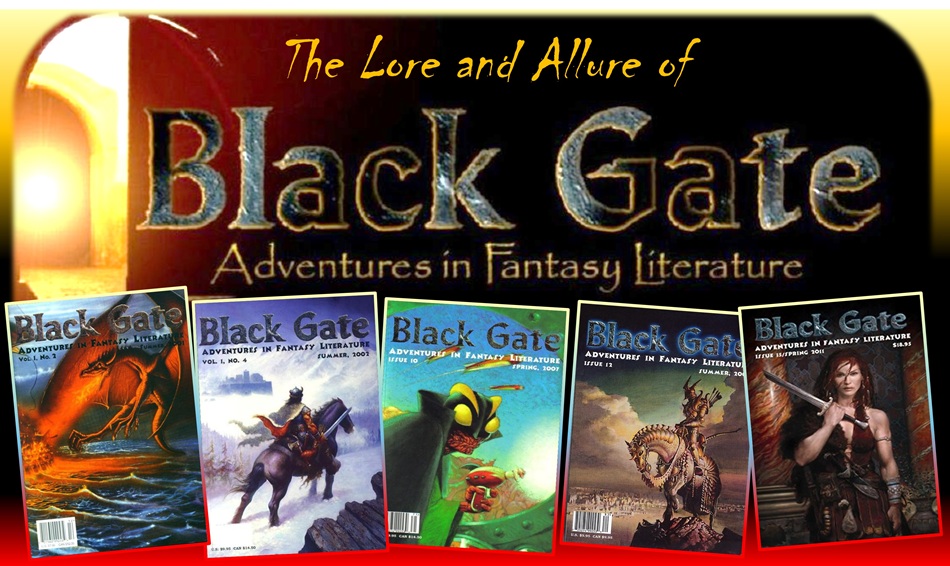
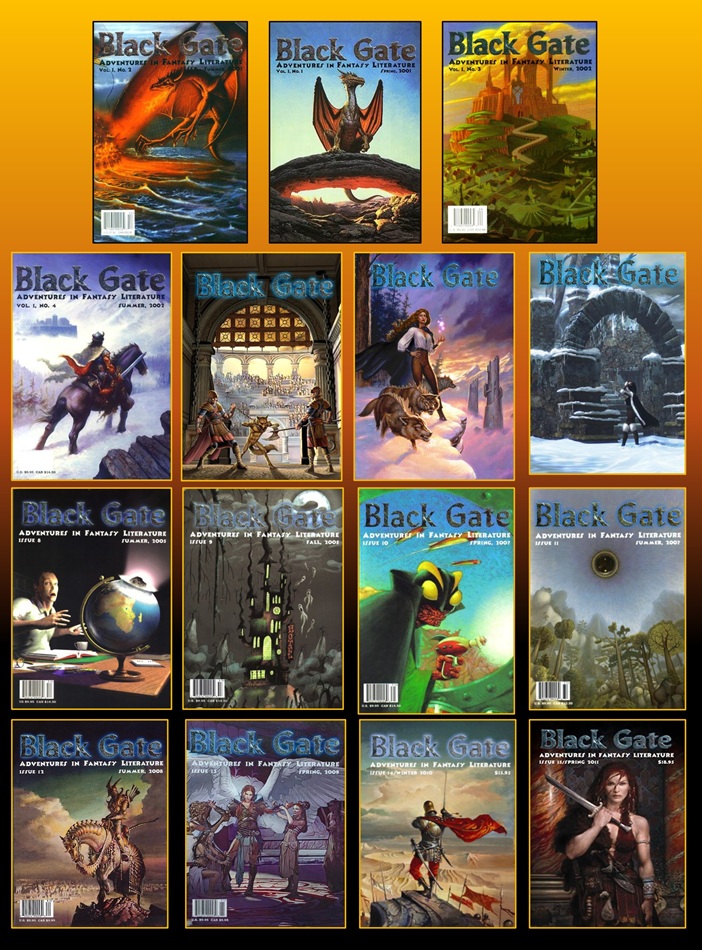
Black Gate magazine, celebrating over 25 years since its inception, is a prominent name in the fantasy genre, renowned for its commitment to adventure fantasy and its dual identity as both a print magazine and a dynamic online platform. Founded by John O’Neill, it initially emerged from the dot-com boom of the late 1990s, aiming to blend traditional print publishing with a cutting-edge digital presence. Over its 15-issue print run (2000-2011), it cultivated a reputation for discovering new literary talent and showcasing breathtaking artwork.
Its evolution into a daily online blog, championed by the late Managing Editor Howard Andrew Jones, marked a pivotal transformation, significantly expanding its reach and influence. This digital metamorphosis led to widespread critical acclaim, including a coveted Alfie Award from George R.R. Martin for its integrity in declining Hugo nominations, and a prestigious World Fantasy Award, affirming its status as a leading voice in genre media. Black Gate is not merely a publication; it is a community-driven enterprise, sustained by the passion of its contributors, readers, and the unwavering dedication of its founder, solidifying its place in the annals of fantasy literature.

A Quarter-Century Chronicle: The Genesis and Evolution of Black Gate
The narrative of Black Gate is one of innovation, passion, and resilience, a testament to the enduring power of storytelling and community. Its origins are deeply intertwined with the nascent digital landscape of the late 20th century, laying the groundwork for its future as a hybrid print-digital powerhouse.
The Dot-Com Dream and a Fateful Name
The genesis of Black Gate can be traced back to the exhilarating, often volatile, dot-com boom of the mid-nineties. John O’Neill, a keen investor and entrepreneur, found himself deeply embedded in this burgeoning digital frontier. He had invested in Cyberus, an internet service provider (ISP) whose name, a clever play on "Cerberus," evoked the mythical three-headed hound guarding the underworld’s gates. Cyberus rapidly ascended to become the largest ISP in Ottawa, Canada, fueling ambitious dreams of expansion into other digital ventures, including online gaming. It was during this period of expansive vision that O’Neill’s friend and Cyberus CEO, Wayne MacLaurin, shrewdly registered blackgate.com, maintaining the evocative "underworld" motif for a potential subsidiary.
Years later, as O’Neill meticulously researched names for his ambitious new fantasy magazine, he encountered the familiar frustration of countless URLs already claimed. To his surprise and delight, one of his top choices, blackgate.com, was held by none other than Wayne MacLaurin. A quick email exchange solidified a partnership, and with the acquisition of the name, the magazine’s identity swiftly began to coalesce. The name "Black Gate" not only carried a hint of mystery and adventure, aligning perfectly with the fantasy genre, but also represented a tangible link to O’Neill’s entrepreneurial past and the digital age from which it sprang.
From SF Site to Fantasy Frontier
O’Neill’s motivations for launching Black Gate were firmly rooted in his extensive experience with internet startups. By the late 1990s, he had been instrumental in establishing the first websites for major genre publications like Asimov’s SF, Analog, and The Magazine of Fantasy & Science Fiction. This intimate knowledge of the online content explosion led him to establish SF Site in 1995, an online science fiction hub leveraging Cyberus’s infrastructure. SF Site achieved remarkable organic growth, attracting over a hundred thousand monthly readers with virtually no marketing, demonstrating the immense, untapped potential of digital platforms.
Inspired by this success, O’Neill envisioned a pioneering model for Black Gate: a print magazine underpinned by a "cutting-edge digital presence." His core belief was that the internet could rapidly cultivate a readership and launch a digital brand, a revolutionary concept at a time when most magazines hadn’t even embraced online subscriptions. To avoid repeating SF Site‘s focus, O’Neill strategically pivoted to fantasy, specifically "adventure fantasy," a genre he believed the market was "clearly clamoring for." Leveraging the talent pool already drawn to SF Site, the Black Gate website officially launched on August 30, 2000, with its inaugural print issue following a few weeks later, timed perfectly for the World Fantasy Convention in October.
Assembling the Fellowship: The Early Team
The task of assembling a dozen-strong launch team might seem daunting, but O’Neill found it "easy." SF Site had already cultivated a robust network of over 30 regular reviewers and staff. From this talented pool, O’Neill extended invitations to the most promising individuals, including literary critics and writers like Rich Horton, Victoria Strauss, Don Bassingthwaite, Marc Goldstein, David Soyka, Charlene L. Brusso, Lisa DuMond, Paul J. McAuley, and Todd Ruthman. The key distinction, O’Neill notes, was that while SF Site operated as a fan site, Black Gate was conceived as a professional publication, meaning it would pay for content. This professional commitment made recruiting the core team a relatively smooth process, attracting dedicated individuals eager to contribute to a new, respected venture.
The Print Era: A Pulp Revival
The first print issue of Black Gate, launched in November 2000, immediately stood out. Its distinct, oversized format, different from subsequent issues, holds a charming anecdote. In a stroke of serendipity, O’Neill’s corporate lawyer at Motorola in the late 90s turned out to be David Kenzer, owner of Kenzer & Company, publishers of O’Neill’s favorite game company, Knights of the Dinner Table. Kenzer introduced O’Neill to his printer, A to Z Printing. Driven by a desire to evoke the "sense of fun and adventure" found in beloved pulp magazines, O’Neill brought a 1930s issue of Astounding Science Fiction to the printer, aiming for a similar size and feel. The initial oversized format of Black Gate Issue #1 mirrored the RPG supplements the printer typically produced. However, practical considerations soon prevailed. A "small reduction" in size for subsequent issues allowed for the use of smaller paper, resulting in "significant savings," a crucial factor for a burgeoning independent publication.
The Digital Renaissance: Howard Andrew Jones’s Vision
While the print magazine carved its niche, a transformative shift was brewing for Black Gate‘s online presence. In November 2008, Managing Editor Howard Andrew Jones proposed a radical revamp of the website: daily content. O’Neill, ever the pragmatist, initially dismissed the idea as "crazy," questioning the feasibility of producing such a high volume of material, especially without a dedicated budget. Yet, Jones, undaunted, marshaled a "top-notch team of writers" and committed to delivering daily articles to the Black Gate blog. His vision and relentless execution, supported by contributors like Bill Ward, David Soyka, Scott Oden, James Enge, EE Knight, and Ryan Harvey, laid the foundation for what would become an award-winning online platform. The blog’s mandate was clear: "to cover the best neglected fantasy, past and present," a mission that resonated deeply with genre enthusiasts. In 2010, C.S.E. Cooney joined as the first website editor, elevating the publication’s standards with her meticulous editing and sharp editorial eye, a crucial step in its ascent.

A Legacy Forged: Awards and Recognition
Black Gate‘s unwavering commitment to quality and integrity did not go unnoticed, leading to significant accolades.
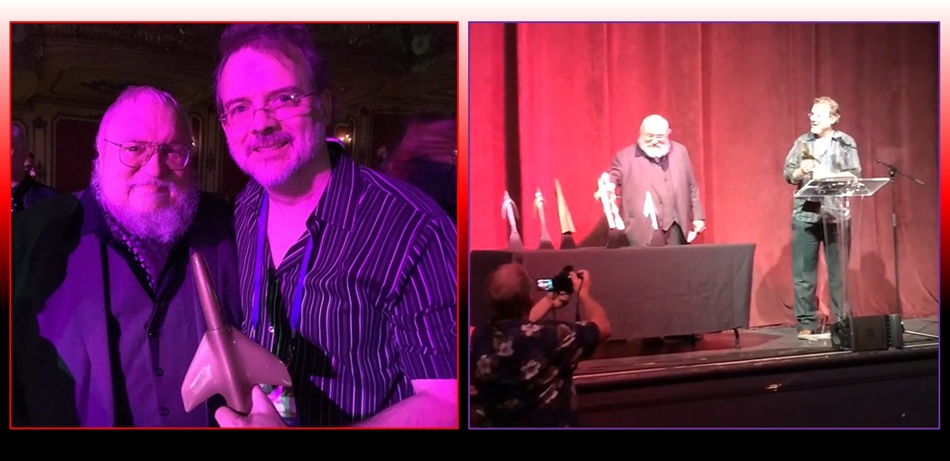
The Alfie Award for Integrity: In August 2016, Black Gate received a unique and profoundly meaningful honor: an Alfie Award from none other than George R.R. Martin, the celebrated author of A Song of Ice and Fire. This special award recognized Black Gate‘s "integrity" in twice declining a Hugo Award nomination. This decision was a powerful statement against "slate shenanigans" that had marred the Hugo Awards in previous years, ensuring that other deserving nominees had a chance at recognition. O’Neill recounted the surprise invitation to Martin’s exclusive Hugo Losers Party, where the Alfie Awards, crafted from vintage hood ornaments, were presented. Martin, serving as the sole member of the Alfie committee, personally lauded Black Gate from the stage. O’Neill expressed immense pride in accepting the award, reflecting on Martin’s embodiment of "all that’s best about fandom — its inclusiveness, its quest to reward excellence, and especially its talent for building a community." This award underscored Black Gate‘s ethical stance within the genre community.
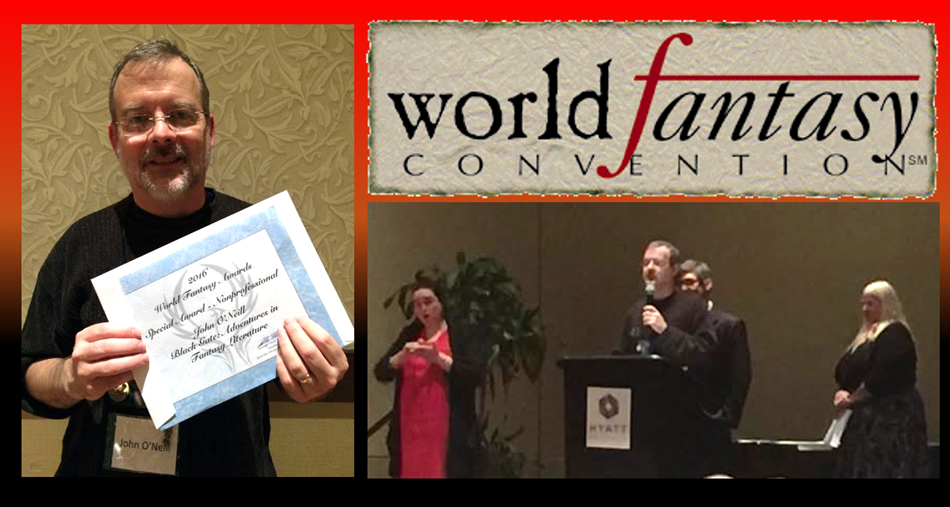
World Fantasy Award Triumph: Just two months later, in October 2016, Black Gate achieved another monumental milestone, winning a World Fantasy Award. O’Neill, still incredulous about the success of the daily blog he once deemed "completely bonkers," accepted the award, humbly crediting Howard Andrew Jones’s visionary leadership. His acceptance speech highlighted the journey from SF Site to Black Gate, acknowledging the skepticism he harbored about a daily blog but praising Jones’s determination. He also recognized the invaluable contributions of the extensive team of bloggers and C.S.E. Cooney, whose editorial prowess significantly elevated the website’s quality. This award was the culmination of "20 years of love and celebration of fantasy," a profound validation for the entire Black Gate community and its mission to unearth and celebrate forgotten and underappreciated fantasy works.
The Hard Farewell to Print
The decision to cease the print magazine with Issue #15 in 2011 was, for O’Neill, "a hard decision to make." His deep affection for the print format, especially the thrill of discovering and publishing new fiction from talents like James Enge, Harry Connolly, Martha Wells, and many others, made it particularly poignant. Black Gate had always been a "side hustle," managed alongside O’Neill’s demanding full-time career. As his corporate roles grew in complexity, the financial realities of an independent print magazine became unsustainable. By its tenth year, the magazine was incurring losses exceeding $12,000 per issue, with no staff, including O’Neill, receiving payment. It had become a true "labor of love," with O’Neill personally subsidizing much of the production costs for its annual, nearly 400-page issues.
The tipping point arrived in 2012. O’Neill left his CEO position at a software business, and an anticipated senior role at Motorola evaporated when the company was abruptly acquired by Google. Faced with the need to stabilize family finances, the print version of Black Gate was the first expense to be cut. Despite finding a new job months later, it was too late to salvage the print magazine. O’Neill candidly reflected on whether crowdfunding might have bridged the gap, but the stark truth remained: the print version never sold more than 1,600 copies per issue. Reluctantly, the focus shifted entirely to the online version. This strategic pivot proved prescient; by 2015, the Black Gate website had surpassed SF Site‘s readership, boasting over a hundred thousand monthly readers and 1.6 million page views, ultimately leading to its World Fantasy Award win in 2016.
The Digital Archive and Future Challenges
Today, a limited number of physical back issues of Black Gate remain available for purchase, though some older editions are sold out. A more significant challenge lies in the digital archive. During a server migration from the legacy Cyberus infrastructure to Hostgator, the custom download functionality and, critically, the original PDF files of the magazines were lost. O’Neill describes this as a "challenging task," compounded by a hardware failure in 2006 that destroyed many original production files. Despite these setbacks, the commitment to recreating high-quality PDFs and rebuilding the download functionality persists, a testament to the desire to preserve Black Gate‘s historical content for its loyal readership.
Supporting Data: The Engine Room of Black Gate
The success and longevity of Black Gate are rooted in several key factors, from its innovative business model to the sheer volume of content and the dedication of its core team.
O’Neill’s earlier success with SF Site provided crucial empirical data. Its organic growth to over 100,000 monthly readers with "virtually zero marketing" demonstrated a clear demand for high-quality online genre content. This success validated his belief that a robust digital presence could amplify a print magazine’s reach, a vision that Black Gate ultimately realized even beyond its print run.
The magazine’s visual identity was paramount. The provided image captions list an impressive roster of cover artists throughout its print history, including Keith Parkinson, Charles Keegan, Denis Rodier, Bruce Pennington, and Donato Giancola. These artists contributed to a distinctive aesthetic that helped Black Gate stand out on newsstands and in readers’ collections, embodying the "adventure fantasy" ethos. Similarly, the dedication to "top quality interior art" (an additional $2,300 per issue cost) underscored the magazine’s commitment to visual excellence, despite financial pressures.
The transition to a daily online blog, while initially met with O’Neill’s skepticism, was a monumental undertaking. Howard Andrew Jones’s ability to "put together a top-notch team of writers" to generate daily content "without a budget" speaks volumes about the community’s dedication. This team included established and emerging talents, forming the backbone of the blog’s extensive output. The numbers speak for themselves: by 2015, the Black Gate website boasted "over a hundred thousand monthly readers and 1.6 million page views/month," dwarfing the print edition’s maximum circulation of 1,600 copies per issue. This growth clearly demonstrated the power of the online model in reaching a vastly larger audience.
The "Cave of Wonders": A Physical Manifestation of Passion
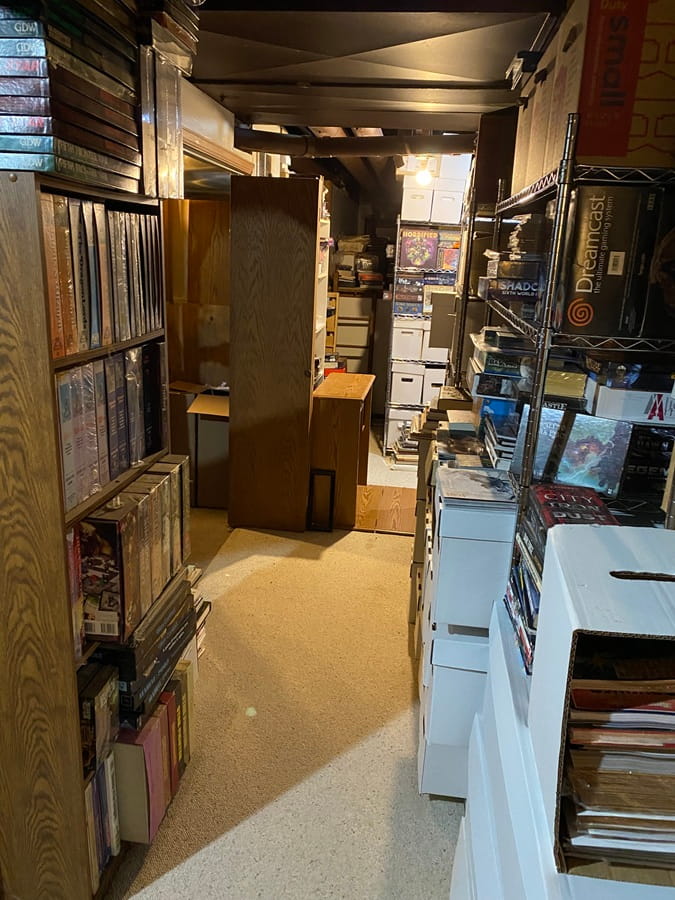
Beyond the digital realm, the physical heart of Black Gate resided in John O’Neill’s basement, affectionately dubbed the "Cave of Wonders" by Howard Andrew Jones. This humble home office served as the "global headquarters for Black Gate’s vast publishing empire for the next two decades." Here, O’Neill personally managed the intricate logistics of magazine assembly, printing, distribution, and financial administration. He vividly recalls family gatherings in the kitchen, where everyone helped "stuff them in envelopes by hand" when 2,000 copies arrived from the printer – a tangible representation of the collective effort behind the magazine.
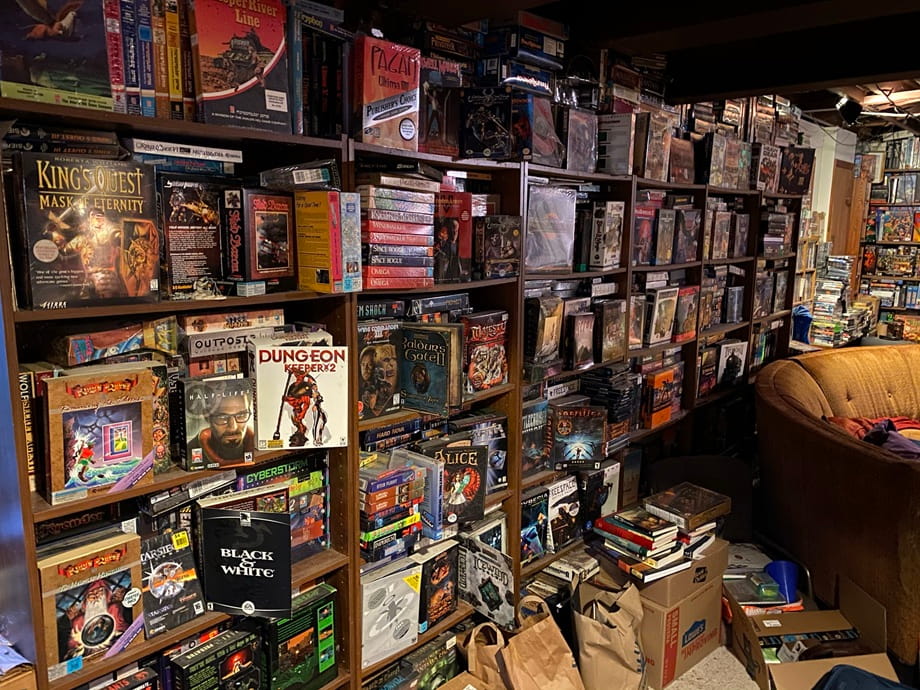
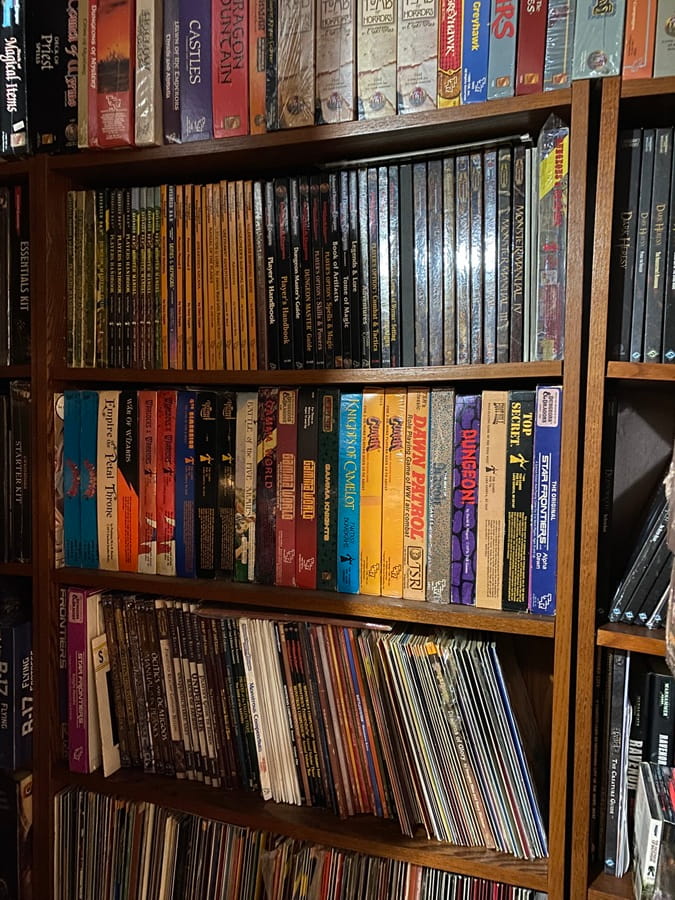
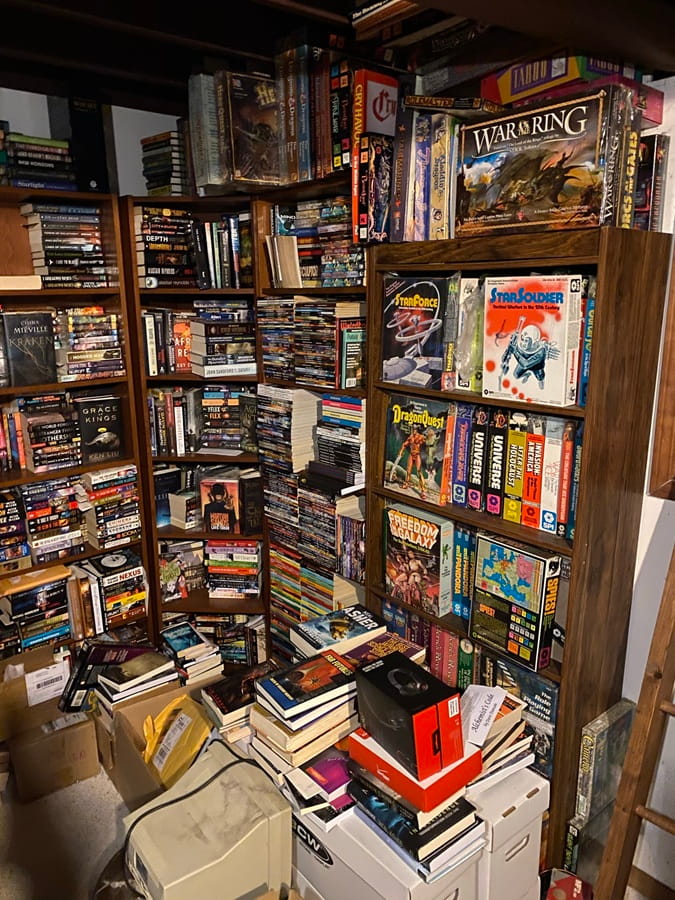
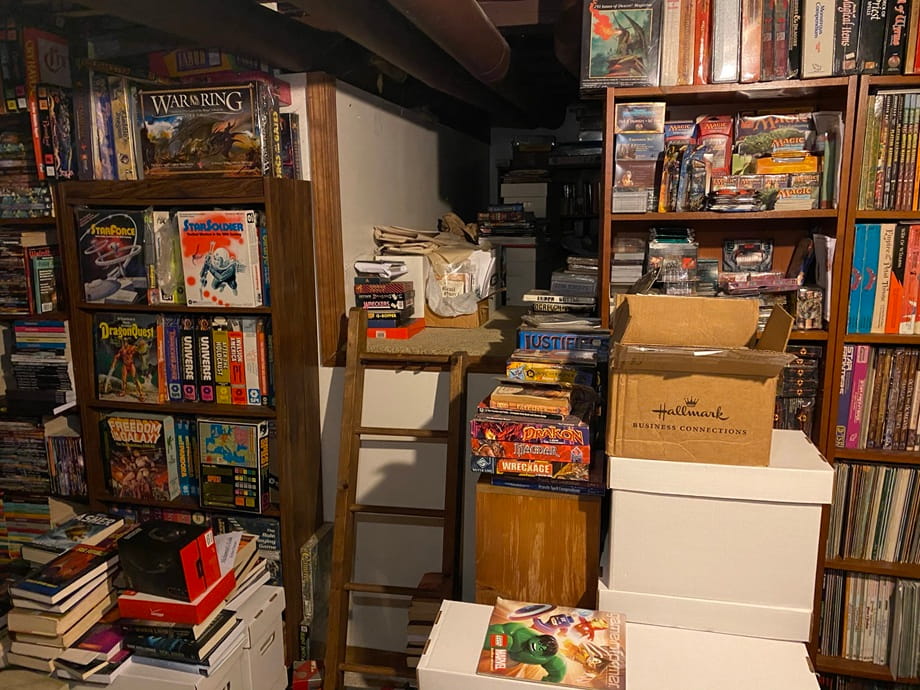
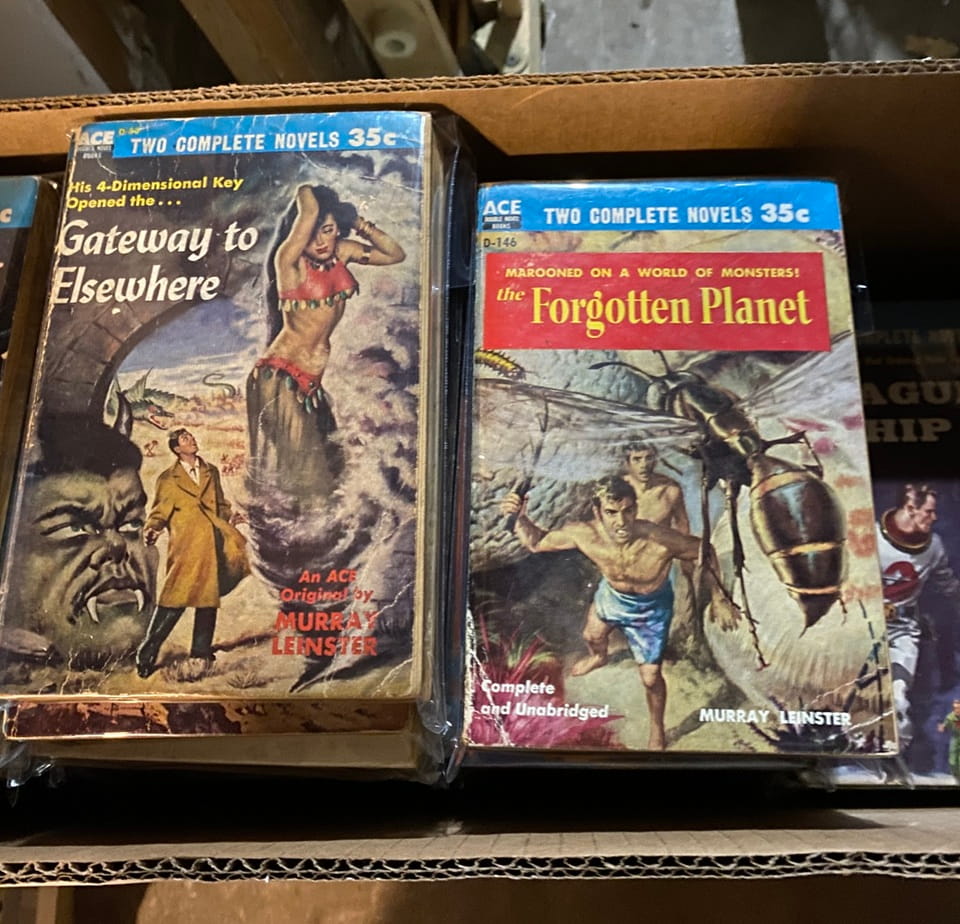
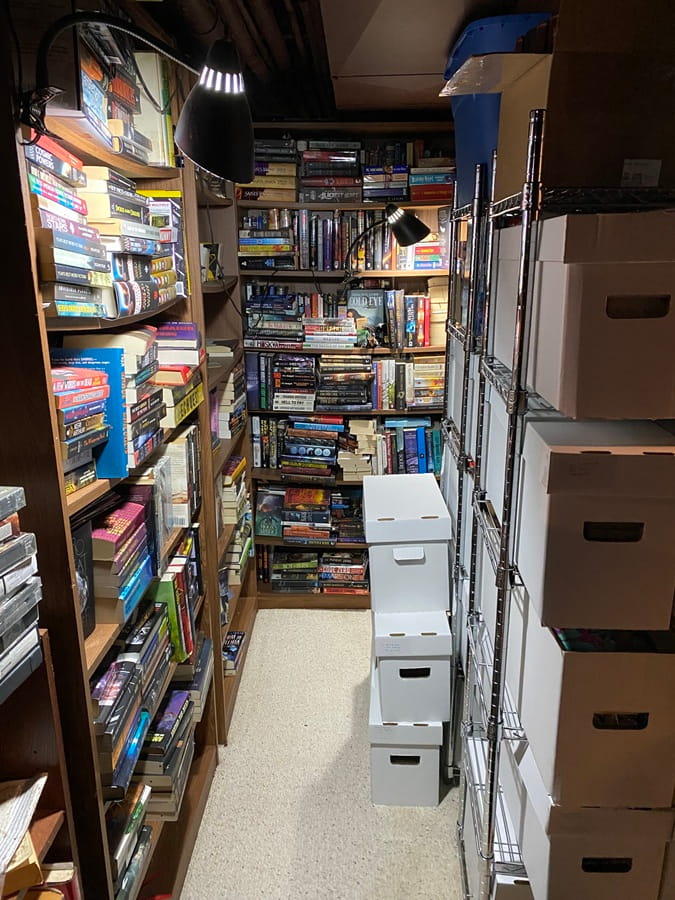
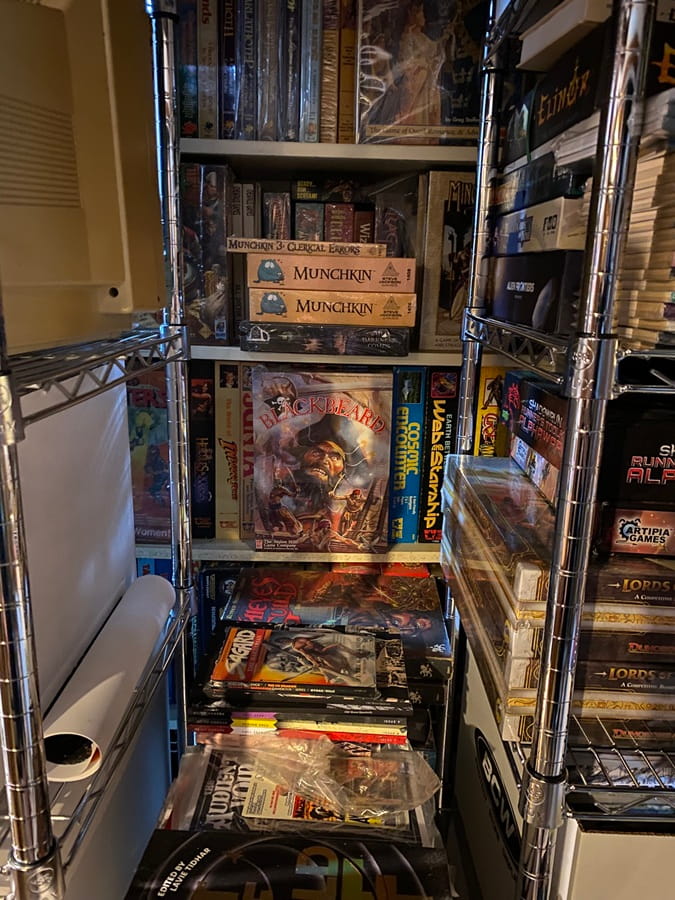
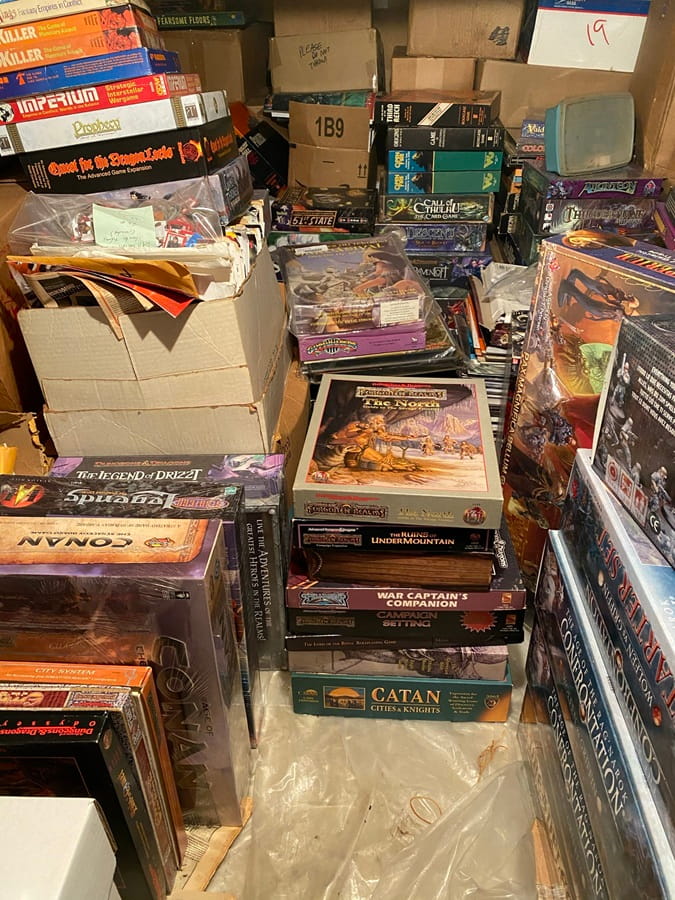
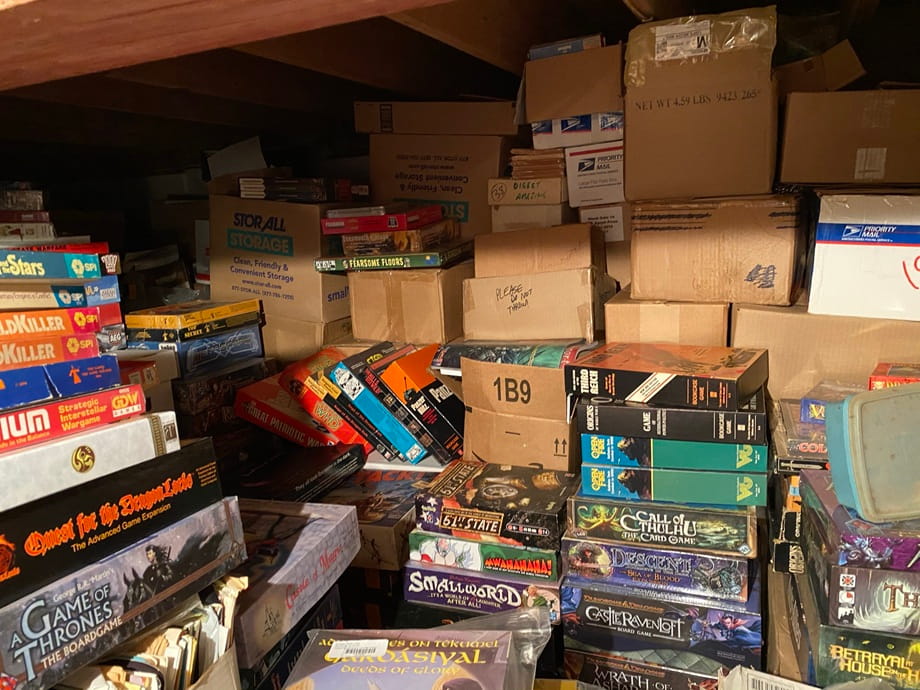
The basement, originally a single open room for his children, evolved into a sprawling archive. Over the years, O’Neill constructed 56 bookshelves, lining the walls and filling them with an eclectic collection of "computers games, books, pulps, comics, science fiction magazines, and vintage role playing games." The photos offer a glimpse into this labyrinthine space:
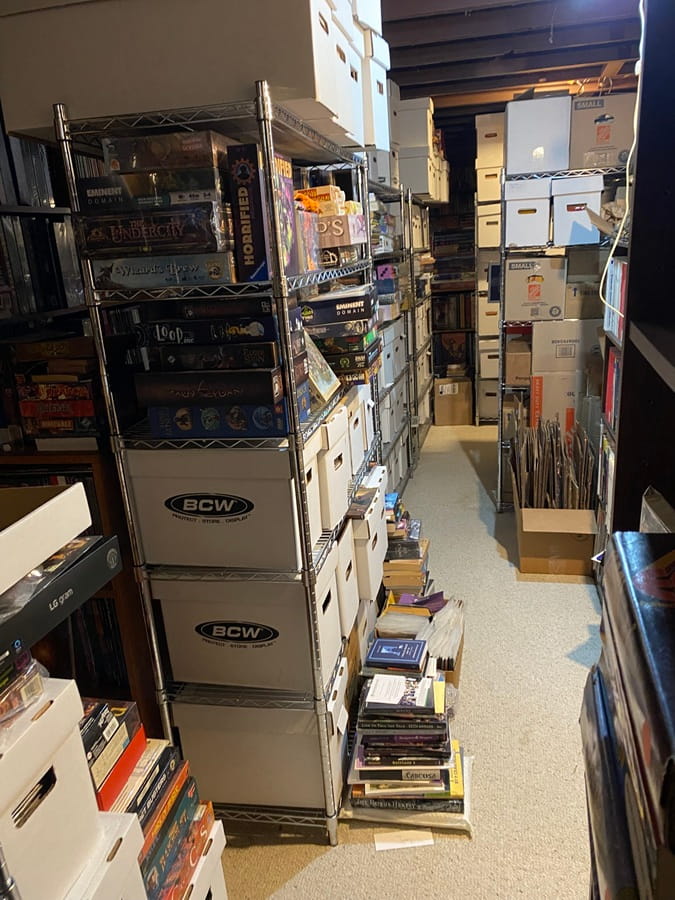
- Walls lined with games, creating a stimulating but potentially distracting workspace.
- Bookcase #31, a snapshot of the immense literary hoard.
- Twisting corridors formed by shelving units housing thousands of paperbacks and old magazines, often unlabeled, awaiting meticulous organization.
- Two carpeted crawlspaces, affectionately known as "comic nooks," where his children once read and played, now filled "floor-to-ceiling with comics and old games," largely undisturbed save for the spiders.
- Metal shelving units, a practical solution to get "everything off the floor," showcasing long boxes brimming with vintage paperbacks and magazines.
The "Cave of Wonders" is more than just a storage space; it is a physical embodiment of O’Neill’s lifelong passion for genre fiction, a tangible archive of Black Gate‘s history, and a testament to the dedication required to sustain such a project. The ongoing task of cataloging and organizing this vast collection represents not just physical labor, but a continued engagement with the very essence of Black Gate’s mission: celebrating and preserving fantasy culture.
Official Responses: Insights from Chief Editor John O’Neill
John O’Neill’s candid reflections provide a personal lens through which to understand Black Gate‘s journey, offering insights into its origins, operational challenges, and enduring spirit.
The Genesis of a Name and a Mission
Regarding the evocative name "Black Gate," O’Neill explained its deep roots in the mid-nineties dot-com era. "I love this question," he began, "because it delves right into the nitty-gritty of BG’s history." He recounted his investment in Cyberus, an ISP whose name played on "Cerberus," the mythical guardian of the underworld. When his friend Wayne MacLaurin, CEO of Cyberus, registered blackgate.com for a potential subsidiary, the "underworld motif" was consciously kept alive. Years later, when O’Neill sought a name for his fantasy magazine, MacLaurin still held the domain. "With one quick email, Wayne and I partnered to launch blackgate.com. Once we had the name, the magazine’s identity came together quickly."
His motivations were equally clear, stemming from his early internet ventures. "I thought of Black Gate primarily as an online business in those days," O’Neill stated, drawing on his experience helping major genre magazines establish their first websites. He created SF Site in 1995, which grew exponentially, convincing him there was a "golden opportunity to launch a print magazine with a cutting-edge digital presence." His aim was revolutionary: "show the world how to use the internet to rapidly grow a reader base and launch a digital brand." The choice of "adventure fantasy" was strategic, as it was a genre the market was "clearly clamoring for."

Building the Roster and Crafting the Aesthetic
Enlisting a launch crew of a dozen people was surprisingly straightforward. O’Neill leveraged his existing network from SF Site, which had "over 30 regular reviewers and staff." He simply "invited the most talented among that crew to contribute." The key difference, he noted, was that Black Gate was a "professional publication," meaning they "paid for content," making recruitment less of a "hardship."
The distinctive, initially oversized format of Black Gate Issue #1 also holds a fond memory for O’Neill. He recounted his collaboration with David Kenzer of Kenzer & Company, whose printer, A to Z Printing, produced the first issue. "I knew that I wanted a magazine that had the same sense of fun and adventure as the pulp magazines I loved," O’Neill explained, bringing a 1930s Astounding Science Fiction to the printer as a model. While the initial size matched RPG supplements, practicalities soon dictated a change: "a small reduction would allow us to use smaller paper, at significant savings."
Navigating Challenges and Embracing Digital
The decision to end the print run with issue #15 was "a hard decision to make." O’Neill cherished "publishing fiction — especially finding new writers." He candidly admitted Black Gate was always a "side hustle," and as his corporate career advanced, it became clear it "was unlikely to ever make enough to allow me to quit the day job." Financial losses mounted, reaching "over $12,000 an issue" by the tenth year, with "no one on the staff was paid, including me." It became a "true labor of love," personally funded. The catalyst for cessation was personal: in 2012, O’Neill lost his job amidst Motorola’s acquisition by Google. "The print version of Black Gate was the first expense that had to go to stabilize our family finances." He found a new job, but "by that point it was too late to save the magazine." He acknowledged the print version’s limited reach (never more than 1,600 copies), ultimately finding solace in the online version’s exponential growth.
Regarding the availability of back issues and PDFs, O’Neill confirmed that a "small number of print copies" remain, but the digital versions present a challenge. A server transition to Hostgator resulted in the loss of "custom download functionality" and "the original PDF files." Compounded by a 2006 hardware failure that destroyed most production files, recreating the high-quality PDFs is a "more challenging task than we’d like." However, he expressed hope "to recreate the original PDFs in the next year or so."

A Glimpse into the "Cave of Wonders"
O’Neill offered a fascinating tour of his basement, the "Cave of Wonders." This was the "global headquarters" where he "assembled all the magazines" and managed operations. He described building "56 bookshelves lining the walls," filled with an array of "computers games, books, pulps, comics, science fiction magazines, and vintage role playing games." He noted how his children’s "comic nooks" (carpeted crawlspaces) became packed "floor-to-ceiling with comics and old games," now mostly home to spiders. He shared images of the "twisting corridors" formed by shelving units housing thousands of paperbacks, admitting the collection "isn’t organized nearly as well as it should be," hinting at "many hundred hours of enjoyable cataloging and fondling ahead."
Reflections on a Rich History
Looking back, O’Neill stated, "When I look back at the last 25 years, they’re filled with countless fond memories." He cherishes "finding those magical stories in the slush pile," publishing early works by "amazing" writers like James Enge, Cory Doctorow, Martha Wells, and Harry Connolly. He also expressed immense pride in the "amazing artwork by so many brilliant artists," including Richard Corben, Todd Lockwood, and Charles Keegan.
Perhaps most profoundly, O’Neill spoke of the "welcoming" nature of the fantasy community. He recounted receiving "immediate support and incredible advice," even an unsolicited "entire subscription database" from another publisher. Rich Horton’s early 8-issue subscription check, a week after the magazine’s announcement, stands out as a testament to this support. He emphasized the enduring importance of conventions as places "to meet readers, writers, and artists, and get plugged into what’s happening in the field." He concluded with a heartwarming observation: "There are more fantasy magazines alive today then there were when we got started in 1999," often run by passionate, inexperienced individuals, affirming that "grass-roots drive to create is still alive in this field. I hope to stay a part of it for a long time."
Implications: The Enduring Legacy of Black Gate
The journey of Black Gate magazine, from a print startup in the dot-com era to an award-winning digital powerhouse, carries profound implications for the fantasy genre and independent publishing. Its story is a microcosm of the larger shifts within media, illustrating both the challenges and opportunities presented by technological evolution.
A Beacon for Adventure Fantasy
Black Gate has consistently championed "adventure fantasy," a subgenre often overshadowed by more literary or epic works. Its dedication to this niche has provided a vital platform for stories steeped in heroism, exploration, and classic sword-and-sorcery tropes. By focusing on "neglected fantasy, past and present," Black Gate has not only introduced new readers to forgotten gems but also fostered a renewed appreciation for the genre’s foundational elements. This commitment has helped to maintain a diverse literary ecosystem within fantasy, ensuring that various storytelling traditions continue to thrive.
Nurturing New Talent and Celebrating Artistry
One of Black Gate‘s most significant legacies is its role as a launchpad for emerging writers and a showcase for exceptional artists. John O’Neill’s joy in discovering "magical stories in the slush pile" underscores the magazine’s commitment to new voices. Writers like James Enge, Harry Connolly, Martha Wells, and Cory Doctorow, among many others, found early homes for their work within its pages, solidifying Black Gate‘s reputation as a taste-maker and talent scout. Similarly, its dedication to "amazing artwork" by renowned artists such as Richard Corben and Todd Lockwood ensured that the visual dimension of fantasy was celebrated with equal fervor, enriching the overall reader experience and contributing to the genre’s artistic heritage.
The Power of Community and Fandom
At its core, Black Gate has always been about community. The term "Blackgaters" itself speaks to a sense of belonging among readers and contributors. The anecdote of unsolicited support from other publishers and Rich Horton’s early subscription highlight a rare spirit of camaraderie within the fantasy community, demonstrating a collective desire to see quality genre publications succeed. This communal spirit, cultivated through online interaction and bolstered by a strong presence at conventions, has created a loyal readership and a supportive network for writers and artists. Black Gate exemplifies how independent publications, fueled by passion, can foster genuine connections and enduring relationships that transcend commercial interests.
Adapting to a Changing Landscape
Black Gate‘s successful transition from a financially challenged